1 day ago
Inside India's Parliament, Disruptions Raise Questions About Democratic Accountability
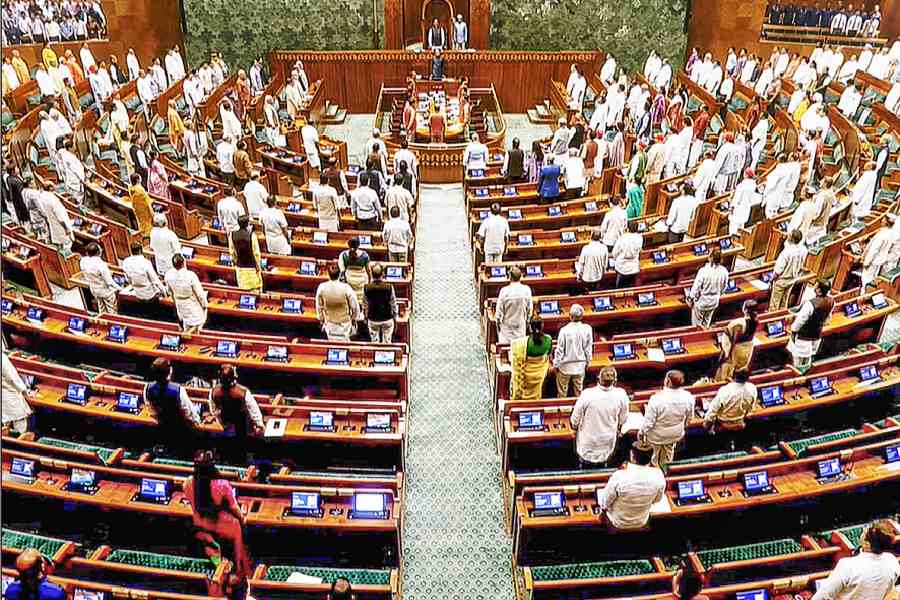
Rajeev Kumar describes what he saw during his first session as a member of Parliament.
He says the two Houses met for 19 days, but frequent disruptions reduced useful debate.
Some Bills were passed without much participation from members.
Question Hour also worked for only a small part of its scheduled time.
Kumar believes Parliament should carefully examine government plans rather than simply approve them.
He spoke about preventing examination-paper leaks and said criminals are more discouraged by the chance of being caught than by very harsh punishments.
He also discussed the need for more judges and a faster, more affordable justice system.
Even though politicians often argue in the House, Kumar says they can still talk and joke together outside it.

Parliament’s Monsoon session lasted 19 days and was repeatedly disrupted, limiting debate and Question Hour.
The author argues that Parliament increasingly certifies government decisions instead of scrutinising the executive.
A starred question on surging domestic airfares could not be asked during Question Hour.
The author supported tougher action against examination leaks but called for certainty of punishment and implementation of committee recommendations.
He also urged broader discussion of judicial appointments, court delays, transparency and accountability.
- Who
- Rajeev Kumar, a Rajya Sabha member and former police officer, describes his first parliamentary session.
- What
- He assesses Parliament’s functioning, debates two 2026 Bills, and raises concerns about disruptions, scrutiny, examination leaks and justice delivery.
- Where
- The Parliament of India, including the Rajya Sabha and its parliamentary proceedings.
- When
- During the recent Monsoon session; the two Bills discussed were from 2026.
- Why
- Kumar argues that Parliament should deliberate, scrutinise legislation and hold the executive accountable rather than function mainly as a numerical certifier.
Parliamentary scrutiny concerns
Institutional positions and justifications
Passing government legislation
Parliamentary scrutiny concerns
Kumar argues that a parliamentary majority should do more than provide numerical certification and that legislation requires meaningful scrutiny and debate.
Institutional positions and justifications
He acknowledges that a government with a majority is entitled to pass its legislative programme.
Punishing examination leaks
Parliamentary scrutiny concerns
Kumar says certainty of punishment is more likely to deter leaks than simply increasing imprisonment and fines, and questions why committee recommendations were not implemented first.
Institutional positions and justifications
The government’s approach, as described by Kumar, relies on longer imprisonment, higher fines and strict timelines to address unfair means.
Judicial independence and accountability
Parliamentary scrutiny concerns
Kumar argues that judicial independence does not necessarily require judicial primacy in appointments, administration and justice delivery, and says near-complete primacy raises transparency and accountability questions.
Institutional positions and justifications
The judiciary guards its independence, which Kumar describes as non-negotiable, while the executive periodically pushes back against judicial primacy.
Key facts
- Session length
- Both Houses met for 19 days during the recent Monsoon session.
- Question Hour
- Question Hour functioned for only a fraction of its allotted time.
- Airfare question
- A starred question about the absence of an upper limit on surging domestic airfares could not be asked.
- Examination Bill
- The Public Examinations (Prevention of Unfair Means) Amendment Bill, 2026 proposed longer imprisonment, higher fines and strict timelines.
- Task force
- A task force headed by Nandan Nilekani had been established to examine examination-related issues.
- Supreme Court Bill
- The Supreme Court (Number of Judges) Amendment Bill, 2026 increased the sanctioned strength of the Supreme Court.
- Author’s background
- Rajeev Kumar entered Parliament after 36 years in the police service.
Sources
Related news
Indian Parliament's Monsoon Session Ends Amid Disruptions, Low Productivity

Washout of monsoon session undermines India's parliamentary democracy
Monsoon Session Fails to Serve the People
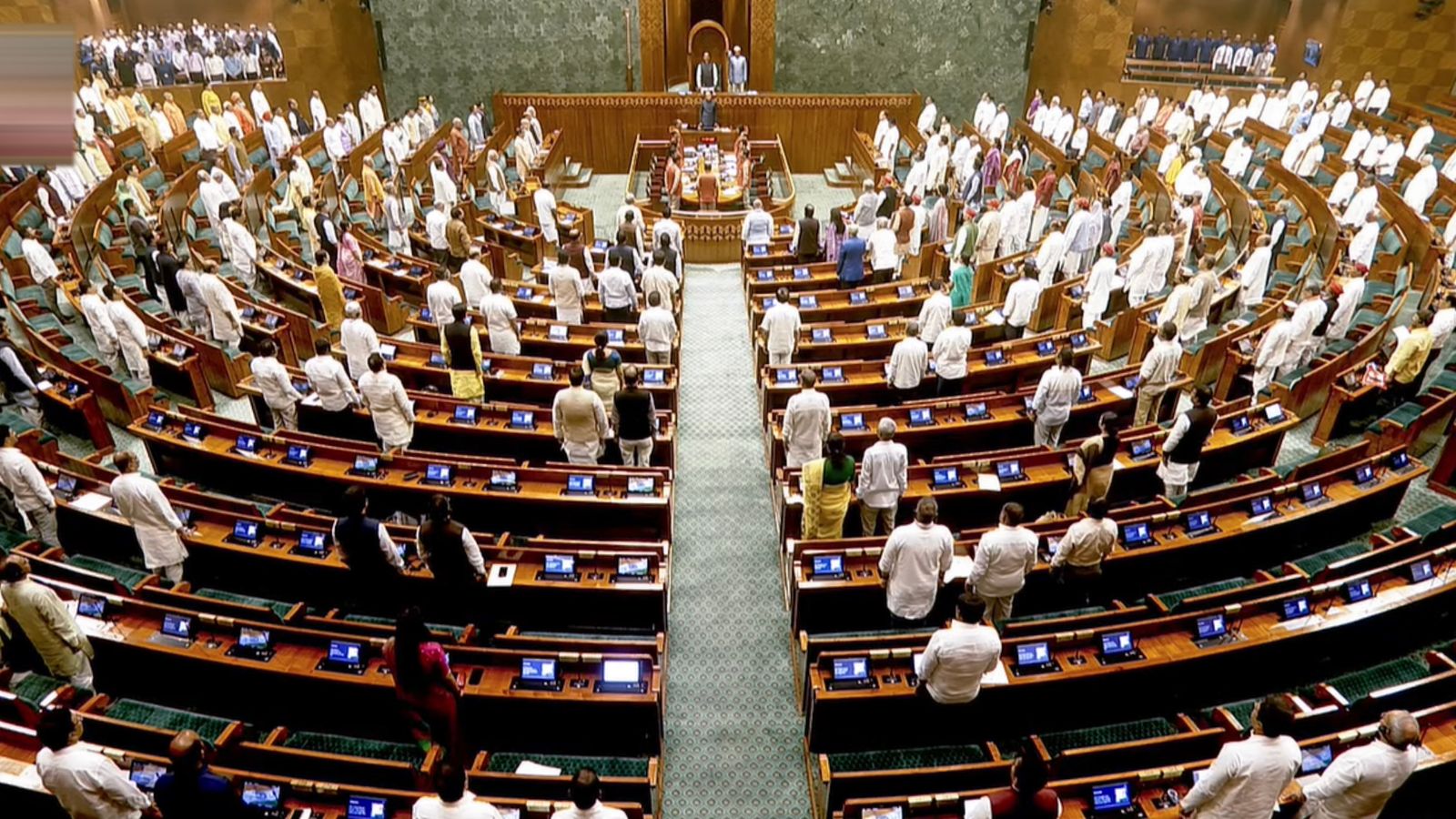
Government Accuses Opposition of Deliberately Disrupting India’s Parliament
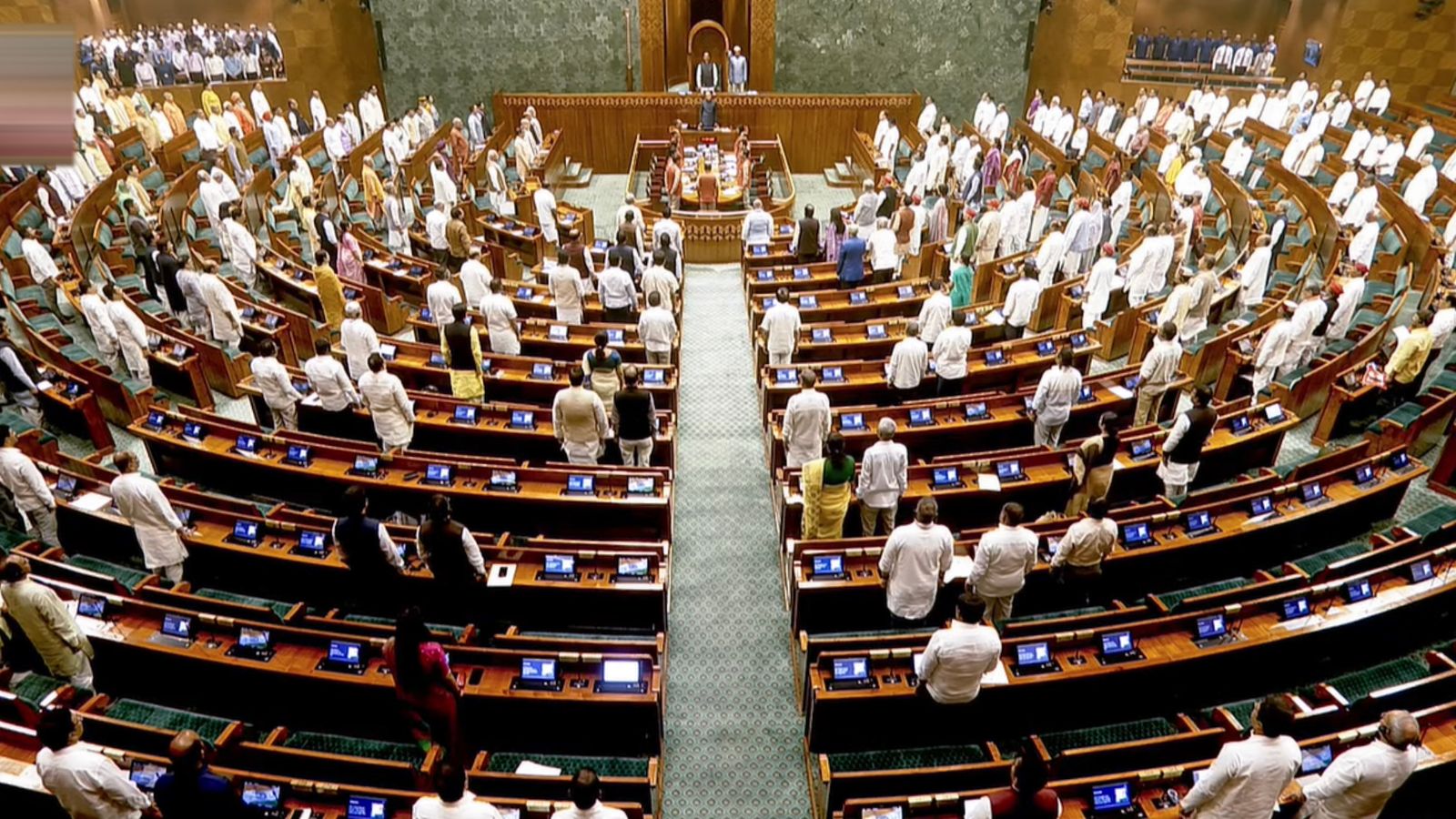
Parliament's 2026 Monsoon Session inefficiency cost about Rs 130 crore
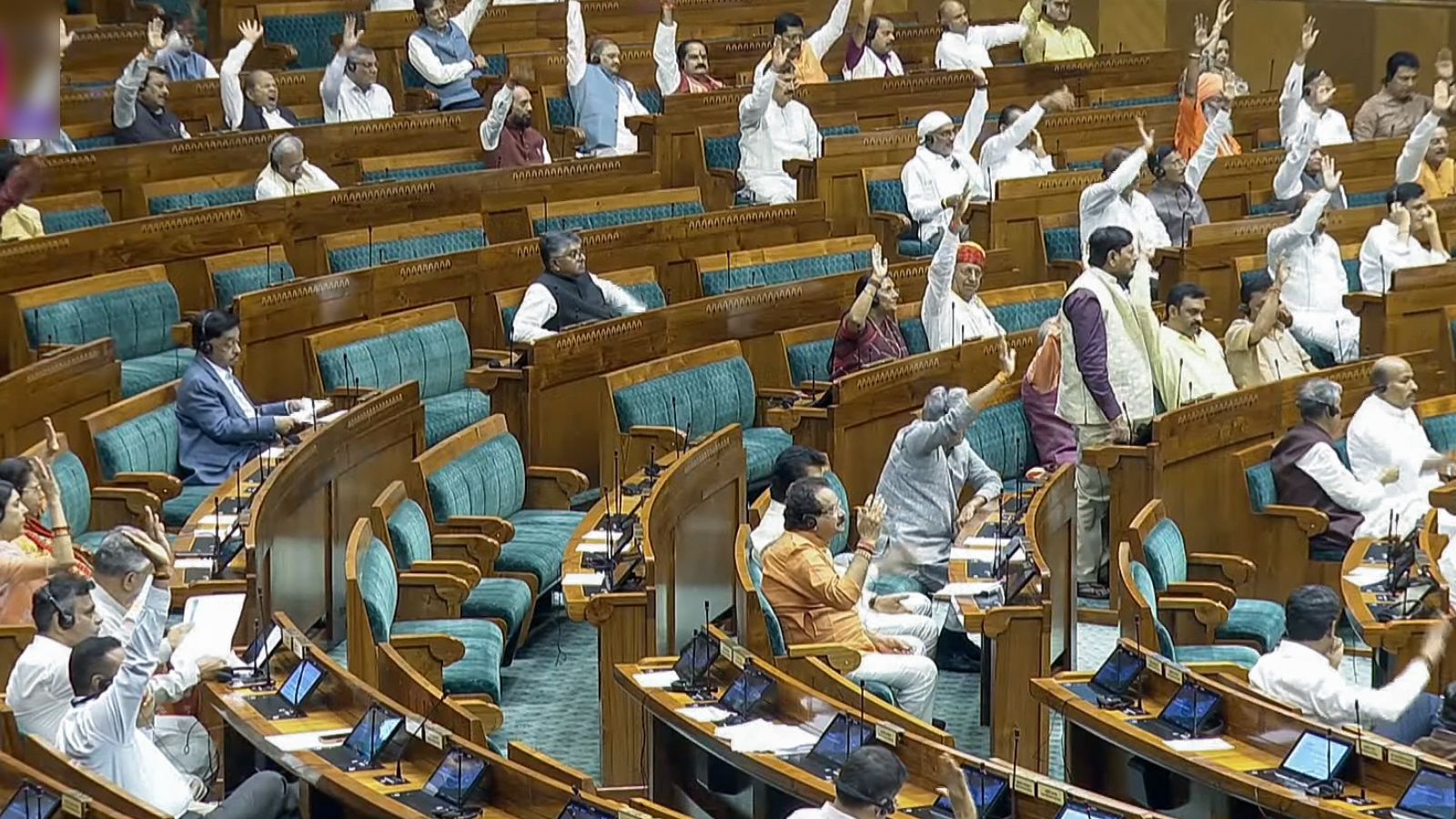
Hiren Mukherjee’s Warning: Parliament Must Recover Its Democratic Purpose
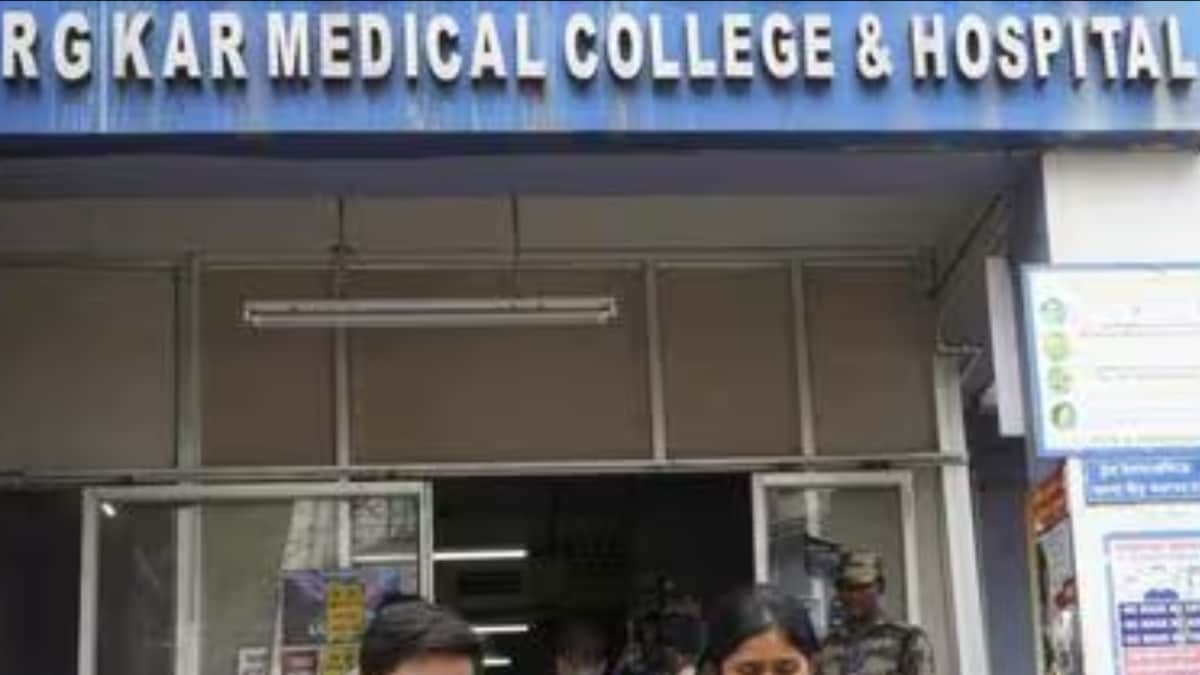
Two Years After RG Kar Doctor's Rape-Murder, Case Remains Unresolved

ED widens Chhattisgarh probes with two arrests and searches
Delhi High Court Orders Madhya Pradesh to Pay Advocate Dues
Haryana sanitation workers’ strike puts BJP government under pressure
Orissa High Court Says Brothel Customers Cannot Face Trafficking Charges