1 hr ago
Punjab H1N1 Cases Reach 220 as Suspected Death Reported
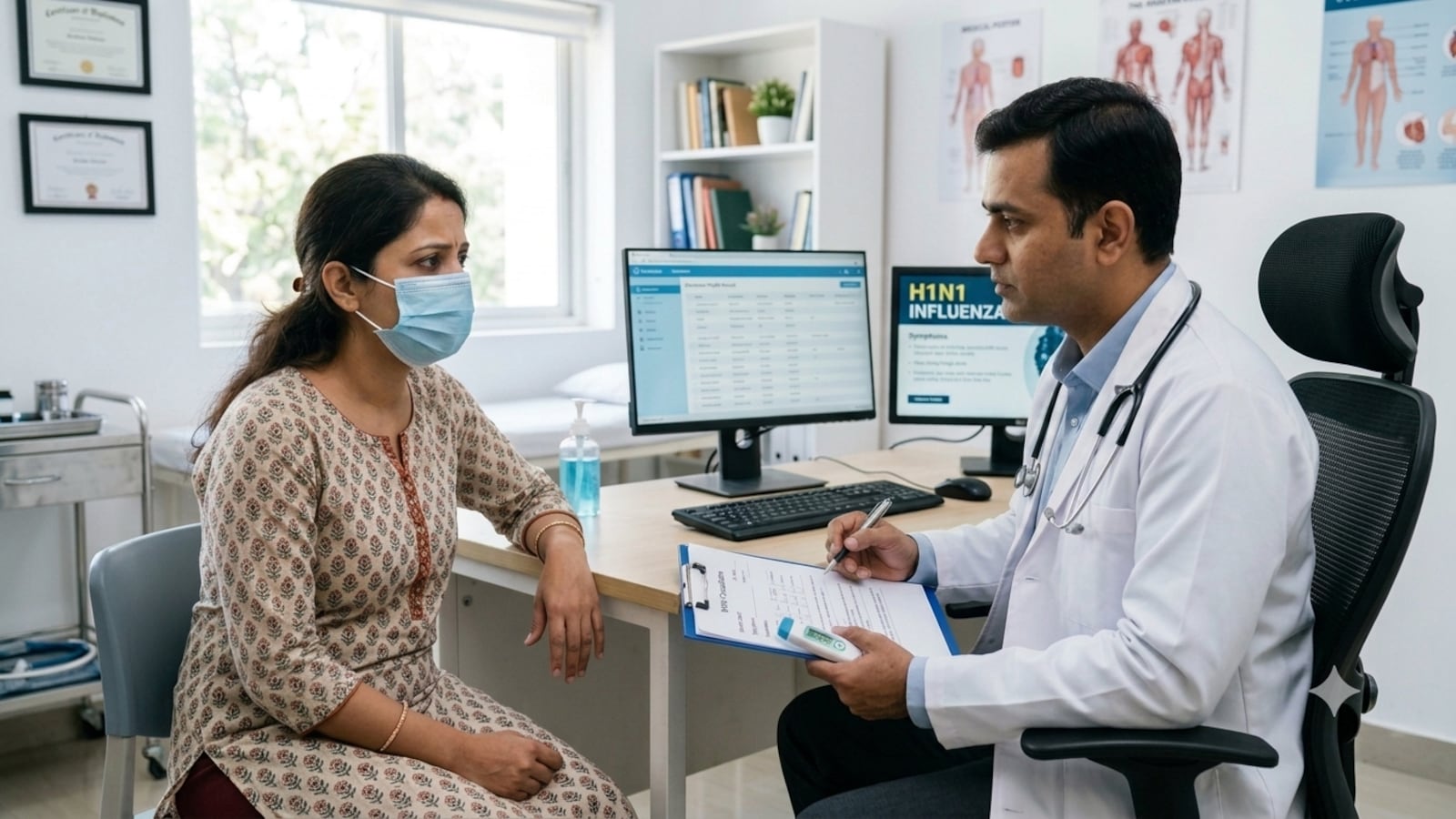
Punjab has reported 220 confirmed H1N1 cases this year.
An 85-year-old man from Jalandhar was reported as the first suspected H1N1 death in the state.
H1N1 can look like an ordinary flu at first.
Symptoms may include fever, cough, sore throat, body aches and tiredness.
Some people can become much sicker if the infection affects their lungs.
Trouble breathing, chest pain, blue lips, confusion or worsening after feeling better are warning signs.
Older people, young children, pregnant women and people with health problems need extra care.
Antibiotics do not treat H1N1 because it is caused by a virus.
People with serious or worsening symptoms should seek medical help instead of waiting at home.

Punjab’s confirmed H1N1 cases have reached 220 this year.
An 85-year-old man from Jalandhar tested positive and died at a civil hospital, in the state’s first suspected H1N1 death.
Doctors warn that worsening breathlessness, chest pain, falling oxygen levels and confusion can signal serious complications.
Older adults, children, pregnant women and people with certain chronic conditions face higher risks from severe influenza.
Experts recommend medical assessment for serious or worsening symptoms and caution against unnecessary antibiotics or self-medication.
- Who
- Punjab residents, including an 85-year-old man from Jalandhar, and health experts monitoring H1N1 cases.
- What
- Confirmed H1N1 cases in Punjab have reached 220, alongside the state’s first reported suspected H1N1 death.
- Where
- Punjab, including a civil hospital and the Jalandhar area.
- When
- This year; the article does not provide a specific date.
- Why
- The increase has prompted warnings to recognize serious symptoms early because H1N1 can lead to complications such as pneumonia.
Key facts
- Confirmed cases
- 220 H1N1 cases reported in Punjab this year
- Suspected death
- An 85-year-old man from Jalandhar tested positive at a civil hospital
- Major warning sign
- New or worsening breathlessness
- Other urgent symptoms
- Chest pain, falling oxygen saturation, confusion, bluish lips and severe weakness
- Higher-risk groups
- Older adults, young children, pregnant women and people with asthma, COPD, diabetes, heart disease, obesity or weakened immunity
- Antibiotics
- They do not treat H1N1 and should not be taken routinely without a prescription
- Treatment advice
- Antiviral treatment decisions should be made through medical assessment, particularly for high-risk or severely ill patients
Quotes
Dr Arjun Khanna
Head of Pulmonology at Amrita Hospital, Faridabad
“Surpassing 200 cases is a call for vigilance, not panic. Most people recover, but the mistake is to treat every case of the flu as harmless.”
 NDTV
NDTV
“The dangerous assumption with H1N1 is: 'It's just the flu, I'll wait another day.' That delay could matter in a compromised patient.”
NDTV
Sources
Related news

Emraan Hashmi Tests Positive For H1N1 Amid Health Warnings
Delhi H1N1 Surge Prompts Warnings About Breathing Complications
Delhi records nearly six-fold rise in H1N1 cases in 2026
Delhi reports six-fold rise in H1N1 flu cases, experts warn
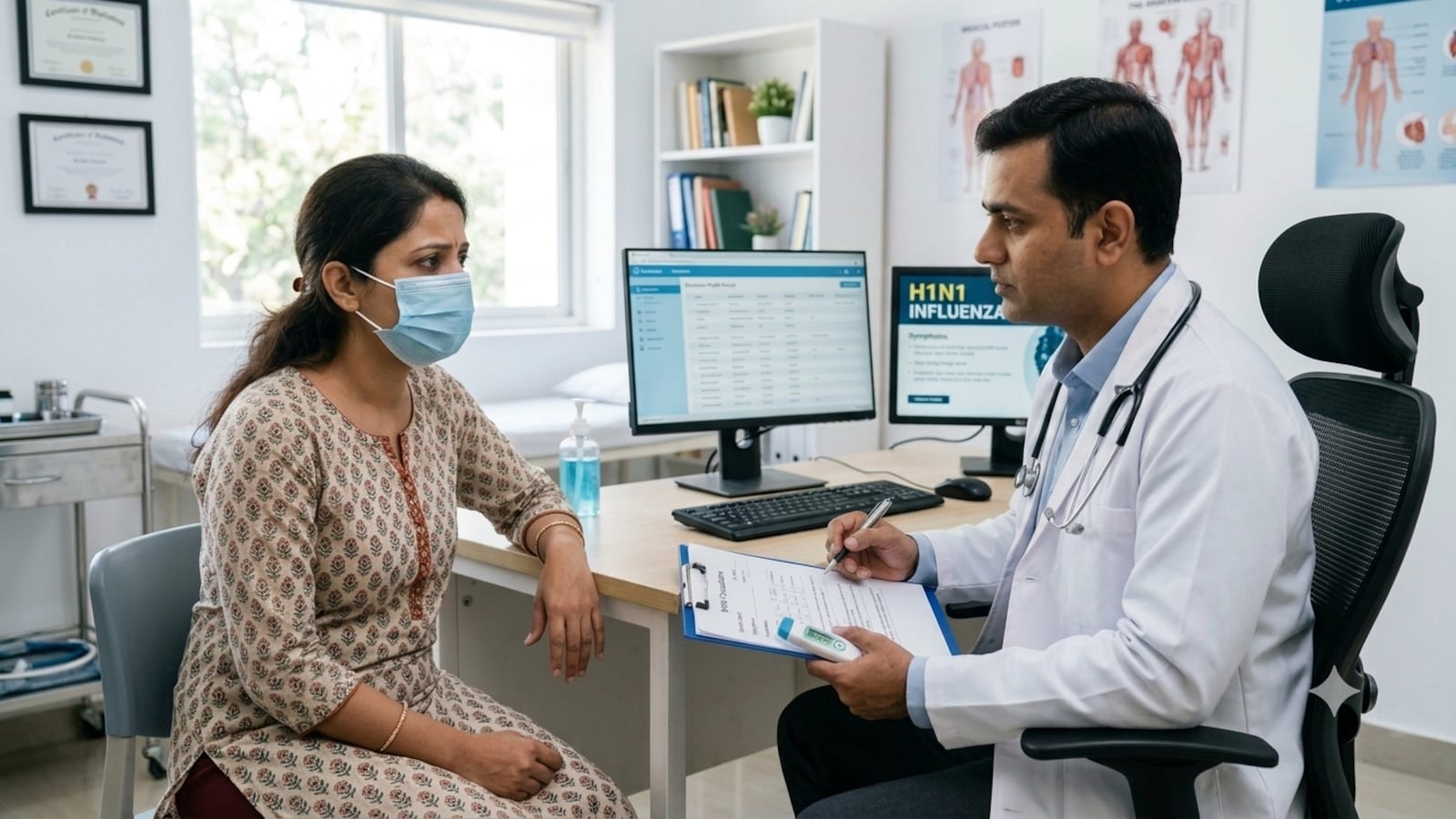
Seven Warning Signs H1N1 Flu Is Getting Worse

H1N1 Cases Rise in North India; Experts Urge Caution

AI Toothbrushes Promise Smarter Care, But Dentists Stress Basic Habits

National Nutrition Week Promotes A Truly Balanced Plate
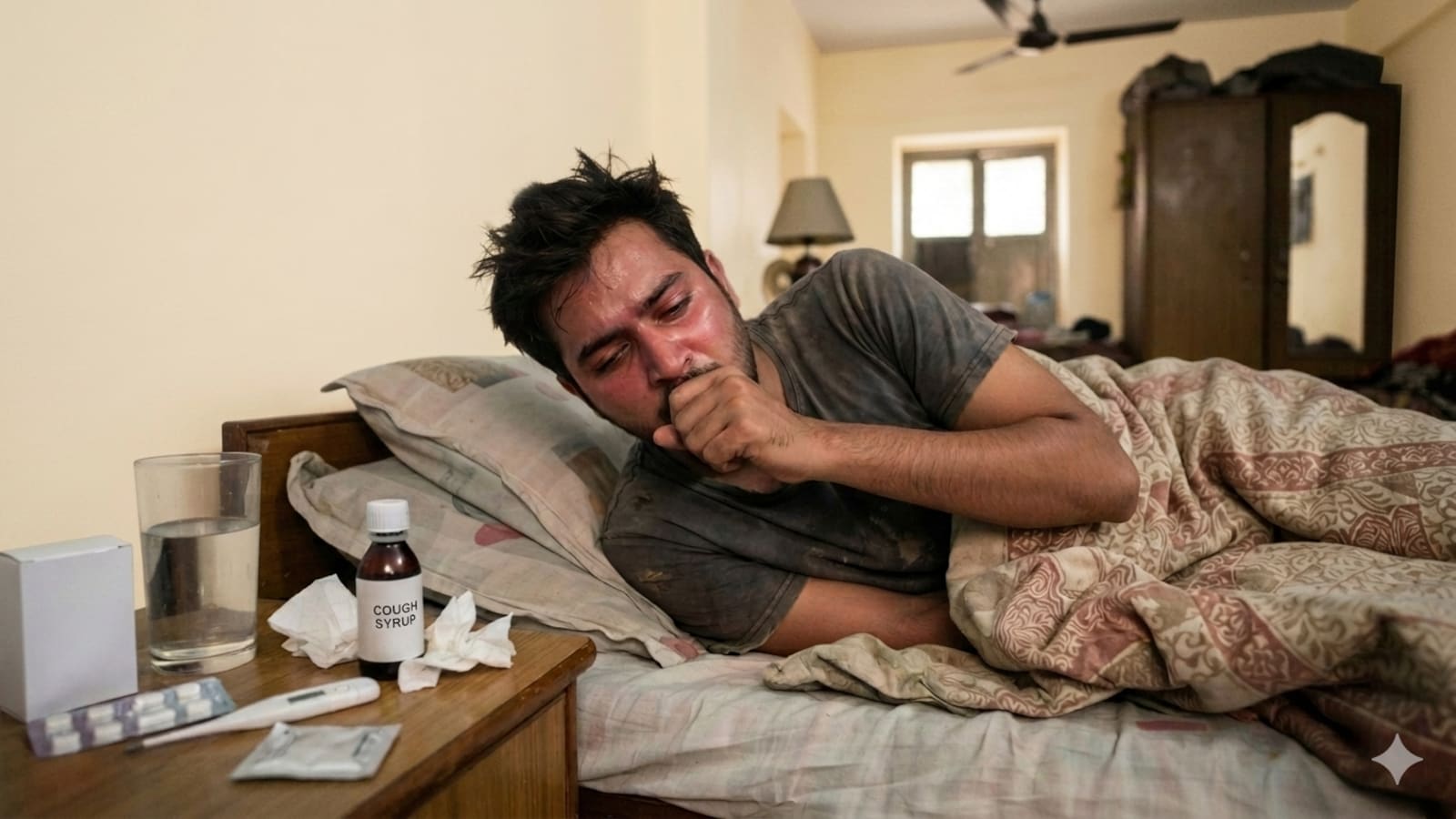
H1N1 Recovery: Seven Mistakes To Avoid After Fever
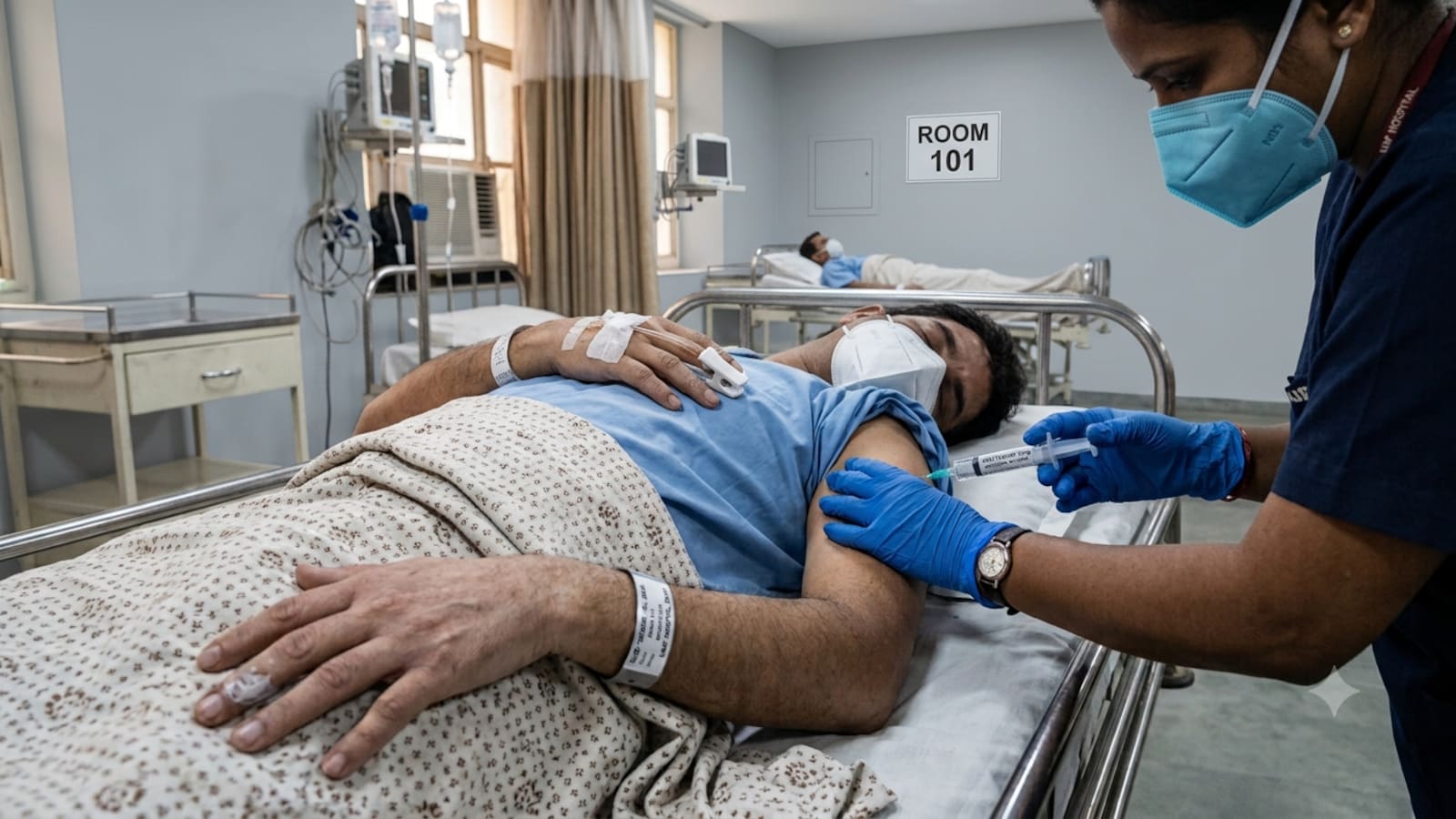
H1N1 Cases Rise as Flu Vaccine Demand Surges Nationwide