2 days ago
H1N1 Recovery: Seven Mistakes To Avoid After Fever
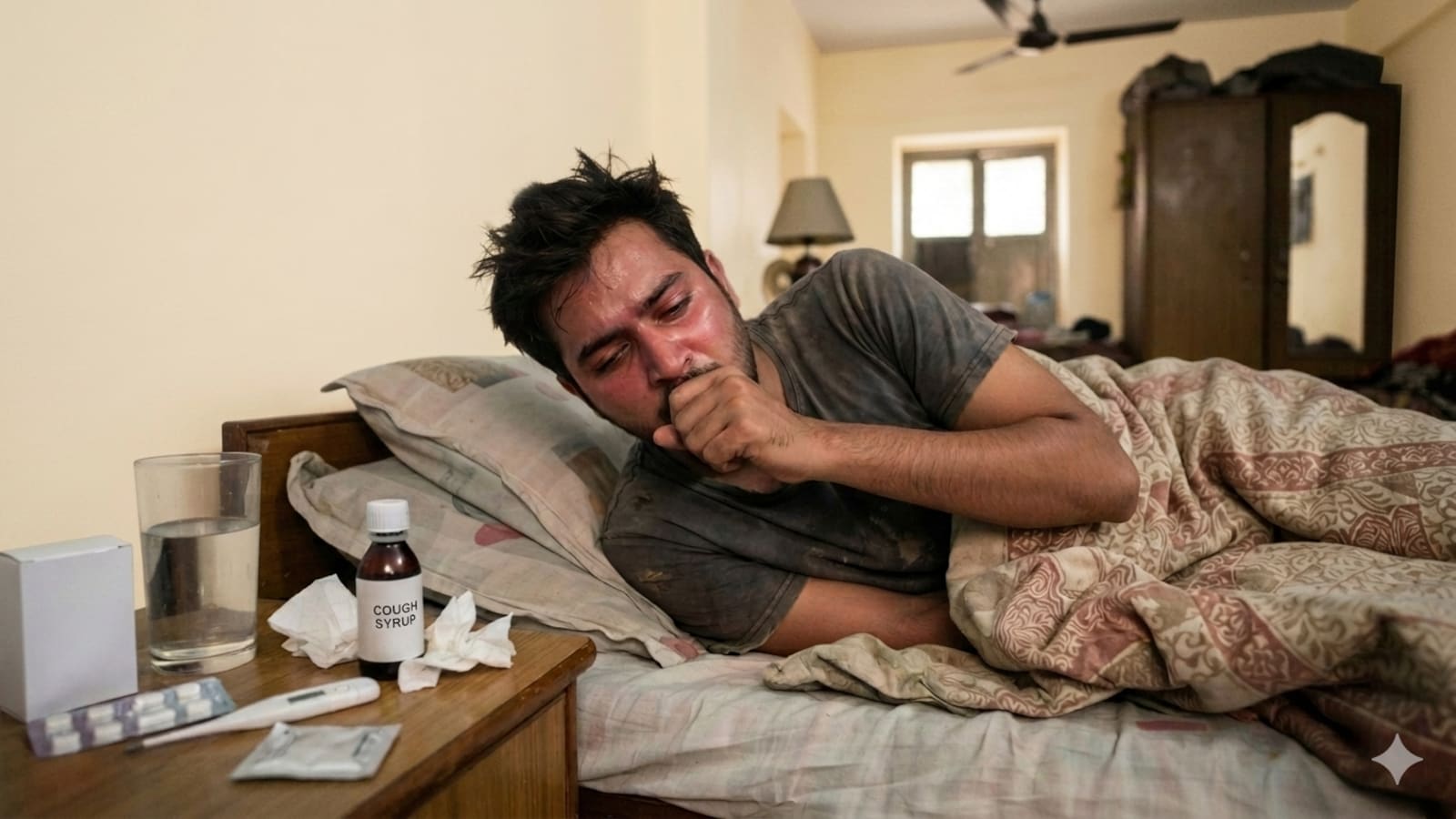
The flu may not be completely over just because a fever goes away.
Your body and lungs can still be tired and irritated.
Start exercising and working again slowly.
Rest, sleep, eat balanced meals and drink enough fluids.
Do not take antibiotics unless a doctor says you need them.
Smoking and vaping can bother airways that are still healing.
You may still spread infection while you have important symptoms.
If you feel better and then get worse, tell a doctor.
Trouble breathing, chest discomfort, returning fever or unusual sleepiness can be warning signs of complications.

Fever ending does not necessarily mean influenza recovery is complete, as fatigue, airway inflammation and reduced exercise tolerance may persist.
People are advised to resume exercise and normal activities gradually rather than immediately returning to intense workouts or exhausting routines.
Antibiotics should not be self-prescribed for influenza unless a doctor identifies a secondary bacterial infection.
Hydration, sleep, balanced nutrition and avoiding smoking or vaping can support recovery and reduce respiratory irritation.
Returning fever, worsening cough, breathlessness, chest discomfort, unusual drowsiness or falling oxygen saturation require medical reassessment.
- Who
- People recovering from H1N1 or other influenza infections, with guidance from Dr Arjun Khanna, HOD of Pulmonology at Amrita Hospital, Faridabad.
- What
- Health experts outlined seven mistakes to avoid during flu recovery, including overexertion, inadequate hydration and ignoring worsening symptoms.
- Where
- The medical guidance was provided by Dr Arjun Khanna of Amrita Hospital, Faridabad.
- When
- The guidance focuses particularly on the period immediately after the fever subsides and during the following recovery period.
- Why
- Influenza can leave airway inflammation, fatigue and reduced exercise tolerance, while a second wave of symptoms may signal pneumonia or another complication.
Key facts
- Main warning
- The end of a fever does not necessarily indicate full recovery.
- Exercise
- Return to physical activity gradually as energy, appetite and breathing improve.
- Antibiotics
- They do not directly treat viral influenza and should only be used when medically indicated.
- Recovery needs
- Adequate fluids, sleep and balanced nutrition are recommended.
- Respiratory irritants
- Smoking and vaping can further irritate recovering airways.
- Warning symptoms
- Returning fever, worsening cough, breathlessness, chest discomfort, unusual drowsiness, severe weakness or falling oxygen saturation warrant medical assessment.
- Possible complications
- A second wave of symptoms may be associated with viral pneumonia or secondary bacterial pneumonia.
Quotes
Dr Arjun Khanna
Head of Pulmonology at Amrita Hospital, Faridabad
“The worst time in the course of influenza recovery is generally the day the fever is gone. Patients may think of this as getting better, but clinically defervescence is not the same as a full recovery. Airway inflammation, fatigue, and reduced exercise tolerance may persist even after the acute infection resolves.”
 NDTV
NDTV
“The second decay deserves particular attention. Influenza damages the respiratory epithelium, the cellular lining that protects the airways, and temporarily impairs normal defence mechanisms. This paves the way for complications like viral pneumonia and secondary bacterial pneumonia.”
NDTV
Sources
Related news
H1N1 Usually Improves Within A Week, Cough May Linger
Fever Has Settled But Weakness Remains: When to See Doctor

Seven Warning Signs H1N1 Flu Is Getting Worse

Doctors Explain Why Brain Fog Can Follow H1N1 Recovery

National Nutrition Week Promotes A Truly Balanced Plate
H1N1 Cases Rise as Flu Vaccine Demand Surges Nationwide

Seven Ways Gym-Goers Can Prevent H1N1 During Flu Season

Amitabh Bachchan Gives Up Rice, But Should Older Adults?