1 hr ago
Seven Warning Signs H1N1 Flu Is Getting Worse

H1N1 flu often gets better with rest, fluids and proper care.
Some people may become sicker instead of improving.
Trouble breathing, chest pain, confusion or extreme weakness are serious warning signs.
Peeing much less than usual can mean the body is dangerously low on fluids.
Repeated vomiting can also cause dehydration.
A fever or cough that returns after getting better may mean a complication has developed.
Older people, young children, pregnant women and people with certain health problems need extra care.
Antibiotics do not treat the flu virus, but a doctor may consider antiviral medicine or other treatment.
Anyone with severe or rapidly worsening symptoms should seek medical help promptly.

Increasing breathlessness, chest pain, severe weakness or confusion may signal serious complications.
Reduced urination and persistent vomiting can indicate dangerous dehydration.
A returning fever or worsening cough after improvement may indicate a secondary infection or pneumonia.
Most people recover within a few days to less than two weeks, though cough and fatigue may last longer.
Older adults, young children, pregnant women and people with chronic conditions face higher complication risks.
- Who
- People with H1N1 influenza, especially older adults, young children, pregnant women and those with chronic conditions or weakened immunity.
- What
- Medical guidance on seven signs that H1N1 influenza may be worsening rather than following a normal recovery.
- Where
- The symptoms may occur during an H1N1 infection; the article advises seeking urgent medical care when emergency signs appear.
- When
- When symptoms become more severe or new symptoms appear, particularly after initial improvement.
- Why
- To help identify complications such as pneumonia, secondary infection, dehydration or inadequate oxygenation early.
Key facts
- Typical recovery
- Most people recover within a few days to less than two weeks.
- Possible lingering symptoms
- Cough and fatigue can continue after the acute infection.
- Breathing warning
- Worsening shortness of breath or breathlessness during minimal activity requires medical attention.
- Dehydration warning
- Markedly reduced or absent urination, especially with vomiting, fever or poor fluid intake, may indicate severe dehydration.
- Second-wave pattern
- A returning fever, worsening cough or new symptoms after initial improvement should not be dismissed.
- Higher-risk groups
- Older adults, young children, pregnant women and people with asthma, diabetes, heart disease or weakened immunity are more vulnerable.
- Medication guidance
- Antibiotics do not treat influenza viruses; antiviral medicines may be considered for some higher-risk or severely ill patients.
Sources
Related news

Emraan Hashmi Tests Positive For H1N1 Amid Health Warnings

Delhi H1N1 Surge Prompts Warnings About Breathing Complications
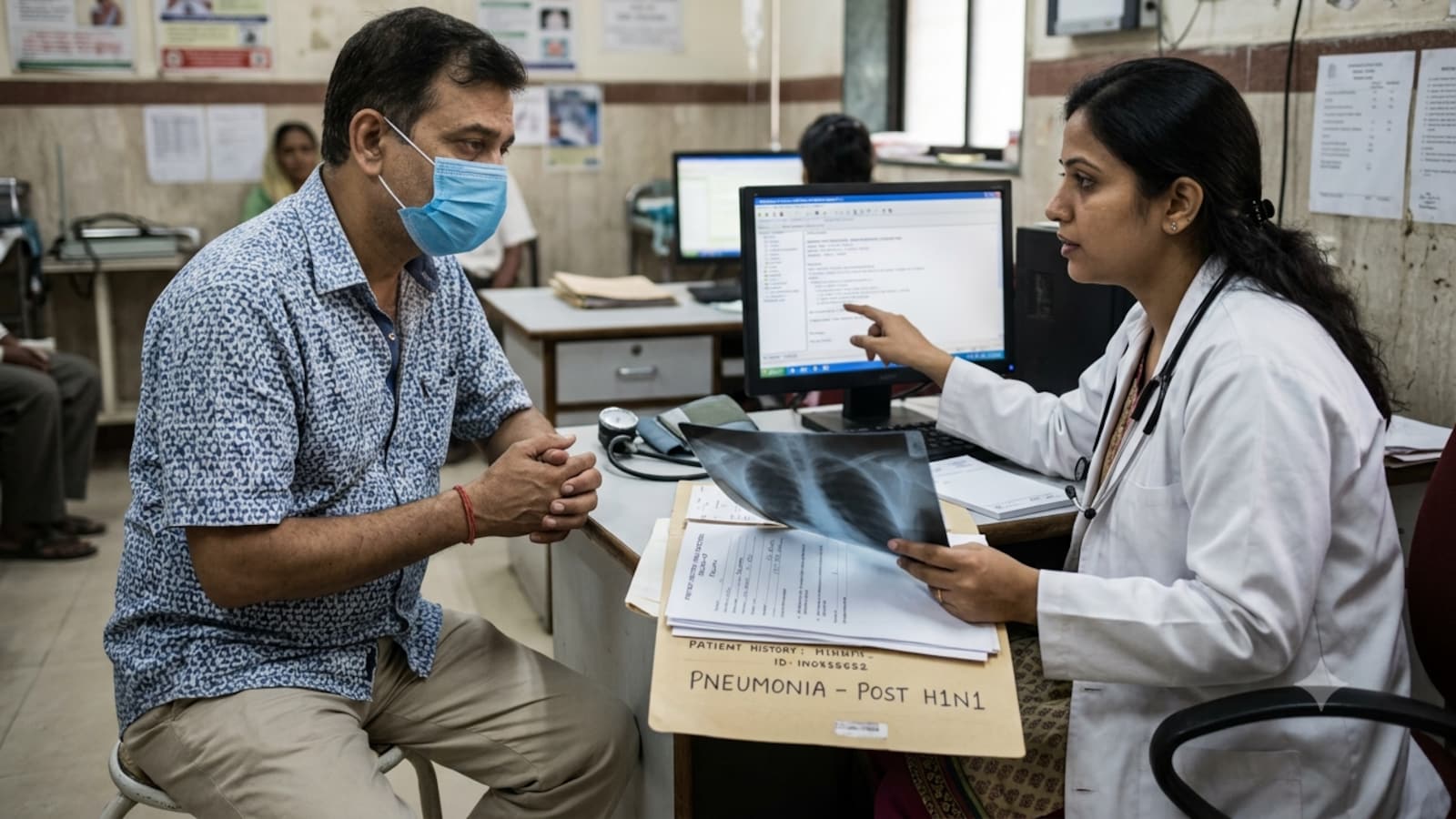
H1N1 Can Cause Pneumonia: Warning Signs To Know
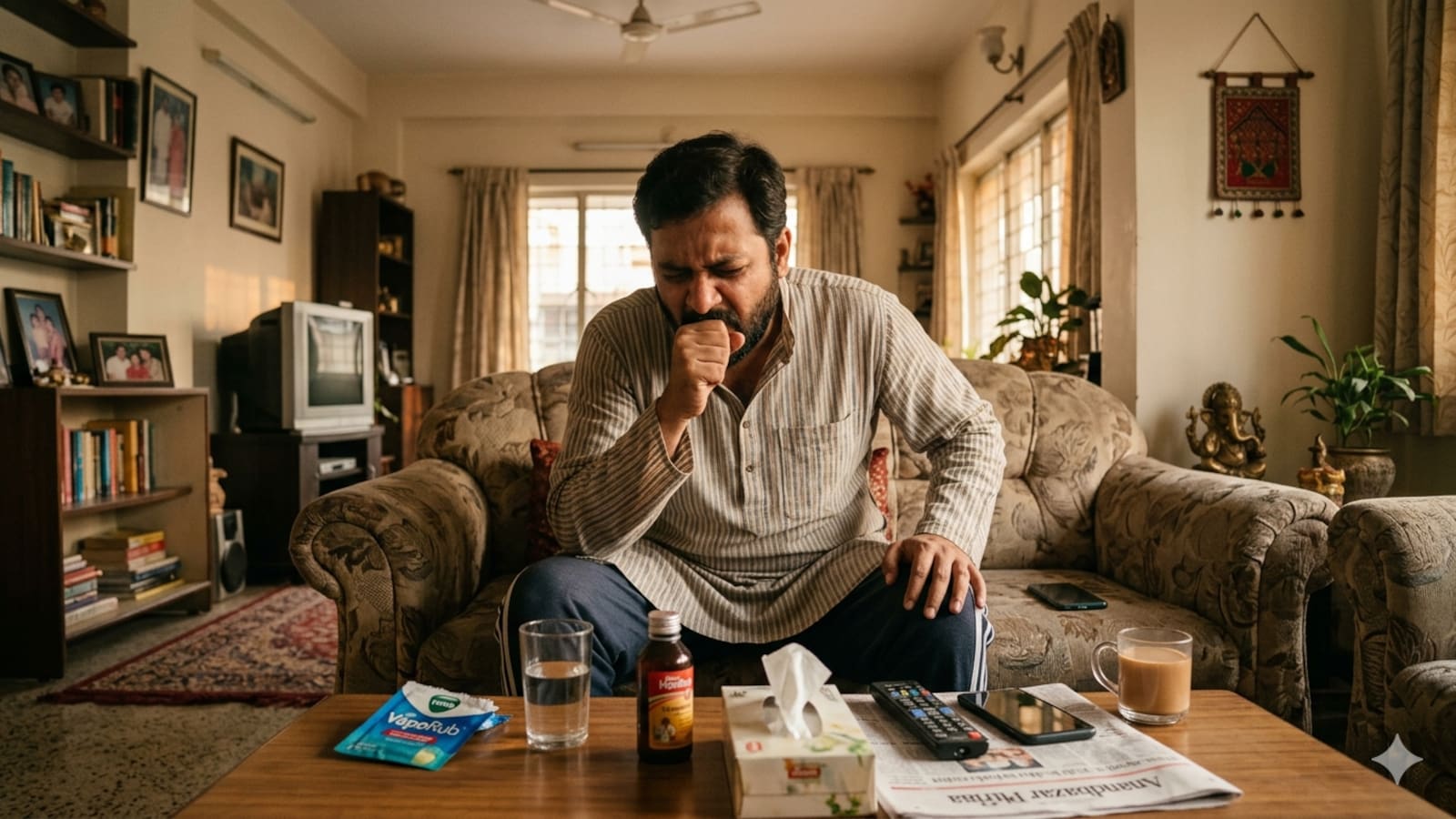
H1N1 Usually Improves Within A Week, Cough May Linger

Delhi records nearly six-fold rise in H1N1 cases in 2026
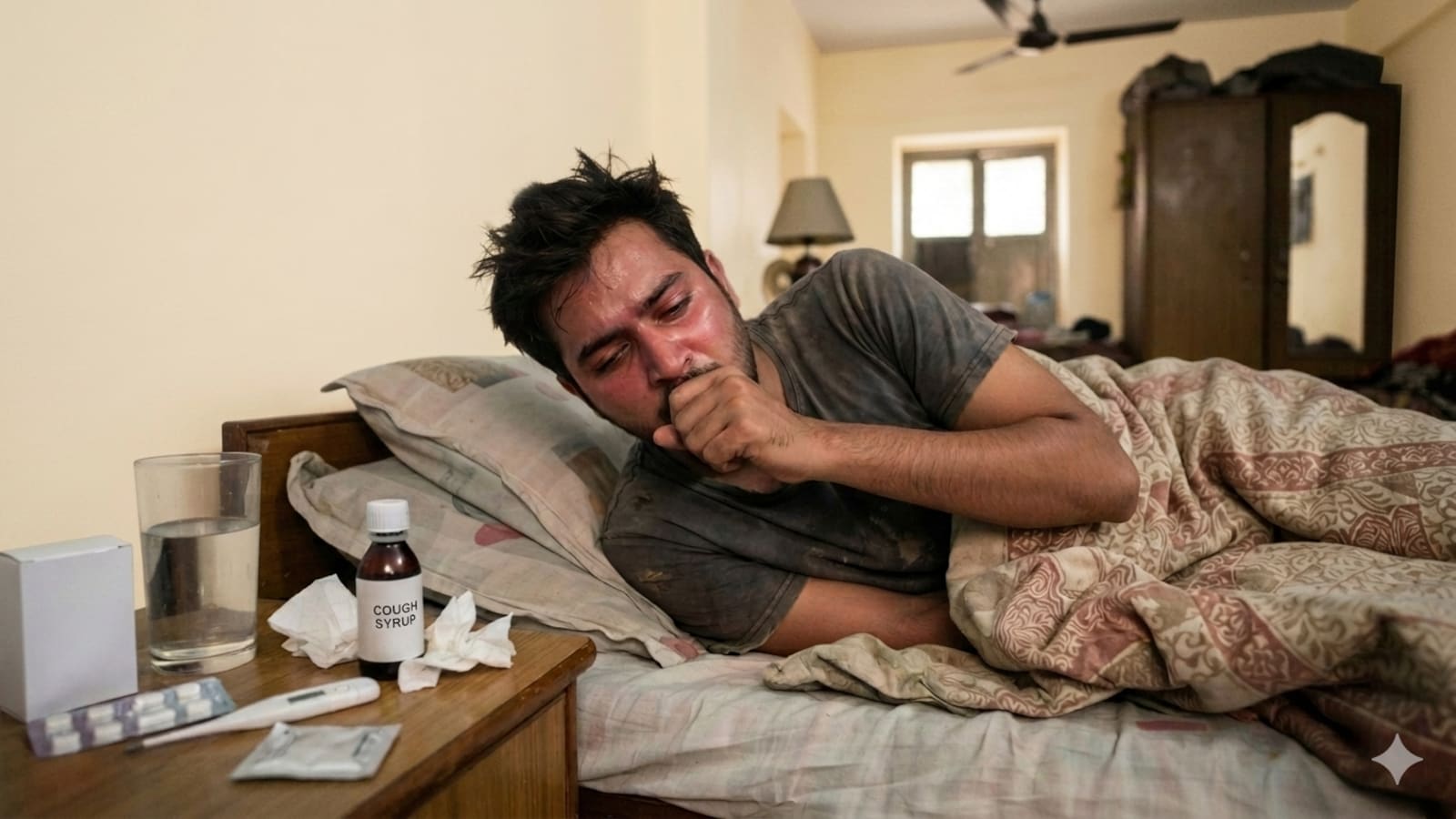
H1N1 Recovery: Seven Mistakes To Avoid After Fever

H1N1 Surge: Infection Can Occur Without A Fever

Health Ministry Warns Children, High-Risk Groups About H1N1

India’s H1N1 Surge Highlights Low Uptake of Flu Vaccination