4 days ago
Seven Ways Gym-Goers Can Prevent H1N1 During Flu Season
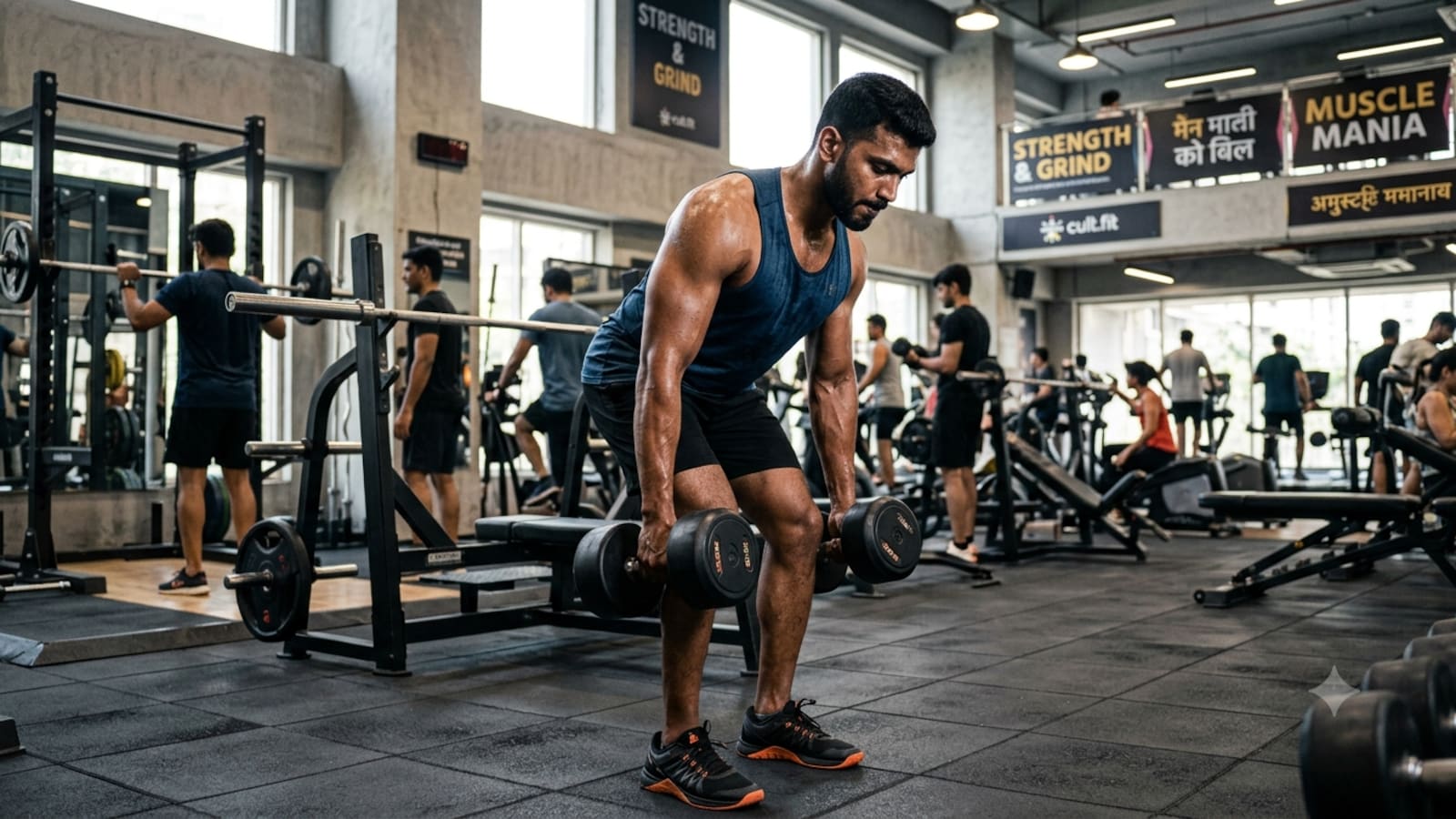
Flu can spread more easily in busy indoor gyms.
People breathe harder during exercise, which may increase exposure to germs in poorly ventilated spaces.
If you have a fever, body aches, chest congestion, or unusual tiredness, stay home and rest.
Return only after you have been fever-free for at least 24 hours without fever medicine and your symptoms are improving.
Pick gyms with fresh air and visit when they are less crowded.
Get advice from a healthcare provider about the annual flu vaccine.
Clean shared equipment, wash your hands, and do not share bottles or towels.
If you wear a mask in crowded areas, choose one that fits well.
After being sick, restart exercise at about half your usual intensity and increase it slowly.
Stop and seek medical help if you have breathlessness, chest pain, dizziness, or falling oxygen levels.

Stay home with flu symptoms and wait until fever-free for 24 hours without medication before returning.
Choose gyms with good airflow, fewer people, or exercise outdoors during local flu surges.
Annual vaccination can reduce the risk of severe influenza illness and complications, including from H1N1.
Clean shared equipment, wash hands, and avoid touching the eyes, nose, and mouth.
Use personal towels and bottles, consider masks in crowded areas, and resume exercise gradually after illness.
- Who
- Gym-goers, especially people at increased risk of respiratory complications, are advised to take precautions; Dr Arjun Khanna provides the recommendations.
- What
- Seven measures are recommended to reduce H1N1 and seasonal influenza risks in gyms and support safe recovery after illness.
- Where
- Crowded indoor gyms, particularly poorly ventilated areas such as reception spaces and changing rooms; outdoor workouts are suggested when possible.
- When
- During flu season, local flu surges, and the period of recovery after an infection.
- Why
- Intense exercise increases breathing, while crowded and poorly ventilated spaces and shared surfaces may increase exposure to respiratory viruses.
Key facts
- Expert
- Dr Arjun Khanna, Head of the Department of Pulmonology at Amrita Hospital, Faridabad
- Return after fever
- Wait until fever-free for at least 24 hours without fever-reducing medication and symptoms are clearly improving.
- Vaccination
- The seasonal influenza vaccine is updated regularly and includes protection against influenza A(H1N1)pdm09.
- Shared equipment
- Clean equipment before and after use where possible, wash hands, and avoid touching the face with unwashed hands.
- Personal items
- Do not share water bottles, towels, resistance bands, or boxing gloves.
- Mask use
- A well-fitting mask may be considered in crowded changing rooms, reception areas, and poorly ventilated spaces during a local surge.
- Post-illness exercise
- Resume at about half of normal intensity and build up gradually; seek medical assessment for serious symptoms.
Quotes
Dr Arjun Khanna
Head of the Department of Pulmonology at Amrita Hospital, Faridabad
“Choose gyms with open windows, good ventilation and fewer people. Air conditioners don't always mean clean air. If flu activity is high, choose less busy times or outdoor workouts”
 NDTV
NDTV
“Early return may prolong fatigue and worsen respiratory symptoms. Ease off to about half your normal intensity and build up gradually”
NDTV
Sources
Related news

Delhi Reports 1,777 H1N1 Cases as Authorities Urge Precautions
Delhi H1N1 Cases Rise as Government Urges Mask Use
H1N1 Recovery: Seven Mistakes To Avoid After Fever
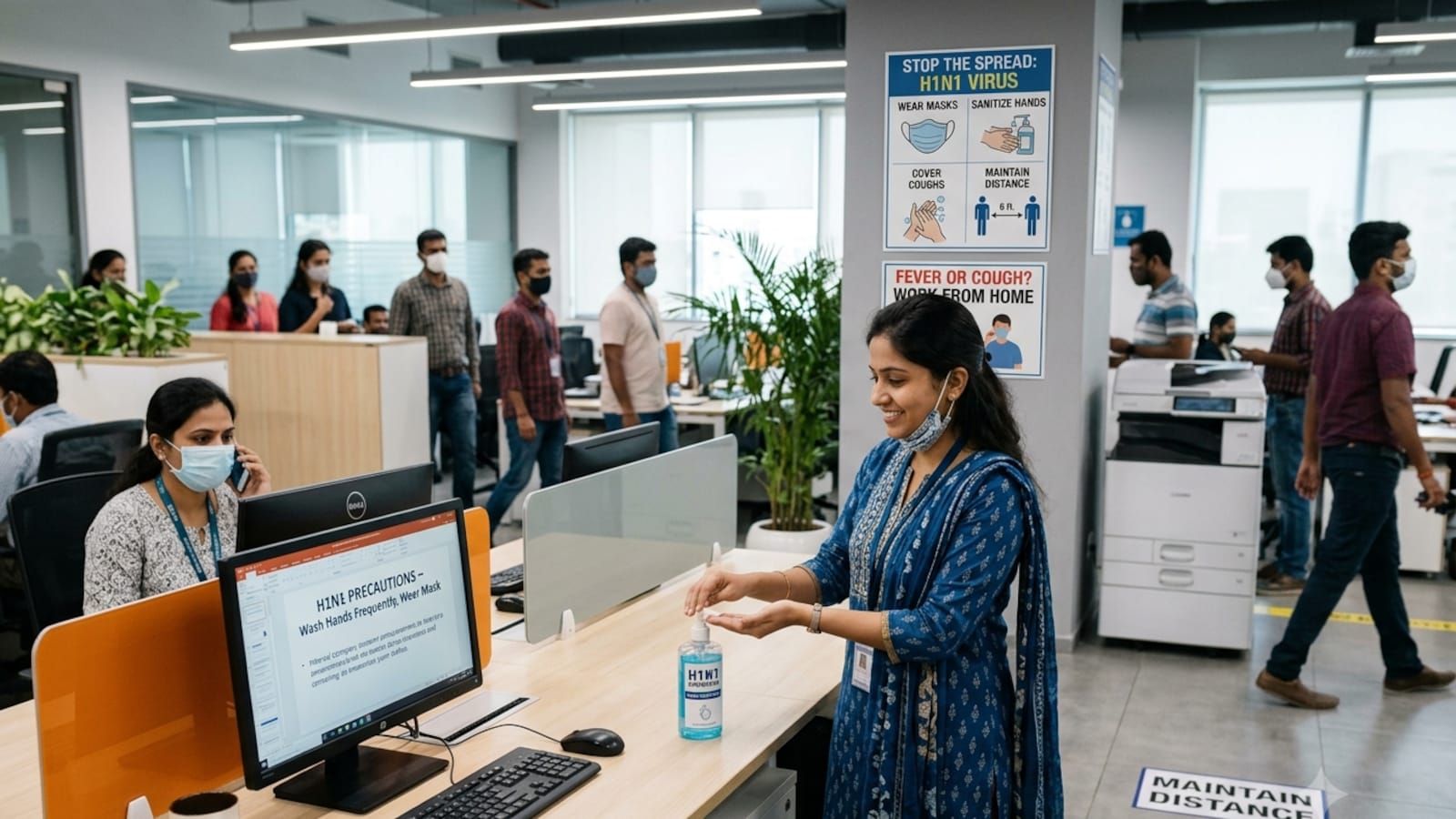
Doctors Share H1N1 Prevention Tips For Corporate Offices
Flu Precautions: When Masks and N95s May Help

National Nutrition Week Promotes A Truly Balanced Plate
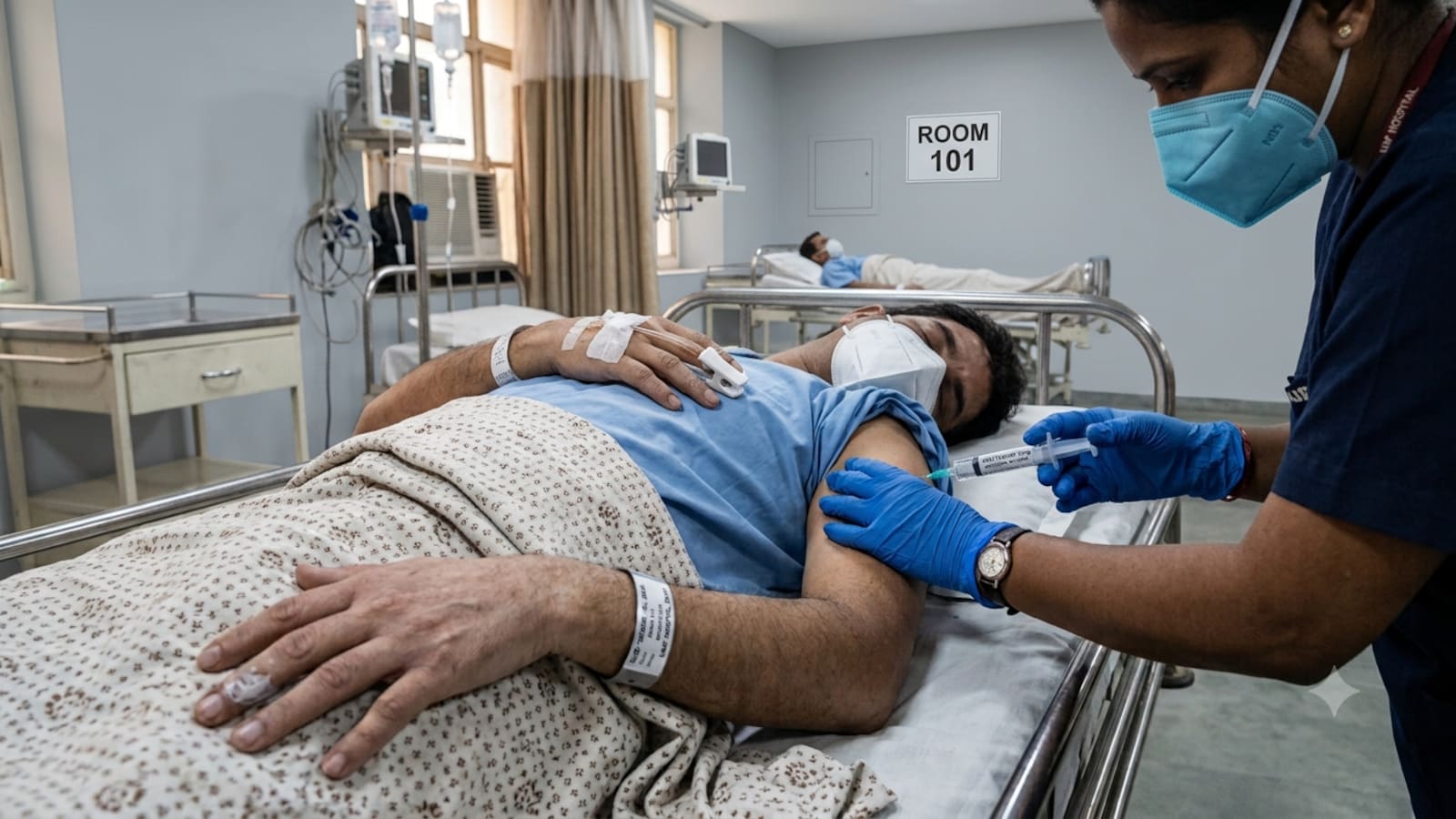
H1N1 Cases Rise as Flu Vaccine Demand Surges Nationwide

Amitabh Bachchan Gives Up Rice, But Should Older Adults?