3 hrs ago
AI Toothbrushes Promise Smarter Care, But Dentists Stress Basic Habits
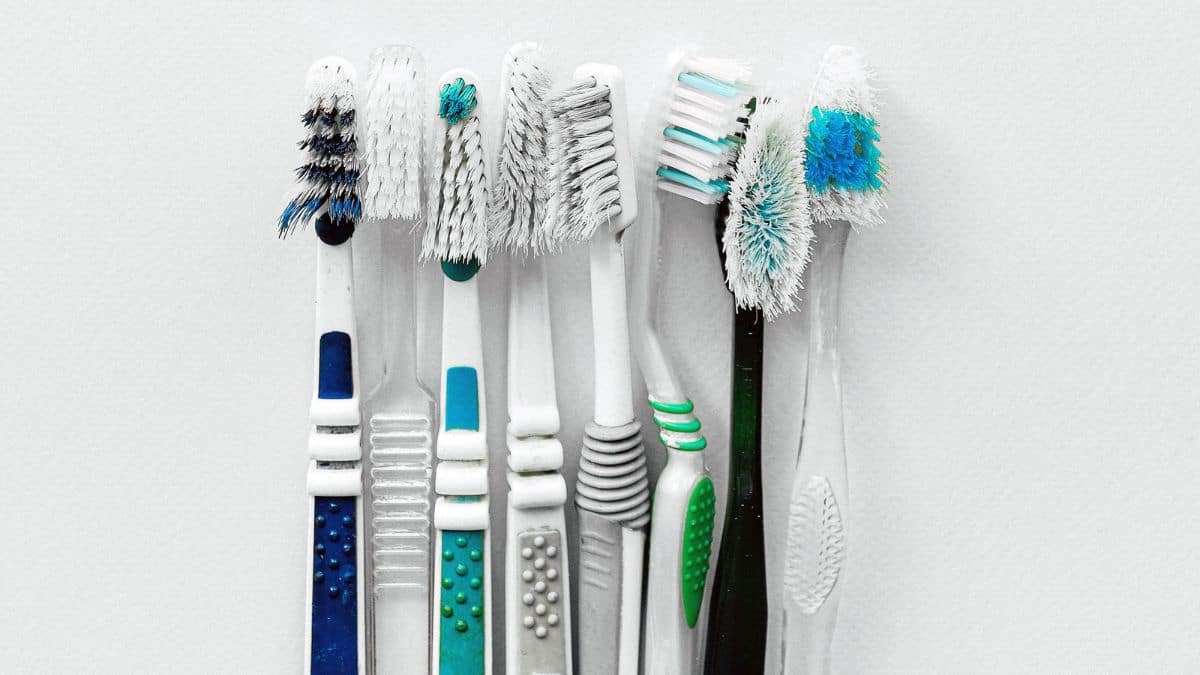
Some new toothbrushes use cameras, sensors and AI to watch how people brush.
They can show areas that may have been missed and give feedback.
A dentist says powered toothbrushes can genuinely help some people clean better.
This may be useful for people with braces, limited hand movement or brushing difficulties.
However, smart features do not remove plaque by themselves.
People still need to brush properly and regularly.
Using fluoride toothpaste and cleaning between teeth are also important.
Visiting the dentist remains part of good oral care.
A costly toothbrush is not automatically better than a simple one.

Dyson has launched an AI-powered camera toothbrush designed to monitor brushing and provide real-time feedback.
The device uses cameras, sensors and apps to track cleaning patterns, technique, pressure and performance.
Dr. Shilpa Khullar Sood says powered toothbrushes can reduce plaque and gingivitis and help some users.
She warns that cameras and AI cannot remove plaque, prevent cavities independently or replace proper brushing.
She recommends twice-daily brushing with fluoride toothpaste, cleaning between teeth and regular dental visits.
- Who
- Dyson and Dr. Shilpa Khullar Sood, Head of Dentistry at Amrita Hospital, Faridabad.
- What
- Dyson launched an AI-powered camera toothbrush, prompting discussion about whether advanced features improve dental health.
- Where
- The article discusses the device’s market launch and cites Dr. Sood at Amrita Hospital, Faridabad.
- When
- Why
- To examine whether smart toothbrush technology provides meaningful dental benefits or mainly makes basic hygiene more expensive.
Technology’s Potential Benefits
Dentist’s Caution About Hype
Can smart features improve brushing?
Technology’s Potential Benefits
Powered toothbrushes have scientific support, and feedback from cameras, sensors and apps may help users improve technique or notice missed areas.
Dentist’s Caution About Hype
Feedback is useful only if it changes behavior; seeing plaque is different from mechanically removing it, and advanced features do not guarantee better outcomes.
Are expensive devices clinically necessary?
Technology’s Potential Benefits
Technology may have a role when it solves a real brushing problem, especially for people with braces, limited dexterity or technique difficulties.
Dentist’s Caution About Hype
Price and sophistication should not be mistaken for clinical superiority; consistent basic habits may provide more benefit than an expensive device.
What matters most for oral health?
Technology’s Potential Benefits
Connected toothbrushes can provide performance tracking and guidance that may support better routines.
Dentist’s Caution About Hype
Dr. Sood says oral health depends primarily on correct, consistent brushing, fluoride use, cleaning between teeth and regular dental check-ups.
Key facts
- Device
- Dyson’s new AI-powered camera toothbrush
- Features
- Camera, sensors, app tracking, real-time feedback, pressure sensing and performance scoring
- Potential benefit
- Research cited by Dr. Sood indicates some powered toothbrushes can reduce plaque and gingivitis more effectively than manual brushing.
- Potential users
- People with orthodontic appliances, limited dexterity or difficulty with brushing technique
- Core purpose of brushing
- Mechanical removal of plaque, a bacterial biofilm on teeth and gums
- Recommended habits
- Brush twice daily with a soft-bristled toothbrush and fluoride toothpaste, clean between teeth and visit the dentist regularly
- Main caution
- An expensive or technologically advanced toothbrush does not automatically produce better oral health
Quotes
Dr. Shilpa Khullar Sood
Head of Dentistry at Amrita Hospital, Faridabad
“Oral care is having its smartphone moment, and toothbrushes are becoming very sophisticated and very expensive. But the question consumers should be asking is whether our teeth are actually getting healthier, or whether we are just being sold more technology.”
 firstpost.com
“The person who uses a simple soft-bristled toothbrush twice a day with fluoride toothpaste, cleans between their teeth and visits the dentist regularly will often have better oral health than someone using the most advanced toothbrush but with poor habits.”
firstpost.com
Sources
Related news

Dyson Launches $499 CameraJet AI Toothbrush With Jet Flossing

Top Doctors Warn Against Trusting Every Smartwatch Health Reading

AI Wearable Recorders Reshape Privacy, Medicine, and Everyday Life

Colgate’s New CEO Faces India’s Changing Toothpaste Market
AI Transforms Skincare While Experts Urge Human Oversight
National Nutrition Week Promotes A Truly Balanced Plate

H1N1 Recovery: Seven Mistakes To Avoid After Fever

H1N1 Cases Rise as Flu Vaccine Demand Surges Nationwide

Seven Ways Gym-Goers Can Prevent H1N1 During Flu Season