1 week ago
Delhi H1N1 Surge Prompts Warnings About Breathing Complications
H1N1 is a flu virus that usually causes fever, cough and tiredness.
Most people get better with rest, fluids and other supportive care.
Sometimes the infection reaches the lungs and causes pneumonia.
This can make it hard for the body to get enough oxygen.
Trouble breathing while resting, blue lips, chest pain or confusion are emergency warning signs.
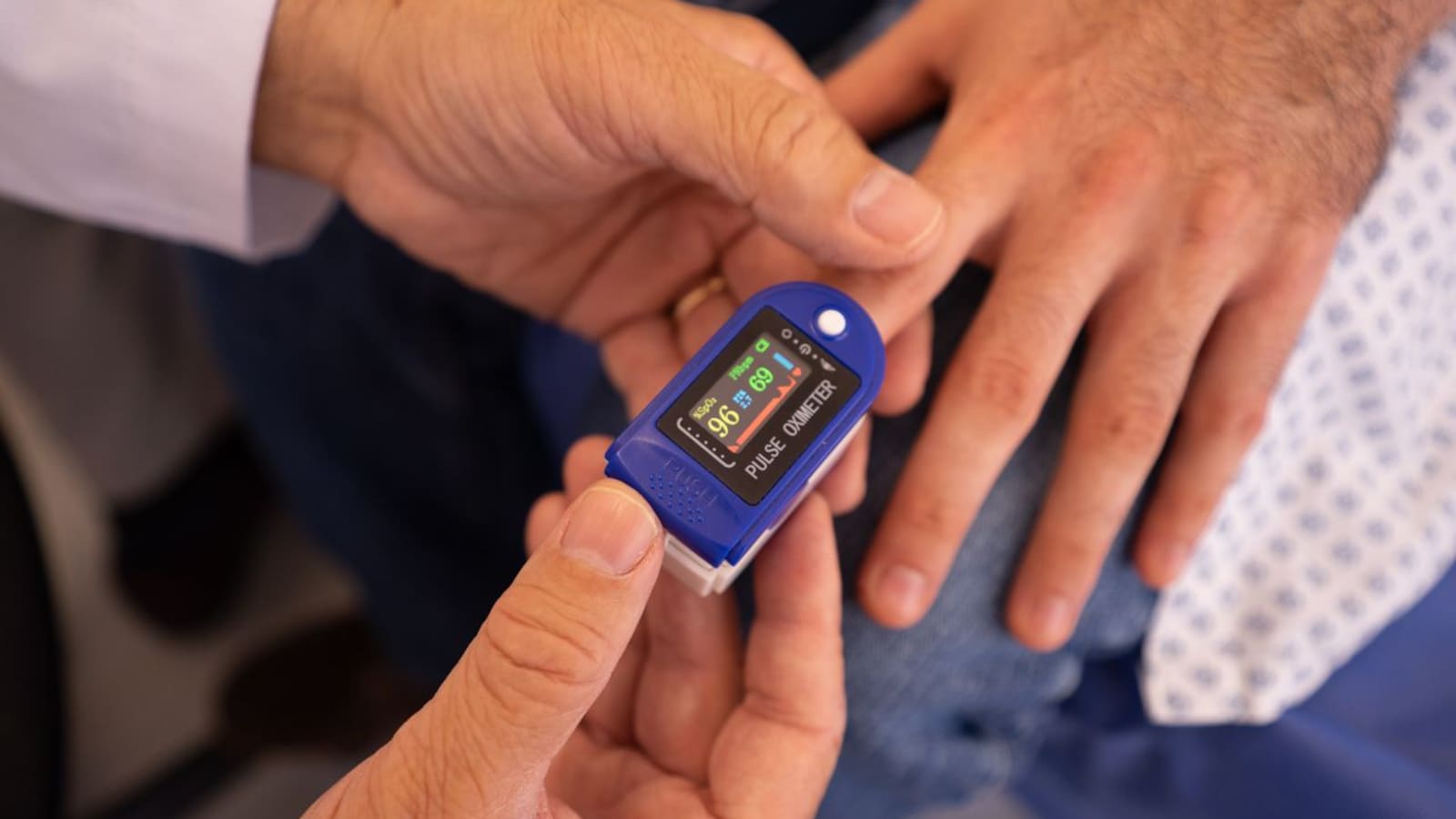
A pulse oximeter can help check oxygen, but one unusual reading should be checked properly.
People should not start oxygen, antibiotics or steroids without medical advice.
Doctors say people with worsening symptoms should seek care quickly, especially if they are older or have other health problems.

Delhi recorded 1,449 H1N1 cases through August 12, 2026, compared with 229 during the same period last year.
Doctors say most H1N1 patients recover with supportive care, but some develop pneumonia and serious breathing complications.
Warning signs include worsening breathlessness, low oxygen saturation, chest pain, blue lips, confusion and rapid breathing.
India’s seasonal influenza protocol recommends oxygen therapy for respiratory distress with oxygen saturation below 90%.
Older adults, young children, pregnant women and people with chronic illnesses face higher risks of severe influenza.
- Who
- People with H1N1 in Delhi-NCR, including higher-risk groups, and the doctors treating them.
- What
- Doctors are warning that rising H1N1 infections can sometimes lead to pneumonia, low oxygen and serious breathing complications.
- Where
- Delhi-NCR, including hospitals such as Ram Manohar Lohia Hospital and Safdarjung Hospital.
- When
- Delhi reported 1,449 cases through August 12, 2026; the cases and warnings concern the current flu season.
- Why
- Influenza can progress from an uncomplicated respiratory infection to lower-respiratory-tract disease that interferes with oxygen exchange.
Urgent medical assessment
Reassurance and supportive care
Meaning of breathing symptoms
Urgent medical assessment
Doctors and the World Health Organization identify worsening breathlessness, hypoxia, rapid breathing, chest pain and blue lips as signs requiring urgent medical review.
Reassurance and supportive care
Doctors stress that not every cough, fever or mild episode of breathlessness means severe H1N1, and most patients recover with supportive care.
Use of oxygen
Urgent medical assessment
Oxygen or ventilatory support may be needed when low oxygen is accompanied by respiratory distress or severe lung disease.
Reassurance and supportive care
People should not self-administer oxygen based only on a single pulse-oximeter reading; readings can be affected by cold fingers, movement, poor circulation or incorrect positioning.
Key facts
- Delhi H1N1 cases
- 1,449 cases through August 12, 2026
- Comparison with last year
- 229 cases were reported during the same period last year
- Oxygen threshold
- India’s seasonal influenza protocol recommends oxygen therapy for respiratory distress with oxygen saturation below 90%
- Serious complications
- Pneumonia, acute respiratory distress syndrome, sepsis and respiratory failure
- Emergency signs
- Breathlessness at rest, rapidly worsening breathing, chest pain, blue or pale lips, confusion and severe drowsiness
- Higher-risk groups
- Older adults, young children, pregnant women and people with asthma, chronic lung or heart disease, diabetes or weakened immunity
- Treatment caution
- Oxygen should be administered under qualified medical supervision; antibiotics do not treat the H1N1 virus itself
Quotes
Dr Manoj Kumar Goel
Principal Director and Unit Head of Pulmonology and Sleep Medicine at Fortis Memorial Research Institute, Gurgaon
“Low oxygen saturation levels, inability to speak and walk, pale bluish lips, extreme drowsiness, and confusion signifies a serious urgency and requires immediate intervention.”
 NDTV
NDTV
“A serious case of this could cause pneumonia thereby impeding gas exchange, an adequate transmission of oxygen to the bloodstream from the lungs.”
NDTV
Sources
Related news
Delhi-NCR H1N1 Cases Surge as Officials Review Preparedness

Delhi records nearly six-fold rise in H1N1 cases in 2026
Delhi reports six-fold rise in H1N1 flu cases, experts warn

H1N1 Cases Surge as Breathing Problems Raise Health Alarms
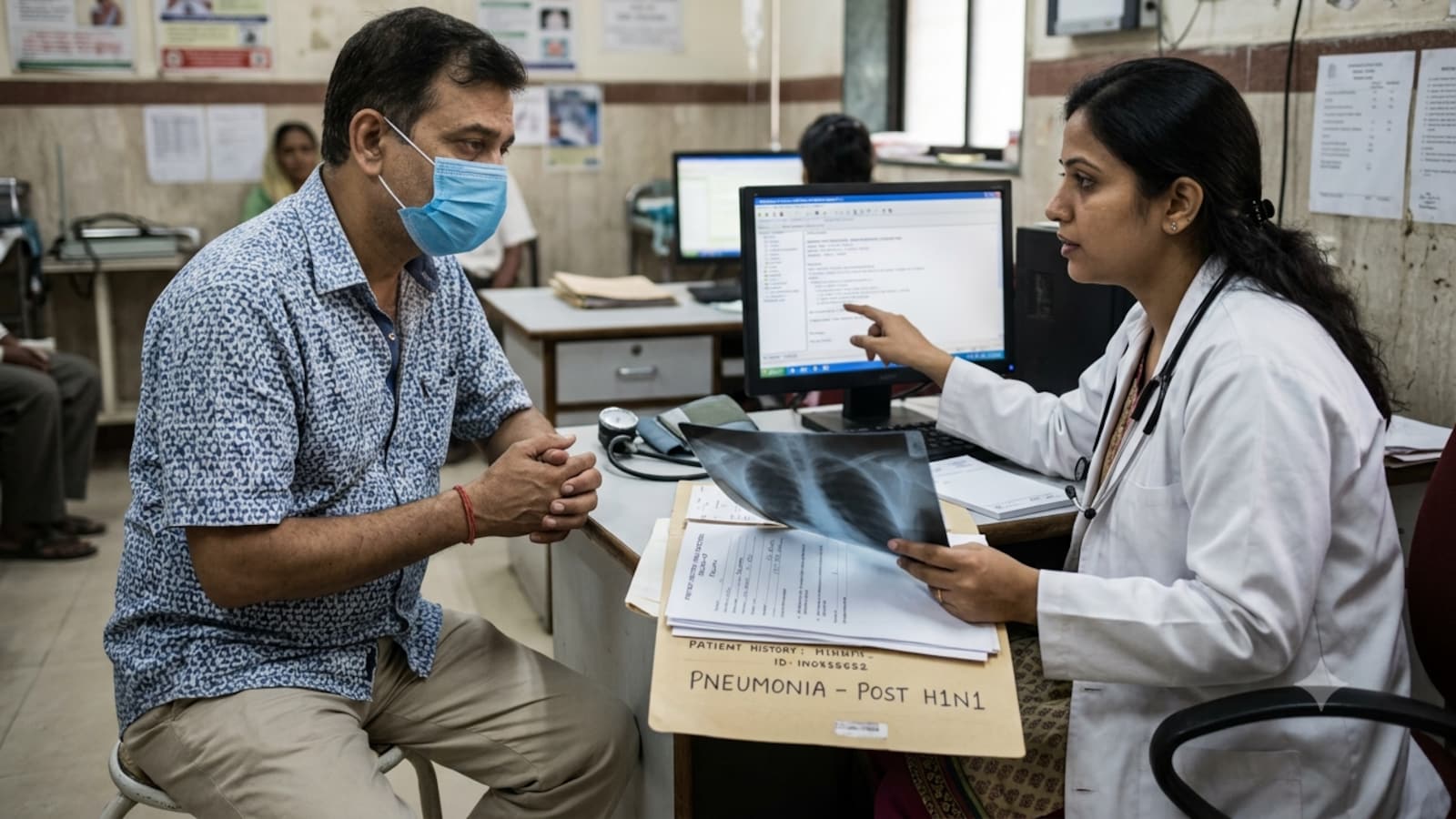
H1N1 Can Cause Pneumonia: Warning Signs To Know

Emraan Hashmi Tests Positive For H1N1 Amid Health Warnings

New Hangout Sitcoms Turn Friendship FOMO Into Streaming Appeal

Chinese Workers Fight Office Ageing With Parasols And Sunscreen

India Sends Fifth Aid Tranche as Nepal Flood Toll Climbs

Dyson Launches $499 CameraJet AI Toothbrush With Jet Flossing

PlatinumRx remotely helps families save on recurring medicines