

1 day ago
Village-Scale Biochar Could Make Punjab’s Parali More Valuable
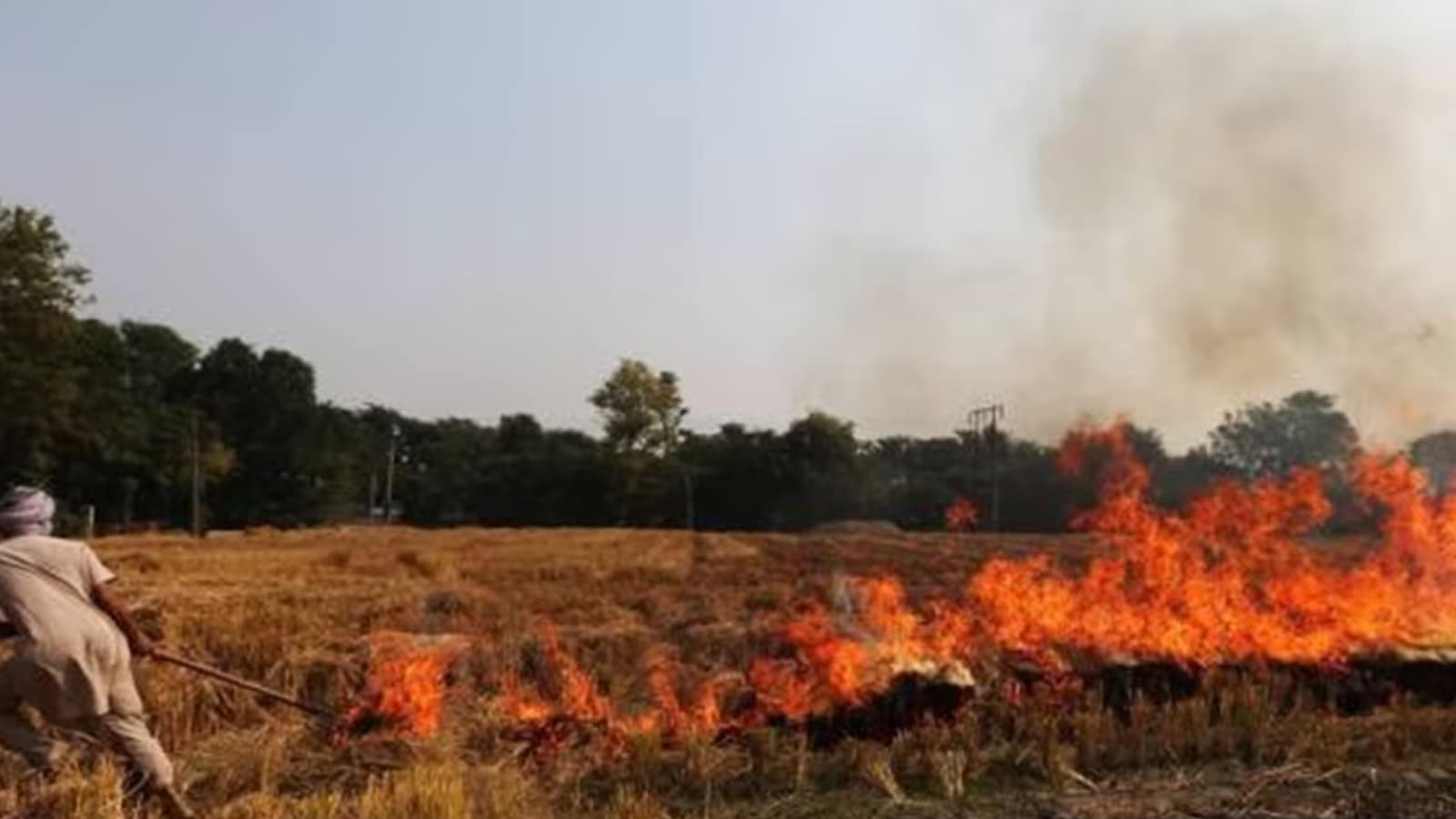
After farmers harvest rice, they have a lot of leftover straw called parali.
Some farmers burn it because burning is quick and other options can cost money.
But parali is becoming valuable because power plants, biogas companies and pellet makers want it.
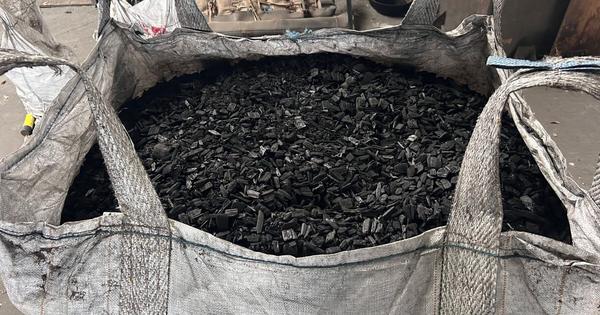
One possible use is turning the straw into biochar.
Biochar is a charcoal-like material that can help soil hold water and use nutrients better.
It can also keep some carbon in the soil for a long time.
The article suggests building small processing units close to villages instead of transporting straw far away.
This could help farmers earn more and make burning less attractive.

Punjab’s paddy straw, or parali, can now fetch about Rs 1.5-2 per kg in some areas.
Biochar made from parali could improve soil water retention and nutrient-use efficiency while storing carbon.
Transporting bulky straw over long distances can reduce its economic value before wheat sowing.
Village-scale processing could keep more value near farmers and reduce dependence on distant facilities.
The proposed model would involve technology providers, local institutions, government support and farmer collection points.
- Who
- Farmers, technology providers, local institutions, governments and markets involved in handling Punjab’s paddy residue.
- What
- The article proposes village-scale biochar processing to create more value from parali near farms.
- Where
- Punjab villages and farming areas, with Delhi affected by the seasonal farm-fire debate.
- When
- The issue becomes especially urgent in the weeks before wheat sowing, when Delhi again monitors Punjab’s farm fires.
- Why
- Bulky straw is costly to collect, store and transport, while local processing could retain more value for farmers and reduce incentives to burn it.
Key facts
- Current straw value
- Parali can fetch around Rs 1.5-2 per kg in parts of Punjab.
- Biochar yield
- About 100 kg of dry parali can produce roughly 30 kg of biochar.
- Biochar benefit
- It may improve soil water retention and nutrient-use efficiency while locking away carbon.
- Agricultural context
- Punjab’s rice-wheat system faces declining soil quality, intensive fertiliser use and groundwater depletion.
- Main logistical challenge
- Straw must be collected, baled, stored and transported during the narrow period before wheat sowing.
- Proposed operating model
- A technology provider would initially install and operate village units, train operators and later transfer the asset and skills to a local institution.
- Potential local partners
- Farmer-producer organisations, self-help groups, cooperatives and other credible local institutions could manage the units.
Sources
Related news
Biochar Project Turns Invasive Kachchh Trees Into Carbon Credits

Palvancha enterprise blends organic farming, forest produce processing

One Woman's Idea Gives 368 Gujarat Families Cleaner Cooking, Earnings

Punjab Gets Bamboo Diversification Push With Rs 2.49 Crore

Cow Urine Becomes Rural Business Opportunity in Uttar Pradesh
Bengal Urged to Make Rice Farming Climate Smart
