

1 week ago
US Imposes 50% Tariffs on Canada After Talks Fail
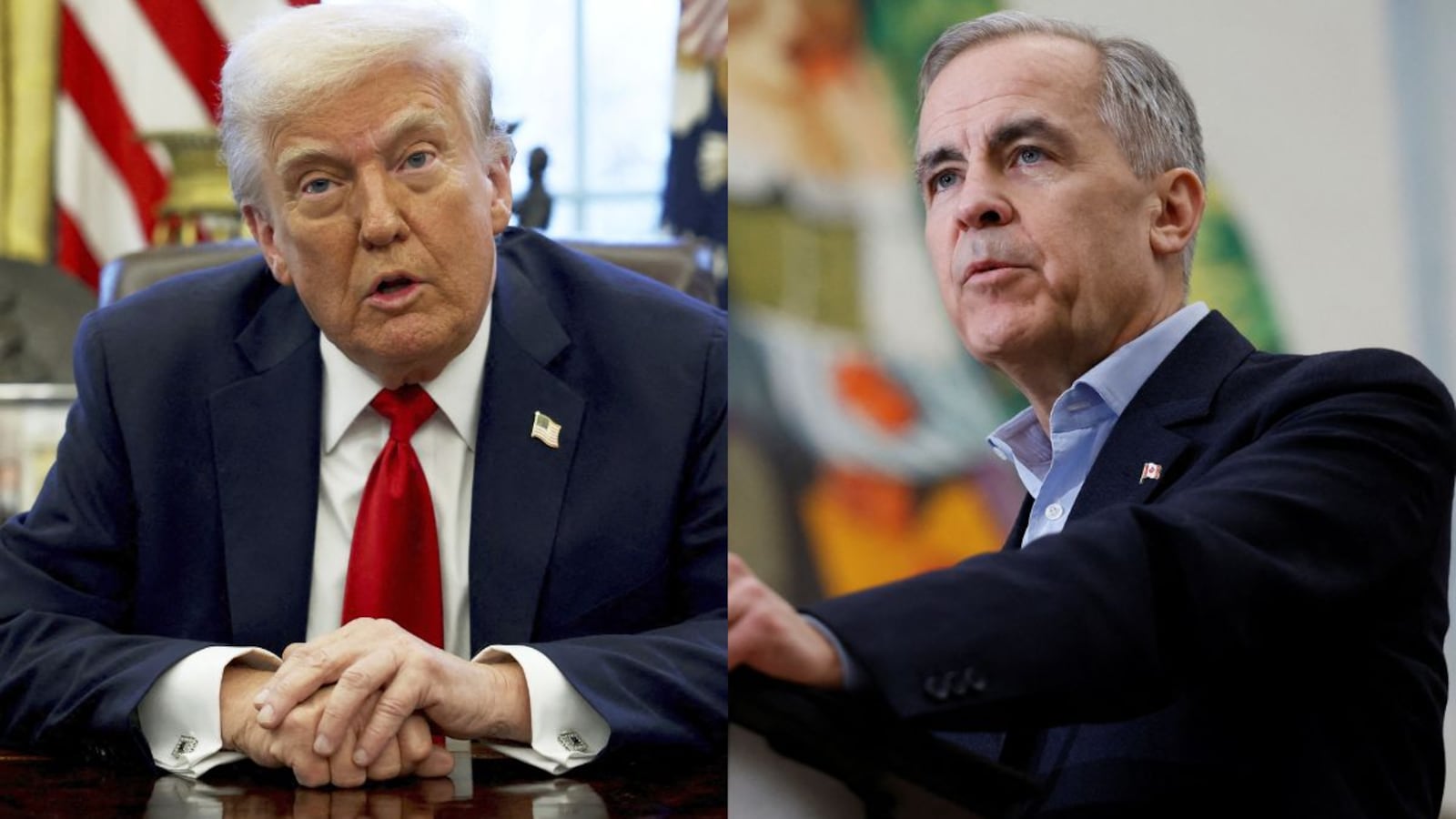
The United States and Canada tried to reach a new trade agreement but could not agree.
The United States then imposed a 50% tax on some Canadian products.
The affected goods are worth about $20 billion.
They include items such as hockey sticks and tongue depressors.
Canada said it would place matching taxes on American goods.
The United States said Canada changed its demands and backed away from earlier promises.
Canada said the United States changed its terms at the last minute in an unfair way.
The disagreement could make some products more expensive and hurt businesses in both countries.

The United States imposed 50% tariffs on $20 billion worth of Canadian products early Saturday after negotiations failed.
The duties affect about 5% of Canada’s annual exports to the United States, including hockey sticks and tongue depressors.
Prime Minister Mark Carney said Canada would match the tariffs dollar for dollar and provide additional support for workers and businesses.
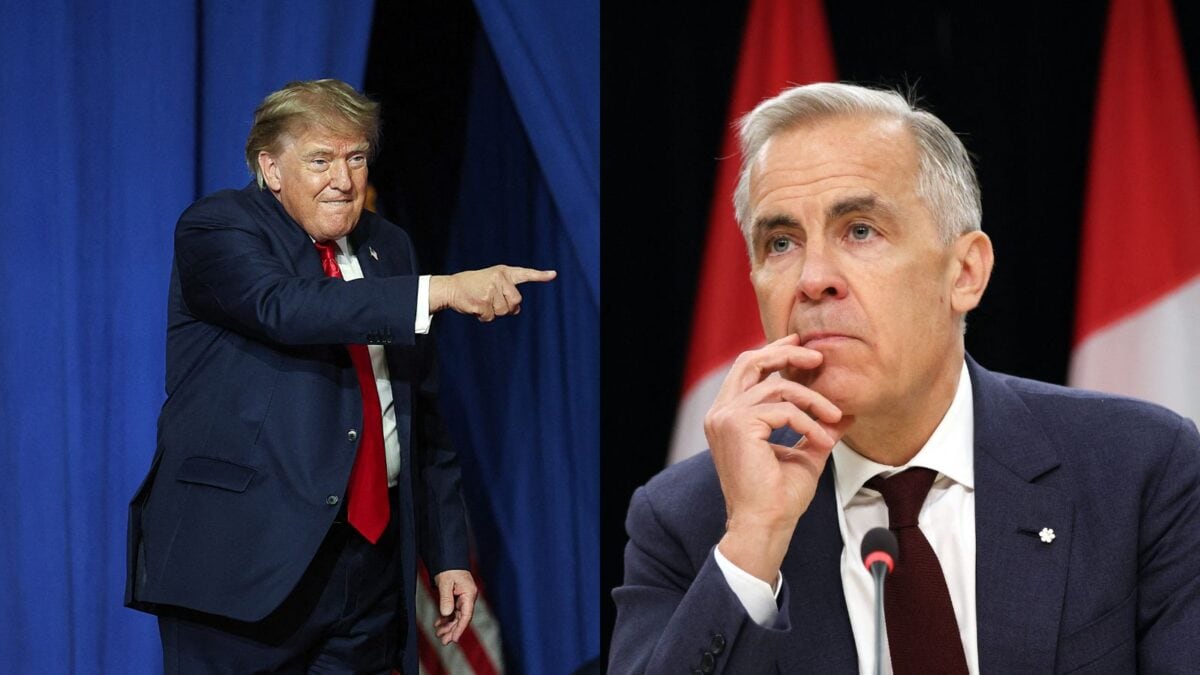
US Trade Representative Jamieson Greer blamed Canada for making new demands and reversing commitments, while Carney called Washington’s late changes unfair and uneconomic.
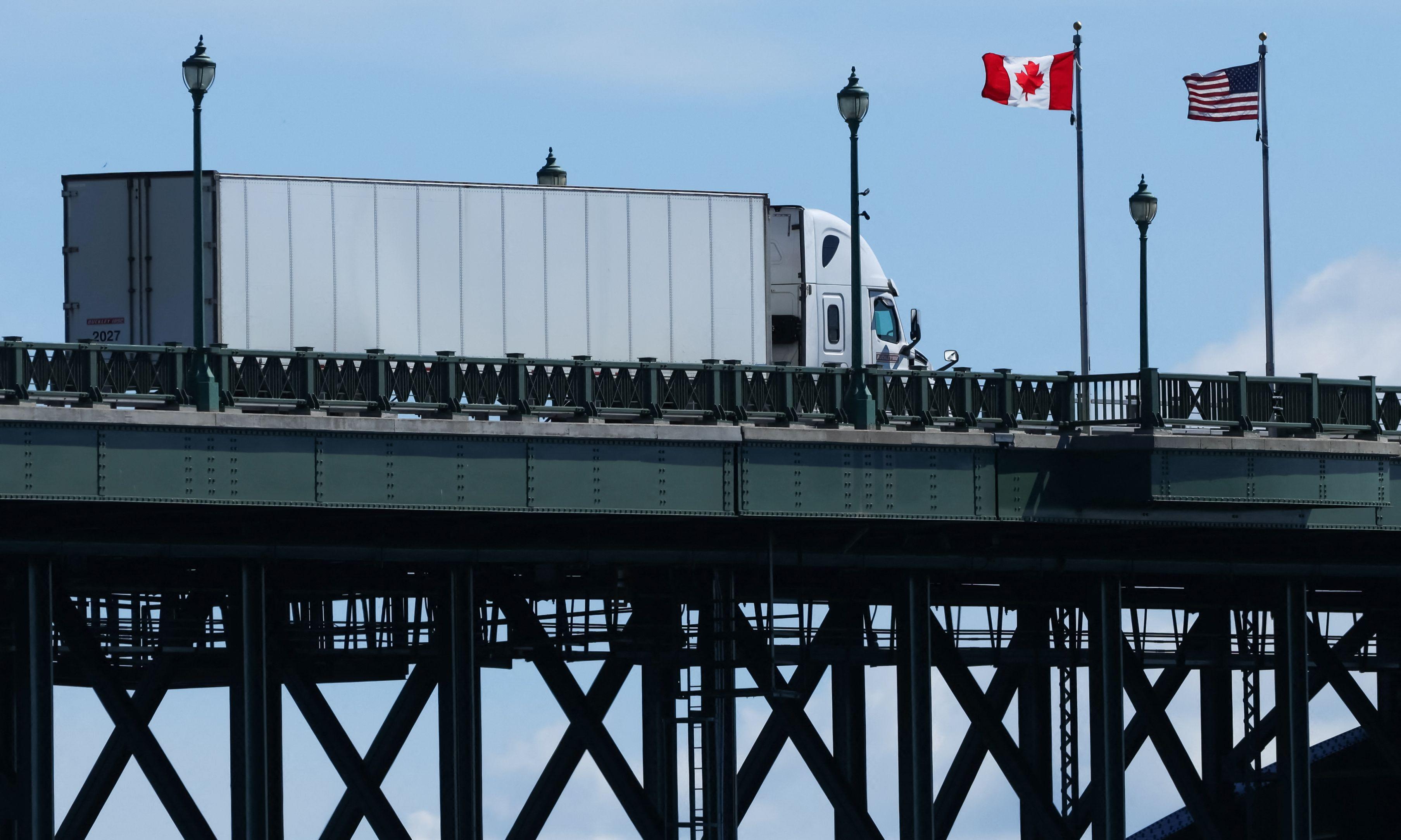
The dispute threatens a bilateral trade relationship worth $880 billion annually and could complicate efforts to renew the USMCA.
- Who
- The governments of the United States and Canada, including President Donald Trump, Prime Minister Mark Carney, and US Trade Representative Jamieson Greer.
- What
- The United States imposed 50% tariffs on $20 billion of Canadian goods, and Canada said it would retaliate at the same rate after trade talks failed.
- Where
- The measures affect trade between the United States and Canada.
- When
- Early Saturday, August 22, 2026, after the original Wednesday deadline was extended by three days.
- Why
- The countries disagreed over tariff relief and sector-specific issues involving steel, aluminum, autos, lumber, and access to Canada’s protected dairy market.
United States Position
Canadian Position
Responsibility for the failed talks
United States Position
Jamieson Greer said Canada declined to finalize the agreement, made new demands, and reversed earlier commitments.
Canadian Position
Mark Carney said last-minute changes in the US proposal were unfair, uneconomic, and undermined confidence in any agreement.
Purpose and effect of the tariffs
United States Position
Greer described the US offer as forward-looking and said it included an economic and national security partnership; the Trump administration has also linked tariffs to bringing manufacturing back to the United States.
Canadian Position
Canadian business representatives said the tariffs threaten Canadian customers, investment, small businesses, and North American competitiveness while raising costs for Americans.
Retaliation and future negotiations
United States Position
The US trade representative said publicly that retaliation would not be tolerated.
Canadian Position
Canada said it would retaliate dollar for dollar, and reports said no further talks had been planned; analysts warned that both sides’ public commitments could make de-escalation harder.
Key facts
- Tariff rate
- 50% on affected Canadian products
- Value of affected goods
- $20 billion
- Share of Canadian exports affected
- About 5% of Canada’s annual exports to the United States
- Annual bilateral trade
- $880 billion in goods and services last year
- Canada’s response
- Mark Carney said Canada would match the tariffs dollar for dollar
- Original tariff deadline
- 12:01 a.m. Wednesday; the deadline was extended by three days
- Canada’s export dependence
- Nearly 72% of Canada’s goods exports went to the United States last year
Quotes
Barry Appleton
Senior fellow at the Center for International Law at New York Law School
“Tonight, Canada declined to finalize the trade deal under the terms agreed earlier this week. Despite the U.S. offer to Canada to receive the best treatment of any major exporter to our market, new demands and walk backs of other commitments by Canada have upended the careful balance reached in the past days.”
 news18.com
“Last-minute changes in the U.S. proposed terms were unfair, uneconomic, and called into question the reliability of any deal.”
 NDTV
NDTV
 deccanchronicle.com
news18.com
deccanchronicle.com
news18.com
Ryan Majerus
Trade lawyer and former U.S. trade official
“Canada likely wanted further sector-specific relief than the U.S. was willing to offer, or Canada’s concessions did not go far enough.”
deccanchronicle.com
Sources

Related news
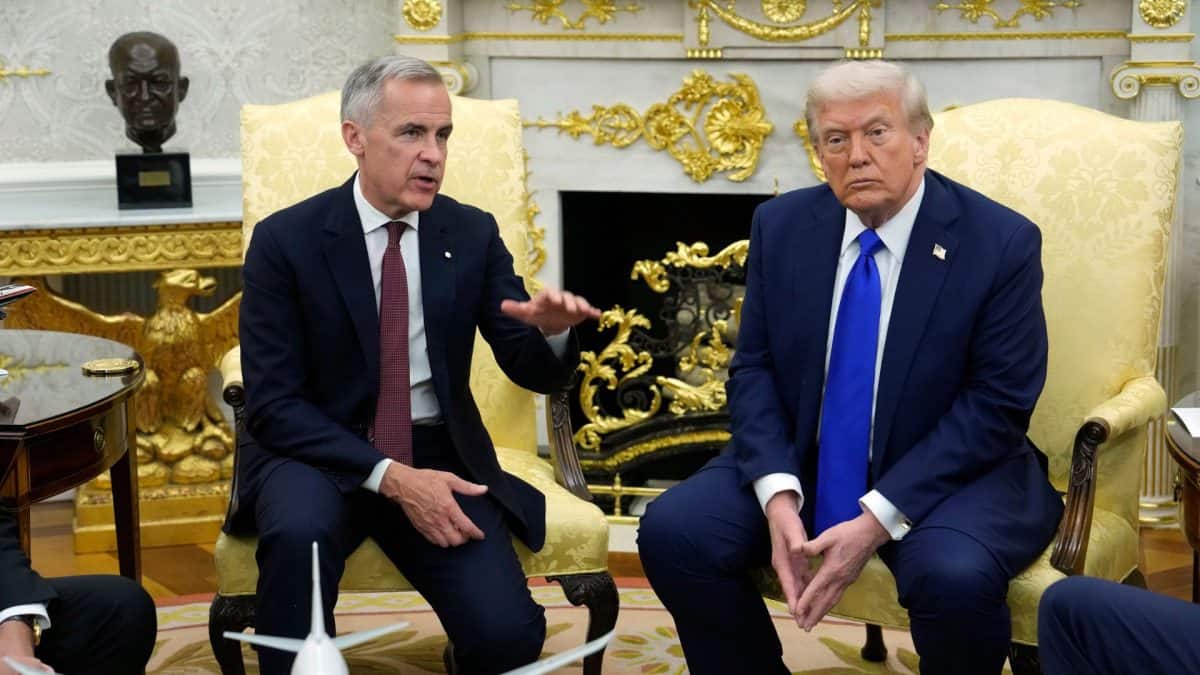
US-Canada Trade Talks Collapse as 50% Tariffs Take Effect

US-Canada Trade Talks Collapse as Tariffs Trigger Retaliation
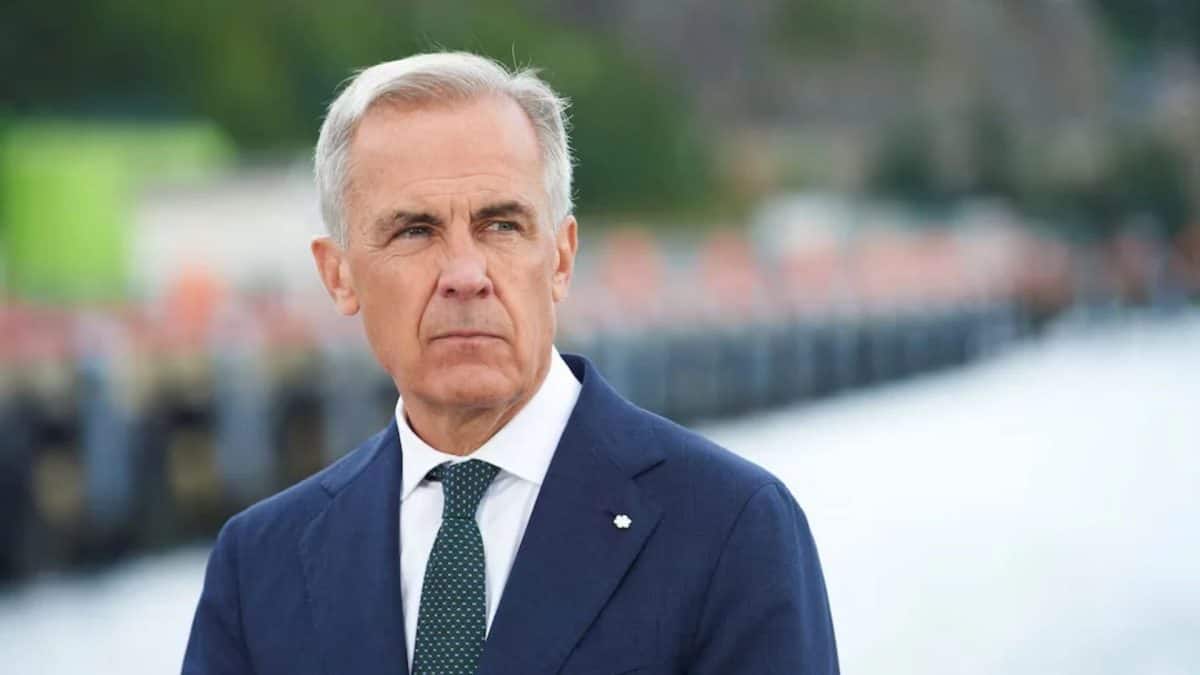
Canada Announces Dollar-for-Dollar Tariffs After US Trade Talks Collapse
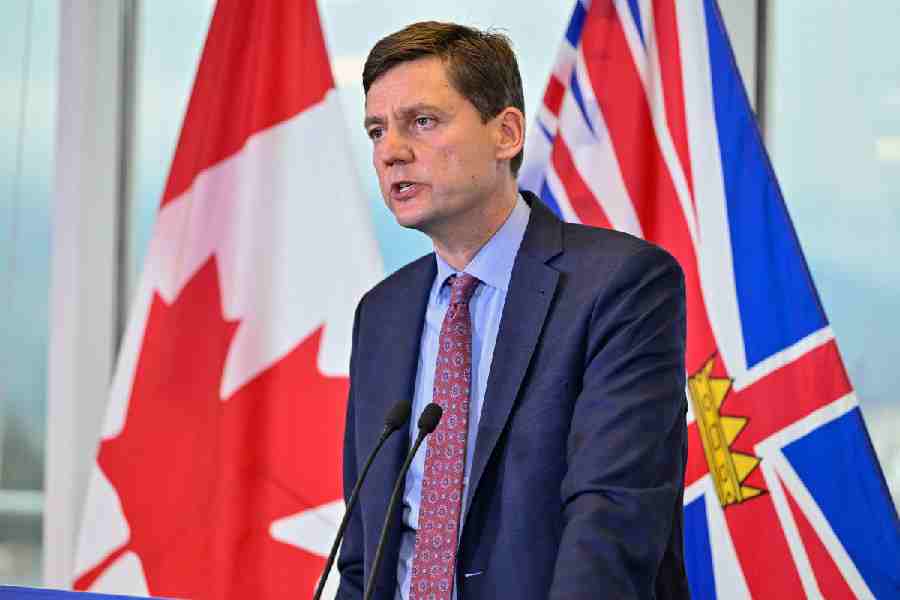
US-Canada Trade Deal Collapses Over Trucks, Culture and Tariffs

Canada-US Trade Talks Collapse as Tariffs Deepen Economic Rift
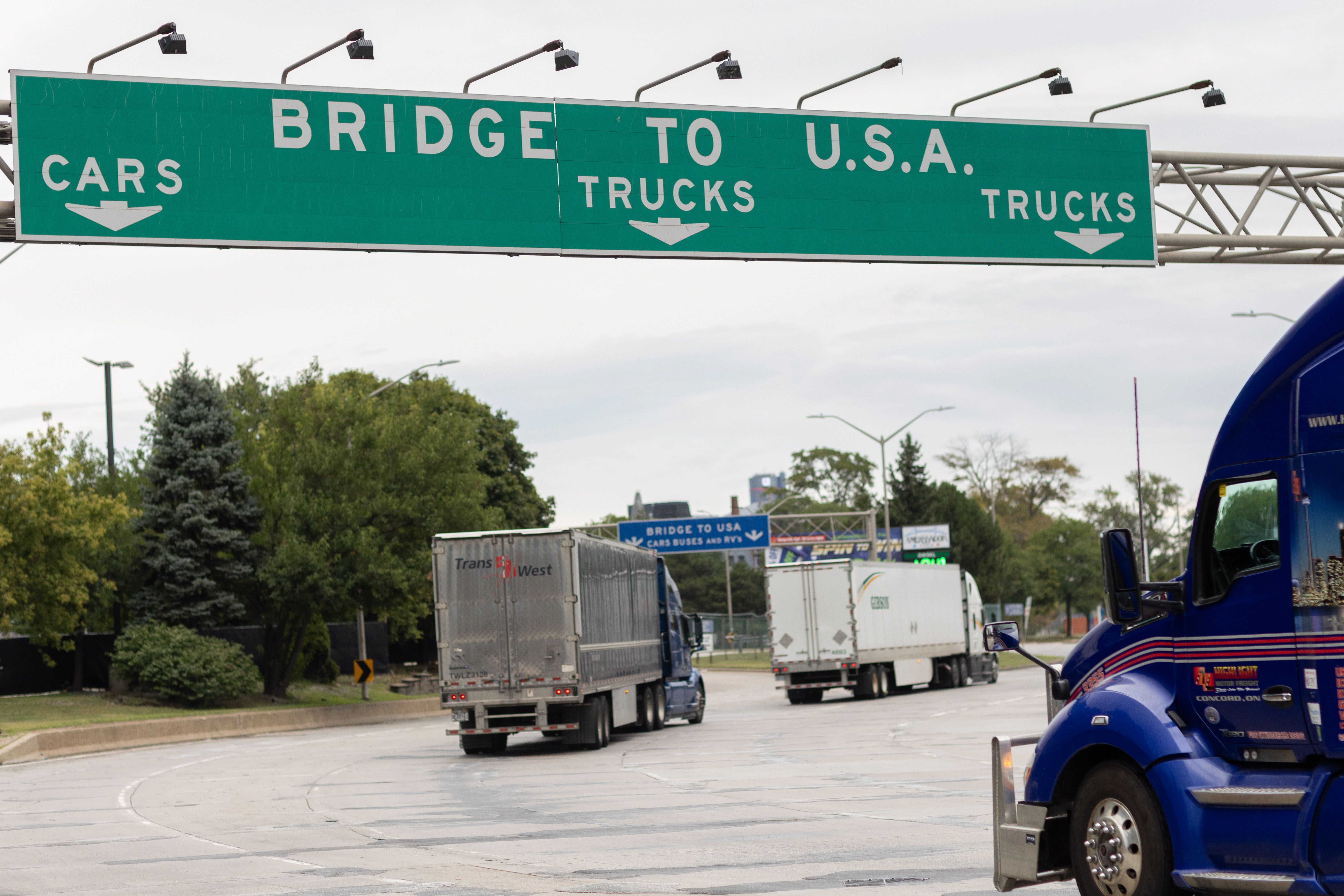
Canada Retaliates as Trade War with US Escalates
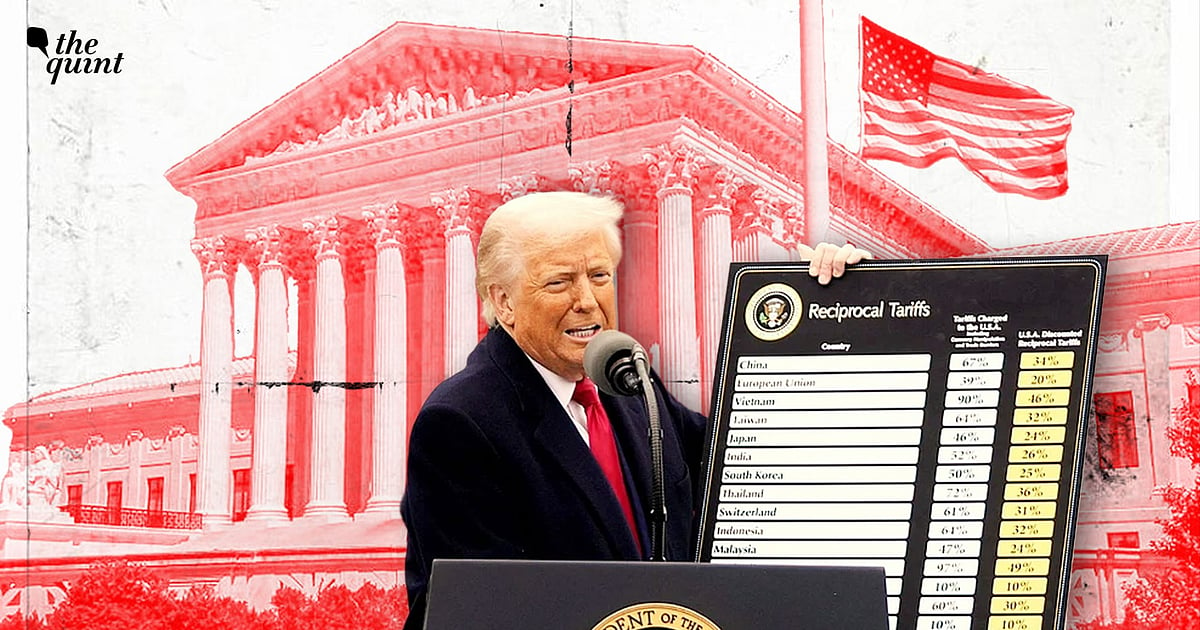
Canada Tariff Dispute Raises Wider Worry for New Delhi
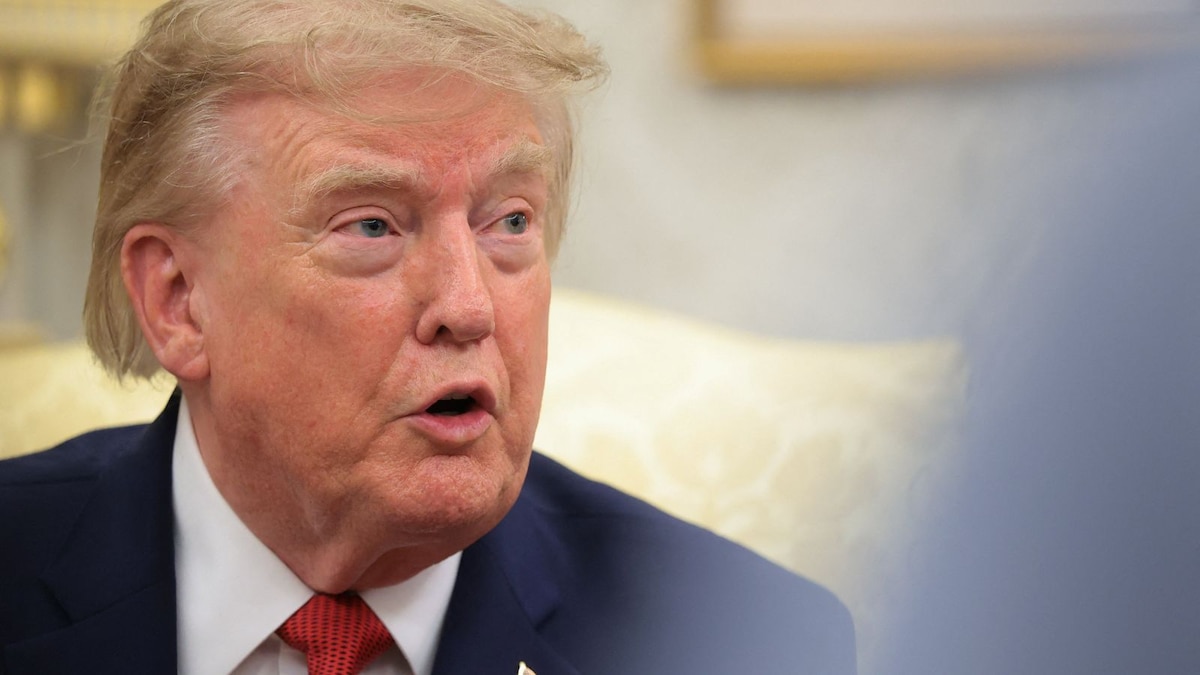
Cheese Name Dispute Becomes Stumbling Block in U.S.-Mexico Talks
Canada Rejects Unequal US Trade Deal Despite Economic Risks
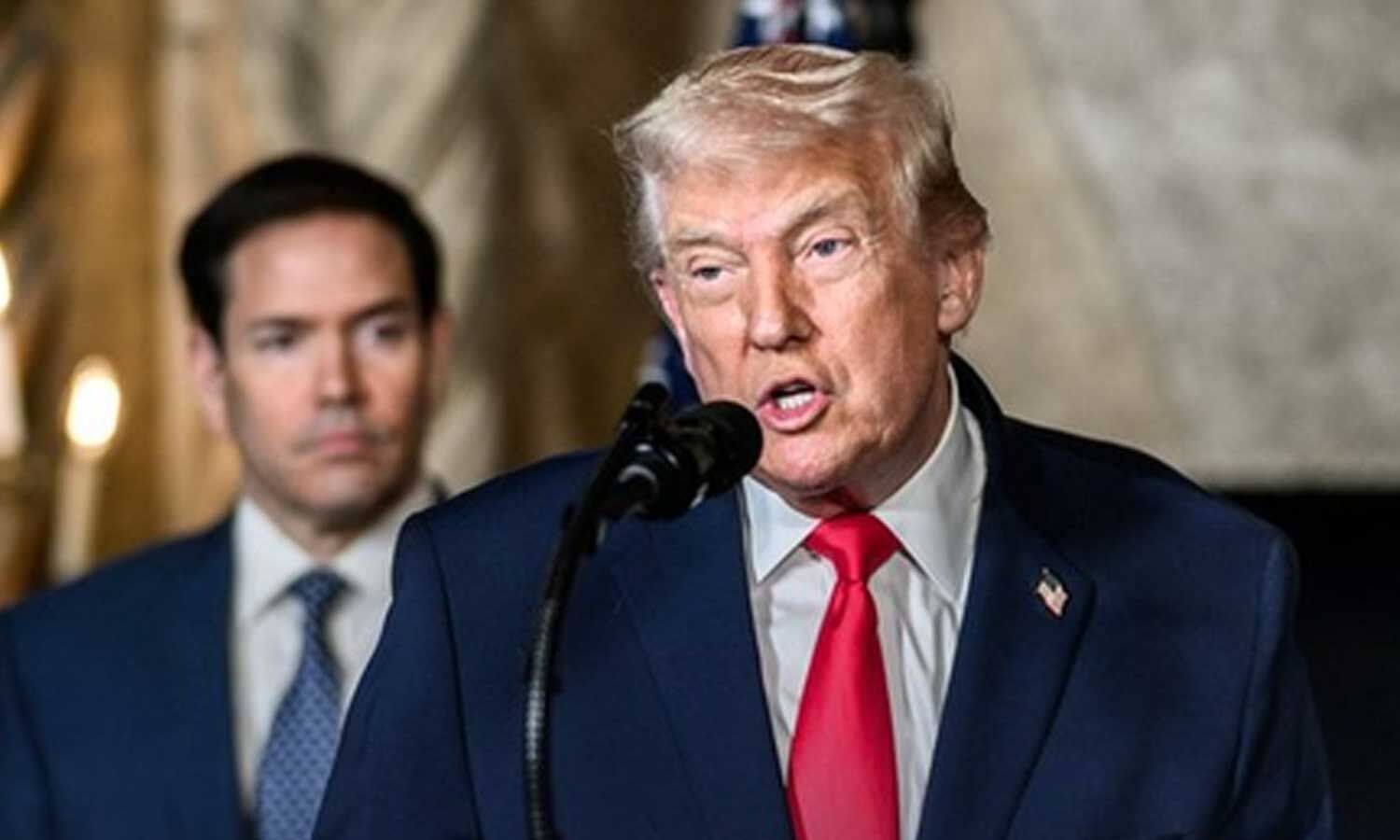
Trump Escalates Trade Confrontation as Canada Vows Tariff Retaliation

US-Canada Trade Collapse Offers India a Cautionary Lesson
