

1 week ago
Allahabad High Court Upholds Uniform, Rejects Student’s Hijab Plea

A student wanted to wear a headscarf with her school uniform.
She said she had worn one at the school for several years.
The school said everyone had to follow the same dress code.
The school believed exceptions could make the common uniform less meaningful.
The student argued that wearing the scarf was part of her freedom and religion.
The Allahabad High Court said a school can set a common uniform when it applies the rule fairly.
The judges also said that past permission did not guarantee permission forever.
They rejected the student’s petition and required her to follow the prescribed uniform.

The Allahabad High Court dismissed a minor student’s plea to wear a hijab with her prescribed school uniform.
The student said she had worn a scarf at the school since Class 6 without earlier objections.
The school argued that one dress code applied to all students and that exceptions could weaken discipline and institutional identity.
The court held that earlier permission or non-enforcement did not create a permanent right to continue wearing the scarf.
The Bench found no material establishing that wearing the scarf was an essential religious practice and said enforcing the uniform did not violate her rights.
- Who
- A minor student, the school, the State, and the Central Board of Secondary Education were involved; the case was decided by Justices JJ Munir and Indrajeet Shukla.
- What
- The Allahabad High Court rejected the student’s request to wear a hijab or scarf in addition to the school uniform.
- Where
- At a private unaided co-educational school in Prayagraj, with the case heard by the Allahabad High Court.
- When
- The dispute arose when the student sought admission to Class 11 after completing Class 10 at the same school.
- Why
- The court held that the school could enforce a uniform applied uniformly and found insufficient material to establish that wearing the scarf was an essential religious practice.
Student’s Arguments
School, State, and Court’s Position
Religious practice and personal rights
Student’s Arguments
The student argued that wearing the scarf was connected to her religious practice, freedom of expression, dignity, and bodily autonomy, and that preventing it violated her fundamental rights.
School, State, and Court’s Position
The court found that she had not provided religious texts or other material showing that wearing the scarf was an essential religious practice, and said adherence to the uniform did not curtail her freedom of faith.
Effect of earlier permission
Student’s Arguments
The student relied on her use of a scarf since Class 6 and submitted school identity cards and group photographs from Classes 8, 9, and 10.
School, State, and Court’s Position
The court held that earlier non-objection could have resulted from lax enforcement, inaction, hesitation, or courtesy and did not create a permanent right to an exception.
Uniform versus individual exception
Student’s Arguments
The student sought permission to add a headscarf to the uniform while continuing her education at the same school.
School, State, and Court’s Position
The school, State, and Central Board of Secondary Education argued that prescribing a uniform was school policy. The court said a common dress code supports discipline, equality, and institutional identity, and that individual additions could undermine its purpose.
Key facts
- Court
- Allahabad High Court
- Bench
- Justice JJ Munir and Justice Indrajeet Shukla
- Student’s request
- Permission to wear a headscarf with the prescribed school uniform
- Earlier practice
- The student said she had worn a scarf since Class 6 without objection
- School’s position
- The co-educational school followed one dress code for students from different communities
- Relevant constitutional claims
- Freedom of expression under Article 19(1)(a), along with rights claimed under Article 14
- Outcome
- The petition was dismissed
Sources

Related news
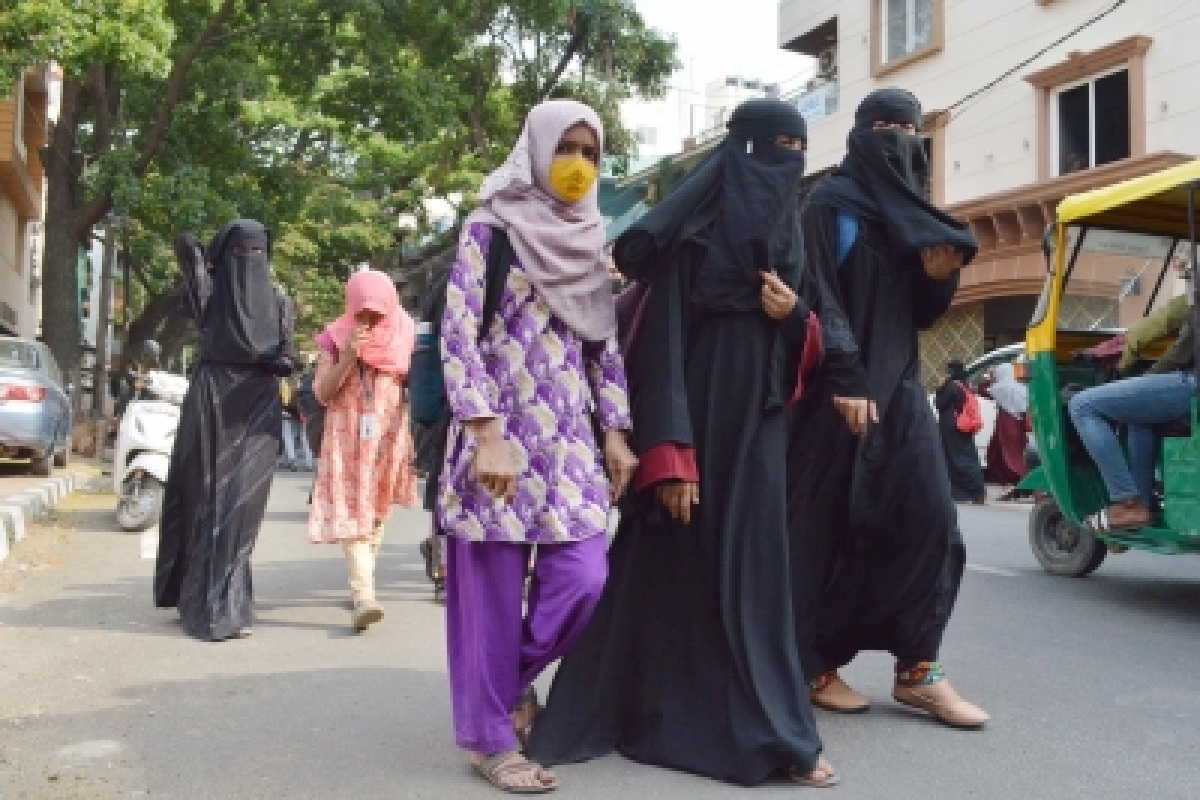
Allahabad High Court Hijab Verdict Intensifies School Dress-Code Debate
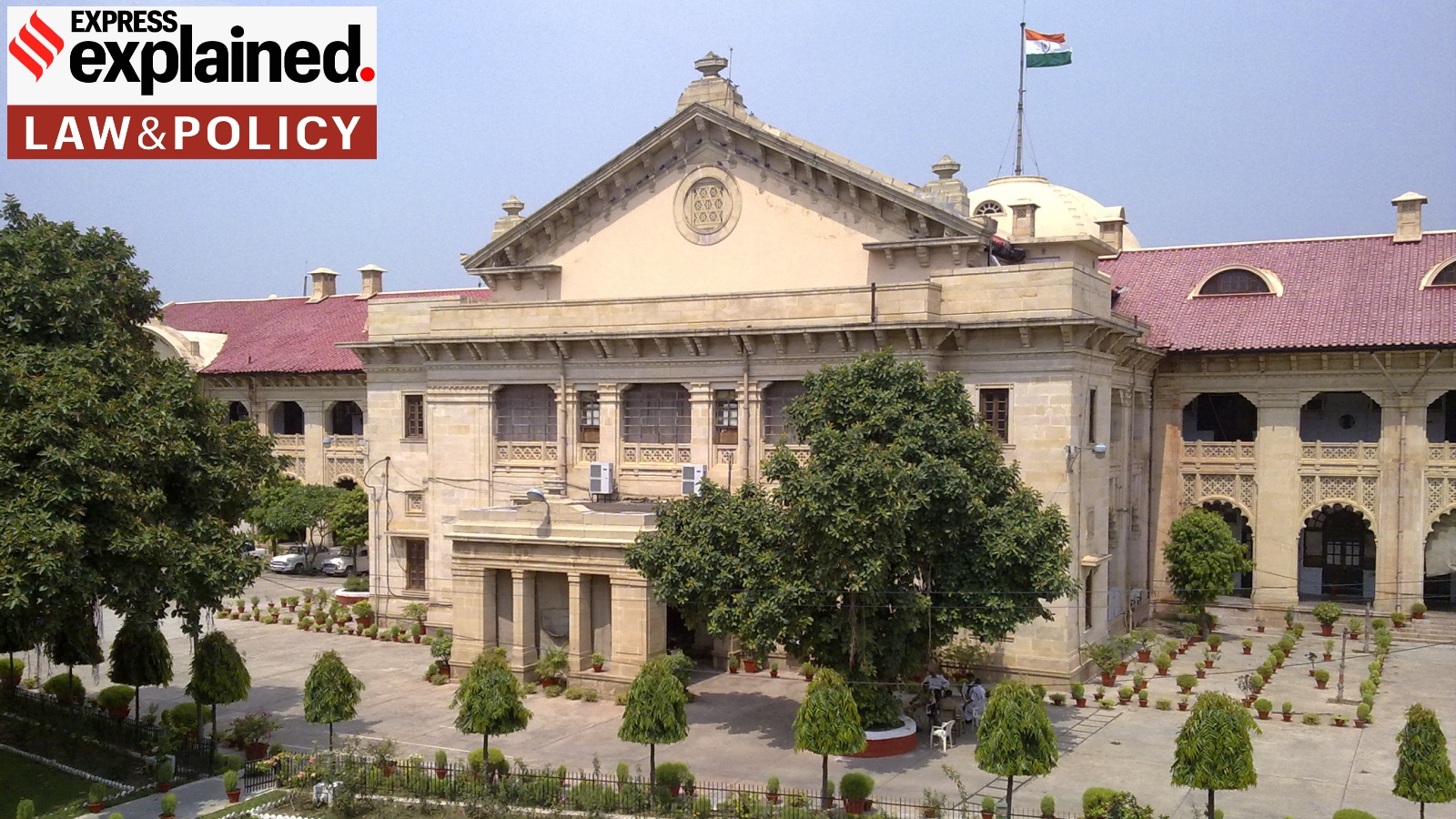
Allahabad HC Rejects Hijab Plea, Citing School Uniform Rules

Allahabad High Court Rejects Student’s Hijab Plea Over Uniform Rules

Muslim Clerics Urge Review of Allahabad High Court Hijab Ruling
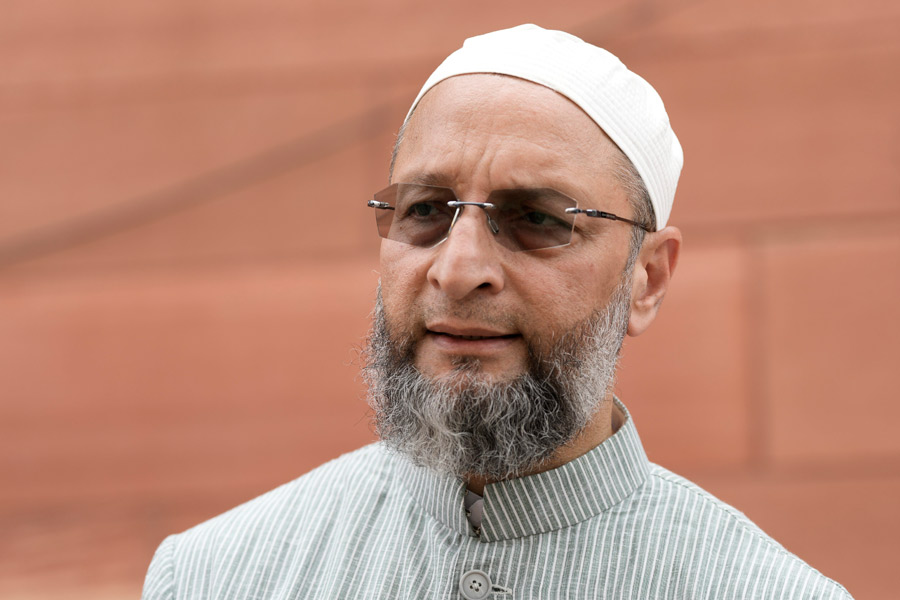
Owaisi Slams Allahabad High Court Hijab School Uniform Ruling
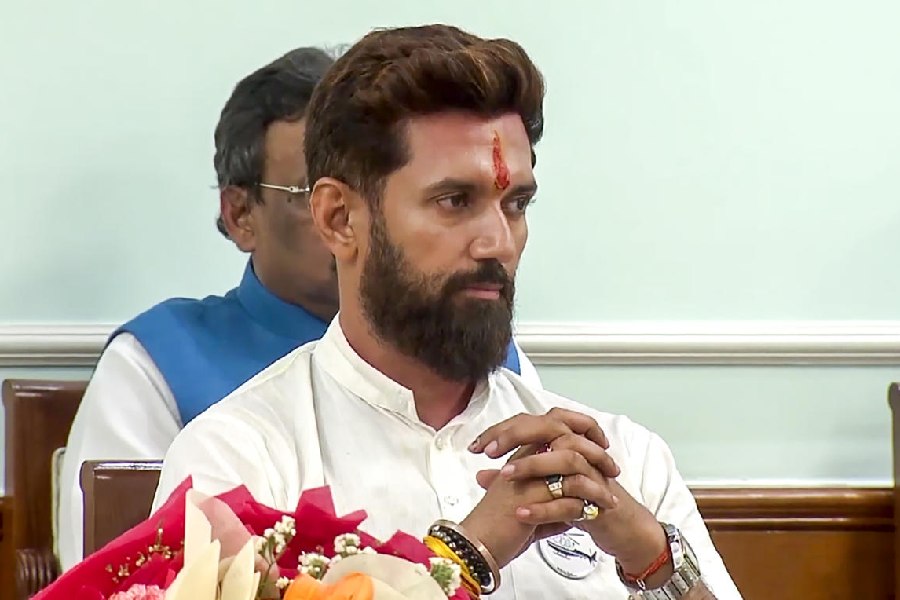
Leaders Divide After Allahabad High Court Dismisses Hijab Plea

Hijab Classroom Dispute Raises Wider Questions About Education Access
Former Judge Defends Dissent, Choice and Linguistic Pluralism

Mehbooba Mufti Questions Who Decides What Women Wear
Questioning Hijab Interpretations Does Not Mean Questioning Islam

Allahabad High Court Upholds Father's Custody Rights Unless Unfit
