5 days ago
Questioning Hijab Interpretations Does Not Mean Questioning Islam
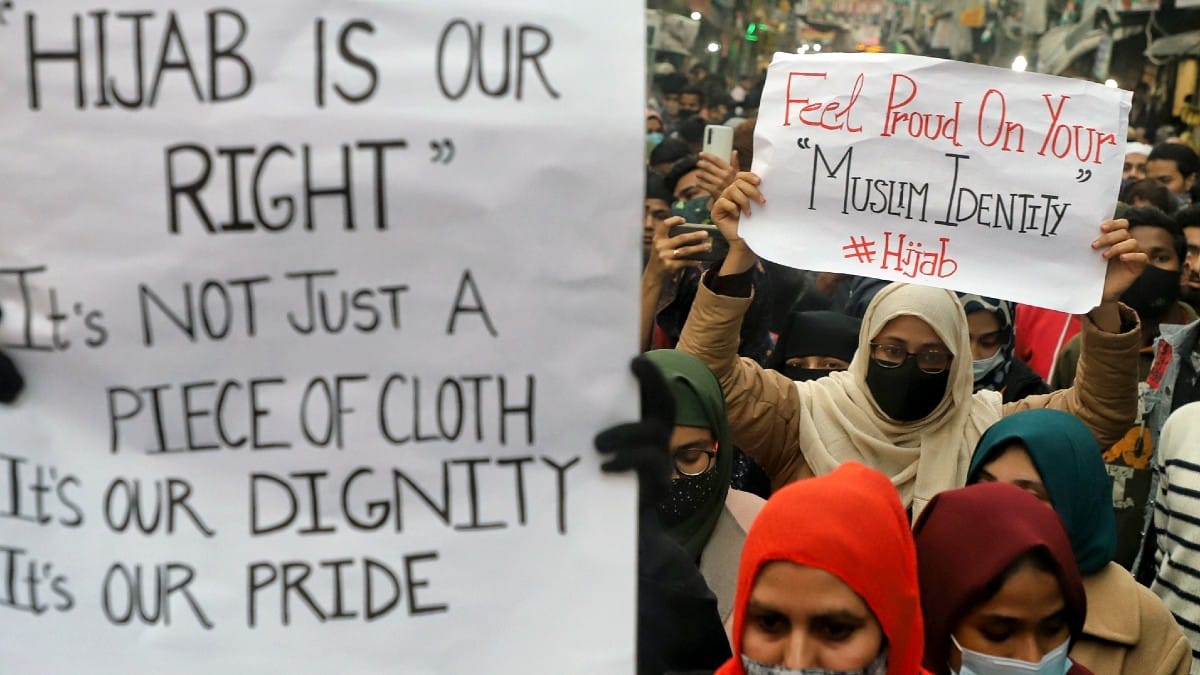
An Indian court said a student could not automatically wear a hijab at school just because she had worn one before.
The court also said she had not provided enough proof that wearing it was required by her religion.
Some people believe students should be allowed to wear religious clothing.
Others think schools may require one uniform so everyone is treated the same way.
The article says some girls may face family or community pressure to wear a hijab.
It also says other Muslim women are pressured or punished for not wearing one.
The writer believes modesty can involve behavior and character, not only clothing.
She argues that discussing different interpretations of hijab does not mean rejecting Islam.

The Allahabad High Court rejected a student’s challenge to her school’s dress code and hijab restriction.
The court said previously wearing a headscarf did not automatically create a right to continue doing so.
The judgment found her claim that hijab was religiously necessary to be a bare assertion without sufficient evidence.
The article contrasts Muslim women seeking the right to wear hijab with women resisting compulsory veiling in Iran.
It argues that questioning whether hijab is mandatory should not be treated as questioning Islam or Muslim faith.
- Who
- The Allahabad High Court, a Muslim student, and Muslim women with differing views about hijab.
- What
- The court rejected a challenge to a school dress code, while the article examines whether hijab is a religious obligation or a personal choice.
- Where
- The court case was in India; the broader discussion includes Iran, Afghanistan under the Taliban, and Muslim societies generally.
- When
- Recently; the article also refers to seventh-century Arabia and current debates in Iran and other Muslim societies.
- Why
- The dispute concerns religious freedom, personal autonomy, alleged religious necessity, and a school’s authority to enforce a uniform.
Religious-choice advocates
Uniform and institutional-autonomy advocates
Wearing religious clothing at school
Religious-choice advocates
Students should be allowed to wear hijab when it reflects genuine faith and personal choice.
Uniform and institutional-autonomy advocates
Schools may restrict hijab to maintain a neutral environment and apply the same uniform to all students.
Meaning of hijab
Religious-choice advocates
For women who follow a traditional interpretation, not wearing hijab can feel like committing a religious sin and failing to follow God’s requirements.
Uniform and institutional-autonomy advocates
Other interpretations hold that hijab is not an absolute obligation, and that modesty can be expressed through conduct and character as well as clothing.
Protection from pressure
Religious-choice advocates
Restricting hijab may prevent Muslim girls from freely practicing their religion and expressing their identity.
Uniform and institutional-autonomy advocates
A school can provide distance from family or community pressure and give girls space to develop their own identities.
Key facts
- Court
- Allahabad High Court
- Judges
- Indrajeet Shukla and JJ Munir
- Court’s finding
- The student’s claim that hijab was religiously necessary was described as a bare assertion lacking sufficient evidence.
- Constitutional issue
- The article discusses whether hijab qualifies as an essential religious practice under Article 25 of the Constitution.
- Religious text
- Surah An-Nur 24:31 is commonly cited in arguments that hijab is mandatory.
- Alternative interpretation
- One modernist reading says the verse asked women to cover their chests with clothing they already wore, rather than introducing a command to cover hair.
- Scholarly view cited
- Dr Saad al-Din al-Hilali is cited as viewing headscarf use as personal choice rather than an absolute religious obligation.
Quotes
Amana Begam Ansari
Columnist and writer discussing the emotional difficulty faced by Muslim women who regard hijab as religiously necessary
“Just take it off.”
 theprint.in
Sources
Related news

Allahabad High Court Rejects Student’s Hijab Plea Over Uniform Rules
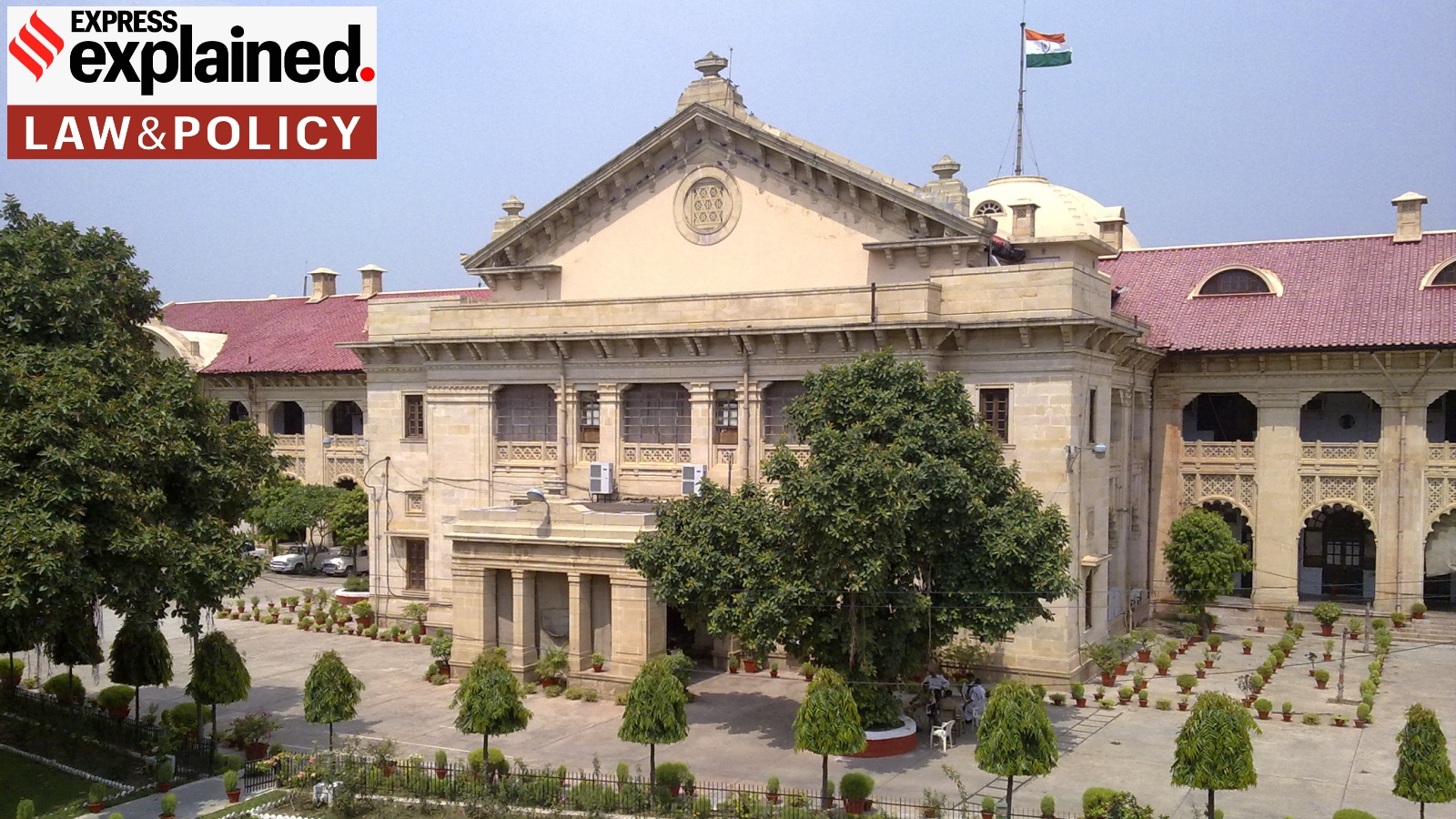
Allahabad HC Rejects Hijab Plea, Citing School Uniform Rules

Muslim Clerics Urge Review of Allahabad High Court Hijab Ruling
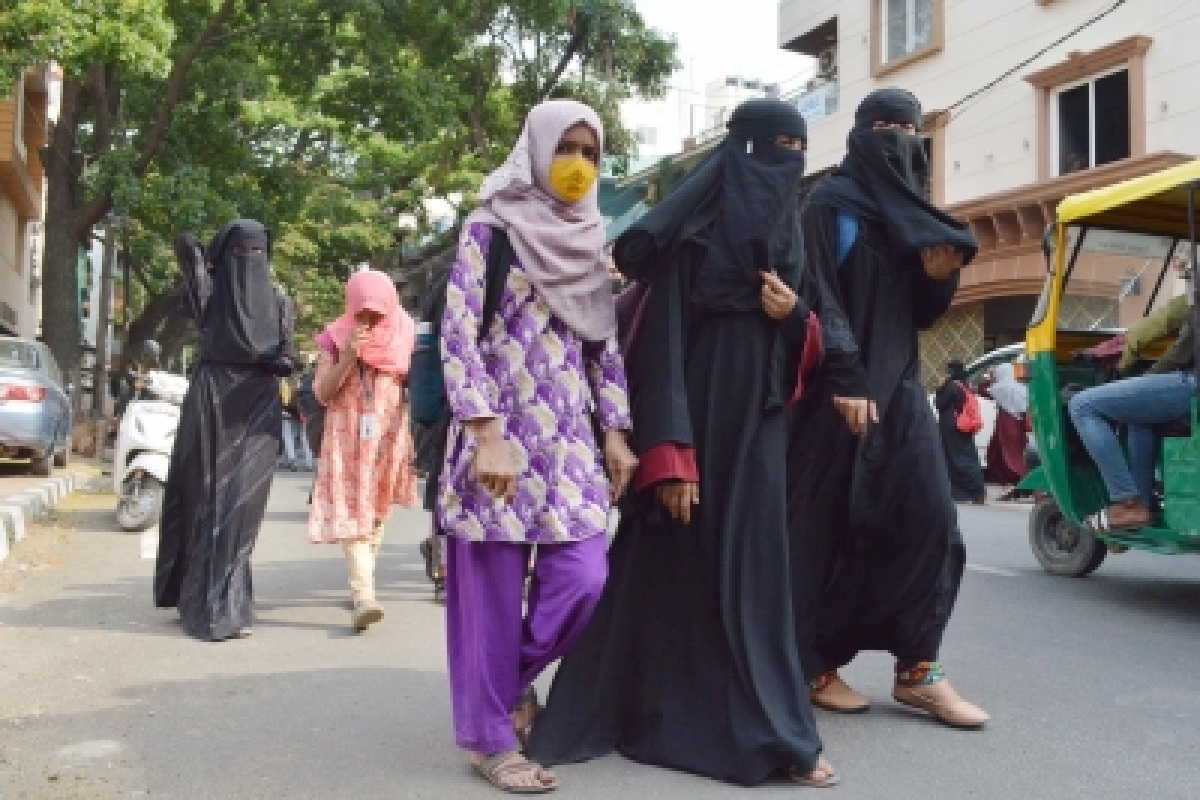
Allahabad High Court Hijab Verdict Intensifies School Dress-Code Debate

Owaisi Slams Allahabad High Court Hijab School Uniform Ruling

Leaders Divide After Allahabad High Court Dismisses Hijab Plea
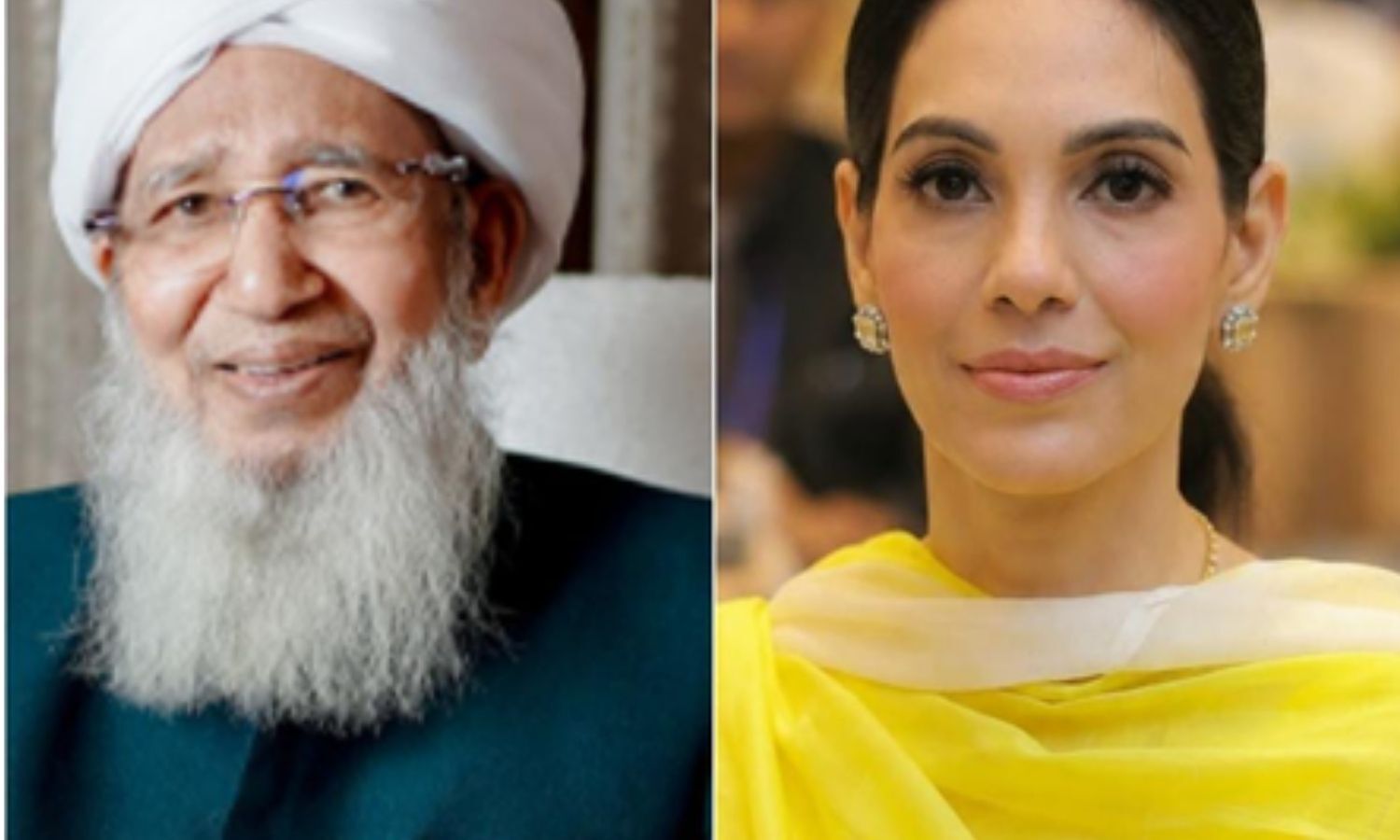
Grand Mufti’s Women-at-Home Remarks Trigger Sharp India Debate

Karnataka Minister’s Islam Remarks Spark BJP Demand for Sacking
Eid Milad-un-Nabi 2026: India Observes Prophet Muhammad’s Birth Anniversary
Indian mechanism marrying science and faith hollows out both