1 week ago
Allahabad High Court Rejects Student’s Hijab Plea Over Uniform Rules
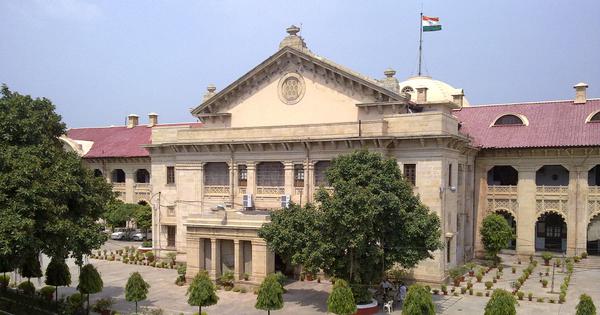
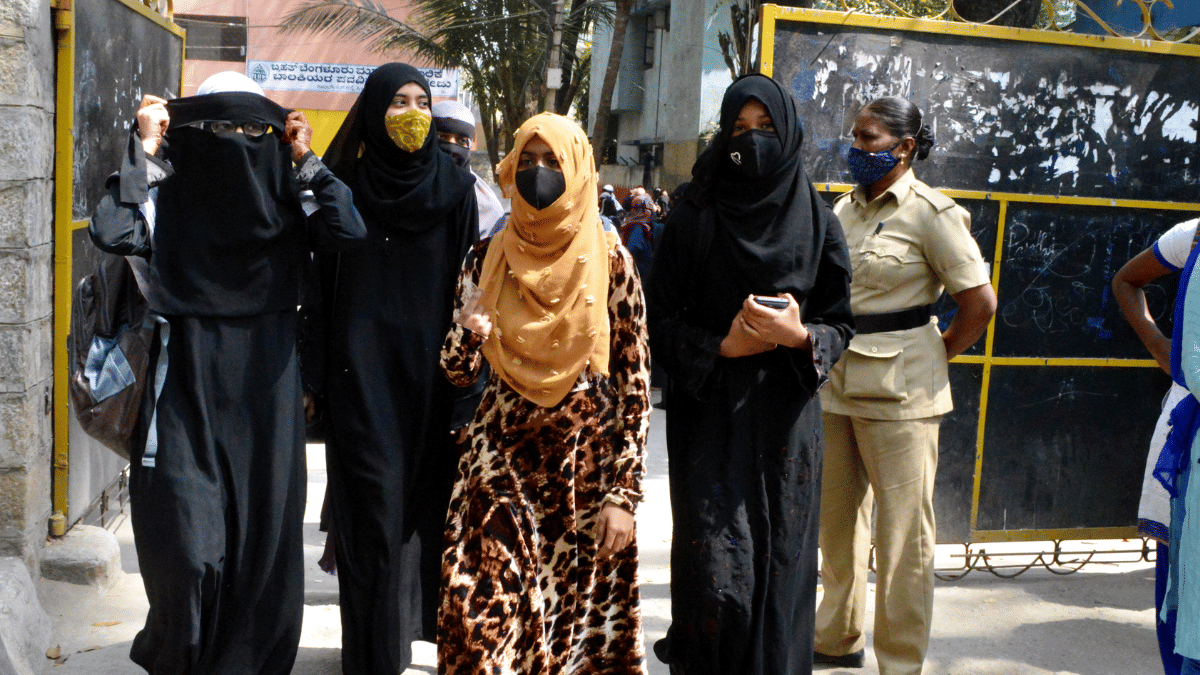
A Muslim student wanted to wear a hijab with her school uniform.
She said the school had allowed her to wear it from Class 6 but later did not admit her to Class 11.
She asked the Allahabad High Court to require the school to let her wear the headscarf.
The court rejected her request.
It said there was not enough evidence that wearing a hijab was an essential religious practice in Islam.
The court also said schools can create uniform rules to encourage discipline and treat students alike.
Supporters of the ruling say one uniform can help schools remain neutral and avoid divisions.
Critics say students should be able to follow their faith without losing access to education.
India’s Supreme Court has not yet made a final decision on the wider issue.

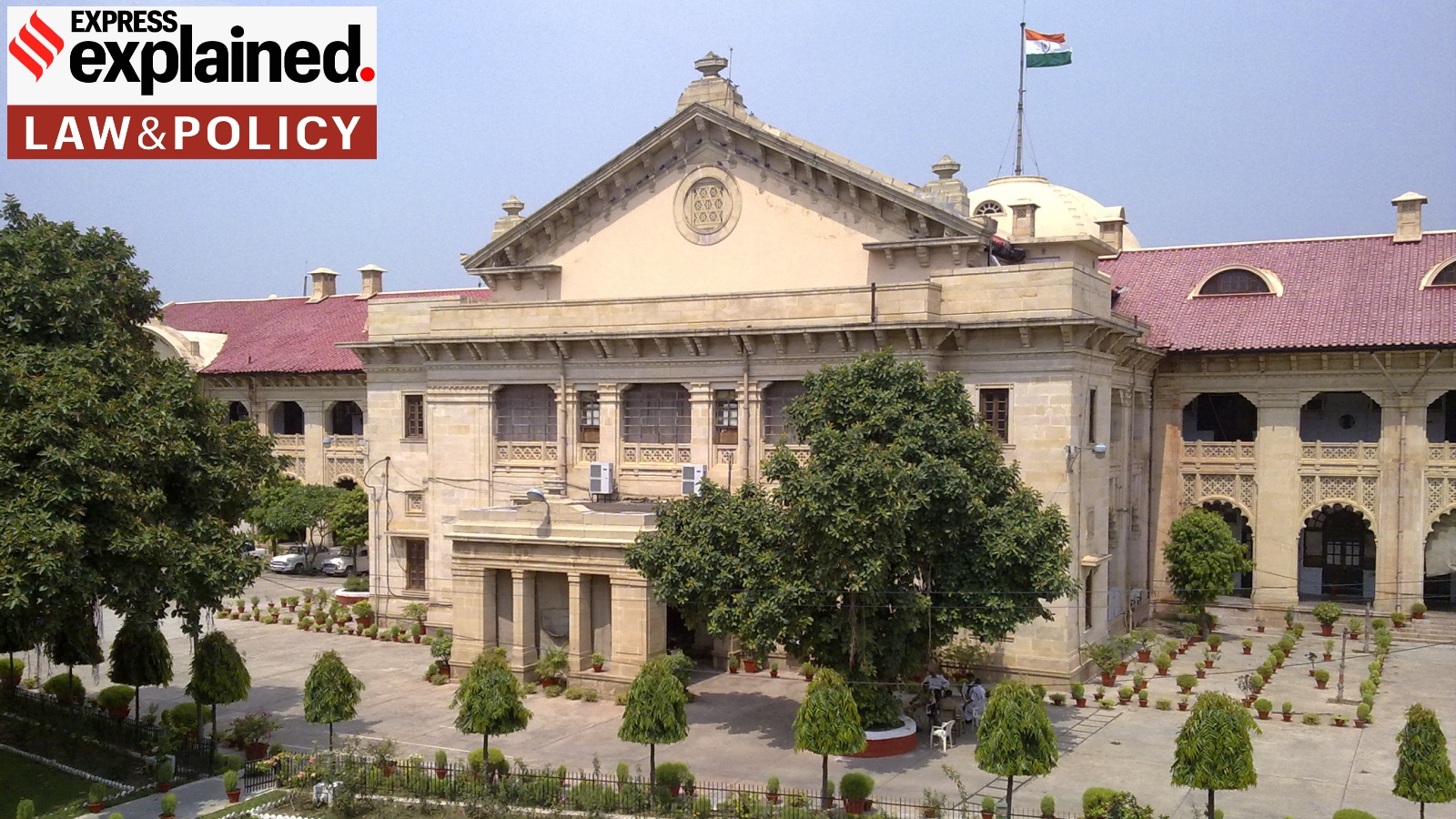
The Allahabad High Court dismissed a minor Muslim student’s plea to wear a hijab with her school uniform.
The case involved Tagore Public School in Prayagraj, which allegedly denied her Class XI admission after she insisted on wearing a headscarf.
The court held that wearing a hijab had not been established as an essential religious practice protected by Article 25.
It said a uniform policy may promote discipline, institutional identity, equality, and a religion-neutral atmosphere when applied uniformly and without discrimination.
The broader hijab dispute remains pending before a larger Bench of the Supreme Court after a 2022 split verdict.
- Who
- A minor Muslim student, Tagore Public School, the Allahabad High Court, and the Supreme Court of India are central to the case.
- What
- The Allahabad High Court dismissed the student’s plea seeking permission to wear a hijab with her school uniform.
- Where
- The dispute concerned Tagore Public School in Prayagraj, Uttar Pradesh, and was heard by the Allahabad High Court.
- When
- The court issued its order on August 21; the student had approached the district magistrate on May 14 and June 10. A related Supreme Court split verdict was delivered in October 2022.
- Why
- The court said hijab had not been shown to be an essential Islamic religious practice and held that the school could enforce a uniform policy intended to maintain discipline, equality, and institutional identity.
Uniform Rules and Institutional Discipline
Religious Accommodation and Educational Access
Enforcement of school uniforms
Uniform Rules and Institutional Discipline
The court said a school may determine its uniform when the rule is uniform, bona fide, non-discriminatory, and intended to maintain discipline and institutional identity.
Religious Accommodation and Educational Access
The student argued that wearing a headscarf was protected by constitutional rights to religion, equality, and freedom of expression.
Essential religious practice
Uniform Rules and Institutional Discipline
The Allahabad High Court said no material showed that wearing a hijab was essential to Islamic faith or that not wearing one would mean leaving the faith.
Religious Accommodation and Educational Access
Justice Sudhanshu Dhulia’s position in the related Karnataka case was that a person seeking protection under Article 25 need not first prove that a practice is essential; it may be a matter of faith or conscience.
Effect on students
Uniform Rules and Institutional Discipline
The court said allowing hijabs with the uniform could create social separateness and undermine the uniformity the dress code was intended to establish.
Religious Accommodation and Educational Access
Justice Dhulia questioned whether denying a girl education because she wears a hijab improves her life and argued that schools should foster tolerance and accommodation of diversity.
Key facts
- Court
- Allahabad High Court
- School
- Tagore Public School, Prayagraj
- Student’s request
- Permission to wear a headscarf with the prescribed school uniform
- Admission issue
- The student allegedly was denied admission to Class XI after insisting on wearing the hijab
- Constitutional provisions cited
- Article 25 on religious freedom; the student also invoked Articles 14 and 19(1)(a)
- Court’s finding
- Wearing a hijab was not established as an essential religious practice in Islam
- Pending issue
- A larger Bench of the Supreme Court of India is to decide the broader hijab question in educational institutions
Quotes

Allahabad High Court bench
The bench of Justices Indrajeet Shukla and J.J. Munir that decided the petition.
“The question of Essential Religious Practices was not at all relevant in the determination of the dispute before the Court. I say this because when protection is sought under Article 25(1) of the Constitution of India, it is not required for an individual to establish that what he or she asserts is an ERP. (essential religious practice.)”
 theprint.in
“We are of the opinion that so long as the dress code is uniform, bona fide, non- discriminatory and intended to maintain discipline and institutional identity, the choice of the prescribed uniform primarily lies within the domain of the School,”
theprint.in
Sources

Related news
Allahabad HC Rejects Hijab Plea, Citing School Uniform Rules
Allahabad High Court Hijab Verdict Intensifies School Dress-Code Debate
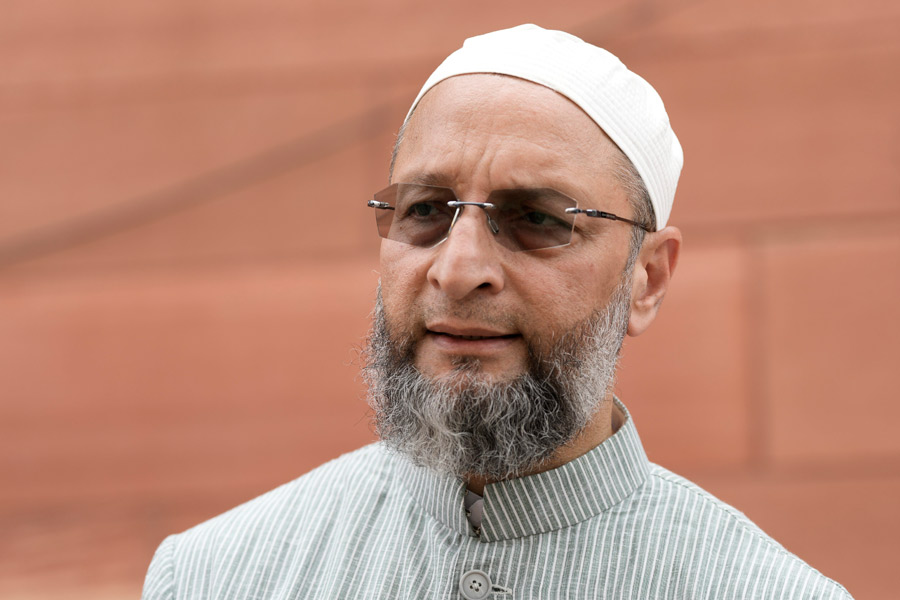
Owaisi Slams Allahabad High Court Hijab School Uniform Ruling

Allahabad High Court Backs Uniform as Hijab Debate Returns

Muslim Clerics Urge Review of Allahabad High Court Hijab Ruling

Allahabad High Court Upholds Uniform, Rejects Student’s Hijab Plea

Hijab Classroom Dispute Raises Wider Questions About Education Access

Bhopal Hosts Vishwa Rang Festival

Tagore Art Revival: Virtual Show at Konnagar Retreat