

1 week ago
Owaisi Slams Allahabad High Court Hijab School Uniform Ruling
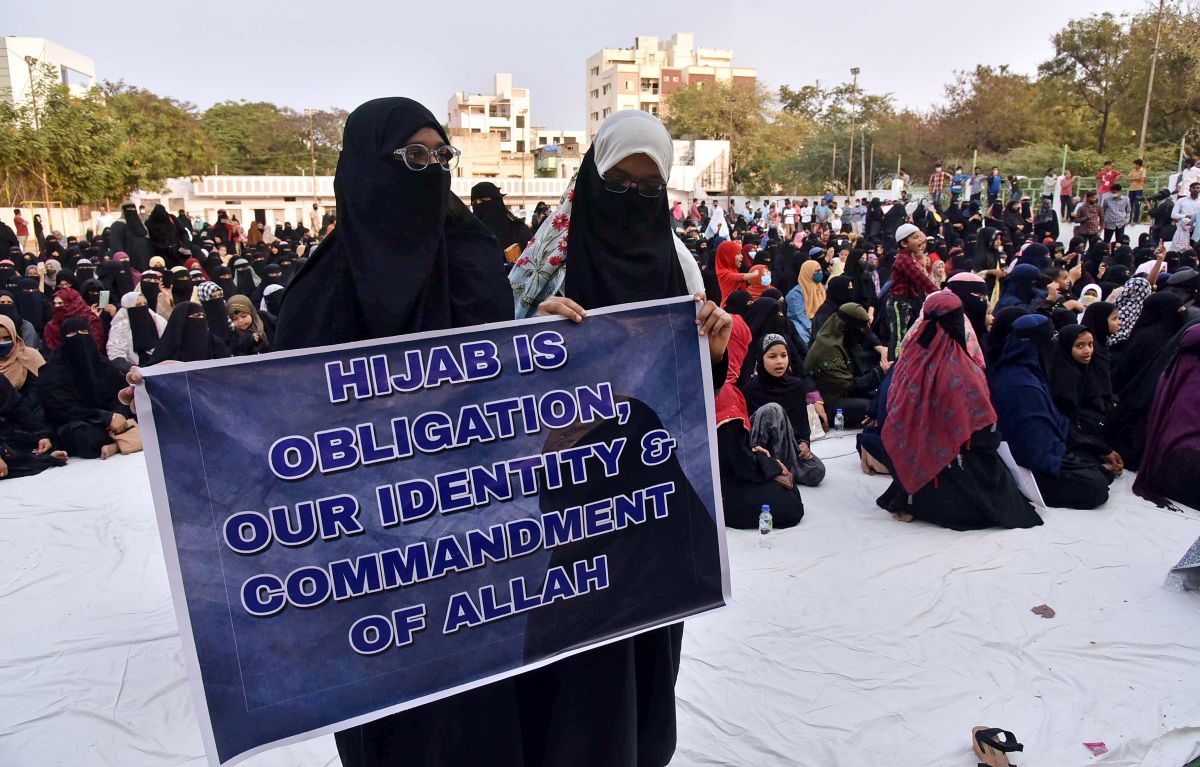
A Muslim student wanted to wear a headscarf with her school uniform.
She had worn one in earlier classes, but the school objected when she sought admission to Class 11.
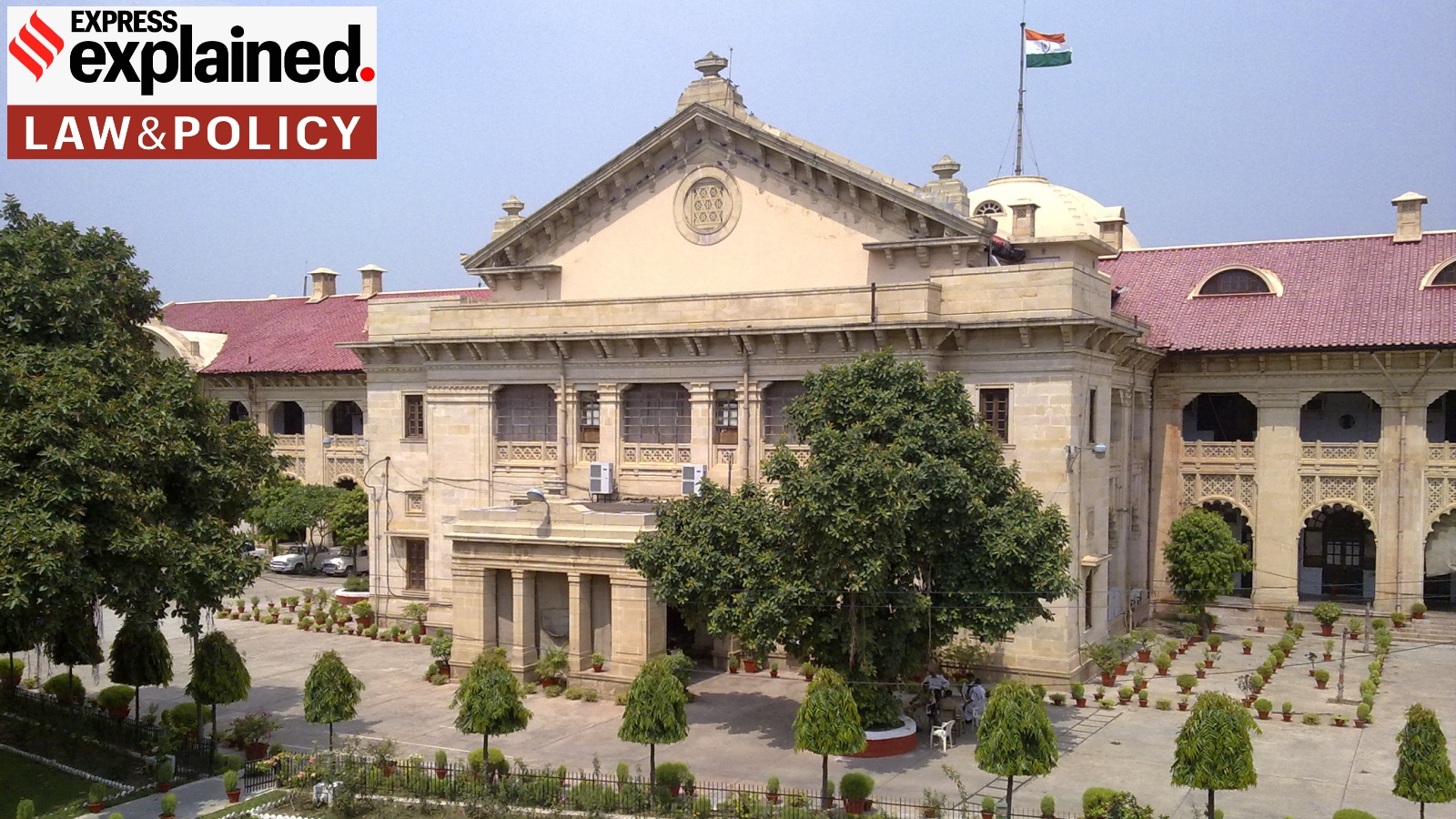
The Allahabad High Court rejected her request.
The court said schools can set uniform rules when they apply them fairly and use them to maintain discipline.
It also said the student had not shown that a headscarf was an essential part of her religion in this case.
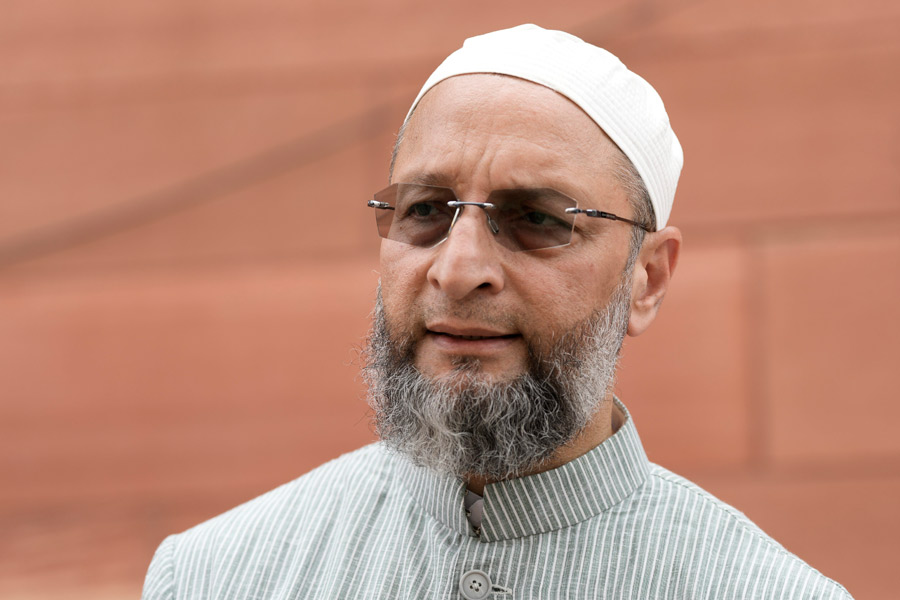
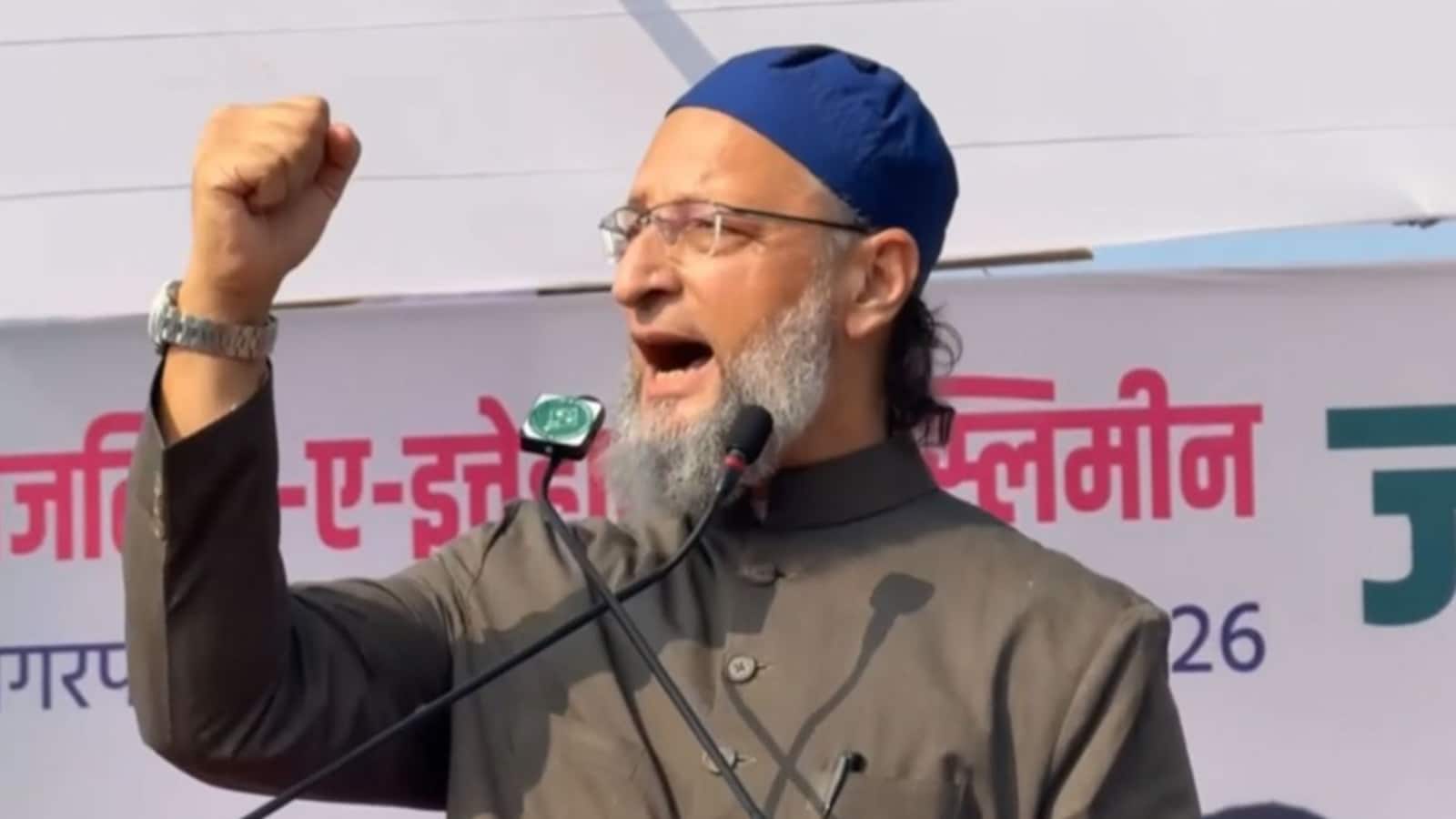
Asaduddin Owaisi disagreed strongly with the decision.
He said people of a religion, rather than judges, should decide what is essential to that religion.
He also said the ruling could harm Muslim girls' education and religious freedom.

The Allahabad High Court dismissed a minor student's petition to wear a headscarf with her prescribed school uniform.
The student, from a private school in Prayagraj, sought admission to Class XI after wearing a scarf since Class 6.
The court said she had not established that wearing a scarf was an essential Islamic practice and that uniform rules may be enforced if fair and non-discriminatory.
The court said earlier permission to wear a scarf did not create a permanent right to retain it or require the school to change its policy.
AIMIM president Asaduddin Owaisi called the ruling an attack on Islam and said it violated constitutional protections under Articles 19 and 25.
- Who
- The Allahabad High Court, a minor Muslim student, her private school, and AIMIM president Asaduddin Owaisi.
- What
- The court dismissed the student's request to wear a headscarf with her school uniform; Owaisi criticized the ruling.
- Where
- The case concerned a private school in Prayagraj, Uttar Pradesh, and was decided by the Allahabad High Court.
- When
- The ruling was issued on August 21; Owaisi criticized it at a Tuesday gathering.
- Why
- The court cited the school's uniform policy, discipline, institutional identity, and the absence of evidence that the scarf was an essential religious practice. Owaisi said the ruling violated religious and constitutional freedoms.
Owaisi's Position
Allahabad High Court's Position
Who decides religious essentials
Owaisi's Position
Owaisi said Muslims should decide what is essential to Islam and argued that judges should not make that determination.
Allahabad High Court's Position
The court assessed whether the student had established that wearing a headscarf was an essential religious practice and said she had not provided sufficient supporting material.
Uniform and equality
Owaisi's Position
Owaisi supported the student's request as a matter of choice and privacy and said that uniformity is not equality.
Allahabad High Court's Position
The court said an institution may determine and enforce its uniform when the code is uniform, fair, made in good faith, non-discriminatory, and intended to maintain discipline and institutional identity.
Constitutional and educational impact
Owaisi's Position
Owaisi said the decision violated Articles 19 and 25 of the Constitution and could hamper Muslim girls' education.
Allahabad High Court's Position
The court said the uniform requirement curtailed neither the student's freedom of faith nor her religious identity, but served institutional discipline.
Key facts
- Court decision
- The Allahabad High Court dismissed the petition seeking permission to wear a headscarf in addition to the prescribed uniform.
- Petitioner
- A minor girl who had completed Class 10 and sought admission to Class 11 at the same private school.
- Student's claim
- She said she had worn a scarf over her uniform since Class 6 without objections.
- Court bench
- Justices JJ Munir and Indrajit Shukla.
- Court's reasoning
- The court said no enforceable right arose from earlier permission and that a fair, uniform, non-discriminatory dress code may be enforced by the school.
- Religious-practice finding
- The court said the petitioner had not produced religious scriptures or other material showing that wearing a scarf was essential to her faith.
- Owaisi's response
- Owaisi called the ruling an attack on Islam, said it conflicted with Articles 19 and 25, and questioned judges deciding what is essential to Islam.
Quotes

Asaduddin Owaisi
President of the All India Majlis-e-Ittehadul Muslimeen (AIMIM)
“It is our religion and we will decide what is essential. Who are the judges to decide? This is an attack on our religion.”
 NDTV
NDTV
“Today's verdict violates Articles 25 and 19 of the Indian Constitution. Who are you to decide what is essential to Islam?”
 m.rediff.com
 deccanchronicle.com
Sources
Related news
Allahabad HC Rejects Hijab Plea, Citing School Uniform Rules
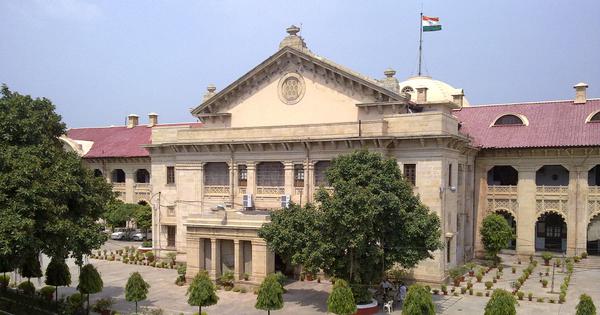
Allahabad High Court Rejects Student’s Hijab Plea Over Uniform Rules
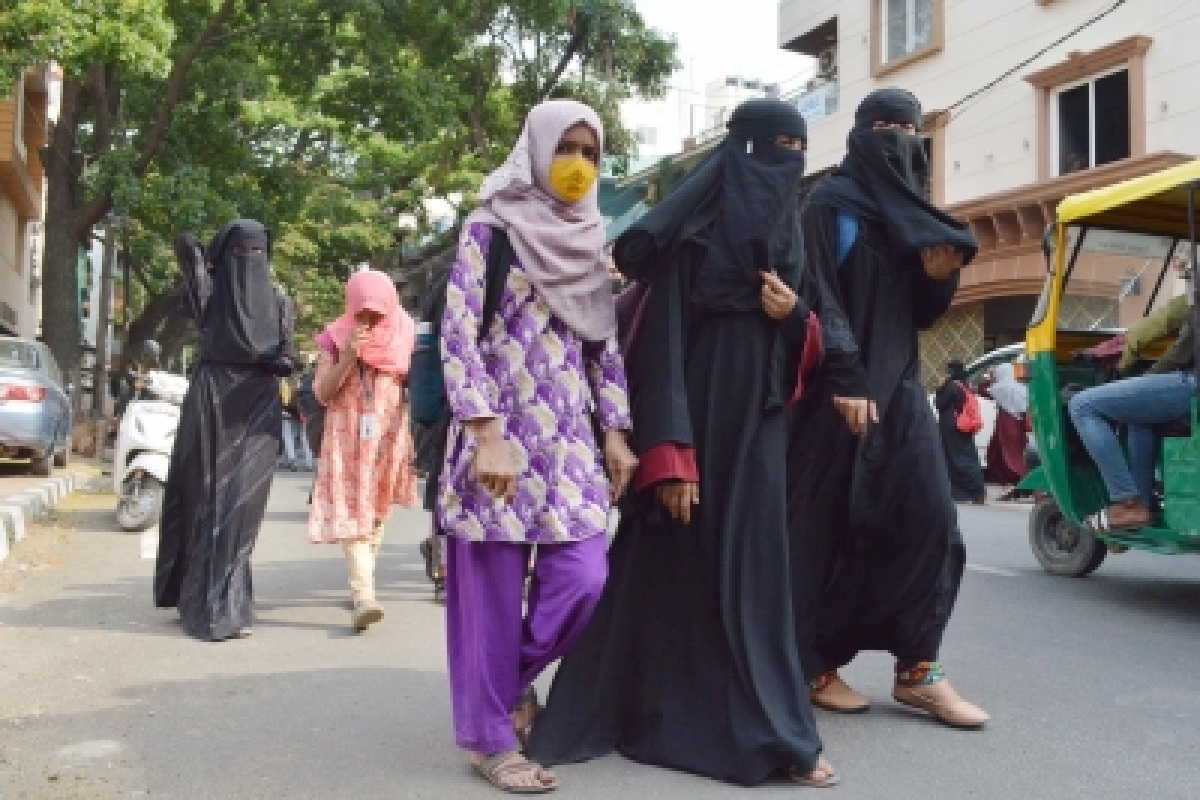
Allahabad High Court Hijab Verdict Intensifies School Dress-Code Debate

Muslim Clerics Urge Review of Allahabad High Court Hijab Ruling
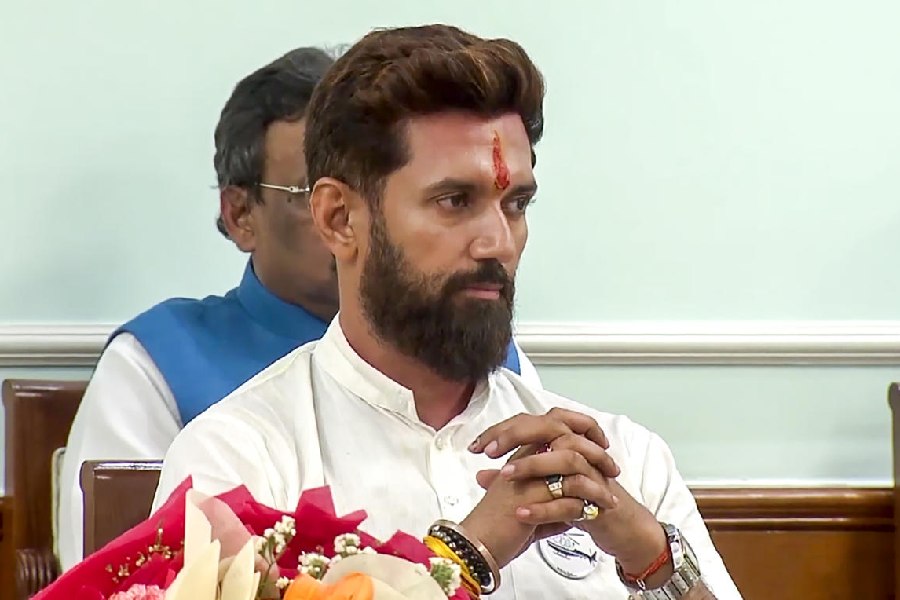
Leaders Divide After Allahabad High Court Dismisses Hijab Plea

Allahabad High Court Upholds Uniform, Rejects Student’s Hijab Plea
Orissa High Court Says Brothel Customers Cannot Face Trafficking Charges
UPSC Key Covers SCO, Electoral Rolls, Economy, Defence and Climate
TMC Alleges Police Misuse and Denial of Legal Notices

Bajwa Questions Punjab Government Over Pending Employee DA Arrears
Banke Bihari Temple to Livestream Rare Janmashtami Mangala Aarti