1 day ago
Hijab Classroom Dispute Raises Wider Questions About Education Access

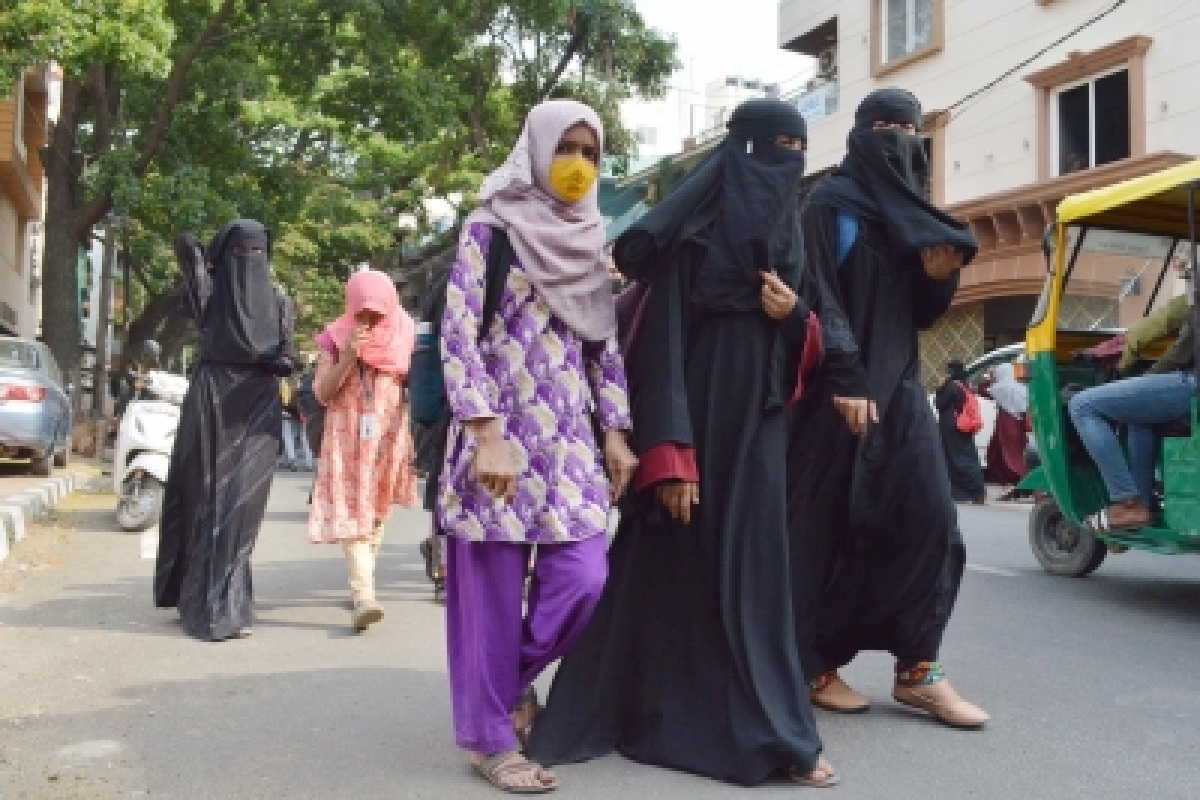
A student named Sukaina Rizvi wanted to wear a headscarf with her school uniform.
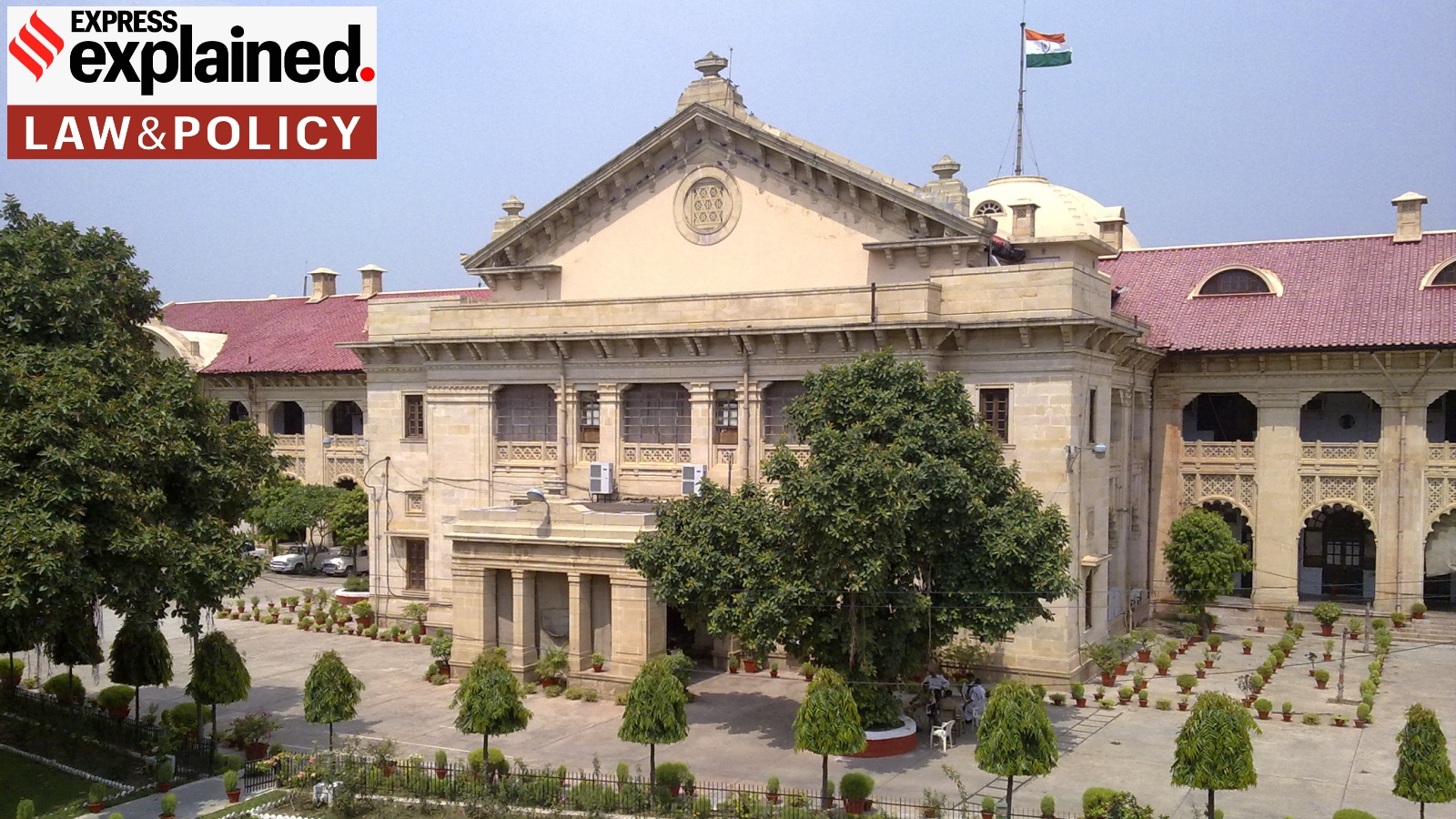
The Allahabad High Court said the school could require students to follow its uniform rules.
Rizvi said she had worn the headscarf for several years without problems.
The court said that this earlier practice did not stop the school from enforcing the rule later.
The case is also about whether rules might make it harder for Muslim girls to continue their education.
Fewer Muslim girls make up the share of female students as schooling progresses, especially by higher-secondary school.
Some people support one identical uniform for everyone, while others support allowing a headscarf that still follows safety and identification rules.
The larger question is how schools can promote equality without excluding students because of differences.

The Allahabad High Court dismissed Sukaina Rizvi’s petition to wear a headscarf with her school uniform.
Rizvi said she had worn the headscarf without objection from Class VI through Class X.
The court held that schools may enforce bona fide, non-discriminatory uniform rules.
Muslim girls’ share of female enrolment falls from primary to higher-secondary school, including in Uttar Pradesh.
The case has prompted debate over whether reasonable accommodation could protect both uniform policies and continued access to education.
- Who
- Sukaina Rizvi, Tagore Public School, and the Allahabad High Court are central to the dispute; the wider issue concerns Muslim girls’ access to education.
- What
- The court dismissed Rizvi’s request to wear a headscarf with her school uniform and upheld the possibility of enforcing a bona fide, non-discriminatory uniform rule.
- Where
- Tagore Public School in Prayagraj, Uttar Pradesh.
- When
- The Allahabad High Court dismissed the petition on August 21; the article does not specify the year.
- Why
- The dispute concerned whether a headscarf could be worn with the prescribed uniform, and whether enforcing the rule could affect Muslim girls’ continued access to education.
Uniformity and Common Appearance
Accommodation and Equal Access
Purpose of school uniforms
Uniformity and Common Appearance
The Allahabad High Court said uniforms can promote discipline, equality, institutional identity, and a religion-neutral atmosphere. Justice Hemant Gupta described uniform as an equaliser of inequalities.
Accommodation and Equal Access
The article argues that visual sameness may not be the only legitimate purpose of a uniform and that a compatible headscarf could preserve the uniform’s practical functions.
Meaning of equality
Uniformity and Common Appearance
One view treats equality as applying the same common rule and appearance to every student, as reflected in the Karnataka High Court’s rejection of a similar accommodation proposal.
Accommodation and Equal Access
Another view treats equal participation as sometimes requiring room for difference. Justice Sudhanshu Dhulia said hijab could, in some circumstances, be a girl’s ticket to education.
Effect on education
Uniformity and Common Appearance
Schools may refuse uniform changes where they believe they could compromise safety, identification, pedagogy, discipline, or the uniform itself.
Accommodation and Equal Access
The article argues that exclusion should not be the first response when a difference can be accommodated without defeating those purposes, particularly because Muslim girls’ representation declines at higher stages of schooling.
Key facts
- Court ruling
- The Allahabad High Court dismissed Rizvi’s petition and held that schools may insist on bona fide, non-discriminatory uniform rules.
- Rizvi’s prior practice
- She said she wore the headscarf from Class VI to Class X without objection and produced school identity cards and photographs.
- National enrolment data
- Muslim girls accounted for 18% of female primary enrolment and 12.9% of female higher-secondary enrolment in 2024-25.
- Uttar Pradesh data
- Muslim girls accounted for 20.3% of female primary enrolment and 13.3% of female higher-secondary enrolment in Uttar Pradesh in 2024-25.
- Earlier policy concerns
- The Sachar Committee identified distance, safety, limited hostel access, and marginalisation as barriers affecting Muslim girls’ education.
- Proposed accommodation
- The article suggests allowing a headscarf consistent with the prescribed uniform while retaining identification, safety, and discipline rules.
Sources
Related news

Allahabad High Court Upholds Uniform, Rejects Student’s Hijab Plea
Allahabad High Court Hijab Verdict Intensifies School Dress-Code Debate
Allahabad HC Rejects Hijab Plea, Citing School Uniform Rules
Allahabad High Court Rejects Student’s Hijab Plea Over Uniform Rules
Owaisi Slams Allahabad High Court Hijab School Uniform Ruling

Muslim Clerics Urge Review of Allahabad High Court Hijab Ruling

Bhopal Hosts Vishwa Rang Festival

Tagore Art Revival: Virtual Show at Konnagar Retreat