1 week ago
Allahabad High Court Hijab Verdict Intensifies School Dress-Code Debate
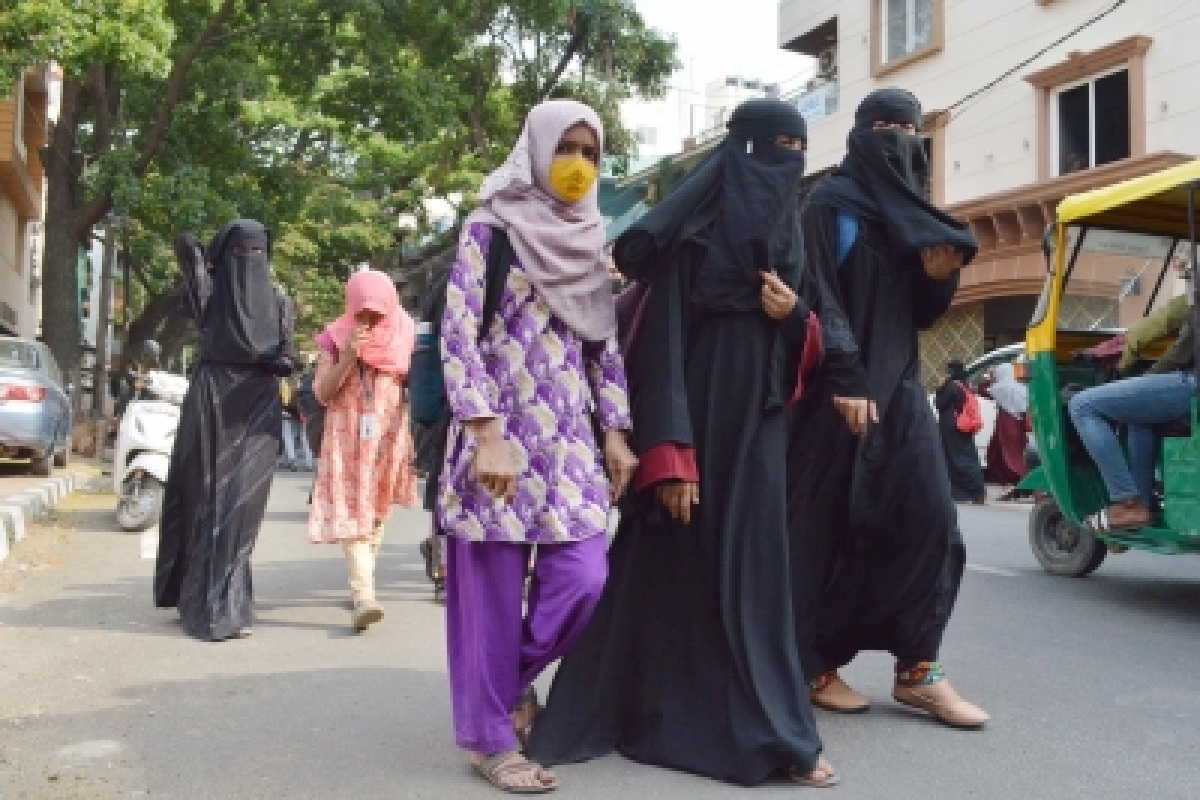
A student wanted to wear a hijab, which is a headscarf, with her school uniform.
She said she had worn it at the same school for several years.
The Allahabad High Court said the school could require everyone to follow the same uniform.
The judges said the school’s rules were not shown to be discriminatory.
They also said the student had not provided enough evidence that wearing a hijab is an essential religious practice.
Some political leaders supported the decision because they said schools need common rules and discipline.
Other leaders and Muslim clerics said students should be able to keep their religious identity or choose to cover their heads.
The ruling has renewed a wider debate in India about religious freedom and school dress codes.

The Allahabad High Court rejected a minor student’s request to wear a hijab with her prescribed school uniform.
The student, entering Class 11 at Tagore Public School in Prayagraj, said she had worn the hijab from Classes 6 through 10.
The court said a uniform, non-discriminatory and well-intentioned dress code may not be changed at an individual student’s insistence.
The bench found insufficient evidence that wearing the hijab is an essential religious practice of Islam and cited earlier Kerala, Bombay and Karnataka rulings.
Political leaders differed, with some backing uniformity and discipline while others defended religious identity, personal choice or further legal review.
- Who
- A minor Muslim student of Tagore Public School, the Allahabad High Court, political leaders and Muslim clerics.
- What
- The court dismissed the student’s plea to wear a hijab with the school’s prescribed uniform.
- Where
- The case involved Tagore Public School in Prayagraj, Uttar Pradesh, and was heard by the Allahabad High Court.
- When
- The judgment was issued on August 21.
- Why
- The court held that a uniform, bona fide and non-discriminatory dress code could be enforced, and found insufficient material establishing hijab as an essential religious practice of Islam.
Supporters of Uniform Dress Codes
Supporters of Religious Choice
Institutional Rules
Supporters of Uniform Dress Codes
Mukhtar Abbas Naqvi, Om Prakash Rajbhar, Sanjay Nirupam, Vinod Bansal and Nalin Kohli said students should follow school dress codes, discipline and common institutional rules.
Supporters of Religious Choice
P. Santhosh Kumar and Shakeel Ahmad Khan said a compulsory uniform should not automatically prevent students from retaining their religious identity or covering their heads.
Religious Practice
Supporters of Uniform Dress Codes
Supporters of the verdict argued that non-religious schools should maintain equality, unity and a common identity, and that religious traditions should not override institutional rules.
Supporters of Religious Choice
Maulana Khalid Rasheed and Saif Abbas said hijab is integral or important to Islam and should be allowed with the prescribed uniform; Abbas also acknowledged that not every Muslim woman follows it.
Personal Choice and Legal Review
Supporters of Uniform Dress Codes
Nalin Kohli said families seeking education based on particular religious principles could choose religiously affiliated institutions, while students in non-religious schools would ordinarily follow the prescribed uniform.
Supporters of Religious Choice
Manoj Jha said no one should be pressured, and Saif Abbas called for possible Supreme Court consideration, arguing that the student’s constitutional rights and religious claims deserved attention.
Key facts
- Court
- Allahabad High Court
- Bench
- Justice J.J. Munir and Justice Indrajeet Shukla
- School
- Tagore Public School, Prayagraj
- Petitioner
- A minor student seeking admission to or attendance in Class 11
- Request
- Permission to wear a hijab with the prescribed school uniform
- Court’s reasoning
- A uniform dress code can promote equality, institutional identity and discipline when it is uniform and non-discriminatory.
- Religious-practice finding
- The court said the petitioner had not supplied sufficient evidence that hijab is an essential religious practice of Islam.
- Broader legal context
- The court referred to earlier Kerala, Bombay, Karnataka and Supreme Court decisions; the wider issue remained unsettled after a split Supreme Court verdict.
Quotes
Om Prakash (OP) Rajbhar
Uttar Pradesh minister and Suheldev Bharatiya Samaj Party leader who supported the verdict
“Uniform is compulsory, but at the same time, this has been a controversial issue over the years. A student has every right to continue with his or her religious faith. One's right to believe in and practise the religion or faith of their choice cannot be undermined. So, we need to protect that as well.”
 thehansindia.com
“Wherever this issue has been raised, the High Court has unanimously held that wearing the hijab is not an essential part of Islam for women. It is not true that without it, the religion would be endangered, or that not wearing it would exclude a woman from the faith.”
 thestatesman.com
Sources


Related news
Allahabad HC Rejects Hijab Plea, Citing School Uniform Rules
Allahabad High Court Rejects Student’s Hijab Plea Over Uniform Rules

Allahabad High Court Upholds Uniform, Rejects Student’s Hijab Plea
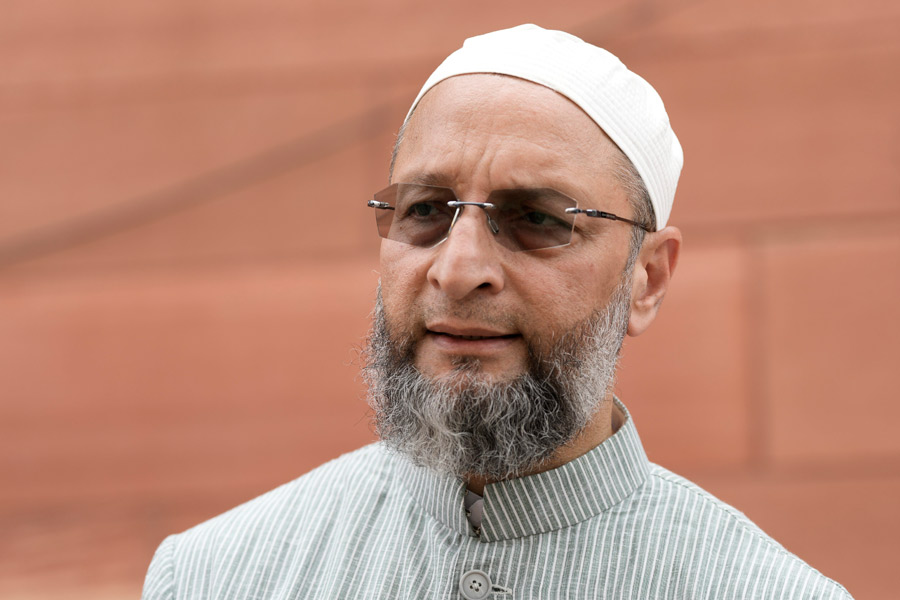
Owaisi Slams Allahabad High Court Hijab School Uniform Ruling

Muslim Clerics Urge Review of Allahabad High Court Hijab Ruling