2 days ago
Former Judge Defends Dissent, Choice and Linguistic Pluralism
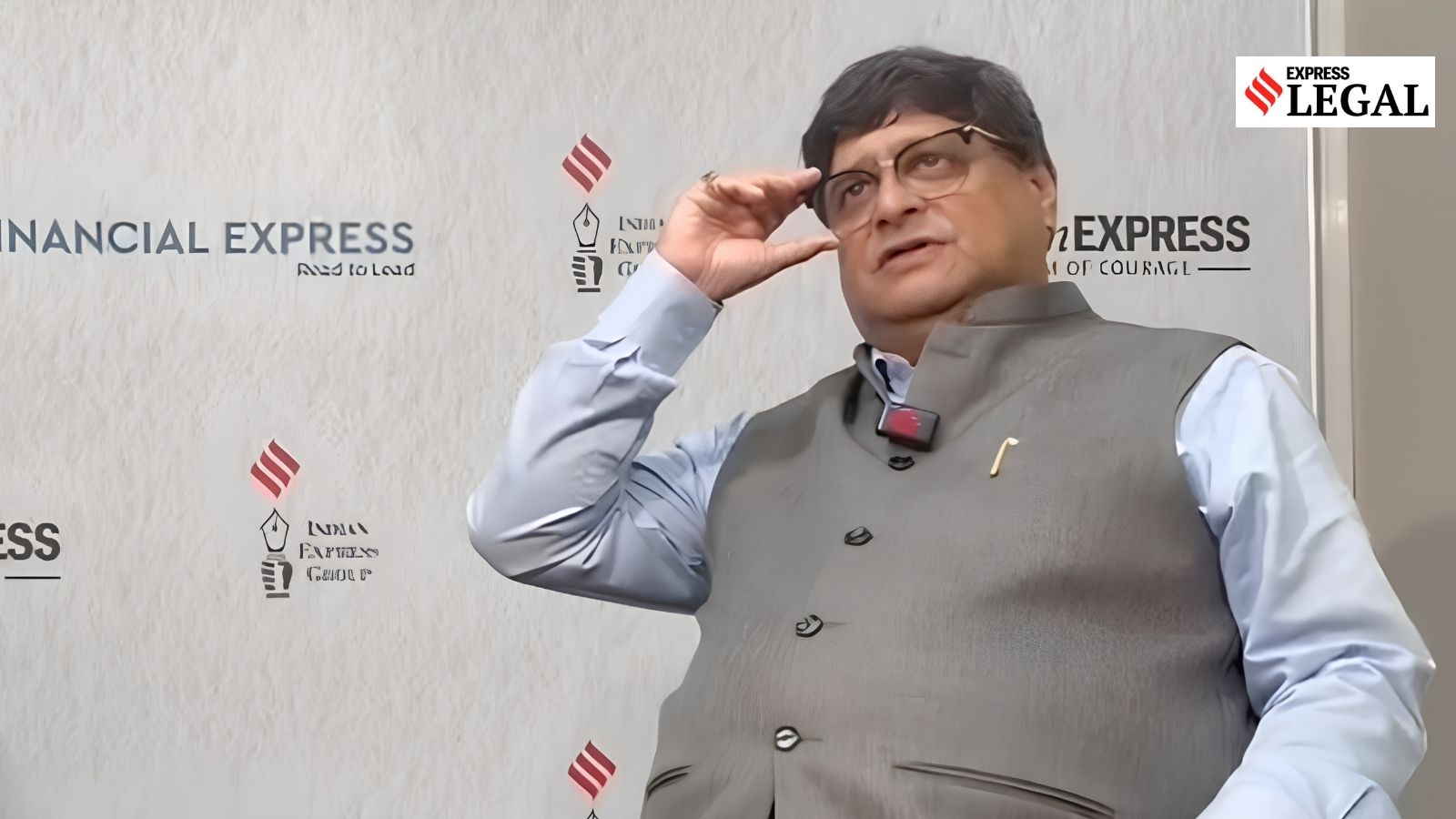
Justice Sudhanshu Dhulia said people should generally be free to make personal choices, including whether to wear a hijab.
He explained that tolerance is an important value in India’s Constitution.
He also said India has many languages, and no language should be used to divide people.
On the death penalty, he said judges must carefully consider both the crime and the person’s circumstances.
He believes sentencing should include a separate discussion about these factors.
Dhulia said universities need open debate and disagreement because that is how students learn critical thinking.
He also warned that reporters sometimes make small courtroom comments seem more important than they are.
He said courts and the government should also make judicial appointments more transparent and timely.

Justice Sudhanshu Dhulia said his hijab judgment defended women’s choice, not hijab itself.
He argued that India’s constitutional values require tolerance toward different languages and cultures.
Dhulia said capital sentencing should separately consider aggravating and mitigating circumstances.
He criticized immature media reporting of courtroom remarks while acknowledging benefits of public access.
He defended student dissent, opposed colonial-era sedition laws, and called for greater transparency in judicial appointments.
- Who
- Former Supreme Court of India judge Sudhanshu Dhulia, discussing constitutional and judicial issues.
- What
- He addressed hijab restrictions, language rights, capital punishment, courtroom reporting, student dissent, sedition, and judicial appointments.
- Where
- The discussion concerns India, including judicial decisions involving Maharashtra, Uttar Pradesh, and Karnataka.
- When
- The exact date of the interview is not specified in the article.
- Why
- The interview examined how constitutional rights should be balanced with institutional rules and state authority.
Rights, Tolerance and Dissent
Institutional Rules and Restraint
Hijab in schools
Rights, Tolerance and Dissent
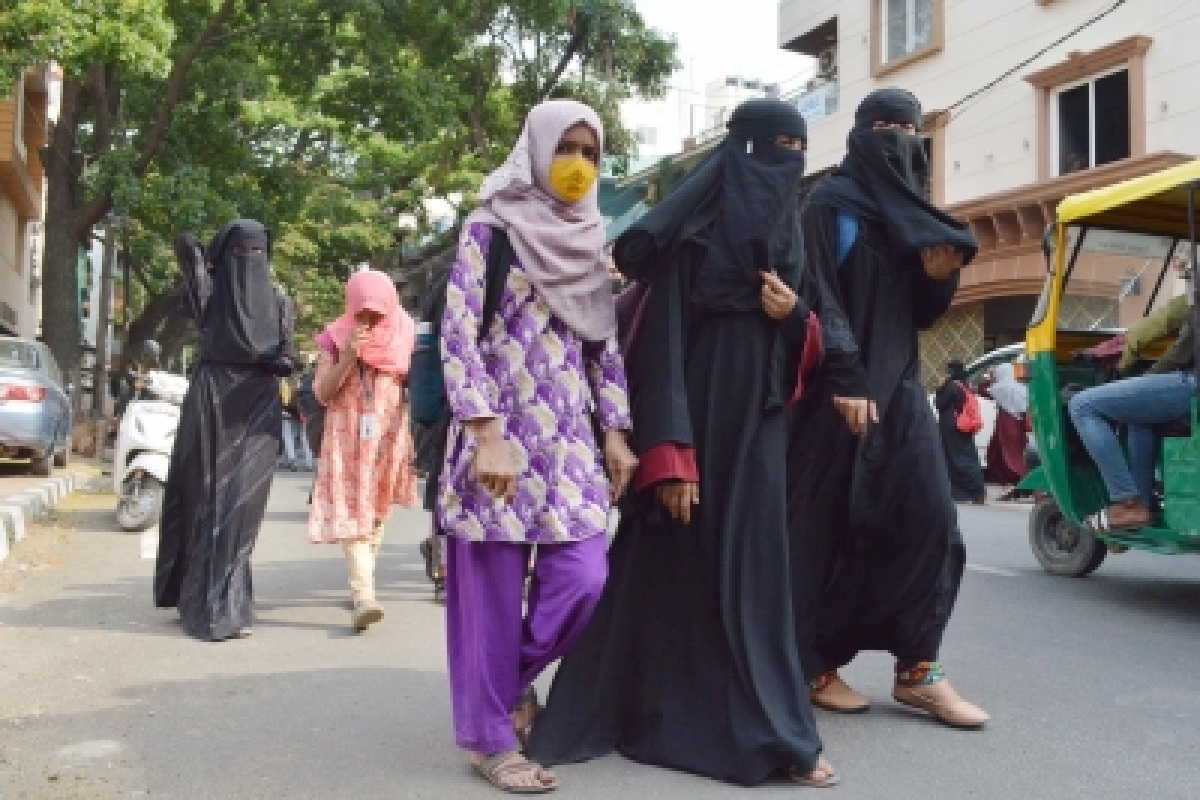
Dhulia said women should be allowed to choose whether to wear a hijab and disagreed with the Allahabad High Court’s approach.
Institutional Rules and Restraint
The Allahabad High Court relied on the Karnataka High Court’s full-bench ruling upholding a hijab ban in educational institutions, although the Supreme Court had issued a split verdict.
University dissent
Rights, Tolerance and Dissent
Dhulia said dissent and critical thinking are central to university life and that suppressing them undermines the purpose of a university.
Institutional Rules and Restraint
He also said a line must be drawn between legitimate dissent and conduct that amounts to sedition or otherwise crosses legal limits.
Courtroom reporting
Rights, Tolerance and Dissent
Public access to court proceedings and live streaming can be positive, and judges remain citizens entitled to express views.
Institutional Rules and Restraint
Dhulia argued that judges should exercise restraint and criticized reports that turn whispered or incidental courtroom comments into major news.
Capital sentencing
Rights, Tolerance and Dissent
Sentencing should account for individual aggravating and mitigating circumstances through judicial discretion.
Institutional Rules and Restraint
Dhulia said courts must still follow the established law and the rarest-of-rare framework while the death penalty remains legally available.
Key facts
- Hijab judgment
- Dhulia said the judgment was based primarily on tolerance and women’s freedom of choice.
- Language rights
- He defended the continued use of Urdu on a Maharashtra municipal signboard alongside Marathi.
- India’s languages
- He noted that 22 languages are listed in the Constitution’s Eighth Schedule, alongside hundreds or thousands of other languages.
- Death penalty
- Dhulia said he has never imposed or upheld a death sentence.
- Capital sentencing
- He supported a separate hearing to consider aggravating and mitigating circumstances.
- Student dissent
- He agreed that universities should remain places for critical thinking, continuous conversation, and dissent.
- Judicial appointments
- He said the collegium system needs changes and greater transparency, while recommendations should not ordinarily be delayed.
Quotes
Unidentified opponents of Urdu signage
People opposing the continued presence of Urdu on a municipal signboard in Maharashtra.
“No, nothing will be there. Except Marathi, there’ll be nothing.”
 indianexpress.com
Justice Sudhanshu Dhulia’s brother judge
An unidentified fellow Supreme Court judge whose private courtroom comment was discussed by Dhulia.
“There is anarchy in the registry.”
indianexpress.com
Sources
Related news
Justice Bhuyan Says Student Questions Cannot Bring Punishment

Justice Bhuyan Says Questions Cannot Bring Student Punishment

NALSAR students urge reconsidering CJI Surya Kant convocation invite
Allahabad High Court Hijab Verdict Intensifies School Dress-Code Debate
Student Body Demands Apology After BCI Withdraws NALSAR Enrolment Ban

Two Years After RG Kar Doctor's Rape-Murder, Case Remains Unresolved

ED widens Chhattisgarh probes with two arrests and searches
Delhi High Court Orders Madhya Pradesh to Pay Advocate Dues
Haryana sanitation workers’ strike puts BJP government under pressure
Orissa High Court Says Brothel Customers Cannot Face Trafficking Charges