4 days ago
Mehbooba Mufti Questions Who Decides What Women Wear

Mehbooba Mufti says women should be able to decide what they wear.
She compares two different cases involving Kriti Sanon and Sukaina Rizvi.
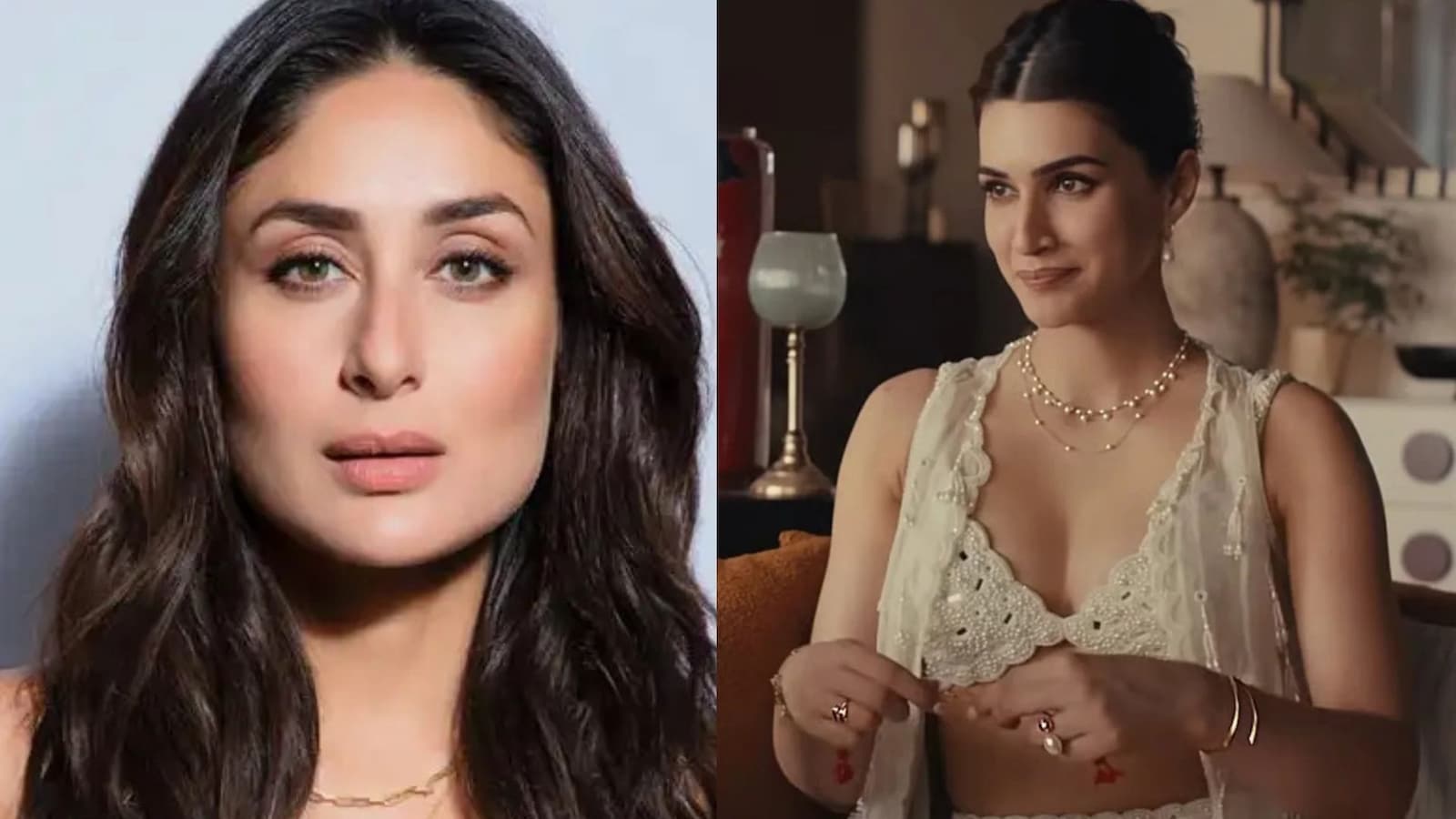
Sanon was criticised for wearing revealing clothes in a jewellery advertisement.
GIVA later withdrew the advertisement.
Rizvi wanted to wear a hijab with her school uniform.
The Allahabad High Court rejected her request.
Mufti says these cases are legally different but involve a similar question about personal choice.
She believes clothing should not be used to judge a woman’s character, religion or loyalty.
She says people should defend a woman’s freedom even when they dislike her choice.

Mehbooba Mufti compares controversies involving actor Kriti Sanon and student Sukaina Rizvi.
Kangana Ranaut criticised Sanon’s jewellery advertisement outfit as resembling a bikini or undergarments.
Jewellery brand GIVA withdrew the advertisement and said it had not intended to hurt sentiments.
The Allahabad High Court dismissed Rizvi’s plea to wear a hijab with her school uniform.
Mufti argues that women should control their clothing choices, subject to legitimate constitutional restrictions.
- Who
- Mehbooba Mufti discusses actor Kriti Sanon and student Sukaina Rizvi, along with reactions from Kangana Ranaut, Rahul Gandhi, GIVA and the Allahabad High Court.
- What
- The article examines whether women should decide their own clothing choices, including revealing clothing and religious headscarves.
- Where
- The cases involve India, including an advertisement controversy and the Allahabad High Court case concerning a school in Attarsuiya, Prayagraj.
- When
- The article refers to controversies involving Sanon and Rizvi and to Mufti’s 1996 election campaign experience; exact dates for the recent cases are not provided.
- Why
- Mufti argues that clothing should not become a measure of women’s morality, culture, religion or loyalty, while acknowledging that institutional policies and constitutional restrictions can apply.
Personal Choice
Cultural and Institutional Limits
Revealing clothing
Personal Choice
Supporters of Sanon’s position argue that what a woman wears should be her choice and that clothing does not determine her respect for Indian culture.
Cultural and Institutional Limits
Critics, including Kangana Ranaut, objected to Sanon’s outfit, with Ranaut describing it as resembling a bikini or undergarments.
Hijab with school uniform
Personal Choice
Sukaina Rizvi sought to continue wearing a hijab, treating it as a personal and religious choice.
Cultural and Institutional Limits
The Allahabad High Court rejected her plea, and the school’s prescribed uniform did not include the additional headscarf.
Role of public institutions
Personal Choice
Mufti argues that politicians, courts and social-media groups should not become arbiters of women’s personal morality or clothing choices.
Cultural and Institutional Limits
The article acknowledges that school uniform policies and constitutionally valid restrictions can create legal limits, and that the two cases cannot simply be equated.
Key facts
- Writer
- Mehbooba Mufti, former chief minister of Jammu and Kashmir
- Advertisement controversy
- Kriti Sanon’s outfit in a GIVA jewellery advertisement drew criticism, including from Kangana Ranaut.
- Advertisement response
- GIVA withdrew the advertisement and said it respected Indian culture and traditions.
- School case
- Sukaina Rizvi sought permission to wear a hijab with the prescribed uniform at Tagore Public School in Attarsuiya, Prayagraj.
- Court decision
- The Allahabad High Court dismissed Rizvi’s plea, saying she had not provided sufficient material to establish the hijab as an essential religious practice of Islam.
- Mufti’s position
- Women should have agency over their bodies and clothing, subject to legitimate and constitutionally valid restrictions.
Sources
Related news
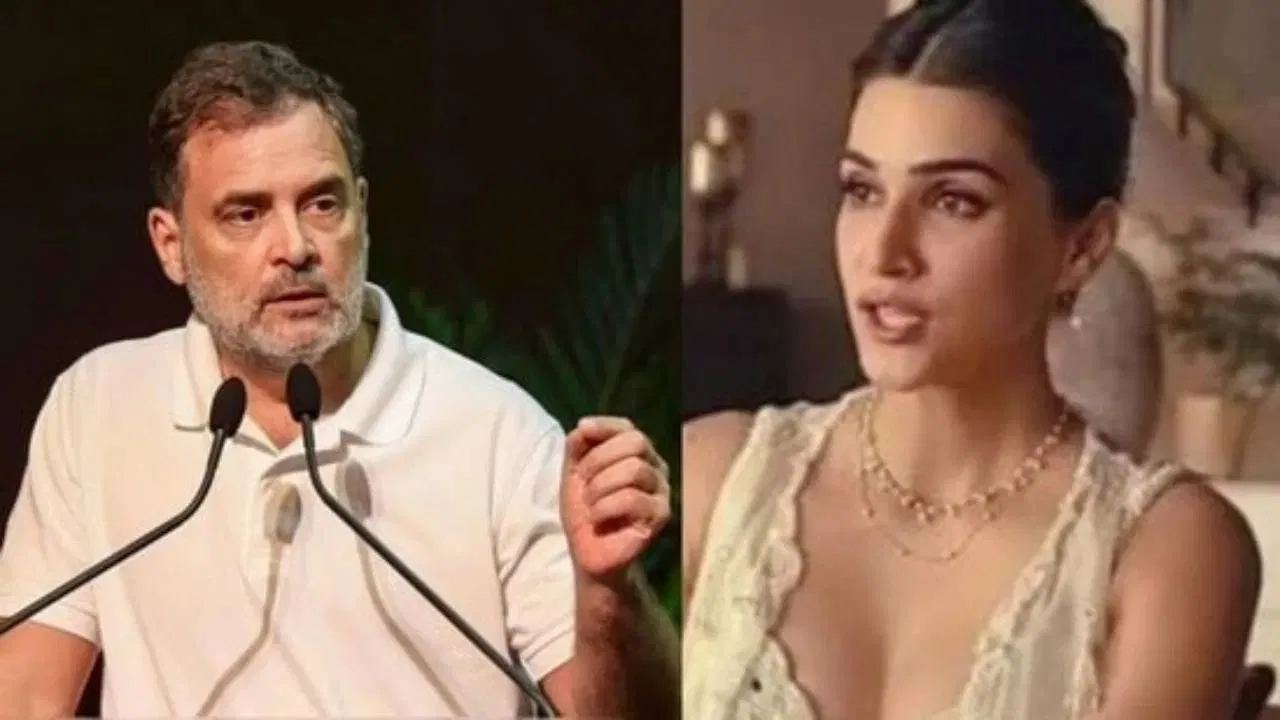
Rahul Gandhi Backs Kriti Sanon Amid Raksha Bandhan Ad Row

Madhu Chopra Defends Boundaries Amid Kriti Sanon Rakhi Ad Row

Readers Debate Women’s Clothing and Nepal Flood Relief

Letters Debate Women’s Clothing, Electoral Data, UPI and Green Spaces
Madhu Chopra, Kriti Sanon Clash Over Raksha Bandhan Ad
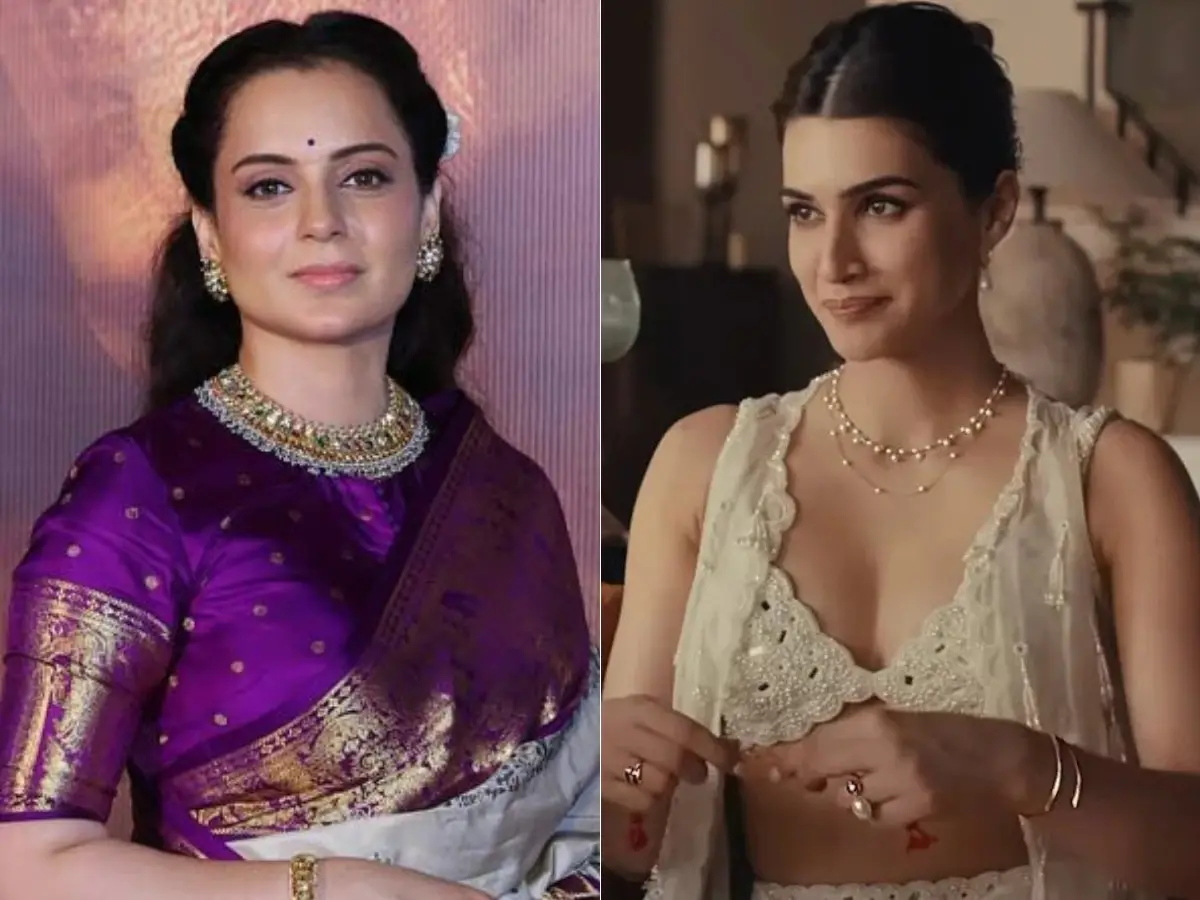
Kangana Ranaut and Kriti Sanon Clash Over Raksha Bandhan Ad
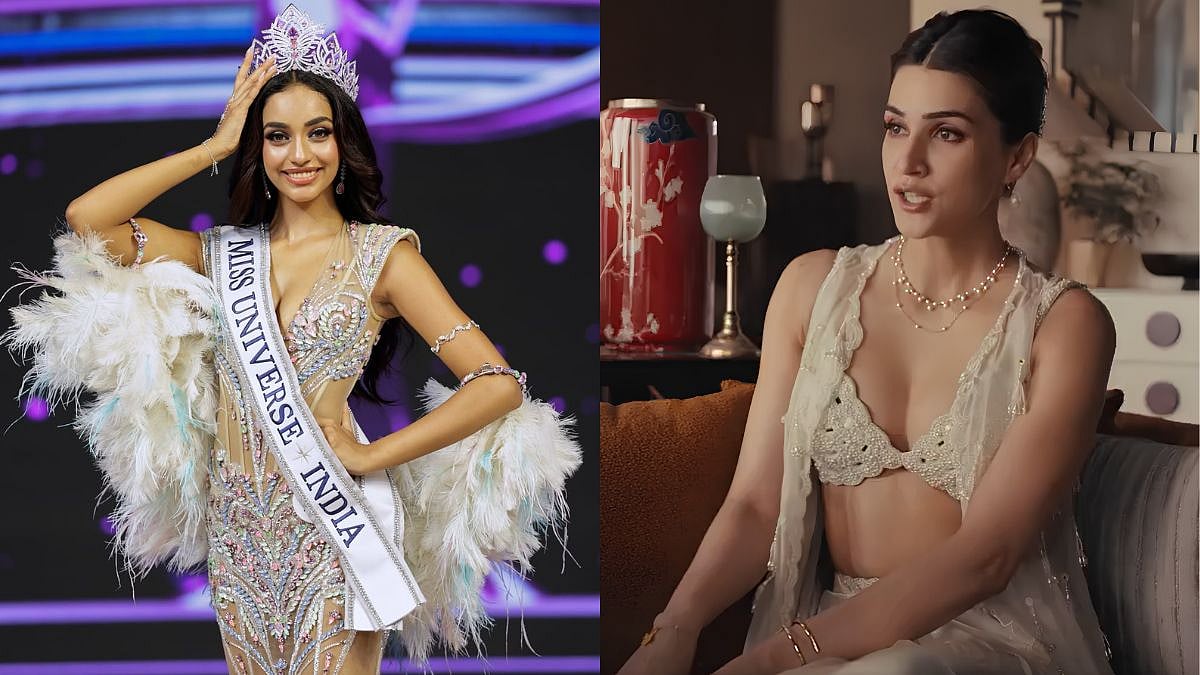
Miss Universe India 2026 Weighs In On Kriti Sanon Ad

Celebrity Looks Show How to Add Whimsy to Everyday Fashion

Rakhi Advertisement Withdrawal Rekindles Debate Over Women’s Clothing

Giva Withdraws Raksha Bandhan Ad After Social-Media Outcry
Kareena Dodges Kriti Ad Debate as Meghna Gulzar Responds