1 week ago
H1N1 Cases Surge as Breathing Problems Raise Health Alarms

H1N1 is making some people very sick with breathing problems.
However, doctors say not everyone who gets infected develops these complications.
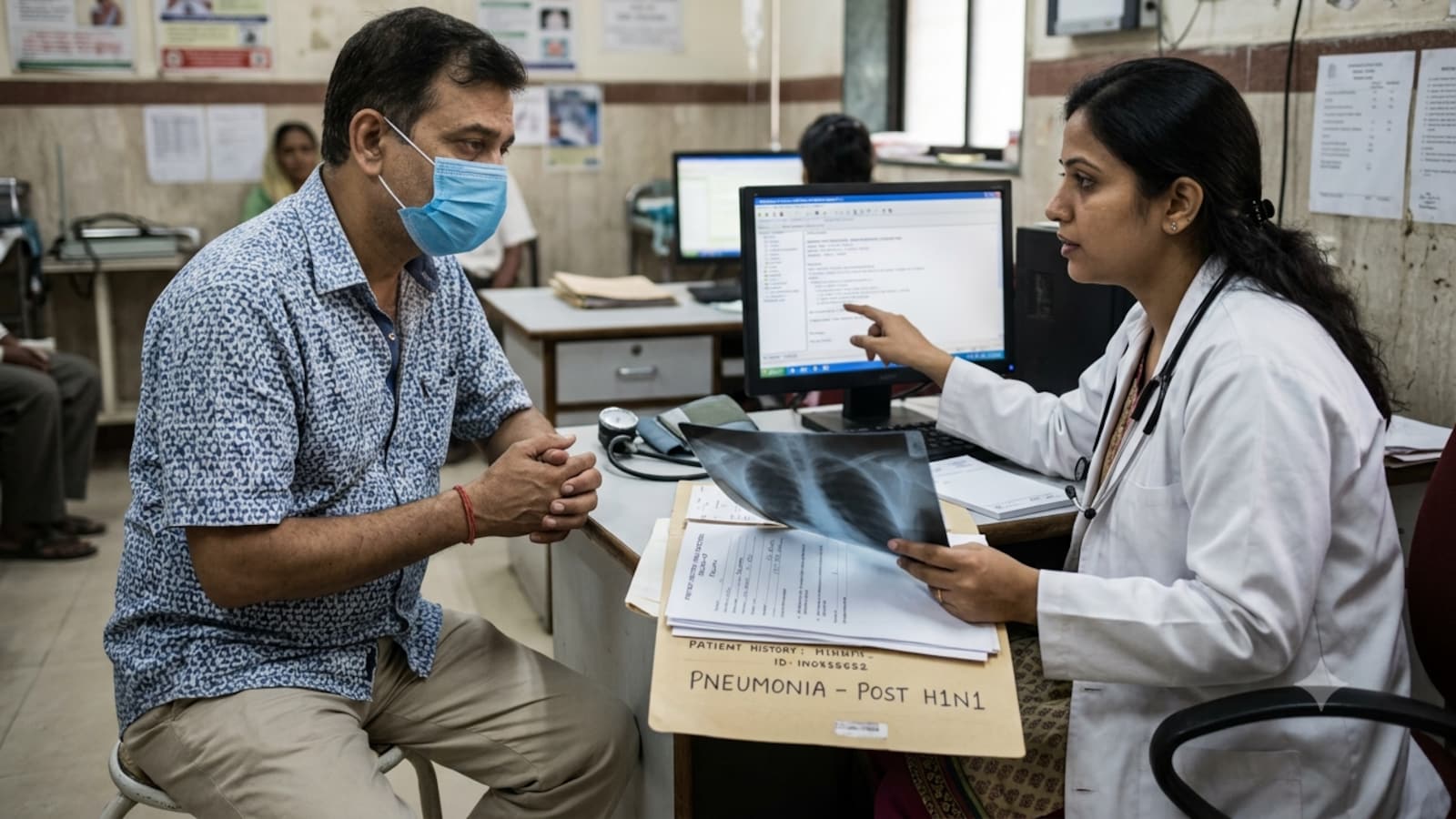
Inflammation can make it harder for the lungs to move oxygen into the blood.
This may cause pneumonia or low oxygen levels.
In the most serious cases, people can develop acute respiratory distress syndrome or respiratory failure.
The World Health Organization says severe influenza can also cause fast breathing and difficulty breathing.
Most patients recover with supportive care.
The article does not provide enough information to determine whether a viral epidemic is developing.

Some H1N1 patients develop serious breathing complications, although not everyone does.
Inflammation can interfere with the lungs’ ability to transfer oxygen into the bloodstream.
Severe infection may cause viral pneumonia and low oxygen saturation.
The most serious cases can progress to acute respiratory distress syndrome or respiratory failure.
Doctors say most patients recover with supportive care, while the World Health Organization lists pneumonia, hypoxia and breathing difficulty among severe influenza symptoms.
- Who
- People infected with H1N1, along with doctors treating them; the World Health Organization describes severe influenza symptoms.
- What
- Some H1N1 cases are associated with falling oxygen levels and severe breathing complications, including pneumonia and respiratory failure.
- Where
- When
- Why
- Inflammation can interfere with the lungs’ ability to transfer oxygen into the bloodstream.
Key facts
- Virus
- H1N1
- Common outcome
- Doctors say most patients recover with supportive care.
- Lung complication
- Inflammation can reduce the lungs’ ability to transfer oxygen into the blood.
- Potential conditions
- Viral pneumonia, low oxygen saturation, acute respiratory distress syndrome and respiratory failure.
- WHO-listed severe symptoms
- Pneumonia, hypoxia, rapid breathing and difficulty breathing.
- Epidemic assessment
- The article raises the question of an epidemic but provides no conclusion.
Sources
Related news

Delhi H1N1 Surge Prompts Warnings About Breathing Complications

Doctor Warns Vulnerable People Face Ventilator Risk From H1N1
H1N1 Can Cause Pneumonia: Warning Signs To Know

Delhi-NCR H1N1 Cases Surge as Officials Review Preparedness

Delhi H1N1 Cases Jump Nearly Six-Fold This Monsoon Season
Delhi reports six-fold rise in H1N1 flu cases, experts warn

New Hangout Sitcoms Turn Friendship FOMO Into Streaming Appeal

Chinese Workers Fight Office Ageing With Parasols And Sunscreen

India Sends Fifth Aid Tranche as Nepal Flood Toll Climbs

Dyson Launches $499 CameraJet AI Toothbrush With Jet Flossing

PlatinumRx remotely helps families save on recurring medicines