1 week ago
Delhi-NCR H1N1 Cases Surge as Officials Review Preparedness
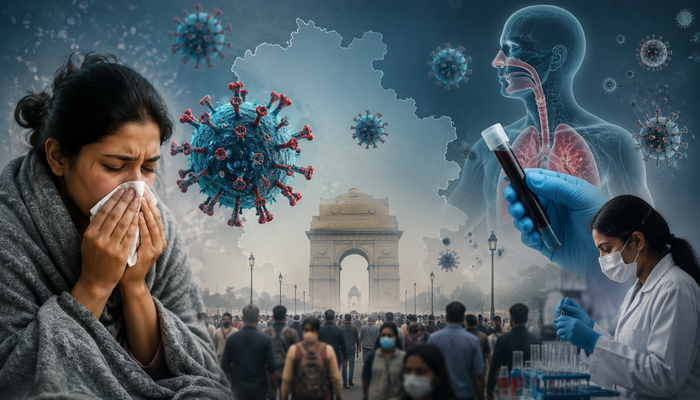
H1N1, also called swine flu, is spreading more widely in Delhi-NCR this year.
Delhi has reported 1,777 cases, compared with 229 at the same time last year.
Doctors are seeing more people with fever, cough, body aches, and other flu-like symptoms.
Some patients are having trouble breathing or developing low oxygen levels.
Health officials met to check whether hospitals, laboratories, and treatment services are ready.
Union Health Minister JP Nadda also reviewed the situation with Delhi and central officials.
Officials said the situation should not cause general panic and is not being called an outbreak.
Older people, young children, pregnant women, and people with certain health conditions face greater risks.
People with serious or worsening symptoms should seek medical help quickly.

Delhi has recorded 1,777 H1N1 cases so far this year, compared with 229 during the same period last year.
Doctors and hospitals are reporting more influenza-like illness, with some patients developing breathing difficulties and falling oxygen levels.
Delhi health officials met with the Municipal Corporation of Delhi and hospitals on August 20 to review preparedness and strengthen surveillance.
Union Health Minister JP Nadda reviewed the situation with Delhi and central health officials on August 21, including testing, surveillance, and hospital readiness.
Authorities said there was no need for general panic, while advising hygiene, caution, and prompt medical care for severe symptoms.
- Who
- Delhi residents, patients, doctors, hospitals, Delhi health officials, Union Health Minister JP Nadda, and central and NCT Delhi health authorities.
- What
- H1N1 cases have risen sharply in Delhi-NCR, prompting preparedness meetings and a review of surveillance, testing, treatment, and hospital capacity.
- Where
- Delhi-NCR, with particular focus on the National Capital Territory of Delhi.
- When
- The Delhi preparedness meeting was reported on August 20, and JP Nadda’s review took place or was scheduled for August 21, according to the reports.
- Why
- Officials are responding to the increase in H1N1 and other respiratory infections and assessing measures to detect, treat, monitor, and contain them.
Public-health concern
Official reassurance
Severity of the situation
Public-health concern
The sharp increase from 229 to 1,777 cases, reports of falling oxygen levels, and infections among doctors and other professionals have raised concerns about a serious respiratory-health situation.
Official reassurance
Health authorities said the situation is under control and should not cause general panic; one report said it cannot be described as an outbreak.
Government response
Public-health concern
The rise in cases has prompted calls for stronger surveillance, hospital preparedness, testing, treatment capacity, and containment measures.
Official reassurance
Officials said hospitals had been directed to maintain adequate treatment facilities and that the health system was preparing to manage seasonal influenza cases.
Key facts
- Cases this year
- Delhi has recorded 1,777 H1N1 cases so far this year.
- Last-year comparison
- Delhi recorded 229 cases during the corresponding period last year.
- Preparedness meeting
- Delhi health officials met with the Municipal Corporation of Delhi health department and hospitals on August 20.
- Ministerial review
- JP Nadda reviewed influenza surveillance, testing, laboratory monitoring, and healthcare preparedness on August 21.
- Reported symptoms
- Symptoms include fever, dry cough, sore throat, runny or blocked nose, body aches, headache, chills, and fatigue.
- Emergency warning signs
- Breathlessness, chest pain, persistent high fever, confusion, bluish lips, or worsening symptoms require medical attention.
- Higher-risk groups
- Elderly people, young children, pregnant women, and people with diabetes, chronic heart or lung disease, or weakened immunity face greater risk.
- Prevention and treatment
- Handwashing, cough etiquette, avoiding close contact while unwell, vaccination, and early medical advice were recommended; oseltamivir may work best when given early.
Quotes

Union Ministry of Health and Family Welfare
India’s central health ministry addressing coordination and preparedness for seasonal influenza.
“The Ministry continues to coordinate with States/UTs, hospitals, laboratories and other stakeholders to ensure effective surveillance, early detection, timely clinical management and proactive preparedness for seasonal influenza, including H1N1.”
 opindia.com
Pankaj Kumar Singh
Delhi health minister who attended the H1N1 preparedness review meeting.
“A report is being prepared to assess the number of cases and the overall situation. Everything is under control. There is no need for general panic. All government hospitals have been directed to ensure adequate treatment facilities.”
opindia.com
Sources

Related news

Nadda Reviews H1N1 Readiness as Delhi Cases Rise

Delhi H1N1 Cases Rise as India Reviews Flu Preparedness
Delhi H1N1 Cases Prompt Emergency Review Amid 3,000 Infections
Delhi H1N1 Cases Rise as Government Urges Mask Use
Delhi H1N1 Cases Reach 2,612 as Hospitals Heighten Preparedness
Delhi records nearly six-fold rise in H1N1 cases in 2026

Delhi Steps Up Cleanliness, Stray Animal Control Before BRICS Summit
Delhi Reclaims 100 Acres After Removing Legacy Landfill Waste

Delhi’s Cleanliness Campaign Grows Into A People’s Movement

Delhi Mayor Orders More Machinery to Clear Bhalswa Landfill
Delhi Studies Global Waste Models Amid Landfill Cleanup Race