1 day ago
H1N1 Can Cause Pneumonia: Warning Signs To Know
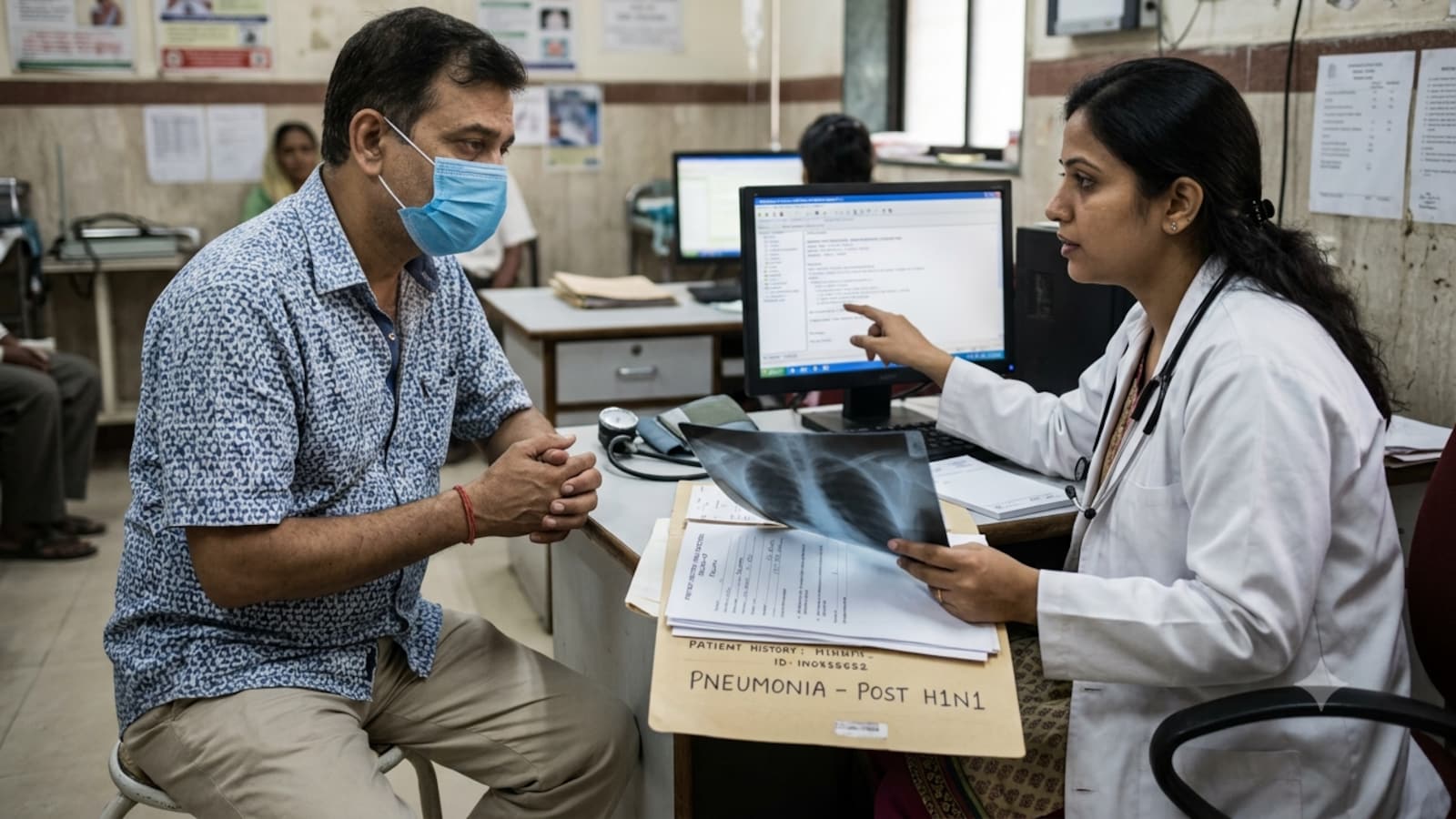
H1N1 is a flu virus that can sometimes make the lungs very sick.
It may cause pneumonia while the infection is active.
Another type of pneumonia can happen later when bacteria infect damaged lungs.
Warning signs include trouble breathing, a fever that does not improve, worsening coughing, chest pain, and extreme tiredness.
Low oxygen, confusion, or blue lips and fingertips are especially serious signs.
Older people, young children, pregnant women, and people with other illnesses have a higher risk of complications.
Doctors may use antiviral medicine, oxygen, hospital care, or antibiotics when bacteria are involved.
Getting medical help quickly can reduce the chance of severe illness.
Vaccination, handwashing, testing, rest, and hydration may help lower the risk.

H1N1 can cause viral pneumonia during infection or secondary bacterial pneumonia during recovery.
Warning signs include worsening cough, persistent fever, breathlessness, chest pain, rapid breathing, and low oxygen levels.
Severe H1N1 pneumonia may lead to respiratory failure, intensive care, ventilation, or death.
Older adults, young children, pregnant women, and people with chronic or weakened health are at higher risk.
Treatment may involve antivirals, oxygen, hospital care, and doctor-prescribed antibiotics for bacterial pneumonia.
- Who
- People infected with H1N1, especially older adults, young children, pregnant women, and people with diabetes, asthma, chronic lung disease, heart disease, or weakened immunity.
- What
- H1N1 can progress to viral pneumonia or secondary bacterial pneumonia, potentially causing breathing problems and severe complications.
- Where
- The infection affects the respiratory tract and lungs, where inflammation and fluid buildup can reduce blood oxygen levels.
- When
- Viral pneumonia may develop during active H1N1 infection, while secondary bacterial pneumonia may develop days later during recovery; medical advice is recommended when symptoms persist beyond a few days or worsen.
- Why
- H1N1 can damage lung defenses and cause inflammation, making oxygenation harder and allowing serious secondary infections to develop.
Key facts
- Main pneumonia types
- Viral pneumonia caused directly by influenza and secondary bacterial pneumonia that can develop during recovery.
- Key warning signs
- Persistent fever, worsening cough, breathlessness, rapid breathing, chest pain, wheezing, low oxygen, confusion, extreme fatigue, or bluish lips and fingertips.
- Severe complications
- Respiratory failure, intensive care admission, ventilation, hospitalisation, and death in severe cases.
- Common bacterial cause
- Streptococcus pneumoniae is identified as a common cause of secondary bacterial pneumonia.
- Reported frequency
- The article says secondary bacterial infection occurs in nearly one in four severe H1N1 cases.
- Treatment options
- Antiviral medicines, oxygen support, hospitalisation when necessary, and prescribed antibiotics for bacterial pneumonia.
- Risk reduction
- Annual influenza vaccination, hand hygiene, mask use during outbreaks, early testing, chronic-disease management, rest, and hydration.
Quotes
Dr Anurag Aggarwal
Senior Consultant in Internal Medicine at Fortis Hospital Faridabad
“For many people, flu symptoms improve within a few days. But recovery can sometimes take longer, especially when the infection has been severe. Pneumonia, another infection, or a worsening of an existing health problem can make the recovery period much longer. Older adults, young children, pregnant women, and people with other medical conditions are more likely to develop complications. In severe cases, influenza can be fatal.”
 NDTV
NDTV
“Persistent symptoms after influenza are a recognised area of medical interest. Listening to the body during recovery, recognising warning signs, and seeking timely medical advice when symptoms persist can help prevent a temporary illness from becoming a prolonged health concern.”
NDTV
Sources
Related news

Delhi H1N1 Surge Prompts Warnings About Breathing Complications

Seven Warning Signs H1N1 Flu Is Getting Worse

Emraan Hashmi Tests Positive For H1N1 Amid Health Warnings
Delhi records nearly six-fold rise in H1N1 cases in 2026

H1N1 Cases Surge as Breathing Problems Raise Health Alarms
Delhi reports six-fold rise in H1N1 flu cases, experts warn

H1N1 Surge: Infection Can Occur Without A Fever

Health Ministry Warns Children, High-Risk Groups About H1N1

India’s H1N1 Surge Highlights Low Uptake of Flu Vaccination