2 weeks ago
Historian Reframes Chand Bibi Beyond Warrior Queen Legend

Sarah Waheed wrote a book about Chand Bibi, a powerful queen from the Deccan.
Chand Bibi ruled as a regent in two different kingdoms.
She fought against Mughal armies and negotiated with Portuguese leaders.
She could speak several languages and took part in activities such as polo and hawking.
Waheed says the Deccan was an important region, even though many histories focus more on northern empires.
She also says women in the Deccan often held political power.
People tell different stories about how Chand Bibi died during a siege.
Waheed believes these different stories show how different communities remembered her.
Her book presents Chand Bibi as an ambitious ruler with her own political goals.

Sarah Waheed’s book presents Chand Bibi as a sovereign, military strategist and diplomat, not only a warrior queen.
Chand Bibi served as regent in Bijapur from 1580 to 1590 and in Ahmadnagar from 1590 to 1600.
Waheed argues that the Deccan was a major centre of political and economic power often overshadowed by North-centric histories.
Chand Bibi confronted Mughal forces, negotiated with the Portuguese viceroy and helped unite a diverse Deccan coalition.
Accounts of her death in 1600 differ, including murder, suicide and escape, and Waheed says the truth cannot be established.
- Who
- Historian Sarah Waheed wrote about Chand Bibi, a 16th-century Deccan queen who ruled in Bijapur and Ahmadnagar.
- What
- Waheed’s book, Chand Bibi: The Lives and Legends of a Warrior Queen, reexamines Chand Bibi’s political, military and diplomatic career.
- Where
- The story is centered on the Deccan, including Bijapur and Ahmadnagar, in present-day India.
- When
- Chand Bibi was a 16th-century ruler; she was besieged by Mughal forces in 1600. Waheed’s research began seven years before the interview.
- Why
- Waheed seeks to recover the Deccan’s importance and portray Chand Bibi within a broader history of female political power.
Elite Chronicles
Oral and Regional Memories
Chand Bibi’s death
Elite Chronicles
Persian chronicles associated with Firishta describe Chand Bibi as having been betrayed and murdered by her own soldiers.
Oral and Regional Memories
A Marathi source and later peasant traditions preserved an account that she escaped through a tunnel; other traditions describe suicide to protect her honor.
How history should be understood
Elite Chronicles
Written chronicles produced by elites have traditionally been treated as the most authoritative accounts.
Oral and Regional Memories
Waheed argues that oral and peasant testimony can preserve important memories and should not automatically be considered less credible.
Place of the Deccan in South Asian history
Elite Chronicles
North-centric, Mughal-focused narratives emphasize the empires that attempted to conquer the Deccan.
Oral and Regional Memories
Waheed argues that the Deccan itself was a major centre of political power and should be studied as a region with its own empires, economies and traditions.
Key facts
- Author
- Sarah Waheed, historian of South Asia at the University of California
- Book
- Chand Bibi: The Lives and Legends of a Warrior Queen
- Regency in Bijapur
- 1580–1590
- Regency in Ahmadnagar
- 1590–1600
- Languages
- Dakhani, Marathi, Persian and Kannada
- Final siege
- Chand Bibi faced Mughal Prince Danyal in 1600
- Deccan power
- The successor states of the Bahmani Sultanate commanded an estimated 700,000 square kilometres by 1600
Quotes
Sarah Waheed
Historian and author of Chand Bibi: The Lives and Legends of a Warrior Queen
“We remember the empires that tried to conquer the Deccan, but we forget that the Deccan itself was one of the great centres of political power in the early modern world.”
 scroll.in
“Any one or a combination of these possibilities could have played out. We will never know for sure.”
scroll.in
Sources
Related news
Historian Highlights Qutb Shahi Women’s Political and Cultural Influence

How Phoolan Devi Became India’s Enduring Bandit Queen Legend
Swara Bhasker’s Jauhar Remarks Revive Padmaavat’s Historical Debate
UPSC History Quiz Covers Plassey, Heritage and Assam Moidams

Swara Bhasker’s Jauhar Debate Invokes Roop Kanwar Case

Sanya Uncovers Three Generations of Buried Family Secrets
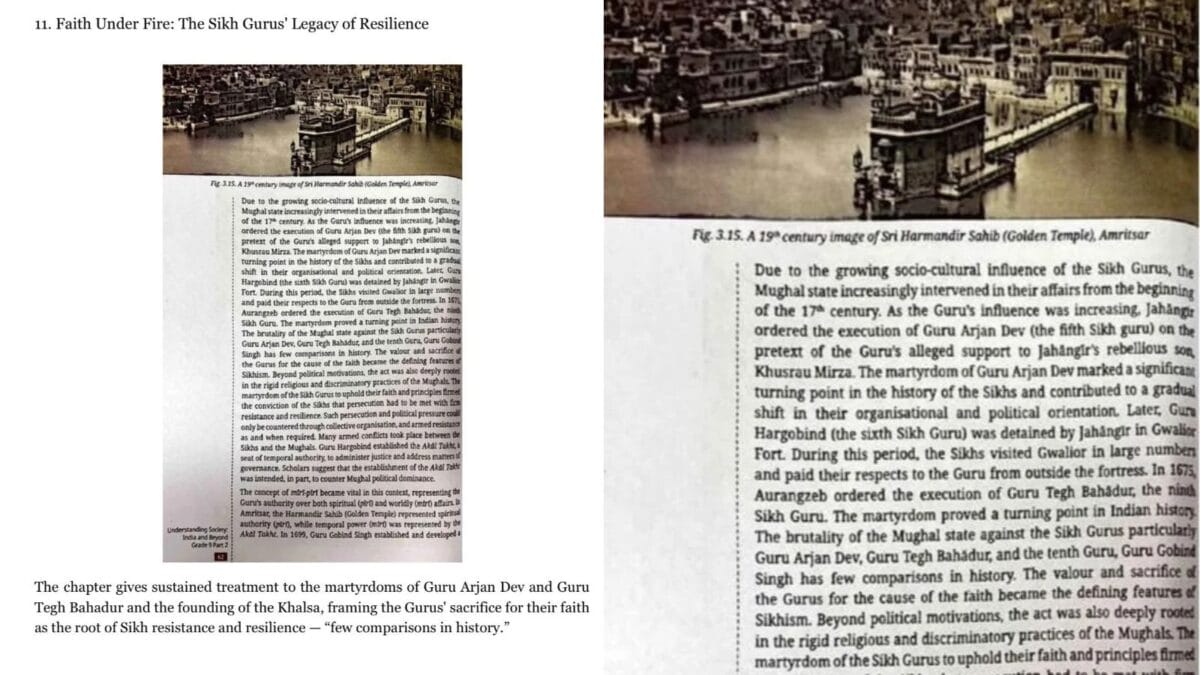
NCERT Textbook Describes Mughal Brutality Against Sikh Gurus as Unparalleled
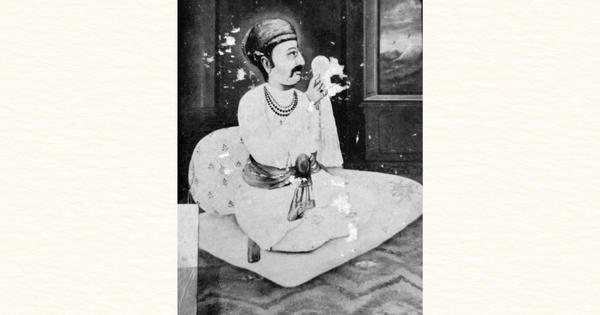
Jain Merchant Family Navigated Mughal Power and Modern Business
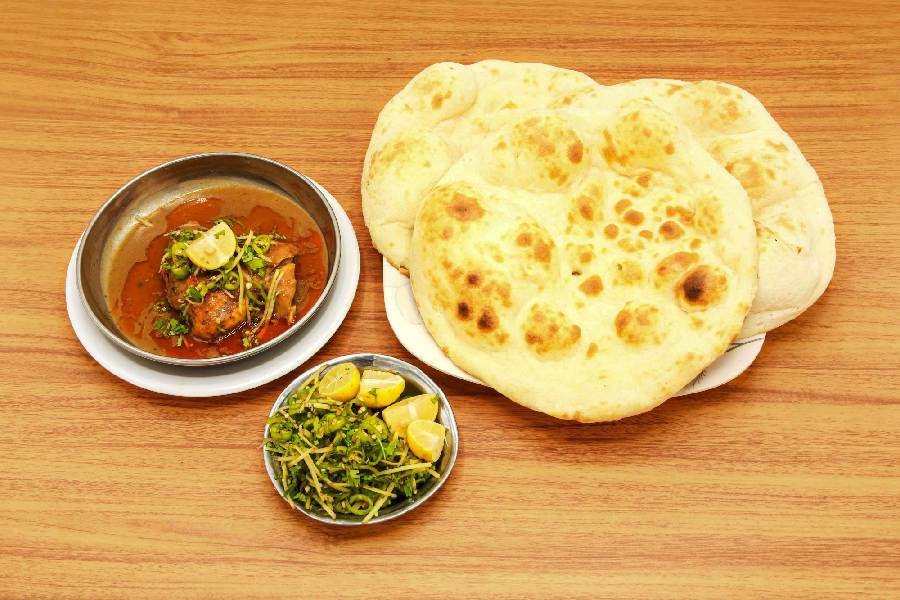
Khamiri Roti: The Indian Subcontinent’s Fermented Flatbread Tradition

Twinkle Khanna’s Mughal Food Analogy Sparks Online Backlash