1 day ago
Jain Merchant Family Navigated Mughal Power and Modern Business
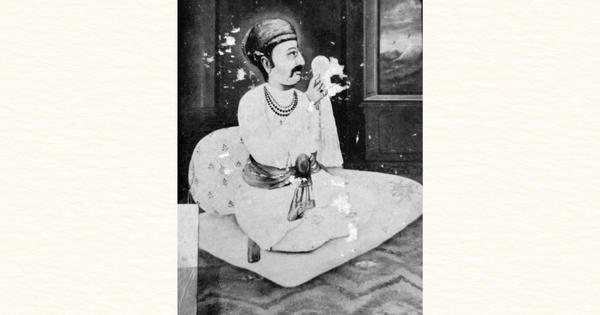
The Jhaveris were a Jain family that became wealthy merchants in Ahmedabad.
They supplied jewelry and unusual foods to Mughal rulers.
In return, some Mughal leaders gave the family protection and special privileges.
Their relationship with the government became dangerous when officials needed money to fund wars.
One family member was jailed and whipped when a governor sought financial resources.
As Mughal power weakened, merchants gained more influence over rulers and new states.
The family survived by changing its businesses when circumstances changed.
Today, its descendants, known as the Lalbhais, remain important in Ahmedabad’s business and civic life.

The Jain Jhaveri family moved from Osian to Ahmedabad in the late 16th century and built a major trading business.
Shantidas Jhaveri gained special rights from Mughal rulers by supplying jewelry and luxury goods to the imperial court.
The family later faced pressure, extortion, and violence when Mughal officials needed money for Aurangzeb’s Deccan campaigns.
As Mughal authority weakened, Gujarati merchants became influential power brokers supporting rival administrators and emerging states.
The family, now known as the Lalbh ais, survived political change by adapting its businesses and managing succession across generations.
- Who
- The Jain Jhaveri family, particularly Shantidas Jhaveri and his descendants, as discussed by author Sudev Sheth.
- What
- The family’s business, political relationships, financial risks, and succession across Mughal and modern Gujarat.
- Where
- Ahmedabad and other parts of Gujarat, including Palitana and Baroda; the family originally came from Osian in Rajasthan.
- When
- From the late 16th century through the Mughal period to the present day.
- Why
- The family’s history illustrates how merchants benefited from government ties, faced state pressure, gained political influence, and survived by adapting their businesses.
Merchant Perspective
State Perspective
Government partnerships
Merchant Perspective
Close ties with Mughal authorities created commercial opportunities, protection, and special privileges for the Jhaveris.
State Perspective
Mughal rulers and officials relied on merchants for jewelry, luxury supplies, and financing for administration and military campaigns.
State pressure and risk
Merchant Perspective
Merchants faced serious danger when governments failed to repay loans, including extortion, imprisonment, and physical violence.
State Perspective
Officials treated merchant wealth as a resource for sustaining an overextended army and bureaucracy during prolonged conflict.
Political influence
Merchant Perspective
As central authority weakened, Gujarati merchants used their wealth to support political contenders and gain influence over states.
State Perspective
Emerging administrators and kingdoms depended on merchant families such as the Haribhaktis to consolidate power.
Key facts
- Family origin
- The Jhaveris were a Jain family originally from Osian in Rajasthan.
- Migration
- They moved to Ahmedabad in the late 16th century, when it was a growing trading center.
- Key patriarch
- Shantidas Jhaveri lived approximately from 1584 to 1659.
- Mughal relationship
- Shantidas supplied jewelry and luxury goods to Mughal authorities and received special rights.
- Major danger
- Gujarati merchant bankers faced extortion and violence when officials could not repay state loans.
- Political influence
- As Mughal power weakened, merchants helped support rival administrators and emerging kingdoms.
- Modern descendants
- The family is now known as the Lalbhais and remains associated with Arvind Limited and Ahmedabad civic institutions.
Quotes
Georges Roques
French traveler commenting on merchants who financed the state through debt.
“It is a very dangerous business, and I have not seen many people who do it and whose nose does not end up in the earth.”
 scroll.in
Sudev Sheth
Author of Bankrolling Empire and guest featured in the podcast episode.
“Business families survive because they are business agnostic.”
scroll.in
Sources
Related news
Book Review Reframes Aurangzeb and Mughal Imperial Power

Piyush Desai, Wagh Bakri Chairman, Dies at 86
Fadnavis Attacks Congress Over NCERT Coverage of Shivaji
Historian Highlights Qutb Shahi Women’s Political and Cultural Influence

Gujarat High Court Upholds Dawoodi Bohra Shrine Claim in Patan

Yogi Links Uttar Pradesh's Pre-2017 Mafia Image to Textiles

Delhi’s Red Fort Launches Jai Hind Sound And Light Show

Pakistan Tightens Islamabad Security Ahead of Rival Protest Marches

Pakistan PTI March Tensions Rise as Sister Arrested