19 hrs ago
Swara Bhasker’s Jauhar Debate Invokes Roop Kanwar Case

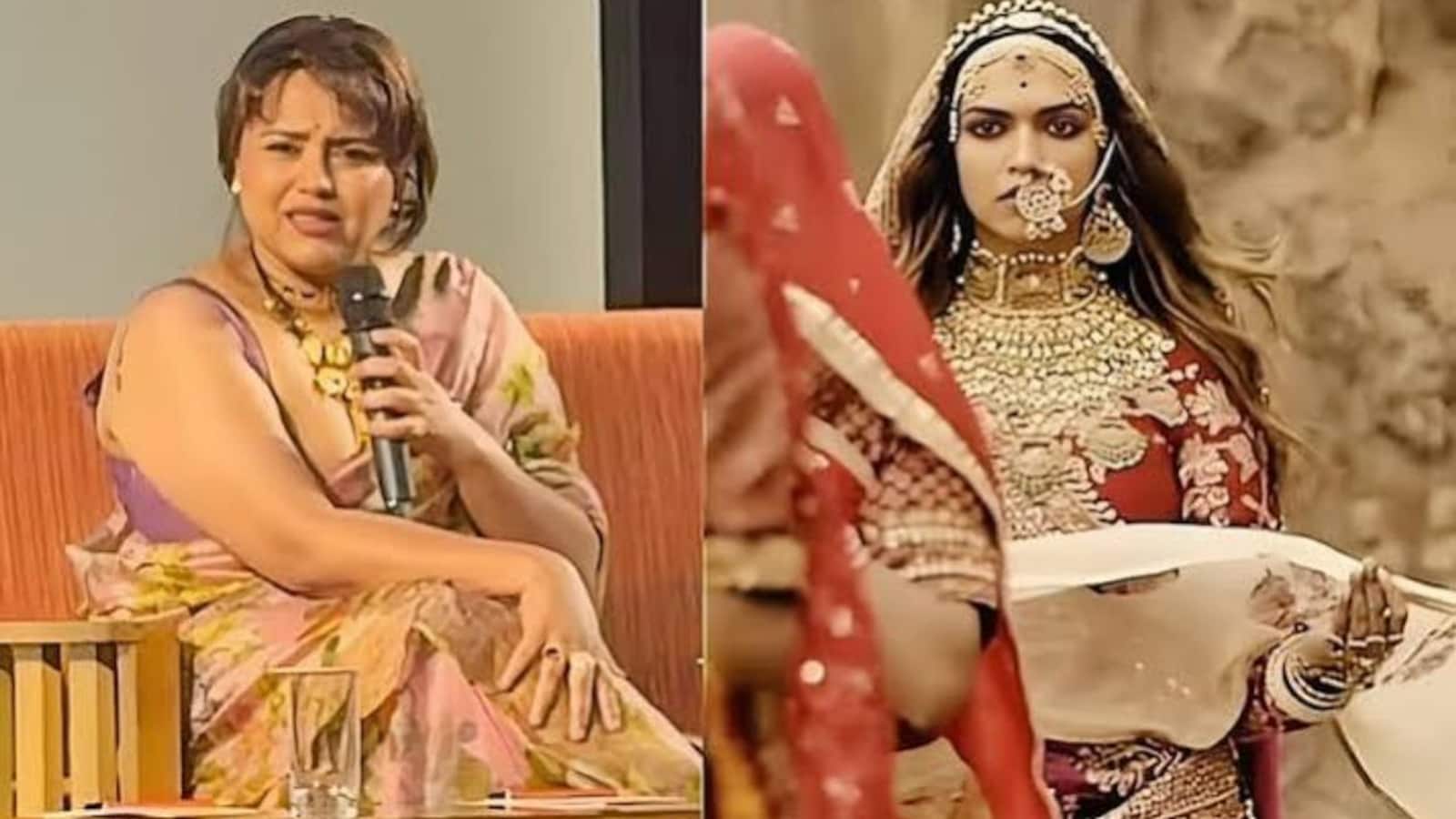
Swara Bhasker and her critics are arguing about Jauhar, a historical practice associated with women in besieged Rajput forts.
Bhasker says Jauhar was a violent custom that should not be defended.
Her critics say people must consider why women in those wars feared capture and abuse.
Bhasker also mentioned Roop Kanwar, a young widow who died on her husband’s funeral pyre in 1987.
Her critics say that case involved Sati, not Jauhar.
Sati traditionally involved a widow dying on her husband’s funeral pyre, while Jauhar involved groups of women dying during wartime defeat.
Bhasker says her comments about cowardice were misunderstood.
The argument is about how to discuss painful history without approving such acts today.
Everyone agrees that women should not be forced or encouraged to die in this way in modern India.

Swara Bhasker criticized Jauhar as a brutal practice and responded angrily to those defending its historical context.
Bhasker invoked the 1987 death of 18-year-old Roop Kanwar on her husband’s funeral pyre in Rajasthan.
Critics argue that Sati and Jauhar were distinct practices shaped by different historical circumstances.
Bhasker has said her earlier comments about cowardice were misrepresented and that she did not call Padmaavat’s women cowards.
The dispute centers on whether Jauhar should be judged primarily by modern moral standards or understood through the circumstances of historical sieges.
- Who
- Actor Swara Bhasker and people criticizing or defending her comments about Jauhar.
- What
- A public dispute over Jauhar, its portrayal in Padmaavat, and Bhasker’s comparison with the Roop Kanwar Sati case.
- Where
- The debate concerns historical Rajput forts and the Roop Kanwar case in Deorala, Rajasthan, with the exchange taking place publicly online.
- When
- Bhasker’s response was posted on September 4, 2026; Roop Kanwar died on September 4, 1987.
- Why
- The disagreement concerns whether Jauhar should be condemned as violence against women or analyzed in the context of wartime defeat and feared capture.
Bhasker’s criticism
Historical-context defense
How Jauhar should be assessed
Bhasker’s criticism
Bhasker characterizes Jauhar as a gruesome, socially sanctioned form of violence against women and objects to its presentation without strong criticism.
Historical-context defense
Her critics say Jauhar must be understood in the context of sieges, military defeat, and women’s fear of capture, enslavement, or sexual violence.
Relevance of Roop Kanwar
Bhasker’s criticism
Bhasker invoked the Roop Kanwar case while arguing against attempts to find nuance in or defend Jauhar.
Historical-context defense
Her critics say Roop Kanwar’s death was a modern Sati case involving alleged coercion and should not be conflated with the wartime practice of Jauhar.
Modern judgment versus historical context
Bhasker’s criticism
The criticism emphasizes that customs involving women’s self-immolation should not be romanticized or defended as acceptable.
Historical-context defense
The opposing view says acknowledging the historical reasons behind Jauhar is not the same as advocating its revival or coercing women today.
Key facts
- Central figure
- Swara Bhasker
- Historical case cited
- Roop Kanwar died on her husband’s funeral pyre in Deorala, Rajasthan, in 1987.
- Sati definition
- The article describes Sati as the immolation of a widow on her deceased husband’s funeral pyre.
- Jauhar definition
- The article describes Jauhar as collective self-immolation by women facing the imminent defeat and capture of a fort.
- Film involved
- The dispute began partly over the portrayal of Jauhar in Padmaavat.
- Indian law
- The Commission of Sati (Prevention) Act, 1987, was enacted after the Roop Kanwar case and addressed Sati and its glorification.
- Bhasker’s clarification
- Bhasker said she did not call Rani Padmavati or the women who performed Jauhar cowards, arguing that her words had been misrepresented.
Sources
Related news
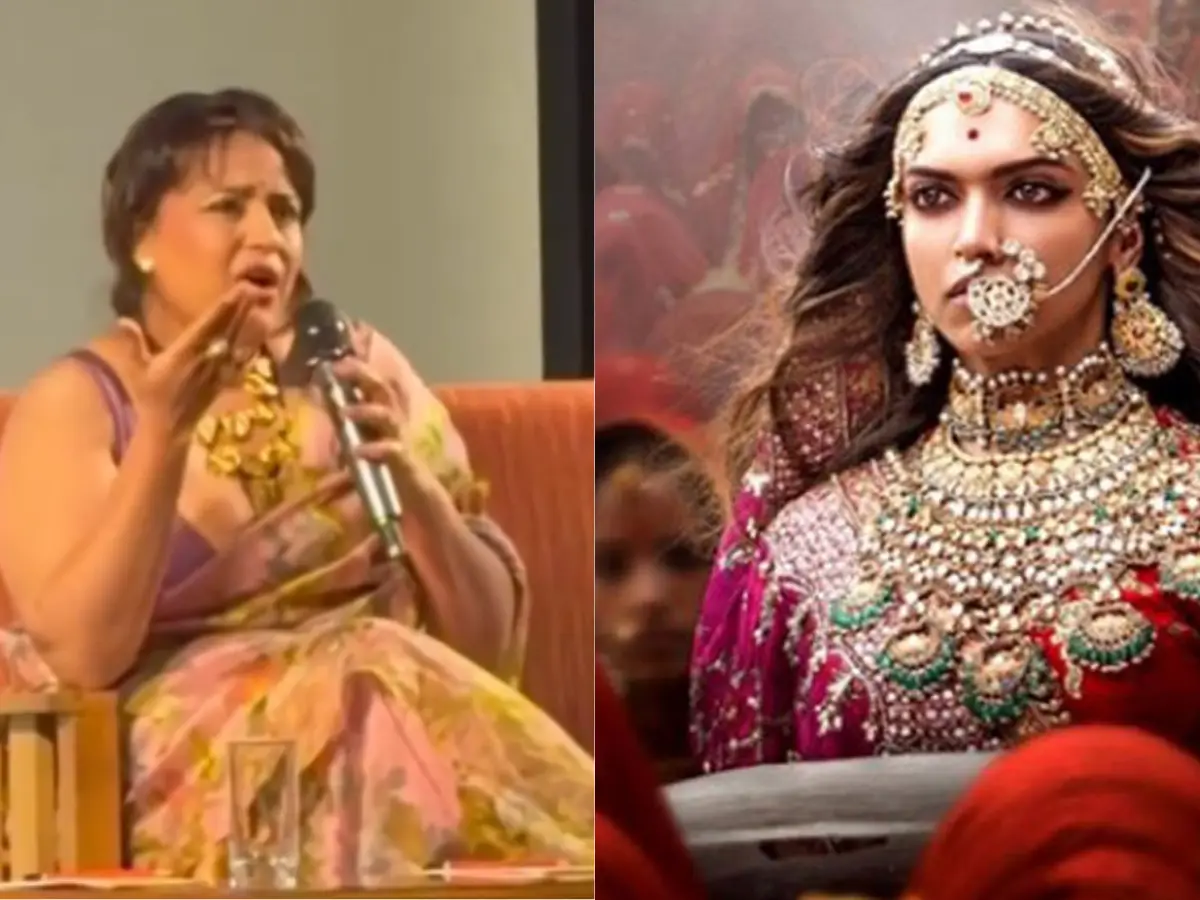
Swara Bhasker Revisits Padmaavat Jauhar Criticism Amid Online Backlash

Swara Bhasker Clarifies Padmaavat Jauhar Remarks Amid Backlash

Padmaavat Writer Defends Jauhar Scene Amid Swara Bhasker Row

Ranvir Shorey Criticises Swara Bhasker Over Padmaavat Jauhar Debate