1 week ago
Khamiri Roti: The Indian Subcontinent’s Fermented Flatbread Tradition
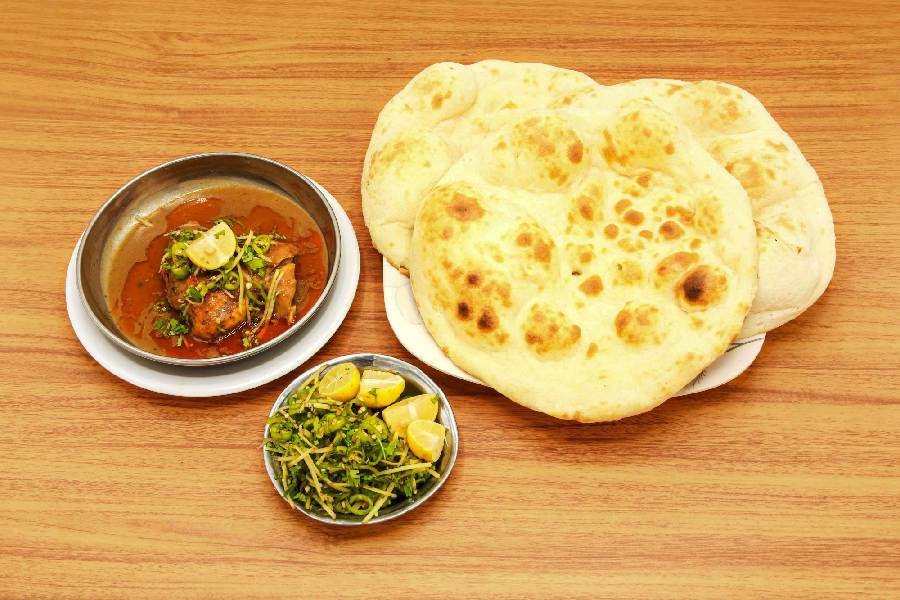
Khamiri roti is a soft, thick Indian flatbread.
It is made from whole wheat instead of refined flour.
The dough rises because it is fermented before cooking.
Traditionally, bakers used curd, wild yeast, bacteria and sometimes jaggery to help it rise.
This gives the bread a gentle sour taste.
It is different from naan, which is richer and chewier, and tandoori roti, which is thinner and crisper.
It is also not exactly the same as sourdough because the starters and fermentation conditions differ.
In Kolkata, people can eat it with korma, kababs or a little ghee.

Khamiri roti is a thick, soft and fluffy flatbread made with whole wheat and a fermented starter.
Its name comes from the Urdu word “khamir,” meaning yeast, and the bread traditionally used wild yeast, bacteria, sour milk or curd, and jaggery.
The bread emerged from the bread-making traditions of Delhi Sultanate and Mughal India, alongside naan and other tandoor breads.
Unlike sourdough, khamiri roti traditionally relies on curd and fermentation practices shaped by the warmer Indian-subcontinent climate.
In Kolkata, it is available at Karim’s and Mann-O-Salwa, and is commonly paired with korma, kababs or ghee.
- Who
- Traditional bakers, including the Naan Bais and Bhatiyaras, made breads such as khamiri roti; food researchers and restaurant owners explain its history and preparation.
- What
- Khamiri roti is a fermented, whole-wheat flatbread that is thick, soft and spongy.
- Where
- The bread is associated with the Indian subcontinent, Delhi Sultanate and Mughal India; in the article, Kolkata is identified as a place to eat it.
- When
- Its traditions developed before commercial yeast; Amir Khusrau mentioned related naan breads around 1300, while chapatti became popular in the 16th century.
- Why
- Fermentation gives whole-wheat dough its rise, soft texture and mild sourdough-like flavor.
Key facts
- Main ingredient
- Whole wheat
- Traditional fermentation
- Wild yeast and bacteria from fermenting atta, with sour milk or curd and sometimes jaggery
- Texture
- Thick, soft, fluffy and spongy
- Flavor
- Mildly sour
- Compared with naan
- Khamiri roti uses whole wheat, while naan uses refined flour, dairy and yeast
- Compared with tandoori roti
- Khamiri roti is softer and fermented, while tandoori roti is plain, thin, dense and crisp
- Kolkata restaurants
- Karim’s and Mann-O-Salwa
Quotes
Dipankar Dasgupta
Food researcher discussing the historical development of fermented flatbreads.
“A sourdough starter is a living culture of wild yeasts and lactic acid bacteria that can be kept going for years. Khamiri roti traditionally leans on curd. The real difference isn't simply ‘one uses yeast, and one uses lactose.’ Both are examples of microbial fermentation, but they involve different traditional starter cultures, ingredients, microorganisms, and fermentation environments.”
 telegraphindia.com
“Pitta bread was one of the earliest forms of flatbread. Naans were said to be cooked around the 13th century, and Chapatti became popular in the 16th Century. Khamiri roti is one of the breads that grew out of that long relationship between grain and fermentation.”
telegraphindia.com
Sources
Related news
How to Make Soft, Crisp Restaurant-Style Kulcha at Home

Six Indian Samosas Show How One Snack Breaks Every Rule
Kashmir's Wazwan Preserves 600-Year Roots as Chefs Embrace Change
How Armenians in Calcutta Shaped Bengal’s Beloved Potoler Dolma
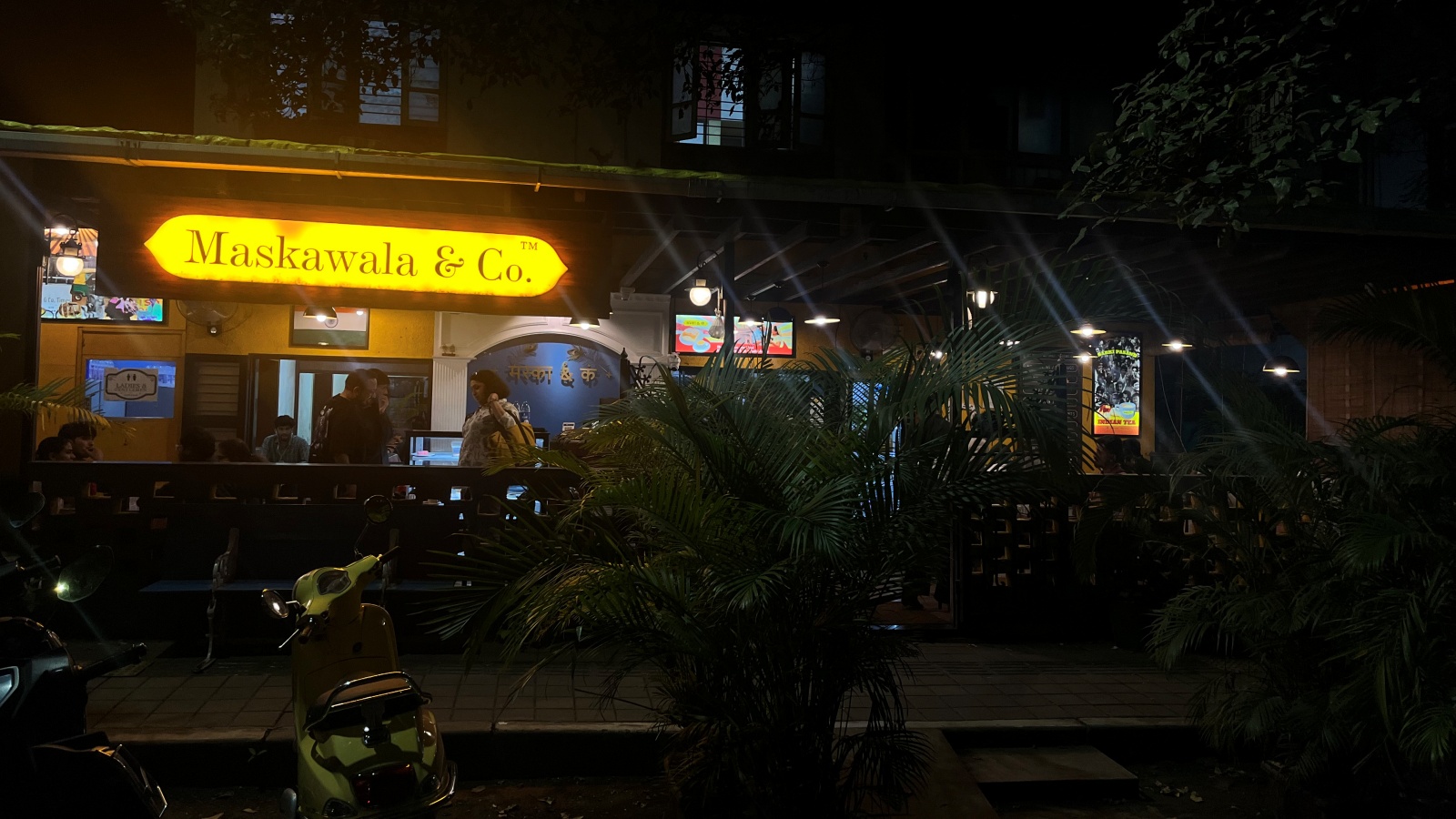
Five Pune Spots Celebrating Bun Maska, Chai and Nostalgia
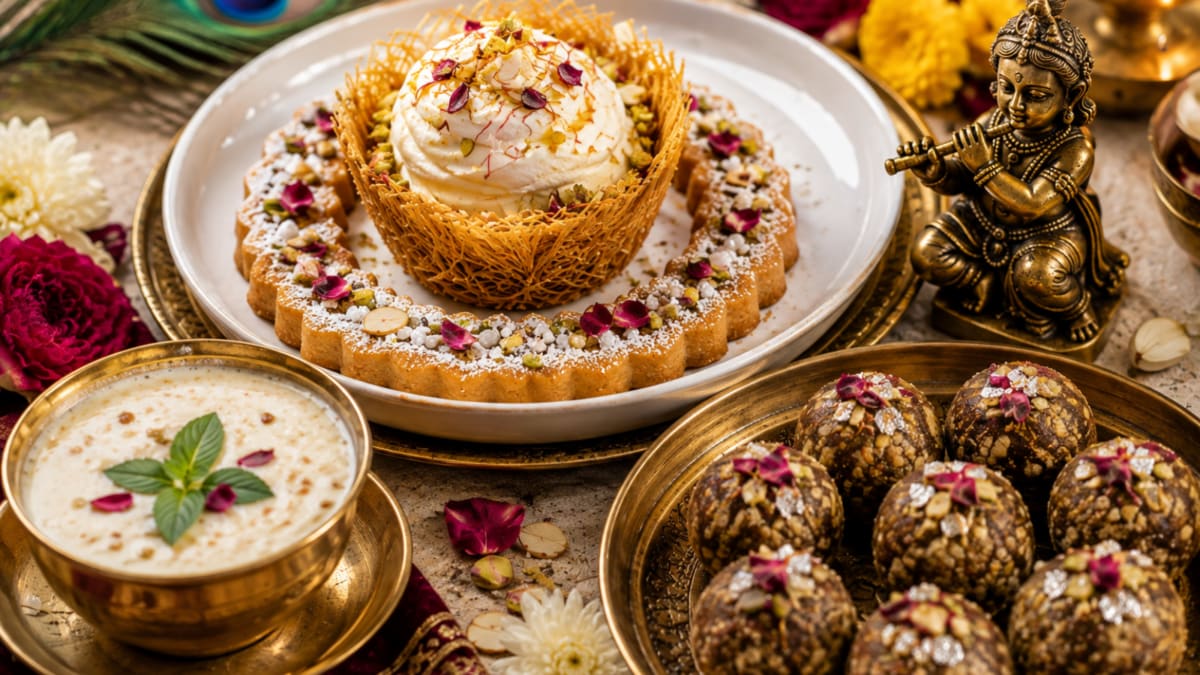
Three Janmashtami Recipes Blend Tradition With Modern Festive Flavours
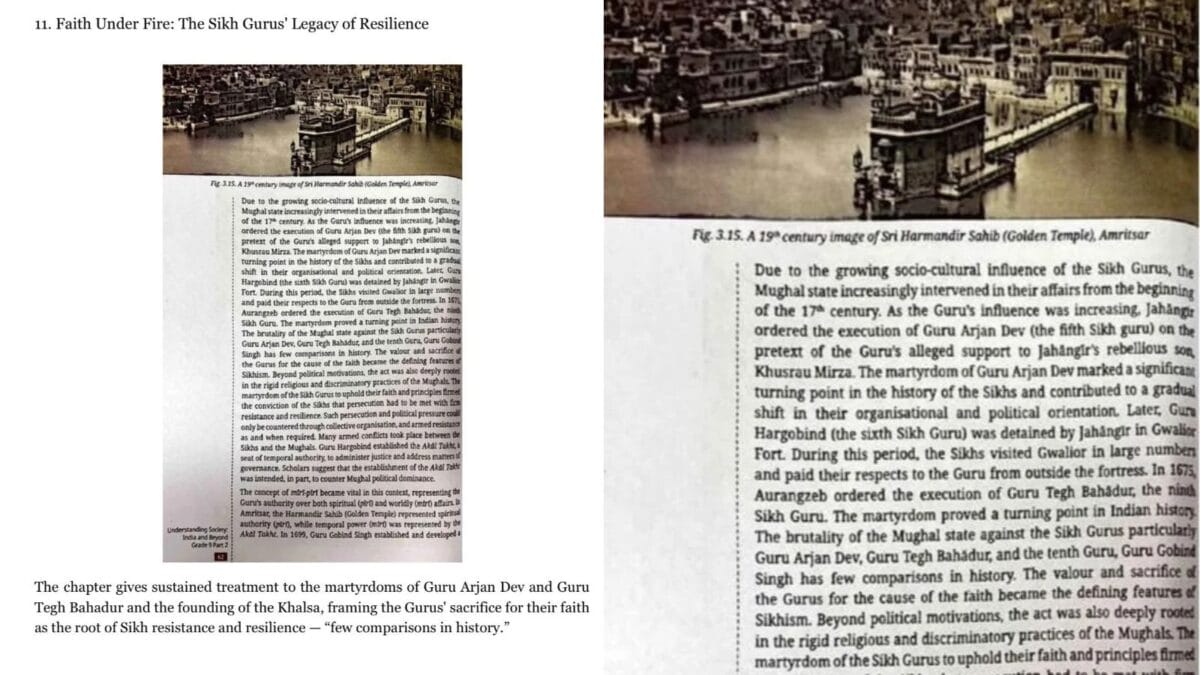
NCERT Textbook Describes Mughal Brutality Against Sikh Gurus as Unparalleled

Jain Merchant Family Navigated Mughal Power and Modern Business

Historian Reframes Chand Bibi Beyond Warrior Queen Legend

Twinkle Khanna’s Mughal Food Analogy Sparks Online Backlash