2 days ago
Book Review Reframes Aurangzeb and Mughal Imperial Power
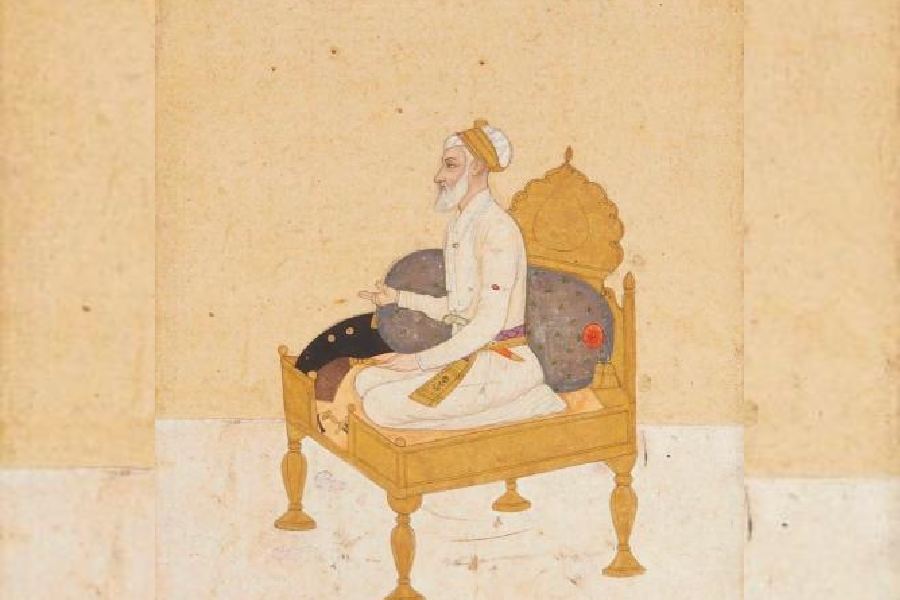
This book looks at the Mughal emperor Aurangzeb in a new way.
Many people describe him only as a harsh religious ruler.
Munis D. Faruqui instead studies how he governed and built political power.
The book says Aurangzeb used ideas from Islam to create rules for public behavior and government.
It also explains how family networks helped him become emperor.
The imperial harem and eunuchs were important parts of his political system.
Aurangzeb’s daughter Zinat al Nisa sometimes helped calm disagreements and advise him.
The book also studies how people remembered Aurangzeb after he died.
The reviewer praises the book but says it does not explain the empire’s economic foundations enough.

Munis D. Faruqui’s book offers a nuanced reassessment of Aurangzeb Alamgir and Mughal rule.
The book argues that Aurangzeb used Islam-informed policies to create a moral framework for governing, not primarily to pursue conversion.
Faruqui highlights networks, households, the imperial harem and eunuchs as important sources of Aurangzeb’s political power.
The harem served as a political, financial and informational institution, including during debates over the reimposition of the jeziya.
The reviewer praises the book’s archival research but says it gives insufficient attention to the Mughal regime’s economic foundations.
- Who
- Munis D. Faruqui, author of the book, and Aurangzeb Alamgir, its central subject.
- What
- A review of Faruqui’s book, Aurangzeb Alamgir and the Mughal Empire, which reassesses the emperor and Mughal imperial rule.
- Where
- The subject is the Mughal Empire, including its capital, the Deccan and the imperial harem’s two centres.
- When
- The book examines Mughal politics mainly in the seventeenth and eighteenth centuries; its publication date is not stated.
- Why
- The book seeks to move beyond simplistic portrayals of Aurangzeb and explain the political, religious and institutional foundations of his rule.
Key facts
- Book
- Aurangzeb Alamgir and the Mughal Empire
- Author
- Munis D. Faruqui
- Publisher
- Juggernaut
- Price
- Rs 999
- Primary sources
- Persian-language histories, records and biographies
- Major argument
- The imperial harem and eunuchate were crucial institutions supporting Aurangzeb’s power.
- Reviewer’s criticism
- The book does not sufficiently engage with the economic underpinnings of the Mughal regime.
Sources
Related news
Why Akbar’s Din-i-Ilahi Failed as a State-Building Strategy
Historical Fiction Chronicles Queen Tarabai’s Resistance To Aurangzeb
Why Hazrat Mahal Was Forgotten Despite Resisting British Rule

Fadnavis Attacks Congress Over NCERT Coverage of Shivaji

Fadnavis Targets UPA Over NCERT’s Coverage of Mughals, Shivaji

Historian Highlights Qutb Shahi Women’s Political and Cultural Influence

Tunnel Excitement Overshadows Golconda Fort’s Declining Heritage

Dharavi SSC Aspirant Wins Rs 25 Lakh on KBC 18