59 mins ago
Swara Bhasker’s Jauhar Remarks Revive Padmaavat’s Historical Debate
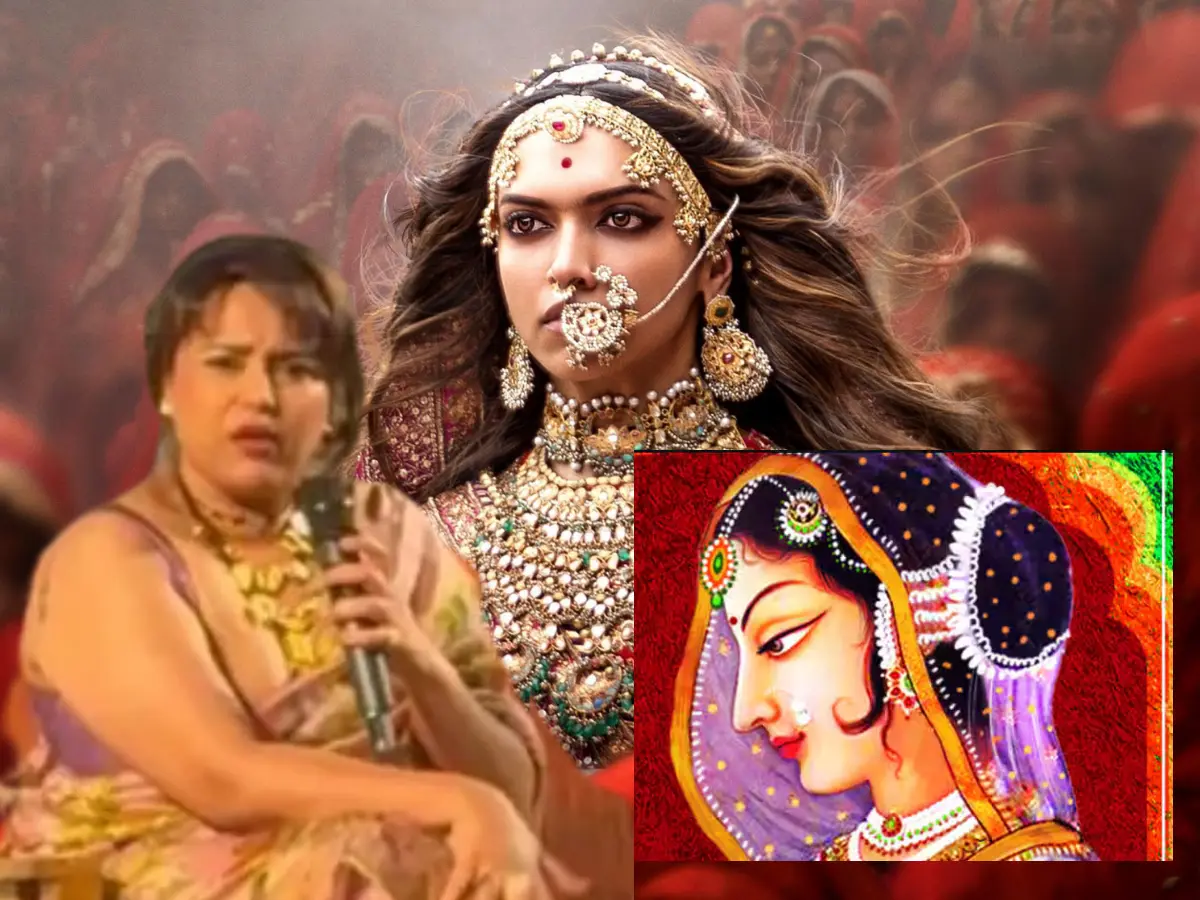
Swara Bhasker criticized a scene in the film Padmaavat that shows Queen Padmaavati and many women choosing Jauhar, or death by fire, during a war.
She asked whether the scene suggests that a woman’s life ends after rape.
She also objected to a shot showing a pregnant woman joining the Jauhar.
Some people said her comments insulted Rajput women and their history.
Others supported her for questioning the scene from a modern viewpoint.
Bhasker later said her words had been mistranslated and misrepresented.
The film is based on Malik Muhammad Jayasi’s 1540 poem Padmavat.
Historical records cited in the article describe Padmaavati as fictional, while the poem presents her as a queen connected to the siege of Chittor.

Swara Bhasker questioned Padmaavat’s portrayal of hundreds of women choosing Jauhar.
She argued the scene could stigmatize rape survivors and glorify death over survival.
Her comments drew criticism from some viewers and support from others online.
Bhasker later said her Delhi speech was mistranslated and misrepresented.
Padmaavat draws on Malik Muhammad Jayasi’s 1540 Awadhi epic poem, whose heroine’s historicity remains disputed.
- Who
- Actress Swara Bhasker, filmmaker Sanjay Leela Bhansali, and figures from Malik Muhammad Jayasi’s poem, including Padmaavati, Ratan Sen, and Alauddin Khalji.
- What
- Bhasker’s criticism of Padmaavat’s Jauhar scene revived debate about its portrayal of women, Rajput history, and Padmaavati’s historical existence.
- Where
- The remarks were made at the India International Centre in New Delhi; the story is set around Chittor and Singhal.
- When
- Bhasker made the remarks at a recent event; Jayasi’s poem was written in 1540, after the 1303 attack on Chittor.
- Why
- Bhasker questioned whether the film presents death as preferable to surviving sexual violence, while critics defended the scene’s association with honour and bravery.
Contemporary Criticism
Historical-Honour Defense
Meaning of Jauhar
Contemporary Criticism
Bhasker argued that portraying Jauhar as heroic may make rape survivors feel cowardly for choosing to live.
Historical-Honour Defense
Critics said her remarks were disrespectful to Rajput women and the historical memory associated with Jauhar.
Pregnant woman in the scene
Contemporary Criticism
Bhasker objected to the suggestion that an unborn girl should not be born because she might face sexual violence.
Historical-Honour Defense
Supporters of the film’s portrayal may view the image as part of the poem’s depiction of collective sacrifice and honour; the article does not provide a detailed rebuttal to her specific criticism.
Padmaavati’s historicity
Contemporary Criticism
The article presents Padmaavati as a fictional character according to several historical records.
Historical-Honour Defense
The legendary queen continues to be remembered by many viewers as a real symbol of courage and honour, although the article distinguishes this belief from the poem’s literary origins.
Key facts
- Film
- Sanjay Leela Bhansali’s Padmaavat
- Literary source
- Malik Muhammad Jayasi’s 1540 Awadhi Sufi epic poem Padmavat
- Historical setting
- The 1303 attack and capture of the Fort of Chittor by Sultan Alauddin Khalji
- Contested scene
- Padmaavati and hundreds of women perform Jauhar before the final battle
- Bhasker’s criticism
- She questioned the film’s implication that rape makes death necessary or preferable
- Later clarification
- Bhasker said her speech had been mistranslated and misrepresented
- Historical status
- The article says historical records describe Padmaavati as fictional, while her story is preserved in Jayasi’s poem
Quotes

Swara Bhasker
Actress speaking at an India International Centre event in New Delhi
“And then there was that one shot, it made me so mad, I was like, chiii, in the audience loudly. There is a close-up of a pregnant woman’s belly. And she is going, so you’re saying that a foetus that might be female doesn’t deserve to be born, because she might be raped by a Muslim ruler?”
 wionews.com
“Are we saying that rape is the end of a woman’s life?”
wionews.com
Sources
Related news
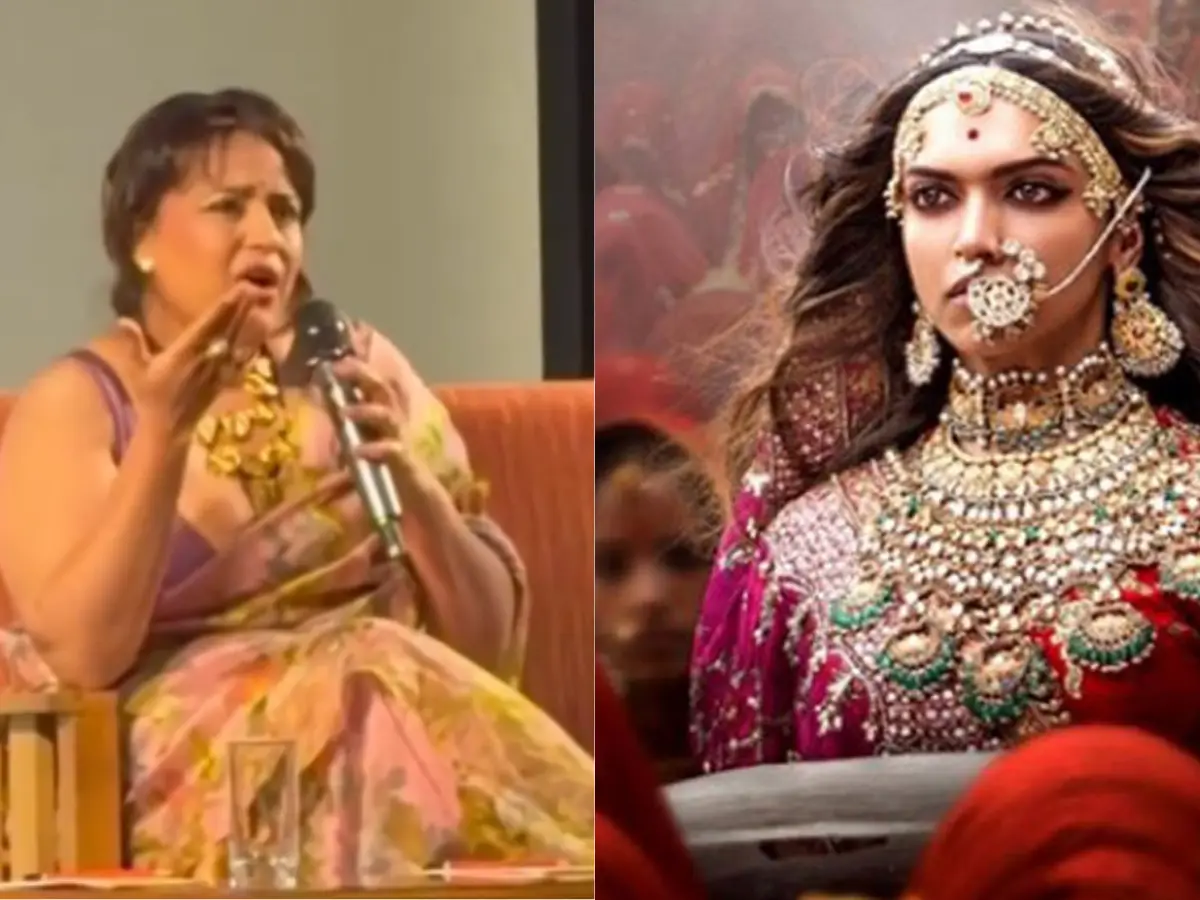
Swara Bhasker Revisits Padmaavat Jauhar Criticism Amid Online Backlash

Swara Bhasker Clarifies Padmaavat Jauhar Remarks Amid Backlash
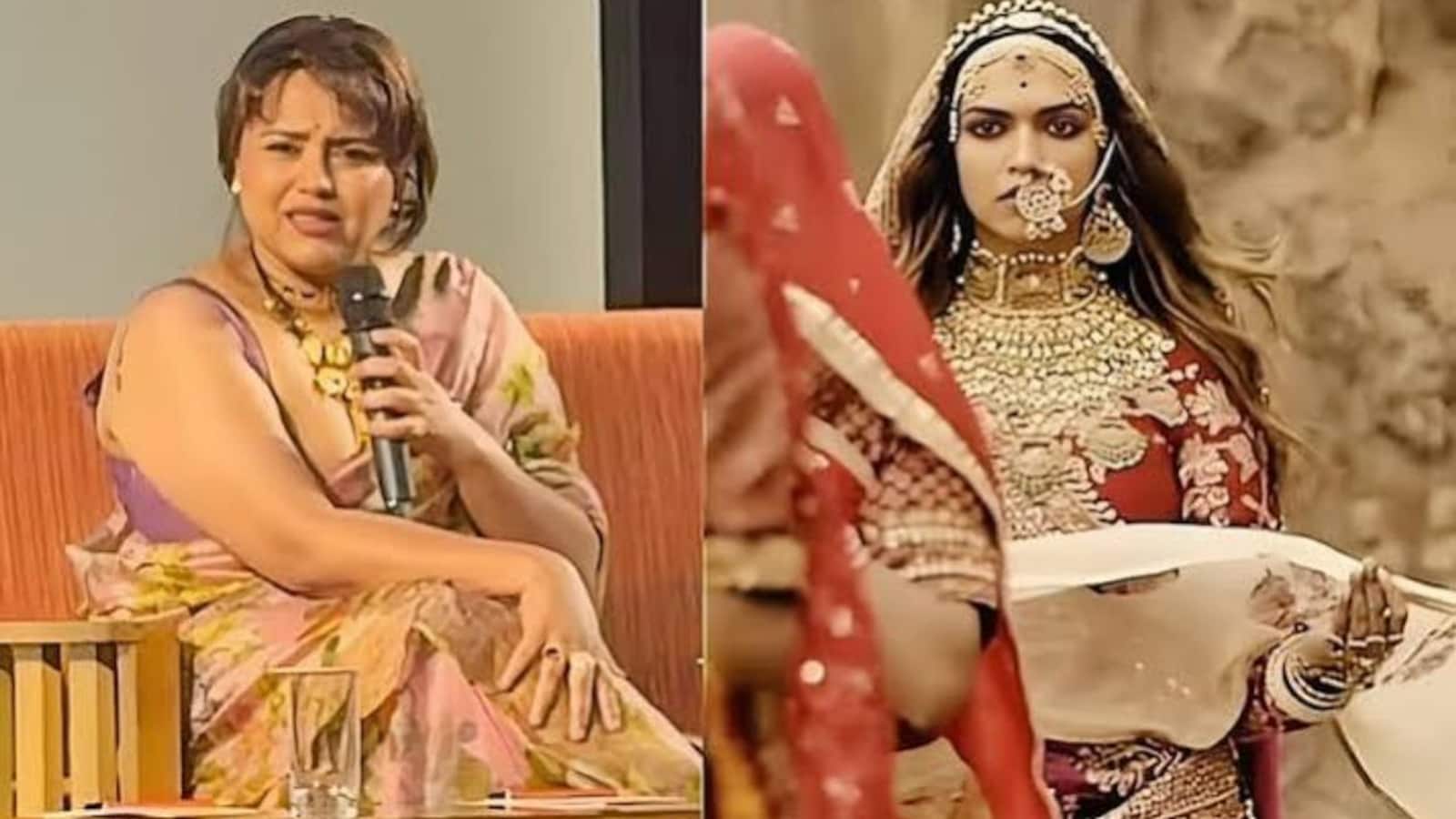
BJP, Karni Sena Criticize Swara Bhasker’s Padmaavat Comments
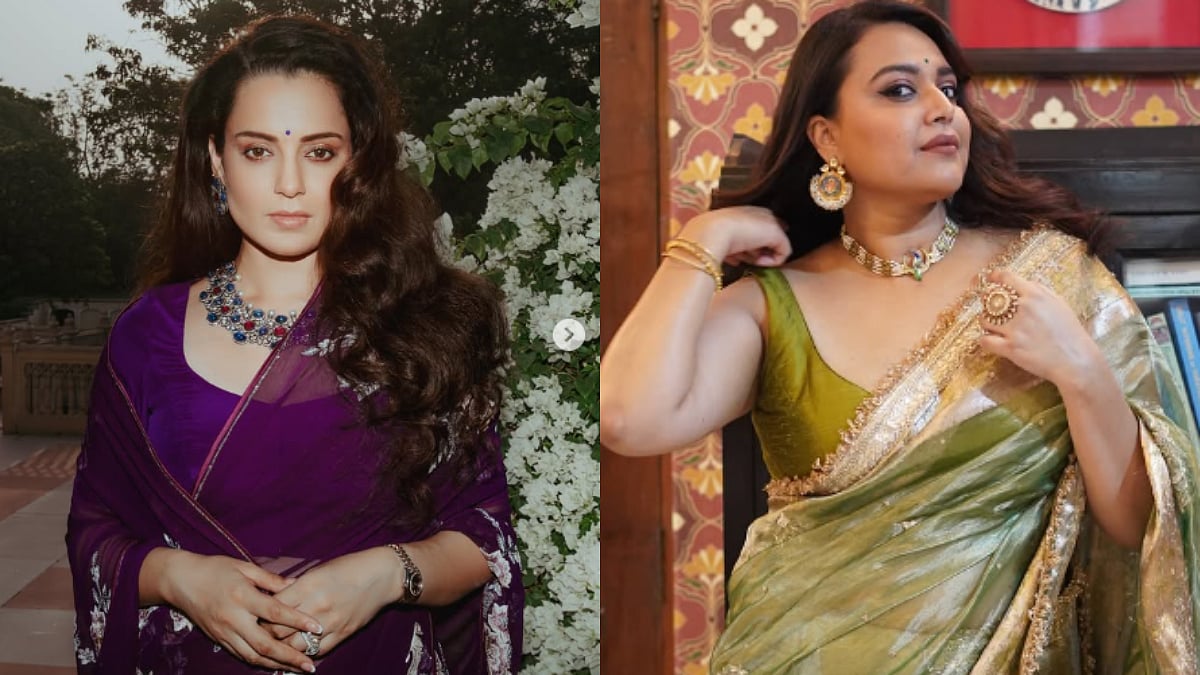
Swara Bhasker Faces Backlash Over Padmaavat Jauhar Remarks