2 days ago
India Contains Nepal Flash-Flood Surge as Ganga Erosion Threatens

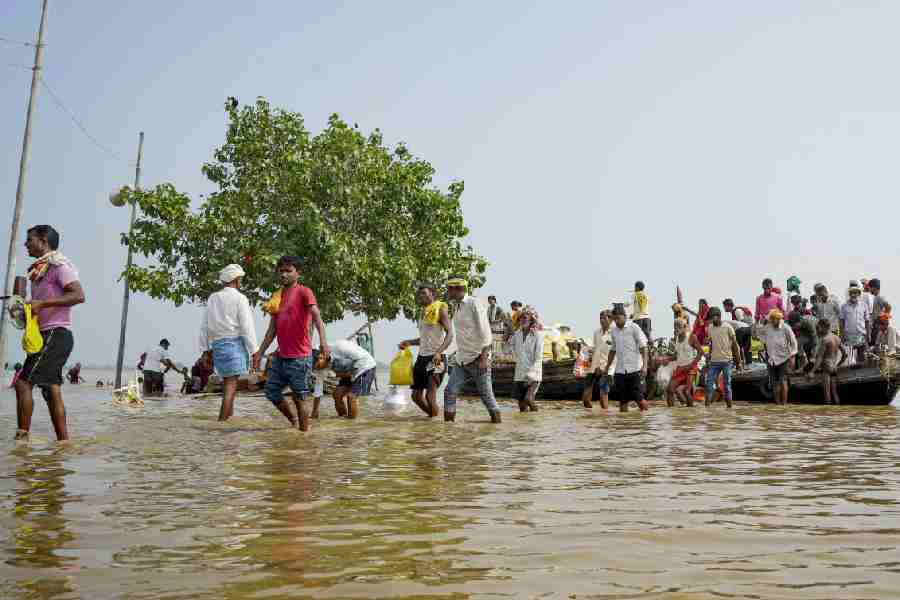
A sudden flood in Nepal sent a large amount of water toward India.
The water traveled through connected rivers, including the Gandak and Ganga.
Indian officials watched the rivers closely and opened barrage gates to let the water pass safely.
Emergency teams were also put on high alert.
Officials said northern West Bengal avoided a major flood for now.
However, the falling Ganga is eating away at riverbanks in Malda.
A primary school and several villages are threatened by erosion.
More heavy rain could still create new problems later.

A flash flood near Nepal’s Tibet border sharply raised the Trishuli River on August 26.
The Central Water Commission warned Bihar and Uttar Pradesh that a flood wave could travel through the Gandak system.
Bihar opened all 36 gates of the Gandak Barrage, releasing about 38 lakh cusecs over 22 hours.
Officials said the immediate flood threat to northern West Bengal had eased, though heavy upstream rain could change conditions.
Falling Ganga levels have increased erosion risks in Malda, where a school, homes and farmland face damage.
- Who
- Nepal’s flash-flood-affected communities, Indian water authorities, Bihar officials, the National Disaster Response Force and residents along the Ganga.
- What
- A potentially dangerous flood wave was monitored and regulated, easing the immediate flood threat while worsening riverbank erosion in Malda.
- Where
- The event affected the Trishuli-Narayani-Gandak-Ganga river system, including Bihar, northern West Bengal and Malda’s Ratua area.
- When
- The river surge began after August 26; water levels were reported on Sunday, with further risks continuing through the monsoon and possibly into early October.
- Why
- Officials released and monitored water through barrages to manage the surge, while ongoing rainfall and unstable banks continue to threaten downstream communities.
Immediate Flood Risk Has Eased
Riverbank Danger Remains Serious
Current threat
Immediate Flood Risk Has Eased
West Bengal irrigation officials said there was no immediate possibility of flooding in the state, and officials observed declining river levels.
Riverbank Danger Remains Serious
Residents and officials in Malda face continuing erosion, with a school, homes, agricultural land and villages threatened along unstable banks.
Water-management strategy
Immediate Flood Risk Has Eased
Authorities said regulated barrage operations and close monitoring safely passed the additional water through the river system.
Riverbank Danger Remains Serious
The strategy reduced the immediate flood threat but did not prevent the Ganga from damaging vulnerable banks as water receded.
Future outlook
Immediate Flood Risk Has Eased
The current surge appears to have been contained without a large-scale flood in Bihar and northern West Bengal.
Riverbank Danger Remains Serious
Officials cautioned that substantial rainfall in the upper catchment could create a different situation later in the monsoon.
Key facts
- Initial event
- The Trishuli River rose sharply after a flash flood near the Nepal-Tibet border on August 26.
- Warning agency
- The Central Water Commission advised Bihar and Uttar Pradesh about a possible downstream flood wave.
- Gandak Barrage response
- Bihar opened all 36 gates at Valmikinagar and released around 38 lakh cusecs over 22 hours.
- Reported releases
- The Valmikinagar Gandak Barrage was releasing about 1.50 lakh cusecs and the Kosi Barrage about 1.56 lakh cusecs.
- Malda water level
- The Ganga fell marginally from about 25.17 metres to 25.16 metres on Sunday.
- Erosion damage
- The retreating Ganga has swallowed part of a primary school and threatens homes, farmland and villages.
- Continuing risk
- Heavy rainfall in upper catchments could still alter conditions through September and early October.
Quotes
A senior West Bengal Irrigation Department engineer
A senior engineer with the West Bengal Irrigation Department quoted on the regional flood threat.
“This time too, we adopted a similar strategy, allowing the additional water to flow through the Ganga. As a result, a flood-like situation did not develop in North Bengal.”
 thestatesman.com
“However, if there is substantial rainfall in the upper catchment in the coming days, the situation could be different.”
thestatesman.com
Sources
Related news
Gandak River Falls, Easing Flood Threat From Nepal

Nepal Flash Flood Raises Concern as Bihar Monitors Gandak River
UP Villages Face Flood Alert as Nepal Rains Swell Gandak
Gandak Water Level Recedes in Bihar After Nepal Flash Floods
Bihar Flood Threat Grows as Rivers Swell After Nepal Floods
Nepal Deluge Raises Flood Risk Across Bihar and Uttar Pradesh

Nepal Floods Expose Climate, Geological, and Planning Risks

Bihar Warns Against Unknown Fish Carried By Nepal Floodwaters
Gandak, Kosi River Levels Rise as Bihar Officials Monitor