3 weeks ago
Pakistan Urges Muslim Nations to Join 'Islamic NATO' Defence Pact
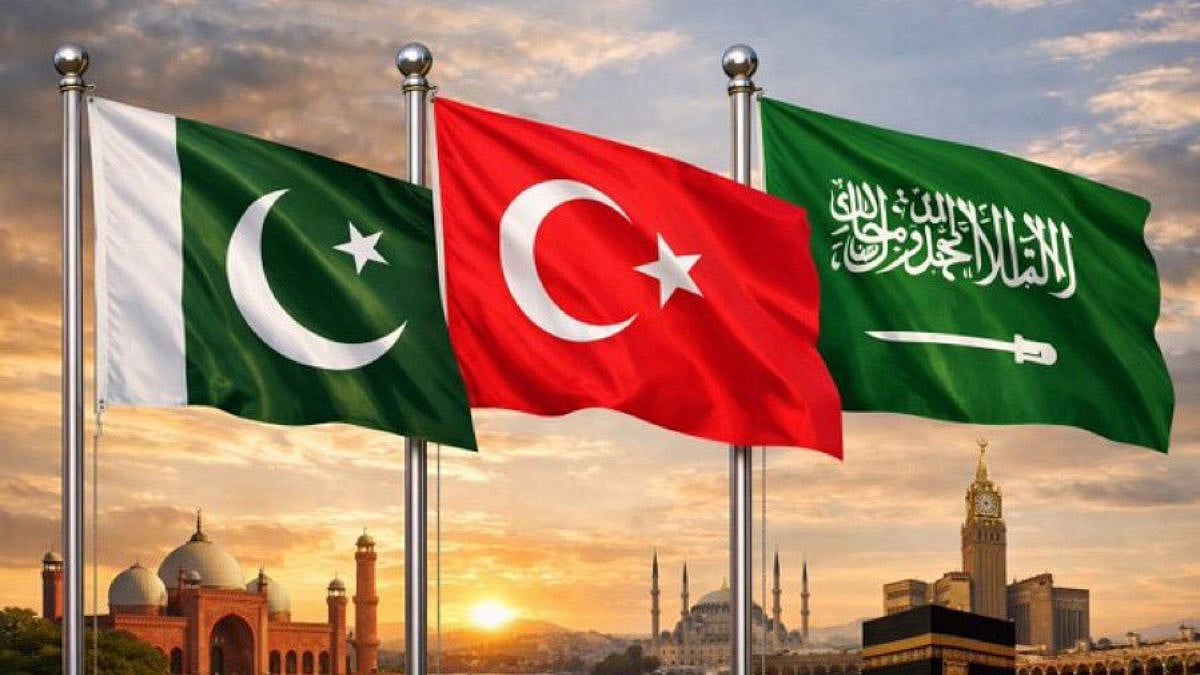
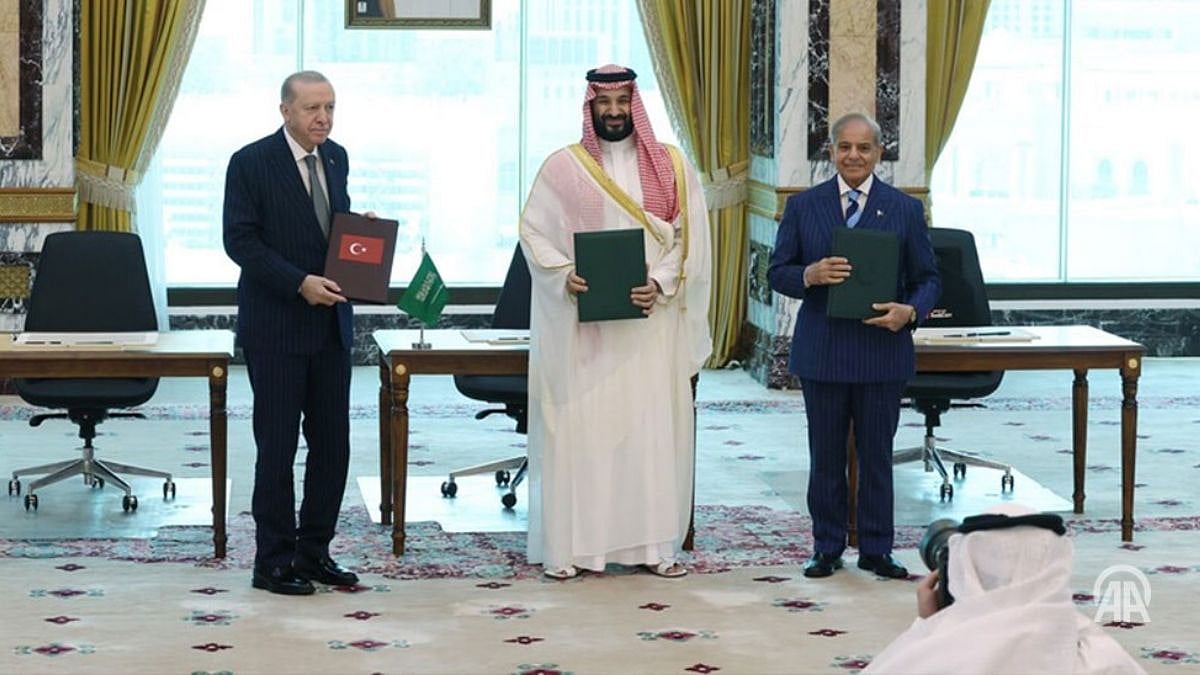
Three countries — Pakistan, Saudi Arabia and Turkey — signed a new agreement called the Mecca Joint Defence Agreement.
It is a promise that if one of them is attacked, the others will help protect it.
It works in a similar way to NATO, a large group of countries that look after each other.
Turkey's foreign minister has said the agreement is technically the same as NATO's Article 5, its mutual defence rule.
Pakistan's defence minister wants more Muslim countries to join this group.
He says the group should not be a small, exclusive club.
The leaders say the agreement is only for defence and does not threaten any country.
It was signed during a time of tension between the United States and Iran.
Egypt might join the group later.
More details about how the agreement will work are still being decided.

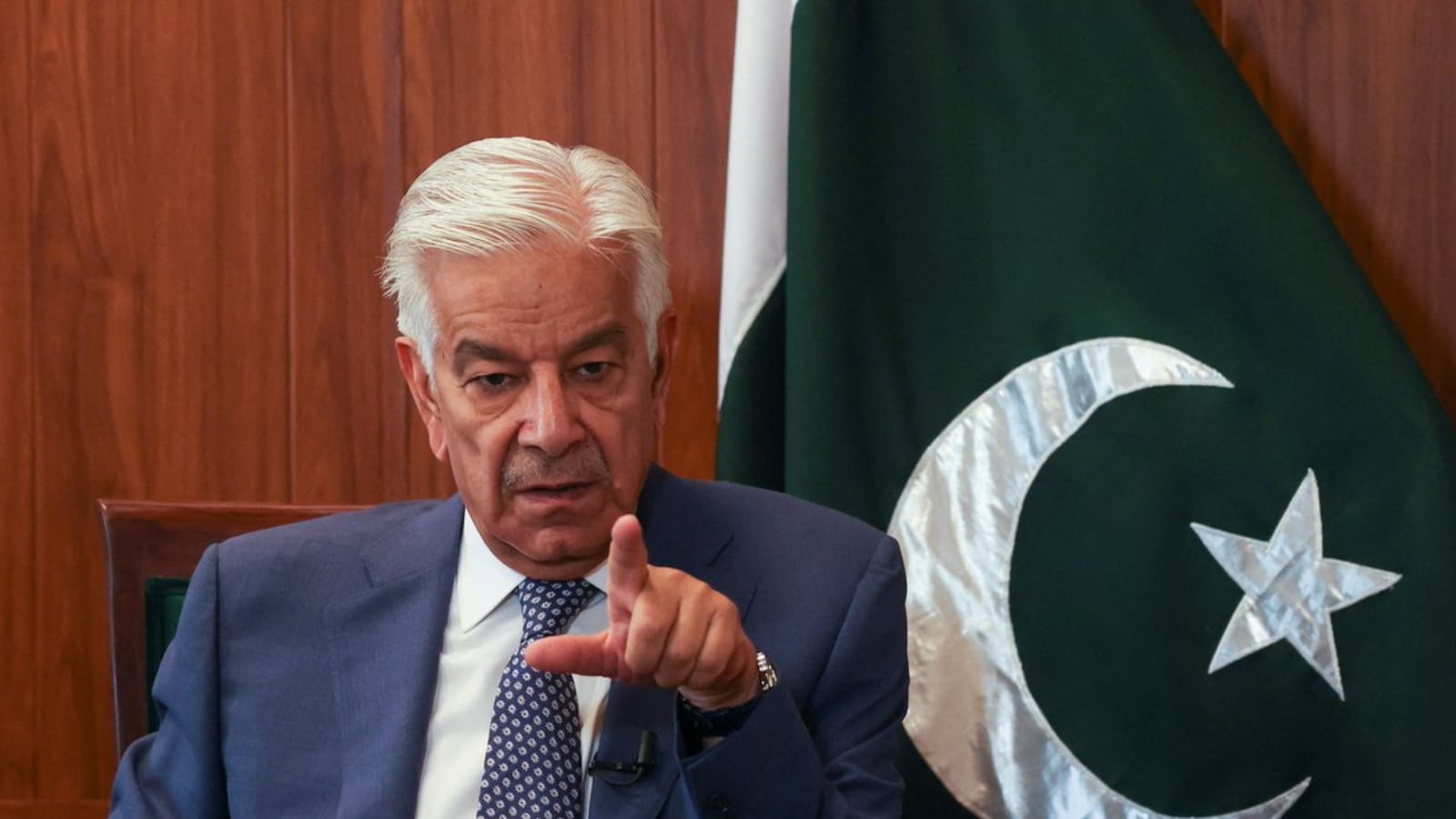
Pakistan's Defence Minister Khawaja Asif urged Muslim nations to set aside their differences and join the pact, saying it 'should not be an exclusive club.'
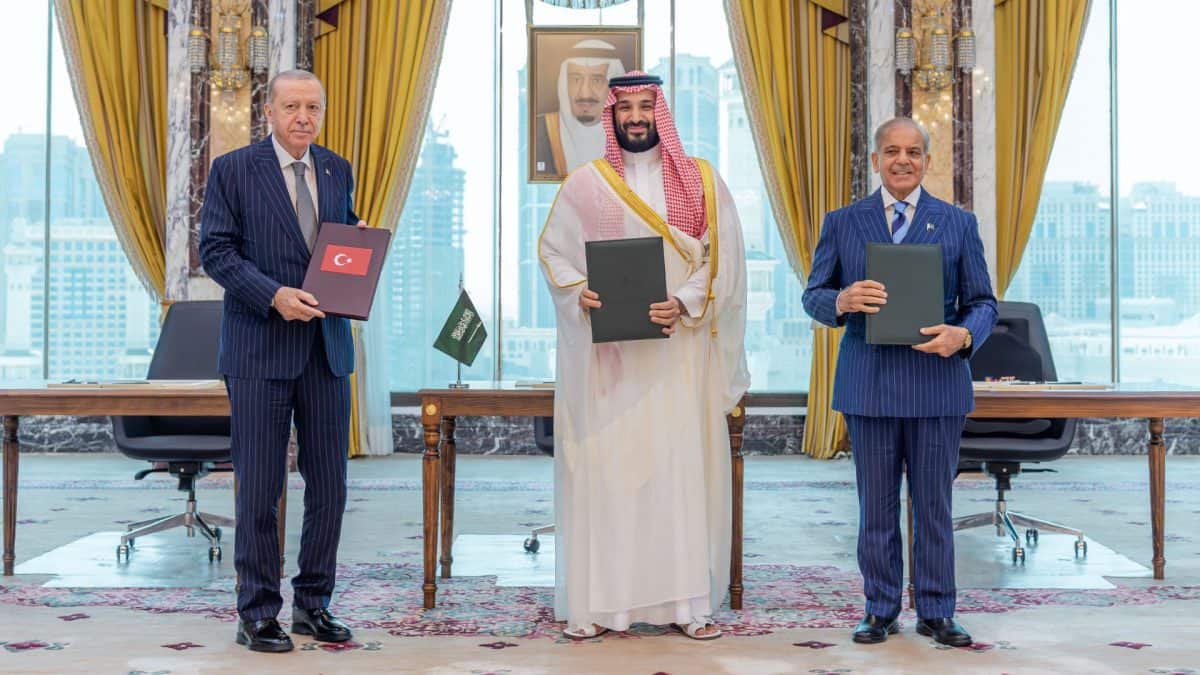
The Mecca Joint Defence Agreement was signed Friday by Prime Minister Shehbaz Sharif, Crown Prince Mohammed bin Salman and President Recep Tayyip Erdogan at a summit in Mecca.
Turkish Foreign Minister Hakan Fidan said the pact is technically similar to NATO's Article 5: an attack on one member is treated as an attack on all.
Officials insist the alliance is purely defensive, not directed against Iran or any other country, and remains open to new members, with Egypt named as a potential candidate.
The pact builds on a Pakistan-Saudi defence agreement from a year ago amid US-Iran tensions and Iranian missile fire that has reached Gulf oil exporters.
- Who
- Pakistan's Defence Minister Khawaja Asif urged Muslim nations to join; the pact was signed by Prime Minister Shehbaz Sharif, Crown Prince Mohammed bin Salman and President Recep Tayyip Erdogan, with Turkish Foreign Minister Hakan Fidan and Pakistan's Foreign Minister Ishaq Dar also commenting.
- What
- A call for Muslim nations to join the Mecca Joint Defence Agreement, a NATO-style collective defence pact among Pakistan, Saudi Arabia and Turkey.
- Where
- The pact is named after Mecca and was signed at a summit there; it links Pakistan, Saudi Arabia and Turkey.
- When
- The agreement was signed on Friday; the articles give no specific date.
- Why
- To deepen security cooperation amid heightened US-Iran tensions after Iranian missile fire reached Gulf oil-exporting countries.
Officials' Position
Analysts' Assessment
Defensive purpose
Officials' Position
Officials say the alliance is purely defensive in nature, is not directed against Iran or any other country, and no country would be viewed as a threat unless a member state is attacked.
Analysts' Assessment
Analysts believe the three countries are laying the foundations of a broader Islamic military bloc — an 'Islamic Nato' or 'Sunni Nato' — stretching from West Asia and North Africa to Central Asia.
Capacity to act like NATO
Officials' Position
Turkish Foreign Minister Hakan Fidan says the pact is technically the same as NATO's Article 5 and will have a NATO-like governance structure with a committee of ministers and a general secretariat in Saudi Arabia.
Analysts' Assessment
Analyst Aishwaria Sonavane of the Takshashila Institution says the three countries lack NATO's interoperability standards — Pakistan's military is dominated by Chinese technology and Saudi Arabia depends on US systems — and their real aim is a more modest regional deterrence network, with each country pursuing its own gains.
Key facts
- Agreement
- Mecca Joint Defence Agreement (Makkah Accord)
- Signatories
- Pakistan, Saudi Arabia, Turkey
- Signed
- Friday at a summit in Mecca
- Core provision
- An attack on any one member is treated as an attack on all, similar to NATO's Article 5
- Proposed governance
- Committee of ministers and a general secretariat based in Saudi Arabia
- Potential future member
- Egypt
- Context
- Heightened US-Iran tensions after Iranian missile fire reached Gulf oil exporters
Quotes

Khawaja Asif
Pakistan Defence Minister
“"The doors really cannot be closed to other countries. This should not be an exclusive club -- this is my personal opinion. It should expand," and "I think that, along the lines of NATO, Muslim countries should put their own differences aside--the transactional issues or bilateral disputes they have with one another -- and stand together on this one platform."”
 freepressjournal.in
 NDTV
NDTV
“The Makkah Accord does not abrogate or replace any existing bilateral or multilateral agreements between these countries, or with other countries or organizations.”
NDTV
Aishwaria Sonavane
Head of the Pakistan programme at the Takshashila Institution
“These three countries lack the institutional foundations of Nato-like interoperability. Turkey brings the experience of being a Nato member, but Pakistan’s military ecosystem is currently dominated by Chinese technology, while Saudi Arabia remains heavily dependent on US systems. The three can cooperate, and they already do so to varying degrees, but they do not possess Nato’s interoperability standards.”
 firstpost.com
“Everybody seems to have their own gains. If we look at Saudi Arabia, it needs strategic insurance. Pakistan wants investment. Turkey possibly wants to expand its defence‑industrial footprint.”
firstpost.com
Sources
Related news
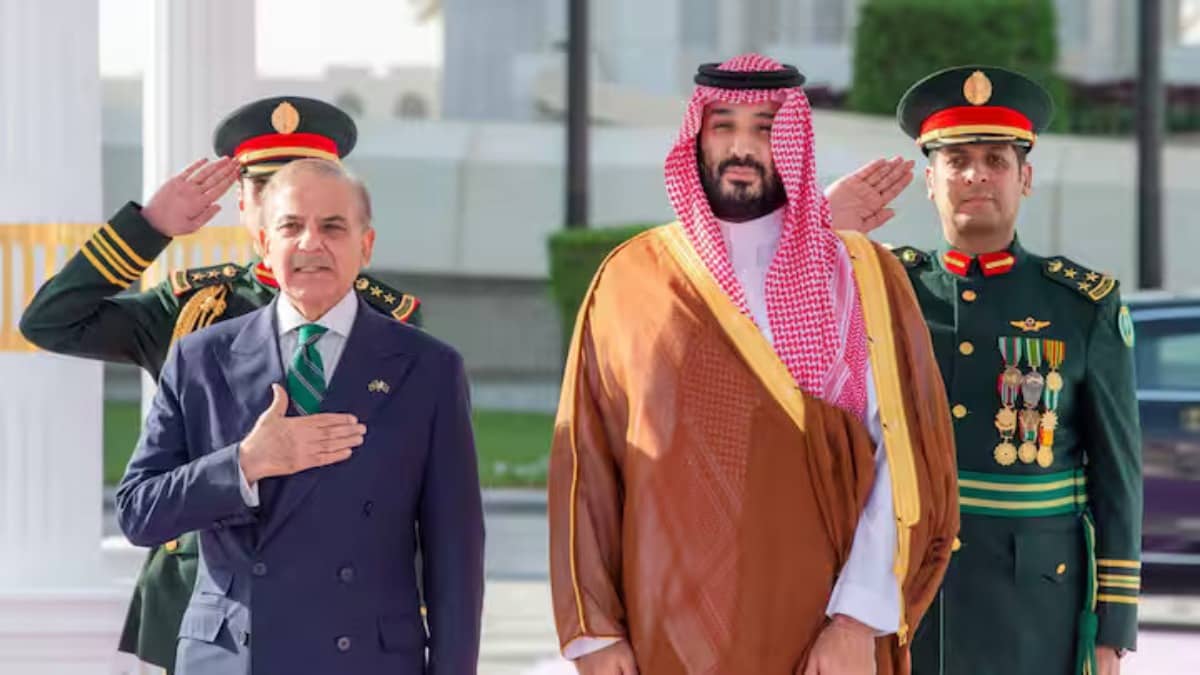
Turkiye, Saudi Arabia, Pakistan Set to Sign Joint Defence Pact
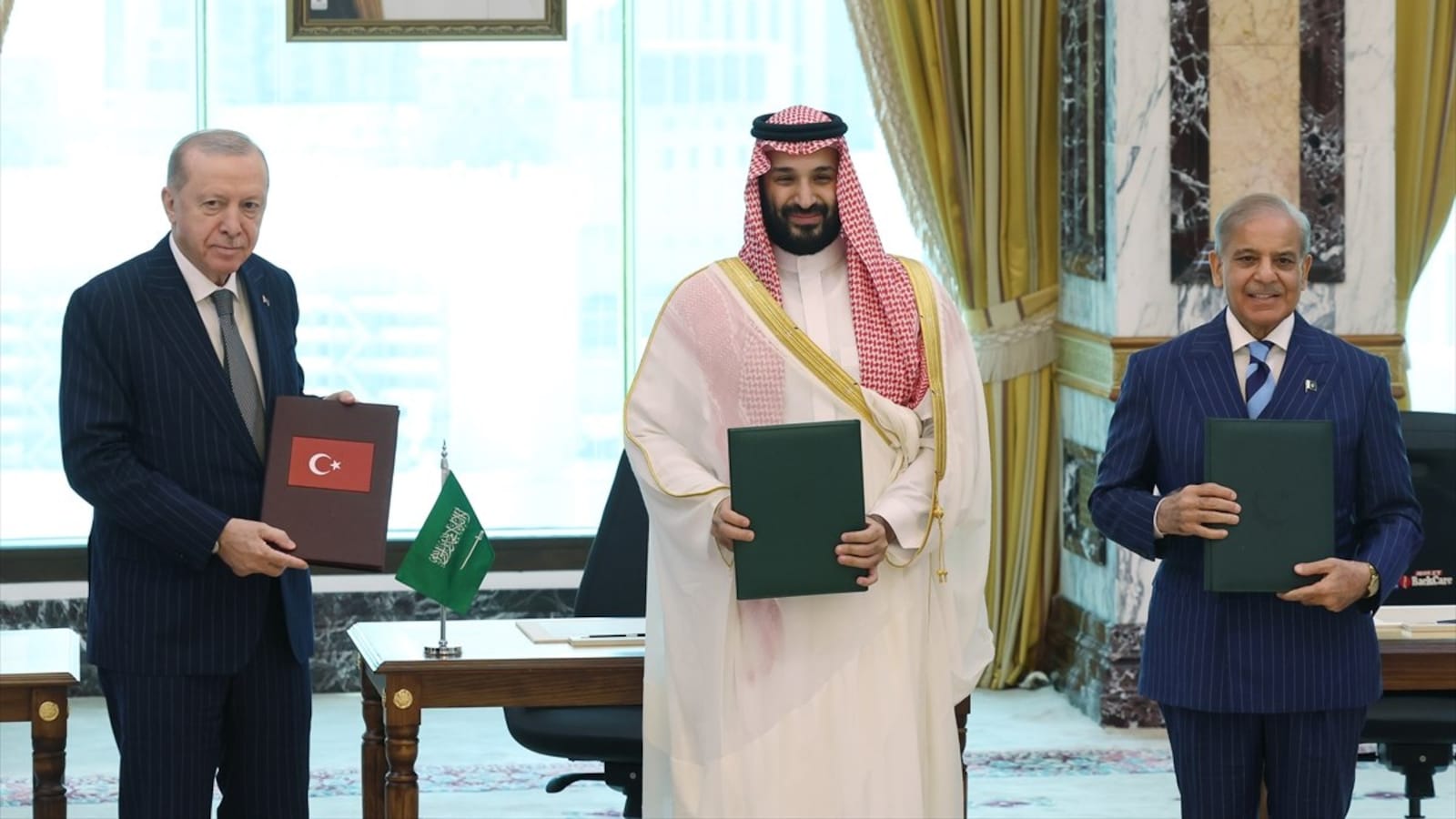
Turkey, Pakistan, Saudi Arabia defence pact mirrors NATO Article 5
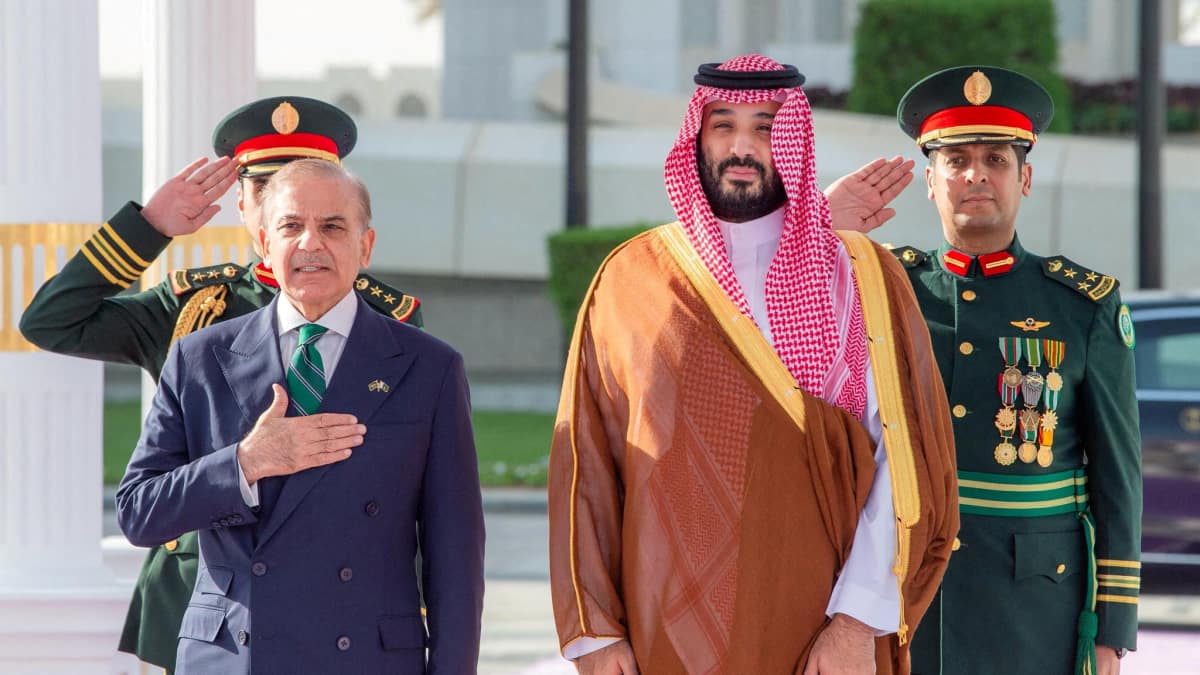
Pakistan, Saudi Arabia, Turkey Sign 'Islamic Nato' Defence Pact
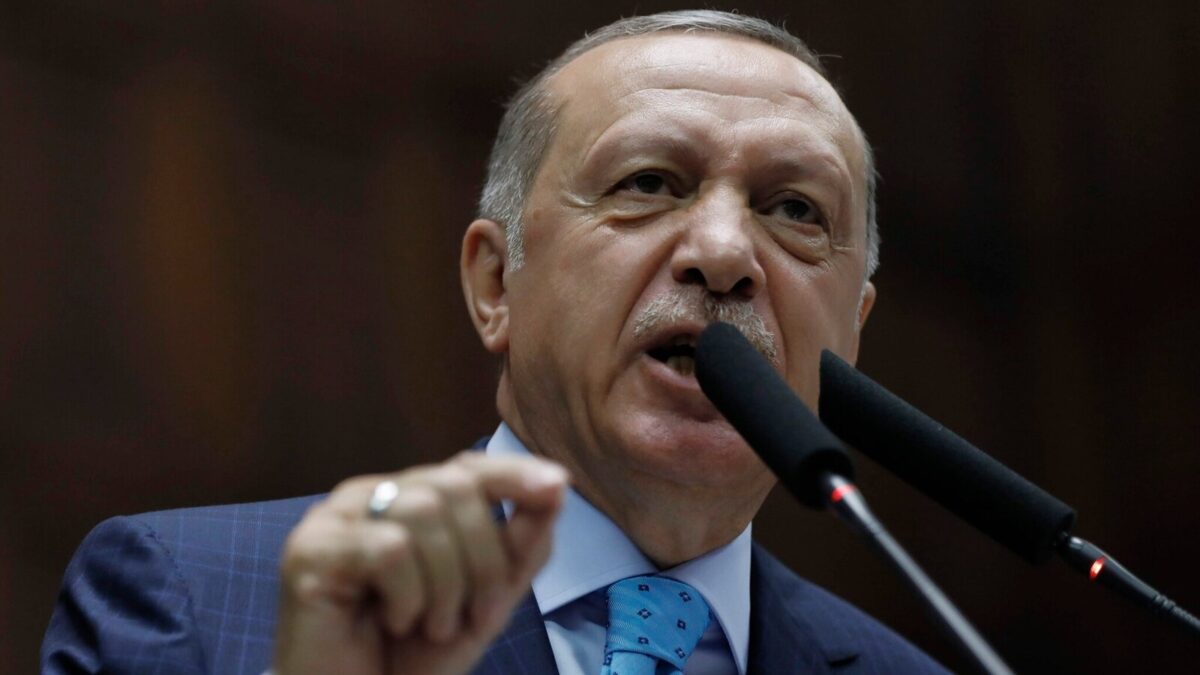
Erdogan Signals Egypt May Join Turkey-Saudi-Pakistan Defence Pact

Saudi Arabia, Turkey, Pakistan Sign Mecca Joint Defence Agreement

Turkey, Saudi Arabia and Pakistan Begin Defence Pact Talks
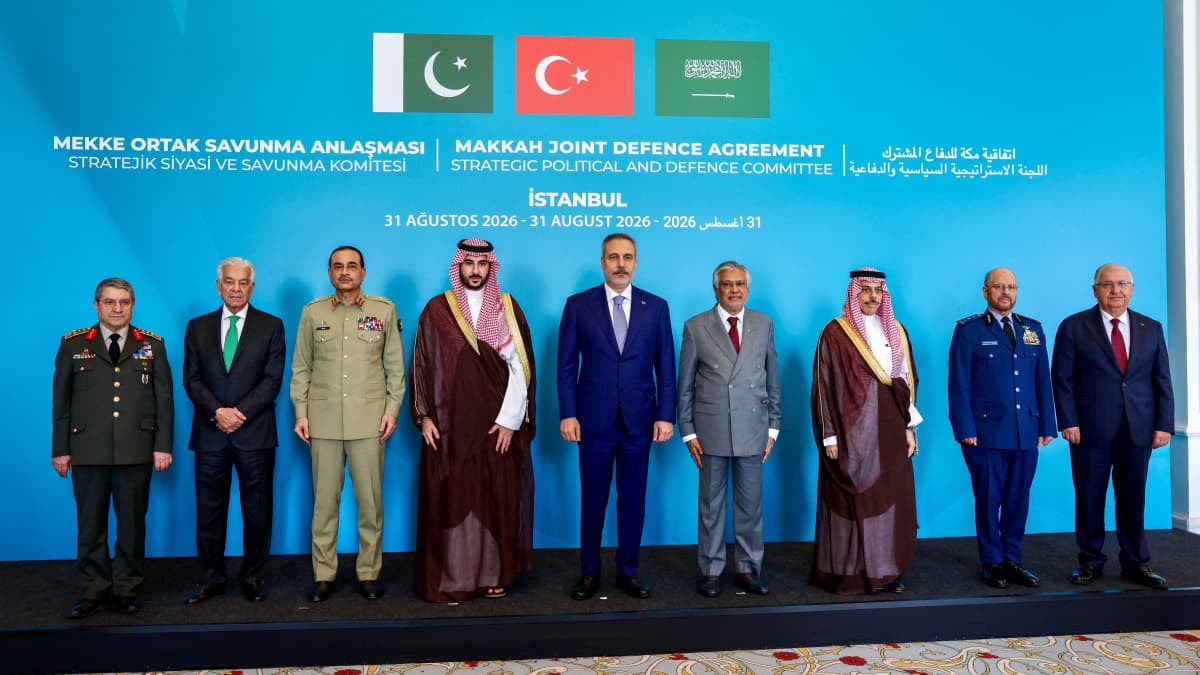
Saudi, Turkey and Pakistan Build Riyadh Defence Pact Secretariat
India Rejects Hague Ruling Upholding Pakistan Water Treaty
Pakistan, Saudi Arabia, Türkiye Hold First Makkah Pact Meeting
India Keeps Indus Treaty Suspended as Pakistan Warns Region
Iran Rejects US Threats Amid Wider West Asia Tensions