

0 months ago
India Weighs LPG, Gas Levies to Fund $42 Billion Reserve
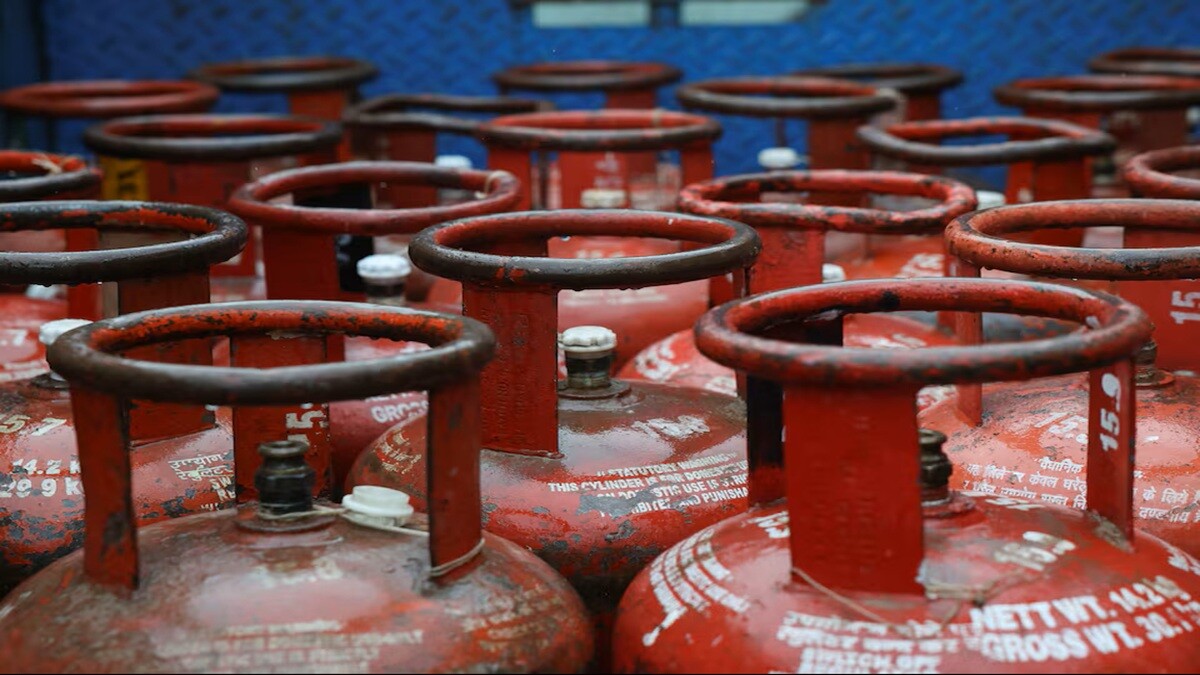
India wants to keep extra fuel in storage so that if something bad happens in the world, it still has enough energy.
Right now it stores mostly crude oil, but the new plan would also store cooking gas and natural gas.
To pay for these big storage tanks, the government might add a small charge to fuel bills.
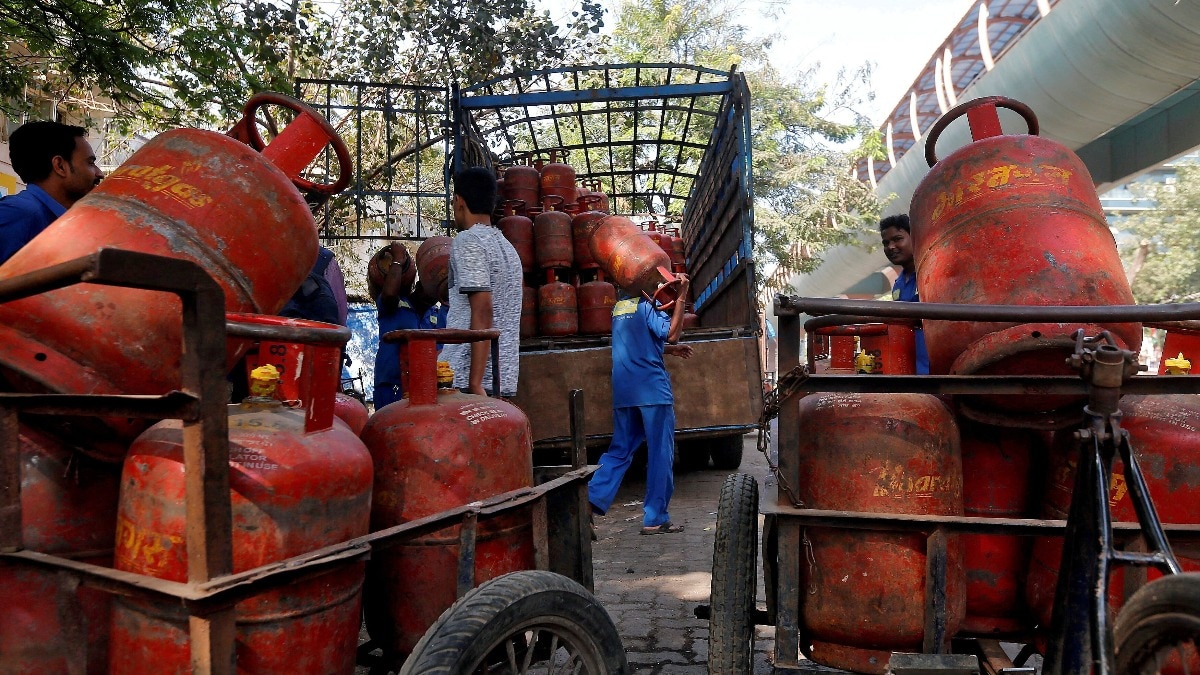
The charge would be about 18 rupees extra for a cooking gas cylinder.
The government thinks this could raise about $1.5 billion every year.
This idea came after conflict involving Iran shook world fuel supplies and made shipping through a key waterway risky.
India buys nearly all of its oil from other countries, so it wants to be better protected.
Some people are worried because fuel already costs a lot of money.
The plan is still being talked about and has not been approved yet.

India is considering levies on LPG and natural gas consumers to help fund a $42 billion strategic fuel reserve.
The reserve would expand beyond crude oil for the first time to include crude oil, LNG and LPG storage.
Proposed charges are ₹1.29 per kg on LPG and ₹1.43 per standard cubic metre on natural gas, raising about $1.5 billion annually.
The LPG levy would add around ₹18 to a standard domestic cylinder and increase household gas expenses by about 2%.
The plan, prompted by disruptions from the Iran conflict, is still under discussion and has not received Union Cabinet approval.
- Who
- The Government of India, led by Prime Minister Narendra Modi and the Union Cabinet, along with the Ministry of Petroleum and Natural Gas and LPG and natural gas consumers.
- What
- The government is considering levies on LPG and natural gas consumption to fund a $42 billion strategic fuel reserve that would add LNG and LPG storage.
- Where
- India.
- When
- Timing not specified; the proposal is under inter-ministerial discussion and pending Union Cabinet approval.
- Why
- To strengthen energy security after disruptions from the Iran conflict exposed supply chain vulnerabilities and India's heavy dependence on imported fuel.
Supporters of Consumer-Funded Reserves
Opponents Concerned About Household Costs
Paying for energy security
Supporters of Consumer-Funded Reserves
A levy-based model makes consumers contribute to building long-term fuel security infrastructure, which is needed given India's heavy import dependence.
Opponents Concerned About Household Costs
Consumers should not be asked to fund strategic reserves, and the charge is politically sensitive amid already elevated fuel prices.
Impact on household expenses
Supporters of Consumer-Funded Reserves
The roughly 2% increase in household gas expenses is a modest price for protection against future supply shocks.
Opponents Concerned About Household Costs
An extra ₹18 per LPG cylinder adds to household burdens when fuel prices are already high.
Key facts
- Reserve cost
- $42 billion strategic fuel reserve
- Proposed LPG levy
- ₹1.29 per kg (about $460 million a year)
- Proposed natural gas levy
- ₹1.43 per standard cubic metre (about $1 billion a year)
- Estimated annual revenue
- About $1.5 billion
- LPG cylinder price increase
- Around ₹18
- Household gas expense increase
- About 2%
- Reserve coverage
- About 2 months of crude oil and LNG demand; nearly 6 weeks of LPG
- Approval status
- Not yet approved by the Union Cabinet
Sources
Related news
LPG, CNG, PNG Prices Today: Latest Rates in Major Cities
August 13 LPG, CNG, PNG rates: Delhi cylinder at ₹942
India approves Rs 23,731 crore GOBARdhan biogas scheme

India plans new strategic petroleum reserves in Rajasthan, Madhya Pradesh
India Gas Prices Hold Steady as LPG Supply Plans Expand
India Reports LPG, CNG, PNG Prices Amid Supply Measures

Iran Seizes Fuel-Smuggling Vessel in Gulf, Arrests 11 Crew

Trump Floats Renaming Strait of Hormuz as “Trump Strait”

Chevron Plans $7 Billion Venezuela Expansion Amid U.S. Oil Push

Saudi Tanker Hit in Hormuz, Killing Two Filipino Sailors

Indian Stocks Extend Three-Day Losing Streak as Oil Rises
