2 hrs ago
U.S.-Iran Exchange Escalates Across Middle East, Markets Slide

The United States and Iran exchanged their biggest attacks since July.
American forces hit several Iranian military and communications sites near Iran’s southern coast.
Iran answered by firing missiles and drones at American bases in nearby countries.
Some countries said they intercepted the attacks or reported property damage.
Iran said people were killed at a wedding during the American strikes, but Reuters could not independently confirm that report.
The United States said its early assessments found no American casualties in Jordan.
Both countries say they want very different outcomes from the conflict.
The fighting also pushed oil prices higher and caused stock markets to fall.
The attacks may make energy more expensive around the world.

United States forces struck Iranian air defenses, radar systems, maritime assets, mine-laying capabilities and communications sites along Iran’s southern coast.
Iran retaliated with missile and drone attacks targeting American bases or assets in Bahrain, Jordan, Kuwait and Iraq.
Jordan reported intercepting 10 of 13 missiles, while Kuwait reported damage from a drone strike but no casualties.
Iran reported at least 12 deaths from the U.S. strikes, including people at a wedding; Reuters could not independently verify the account.
Oil prices rose to levels not seen since July, while Asian and European stocks fell amid concerns about disrupted energy supplies and inflation.
- Who
- The United States, Iran, and countries hosting or near American military bases, including Bahrain, Jordan, Kuwait and Iraq.
- What
- The United States and Iran conducted their largest exchange of fire since July, with strikes against military bases and infrastructure.
- Where
- Iran’s southern coast and American facilities or assets across Bahrain, Jordan, Kuwait and Iraq, with reported incidents near the Strait of Hormuz.
- When
- The exchange occurred on Wednesday, after United States strikes on Tuesday; the report was published September 2.
- Why
- The United States said its campaign seeks to end Iran’s nuclear program and limit its ability to attack neighbors; Iran said it aims to force United States forces out of the region.
United States position
Iranian position
Purpose of the campaign
United States position
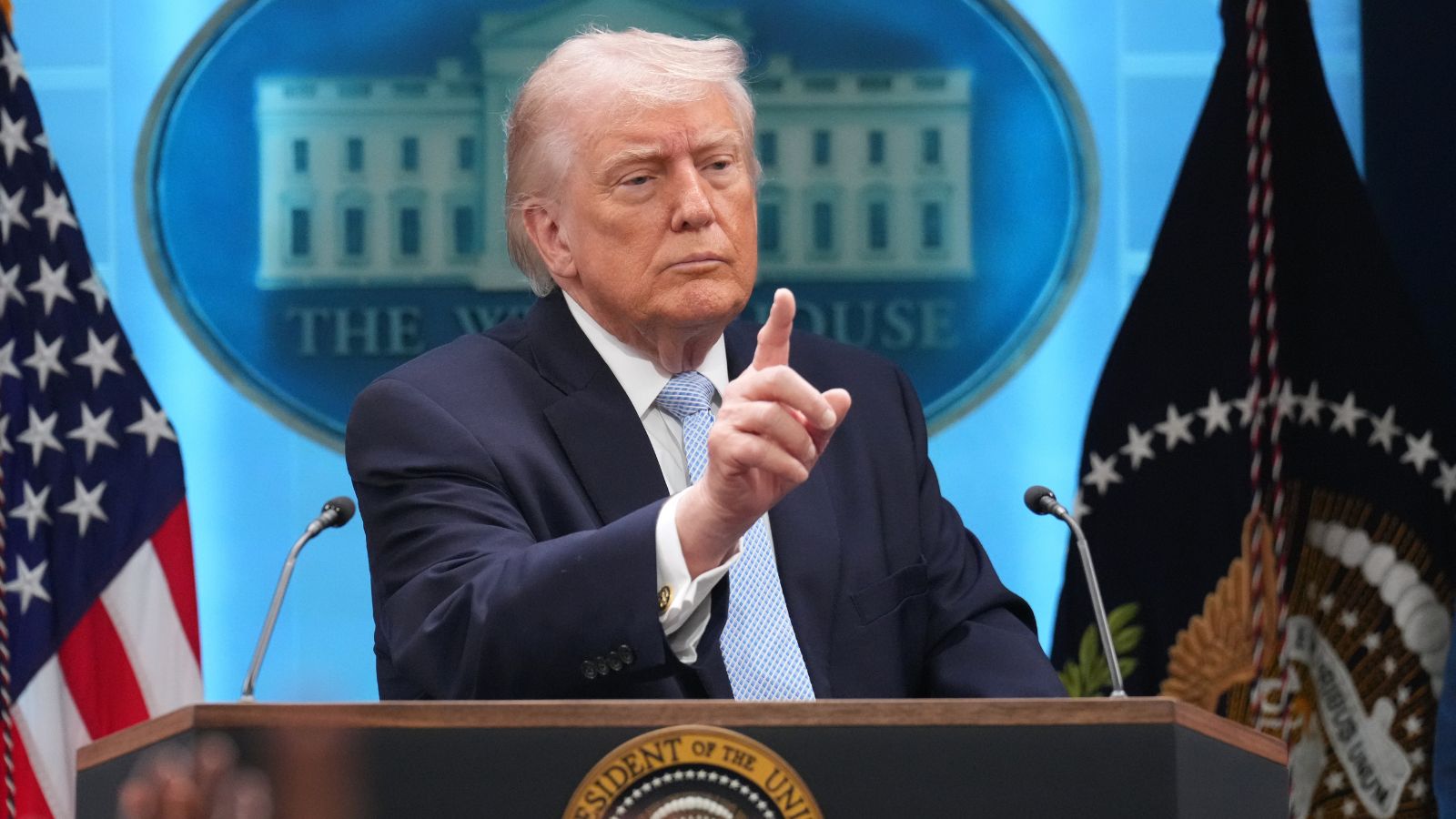
Donald Trump said the operation is intended to end Iran’s nuclear program, limit its ability to strike neighboring countries and create conditions for Iranians to challenge their rulers.
Iranian position
Iran said it seeks to drive United States forces from their regional military bases and emerge from the war stronger.
Assessment of the attacks
United States position
The United States reported no casualties in Jordan in its initial assessment and described Donald Trump’s position as increasingly favorable, including near-total control of the Strait of Hormuz.
Iranian position
Iran claimed American casualties in Jordan and Iraq and warned that countries cooperating with the United States would face consequences; those casualty claims were not confirmed by the United States or relevant governments.
Civilian impact
United States position
United States officials did not comment on Iran’s report that a wedding was struck, and Reuters said it could not independently verify the incident.
Iranian position
Iran reported that at least five people, including a four-year-old, were killed at a wedding in Sirik and that dozens were wounded.
Key facts
- Scale
- The exchange was described as the largest between Washington and Tehran since July.
- United States targets
- Air defenses, radar systems, maritime assets, mine-laying capabilities and communications sites.
- Iranian retaliation
- Missile and drone attacks were reported against American assets in Bahrain, Jordan, Kuwait and Iraq.
- Jordan response
- Jordan said it dealt with 13 missiles, intercepting 10 and reporting three landing in remote areas.
- Reported Iranian deaths
- Iran reported at least 12 deaths from the United States strikes, including five people at a wedding in Sirik.
- Market reaction
- Asian and European stocks fell, while oil prices returned to levels unseen since July.
- Strategic waterway
- Iran has threatened tankers using the Strait of Hormuz and said two tankers were struck by mines.
Quotes
Iran’s military command
Iranian military authority responding to US strikes
“I like our position now much better, with almost total control of the Hormuz Strait, and their economy totally collapsing. They are just playing out the inevitable. When are the Iranian people going to rise up and fight?”
 theprint.in
“American evil in the region will be met with heavier, more widespread, and devastating responses, and any country that cooperates with the aggressive American army must accept its dangerous consequences.”
theprint.in
Sources
Related news
US and Iran Resume Strikes After Weeks of Calm

U.S. Strikes Iran Wedding Site as Regional Retaliation Spreads
Iran Strikes US-Linked Targets After Fresh American Attacks
U.S. Strikes Iran as Regional Hostilities Flare Again
Iran Claims Missile Strikes on US Bases in Jordan
US and Iran Exchange New Strikes as Gulf Conflict Widens
Trump Aides Seek Quiet Iran War Before Midterm Elections
US Warns Middle East Travelers Amid Escalating Iran-Linked Tensions

Indian Stocks Slide as Oil, Conflict and Yields Rise

Silver Rate Today: Prices Fall 0.83% Across Indian Cities