

3 weeks ago
India plans new strategic petroleum reserves in Rajasthan, Madhya Pradesh

India needs a lot of oil to run its cars, buses, factories and machines.
But India does not have much oil of its own, so it buys nearly all of it from other countries.
That means if something goes wrong far away, India could run out of oil or have to pay much more for it.
Right now there is fighting in West Asia, which makes oil prices go up and down.
So India wants to build big underground tanks to keep extra oil safe, like a giant fuel pantry.
It already has three such storage places and is planning to add two more, in Rajasthan and Madhya Pradesh.
Lawmakers also want India to keep enough oil for 90 days, just like other rich countries do.
India currently keeps enough oil for about 77 days.
Building more storage will help India stay safe if there is ever an oil emergency.

India plans two new strategic petroleum reserves at Bikaner in Rajasthan and Bina in Madhya Pradesh to boost energy security amid the West Asia conflict.
India imports about 90% of its oil requirement, and its crude import bill surged nearly 60% to $49.8 billion in the June quarter (Q1FY27).
India currently has strategic crude storage capacity of 5.3 million tonnes at Vishakhapatnam, Mangaluru and Padur.
A parliamentary standing committee urged India to reach the global standard of 90 days of crude-oil storage; India currently holds about 77 days of stocks.
Feasibility studies for the Bikaner caverns are complete, while the pre-feasibility study for Bina has concluded and a detailed feasibility report is set to begin.
- Who
- India's Ministry of Petroleum and Natural Gas, the parliamentary standing committee led by Sunil Dattatrey Tatkare, Prime Minister Narendra Modi, and agencies including ISPRL, MEIL and Engineers India Ltd
- What
- Development of two new strategic petroleum reserves at Bikaner (Rajasthan) and Bina (Madhya Pradesh) to strengthen energy security
- Where
- India — proposed reserves at Bikaner (Rajasthan) and Bina (Madhya Pradesh); existing reserves at Vishakhapatnam (Andhra Pradesh) and Mangaluru and Padur (Karnataka)
- When
- The ministry's statement was submitted in the parliamentary panel's report on Wednesday; the crude import data covers the June quarter (Q1FY27)
- Why
- Heightened vulnerability to crude-oil shocks due to the West Asia conflict, supply disruption risks, and roughly 90% dependence on oil imports
Key facts
- New proposed reserve sites
- Bikaner (Rajasthan) and Bina (Madhya Pradesh)
- Current strategic storage capacity
- 5.3 million tonnes (elsewhere cited as 5.33 million tonnes) across Vishakhapatnam, Mangaluru and Padur
- Approved expansion (2021)
- 6.5 million tonnes — 4 million tonnes at Chandikhol, Odisha, and 2.5 million tonnes at Padur
- Oil import dependence
- About 90% of India's oil requirement is imported
- Crude import bill (Q1FY27)
- $49.8 billion, up nearly 60% year-on-year; volumes fell to about 60 million tonnes from 62.6 million tonnes
- Impact of oil price rise
- A $1 per barrel rise sustained for a year adds about ₹18,000 crore to India's annual import bill
- Crude stock cover
- India usually holds about 77 days of stocks; the IEA mandates 90 days for permanent members
- Padur-II project status
- Concessionaire agreement signed between ISPRL and MEIL in October last year; financial closure in progress
Quotes

Ministry of Petroleum and Natural Gas
Indian government ministry overseeing petroleum and natural gas
“Two more new SPR projects are under consideration, at Bikaner and Bina. Feasibility studies for the Bikaner caverns have been completed and under finalization, while the pre-feasibility study for the Bina caverns has also concluded and the DFR to be initiated.”
 livemint.com
Sources
Related news
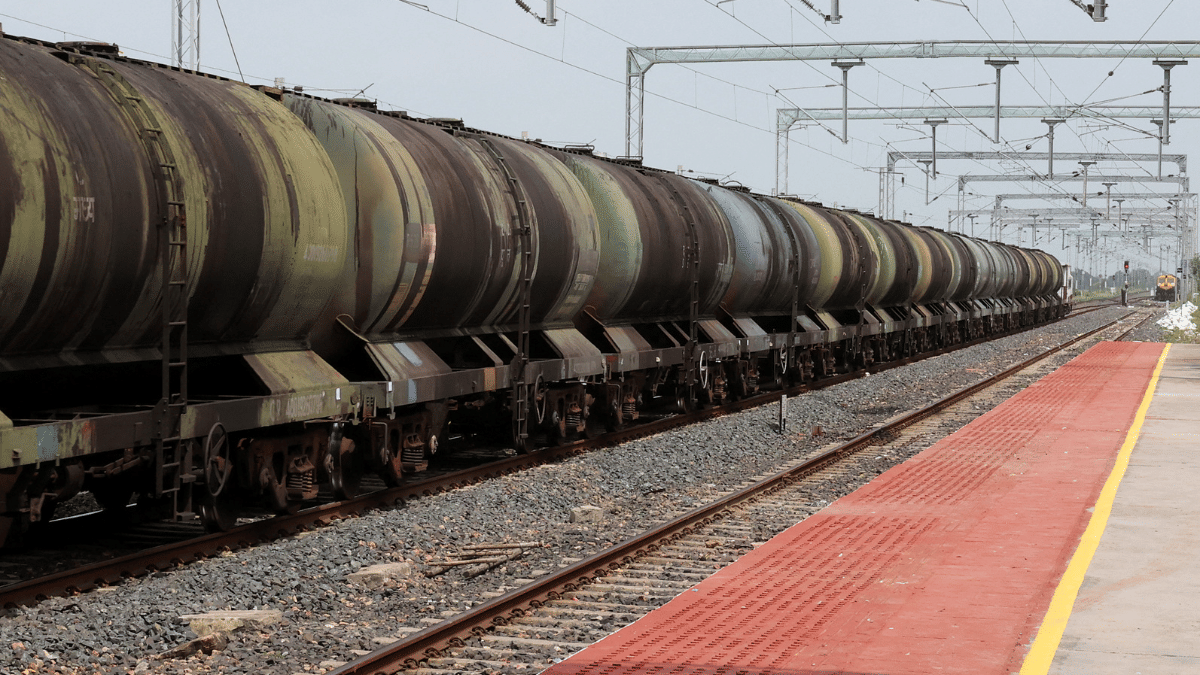
Parliament panel urges 90-day crude oil reserves, flags expansion delays

India's Crude Oil Bill Jumps 26% Despite Buying Less Oil

India doubles LNG sourcing to 15 nations amid supply risks
IOC, HPCL rush to secure crude cargoes through November

India Can Manage Losing Russian Oil; $100 Crude Bigger Risk
Putin Faces Western Isolation While Russia Builds Non-Western Ties
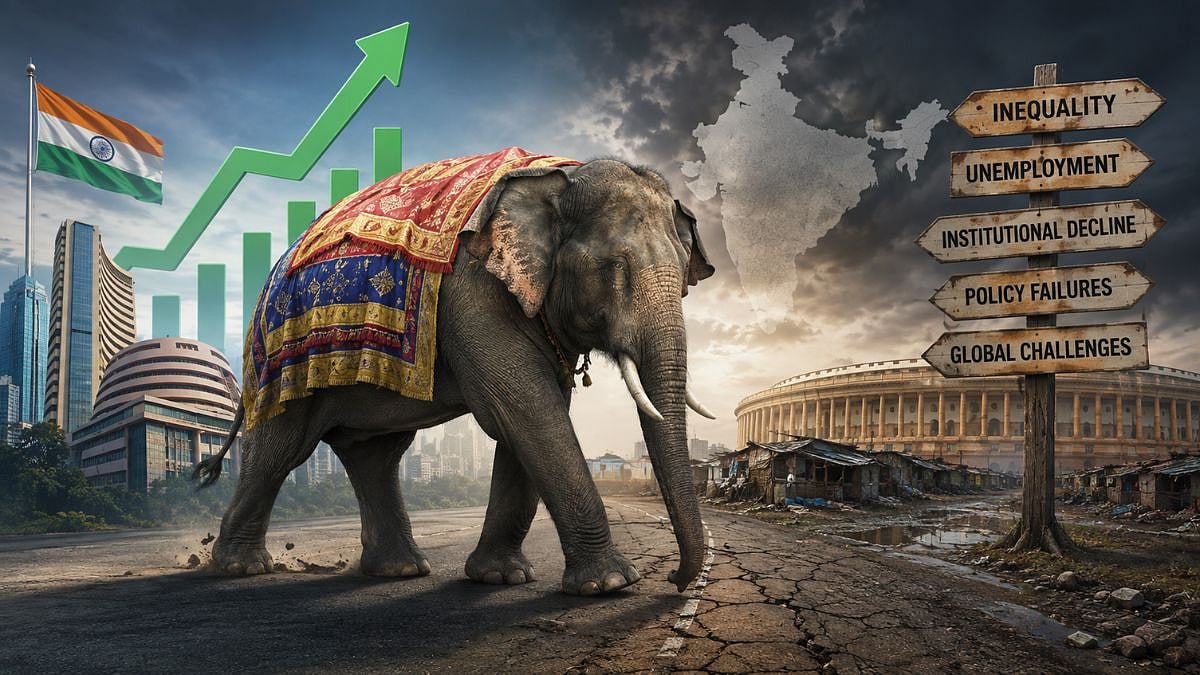
India’s Global Power Ambitions Face Economic and Democratic Setbacks
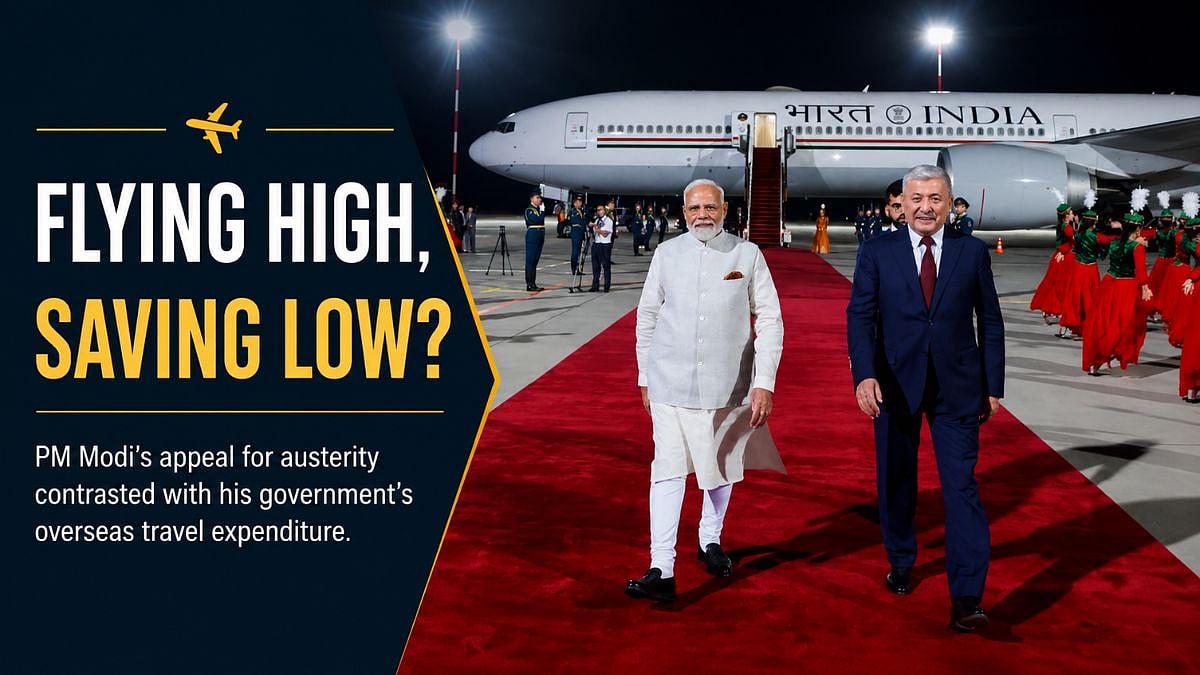
Modi’s Frugality Appeal Contrasts With Extensive Foreign Travel
Modi Sets Roadmap for Collaborative, Water-Secure India’s Future
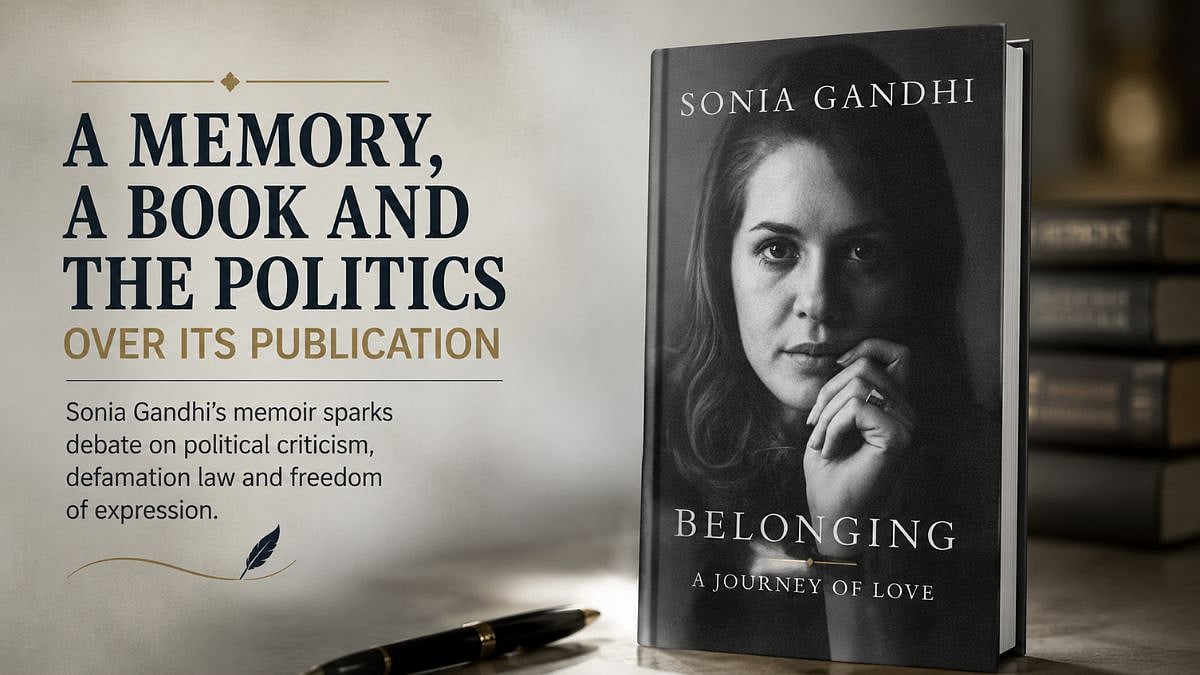
Sonia Gandhi Memoir Sparks Debate Over Politics, Publishing And Speech
