3 weeks ago
India approves Rs 23,731 crore GOBARdhan biogas scheme
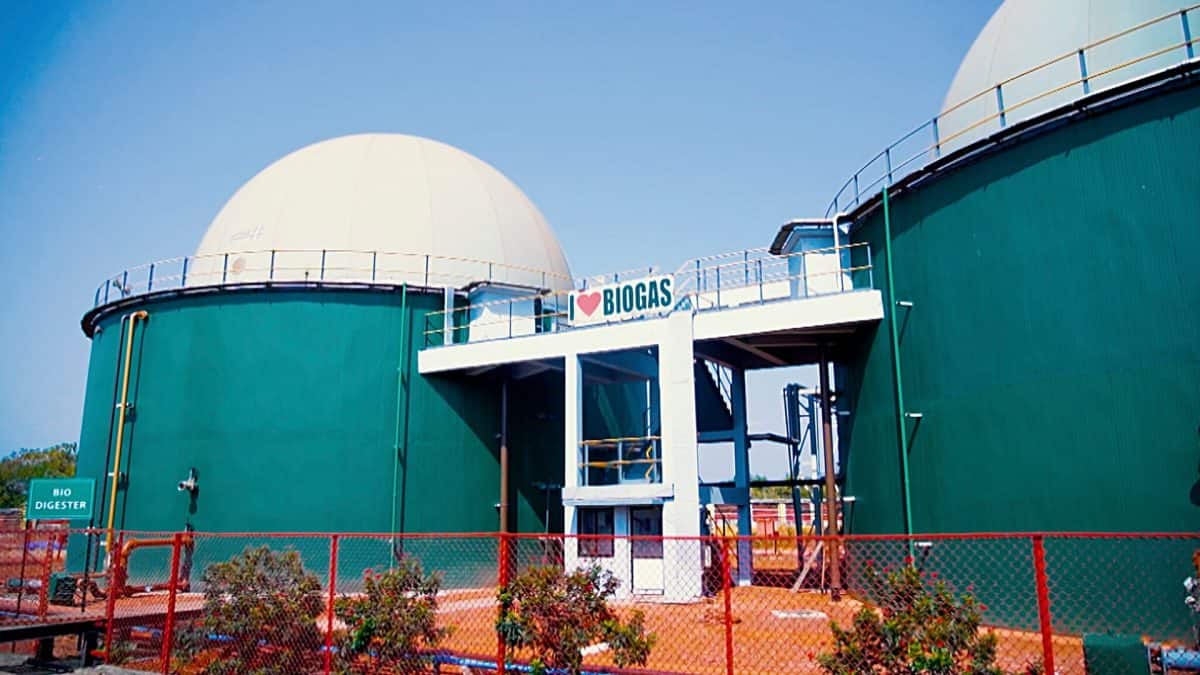
India needs a lot of gas to run cars, homes, and factories, and much of it is bought from other countries.
Buying gas from far away can be risky, especially when big ships cannot safely pass through important sea routes.
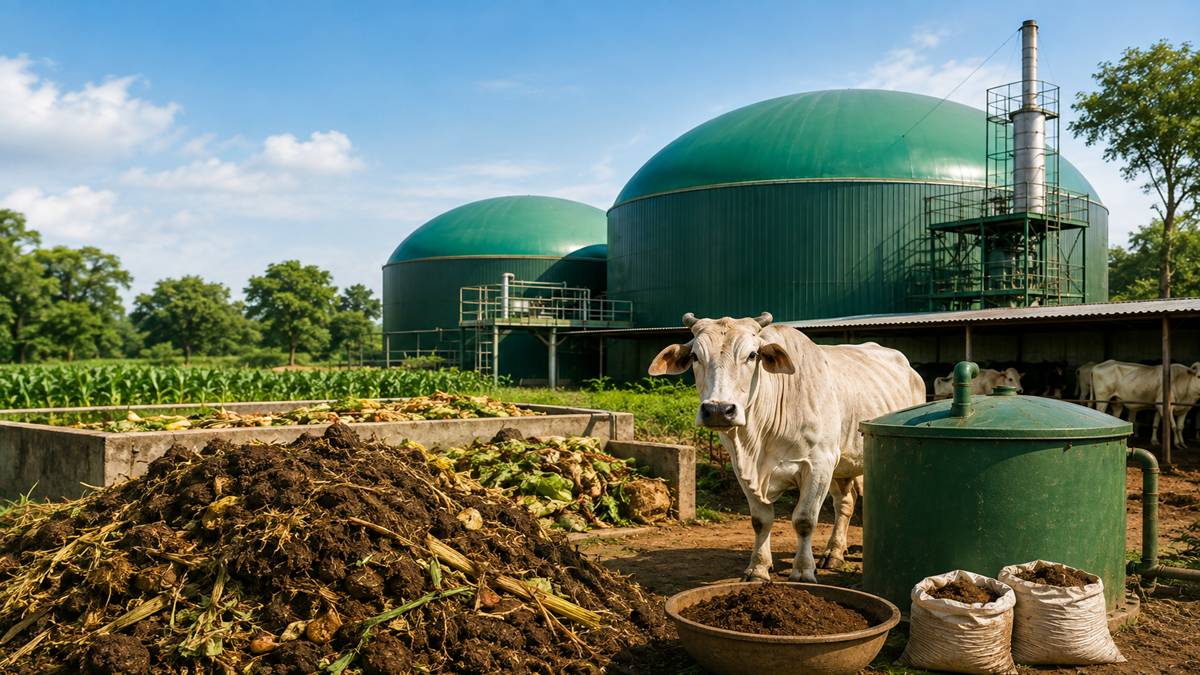
So the Indian government has decided to make gas at home from things people throw away, like cow dung, farm leftovers, and kitchen waste.
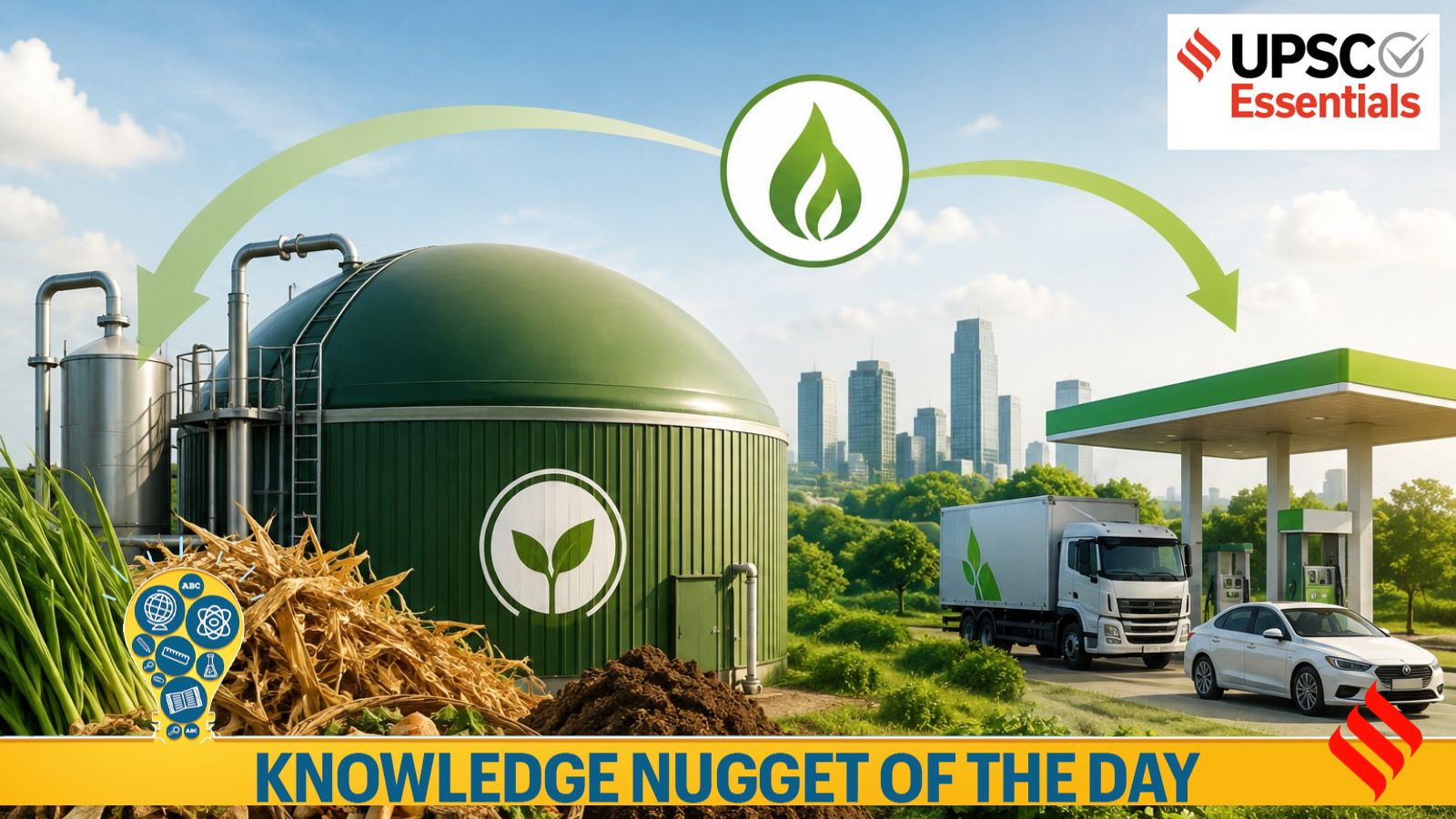
This special gas is called compressed biogas.
The government is spending a very large amount of money, 23,731 crore rupees, on a plan called GOBARdhan.
The plan will last ten years and will help make almost ten times more biogas than before.
Companies that send gas to homes and cars will have to mix some of this new biogas into the gas they supply.
Farmers can also earn extra money by selling their waste, and the leftovers can be used as natural fertilizer.
This helps keep the air cleaner, saves money, and makes India safer and stronger.

The Union Cabinet approved the Rs 23,731 crore GOBARdhan (National Circular Bioenergy Scheme) to rapidly expand compressed biogas production in India.
The scheme will run for 10 years from FY2027 to FY2036 and aims to increase domestic compressed biogas production nearly tenfold.
India imports around 50 per cent of its natural gas requirement, with nearly 55-60 per cent of its LNG imports passing through the Strait of Hormuz.
City Gas Distribution companies must meet mandatory biogas blending targets of 3 per cent in FY2027, 4 per cent in FY2028 and 5 per cent from FY2029 onwards.
The government estimates the scheme will save more than Rs 40,000 crore in foreign exchange and create a domestic biogas industry worth around Rs 75,000 crore.
- Who
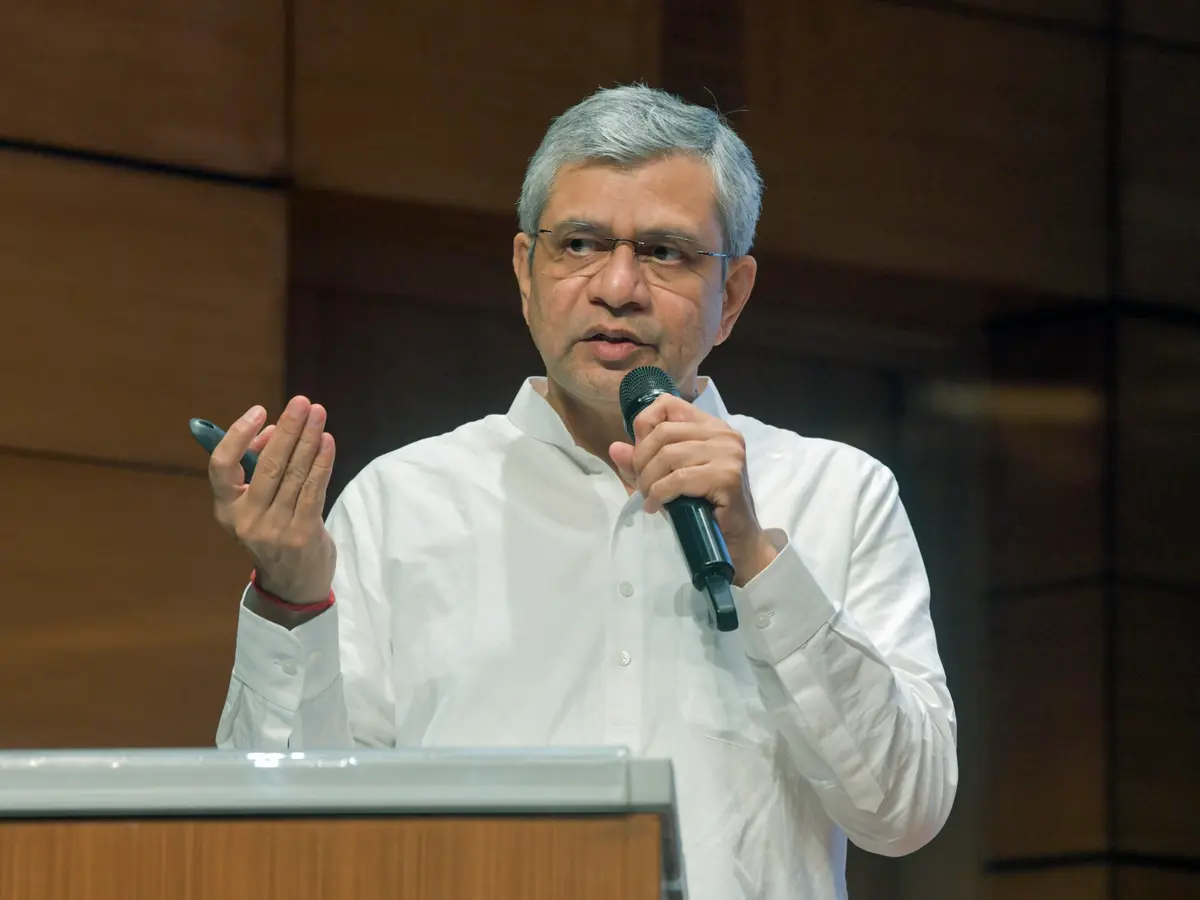
- The Union Cabinet of India, with Information and Broadcasting Minister Ashwini Vaishnaw briefing reporters.
- What
- Approved the Rs 23,731 crore GOBARdhan scheme to boost compressed biogas production and cut reliance on imported LNG.
- Where
- India, with the strategic Strait of Hormuz route highlighted as a supply risk.
- When
- Approved on Thursday, to be implemented over a 10-year period from FY2027 to FY2036.
- Why
- To strengthen energy security and reduce dependence on imported natural gas after disruptions around the Strait of Hormuz exposed India's vulnerability to global energy supply shocks.
Key facts
- Scheme name
- GOBARdhan (National Circular Bioenergy Scheme)
- Total outlay
- Rs 23,731 crore
- Implementation period
- 10 years, FY2027 to FY2036
- Biogas blending targets
- 3% in FY2027, 4% in FY2028, 5% from FY2029 onwards
- Administered price
- Rs 2,110 per MMBTU
- Capital support
- Up to Rs 2 crore per tonne per day of installed capacity for greenfield plants
- Estimated savings
- Over Rs 40,000 crore in foreign exchange over a decade
- Feedstock sources
- Agricultural residue, cattle dung, press mud, municipal organic waste and other biomass
Quotes
Information and Broadcasting Minister Ashwini Vaishnaw
Indian Minister of Information and Broadcasting
“"India currently imports around 50 per cent of its natural gas requirement, making domestically produced compressed biogas an important alternative, particularly amid geopolitical uncertainties."”
 firstpost.com
Sources
Related news
Cabinet Clears Rs 23,731 Crore GOBARdhan Scheme to Boost Biogas
Cabinet approves Rs 23,731 crore GOBARdhan scheme for biogas fuel
Cabinet approves Rs 23,731-crore GOBARdhan scheme to boost CBG production

GOBARdhan Scheme to reduce gas imports by USD 5 billion

Cabinet Approves GOBARdhan Bioenergy Scheme and Guwahati-Tezpur Highway
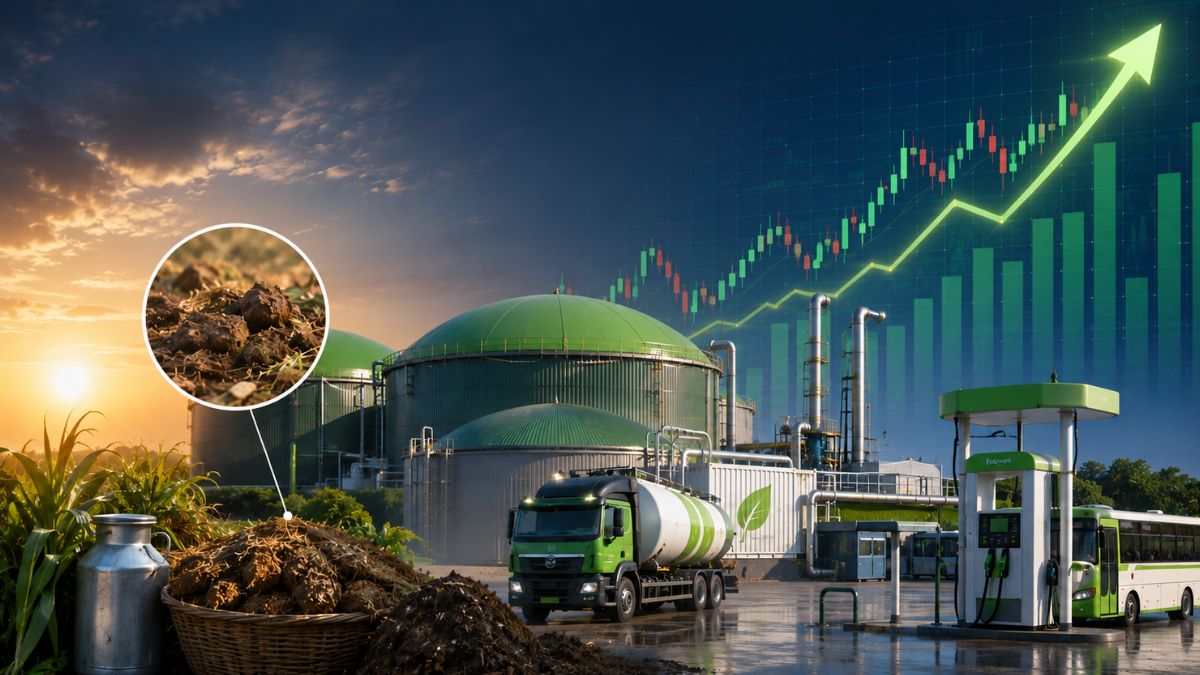
India’s Rs 23,731 Crore GOBARdhan Scheme Fuels CBG Investment Debate

Saudi Arabia Says Iranian Tanker Attack Killed Two Sailors
U.S.-Iran Exchange Escalates Across Middle East, Markets Slide

Trump Aides Seek Quiet Iran War Before Midterm Elections

US Warns Middle East Travelers Amid Escalating Iran-Linked Tensions

Indian Stocks Slide as Oil, Conflict and Yields Rise