1 hr ago
India Advances Geothermal Power Toward Net Zero 2070
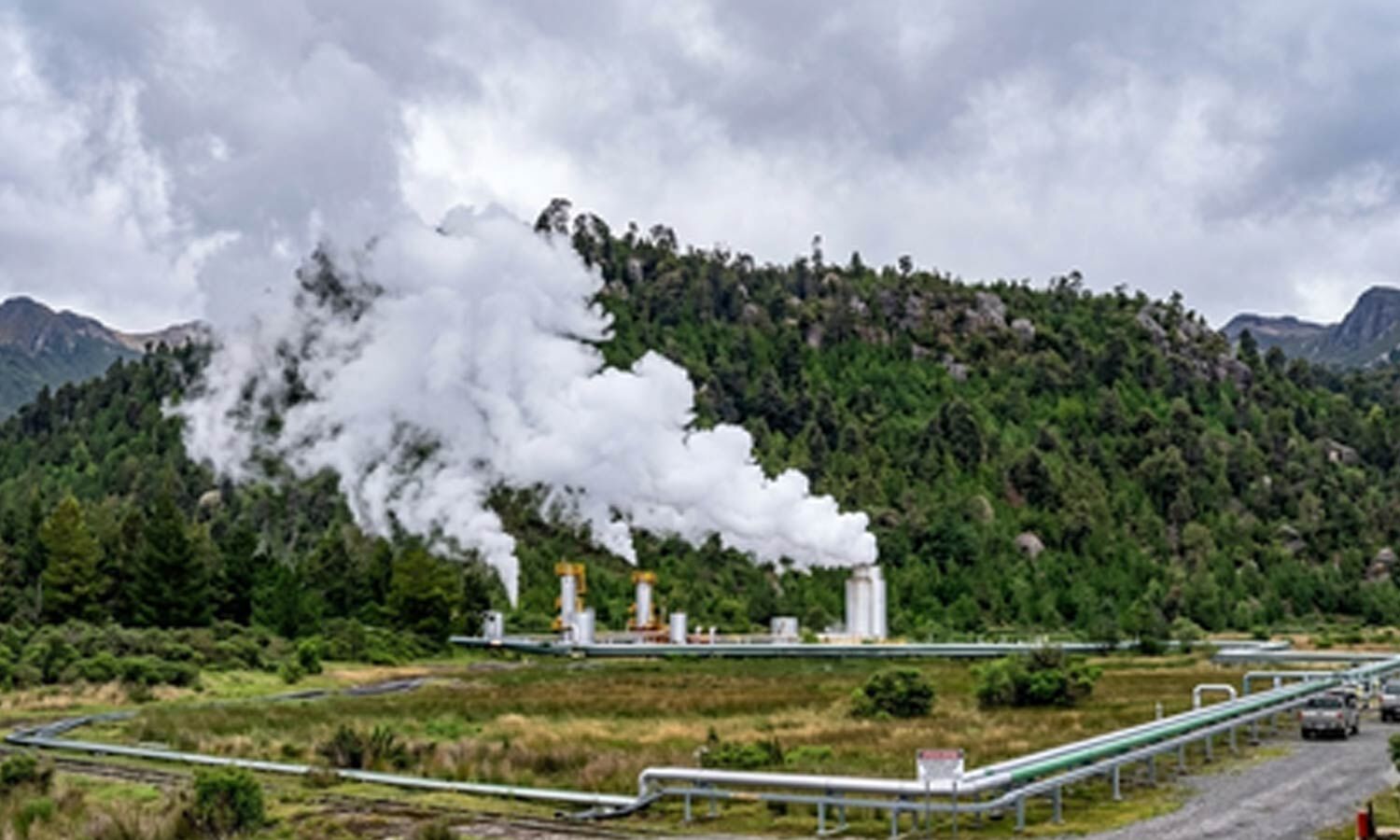
Geothermal energy uses heat from deep inside the Earth to make power.
Unlike sunlight and wind, it can provide energy around the clock.
India has started this effort by building two geothermal wells in Puga Valley, Ladakh.
The wells are about 1,000 metres deep.
They will help scientists study the underground heat and prepare for a small demonstration power project.
The project is planned to produce 1 megawatt of electricity.
India also created a national policy for geothermal energy in September 2025.
Geothermal heat could be used for electricity, heating, farming, aquaculture and tourism.
The government sees it as another way to reach Net Zero by 2070.

The first two geothermal wells in India were commissioned in July 2026 at Puga Valley, Ladakh.
The 1,000-metre-deep wells will support reservoir evaluation and a planned 1-megawatt demonstration power project.
India notified its National Policy on Geothermal Energy in September 2025, with the Ministry of New and Renewable Energy overseeing implementation.
The Geological Survey of India has mapped 381 hot springs and identified 10 geothermal provinces nationwide.
India’s theoretical geothermal resource potential is nearly 10.6 gigawatts, with 42 sites considered promising for power generation and direct heat use.
- Who
- The Government of India, the Ministry of New and Renewable Energy, the ONGC Energy Centre and the Geological Survey of India are involved.
- What
- India commissioned its first two geothermal wells and is preparing a 1-megawatt demonstration geothermal power project.
- Where
- The wells are in Puga Valley, Ladakh, at more than 14,000 feet above sea level.
- When
- The National Policy on Geothermal Energy was notified in September 2025, and the wells were commissioned in July 2026.
- Why
- The initiative aims to expand India’s renewable energy mix and support its goal of reaching Net Zero by 2070.
Key facts
- Well location
- Puga Valley, Ladakh
- Well depth
- 1,000 metres each
- Demonstration project
- Planned capacity of 1 megawatt
- Mapped hot springs
- 381 nationwide
- Geothermal provinces
- 10 identified across India
- Theoretical resource potential
- Nearly 10.6 gigawatts, or 10,600 megawatts
- Promising sites
- 42 sites recognised for power generation and direct heat use
Sources
Related news
Akshay Urja Day Highlights Seven Renewable Energy Sources Powering India
UPSC Mains Practice: Nuclear Power and Railways Net-Zero Themes
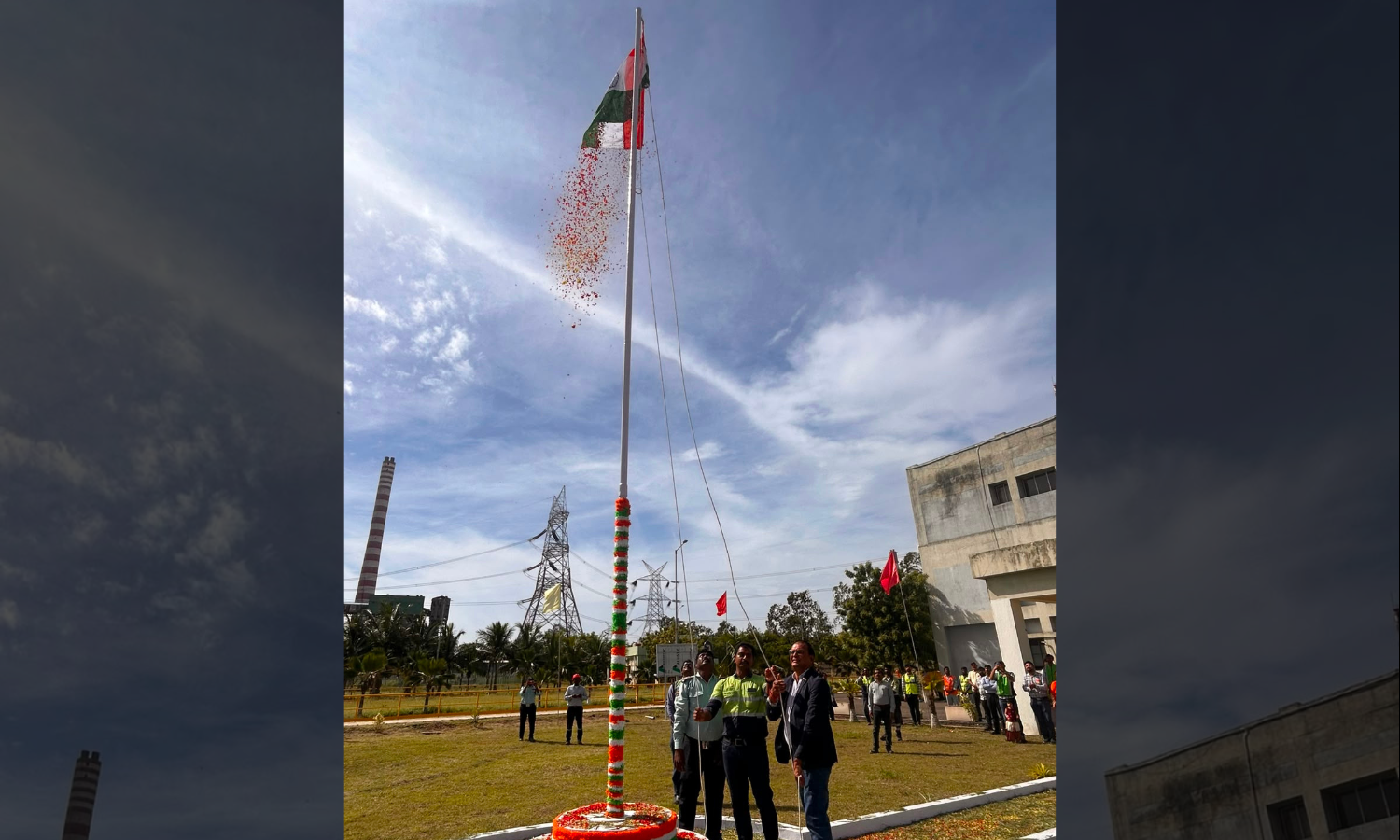
Vedanta Power Reaffirms India Energy Security Commitment on Independence Day
India Achieves 300 GW Renewable Energy Capacity Milestone

India Advances Renewable Energy and Indigenous Safety Technology
India’s Power Demand Surges as Data Centres Expand Grid Needs
India’s Wind Pipeline Signals Sharp Capacity and Manufacturing Surge
India’s Non-Fossil Capacity Crosses 300 GW as Centre Pushes Transition

Karnataka Accelerates Rooftop Solar Projects for Government Buildings
Economy Quiz Covers Solar Projects, Forex Deposits And PPPs