

2 weeks ago
UPSC Mains Practice: Nuclear Power and Railways Net-Zero Themes
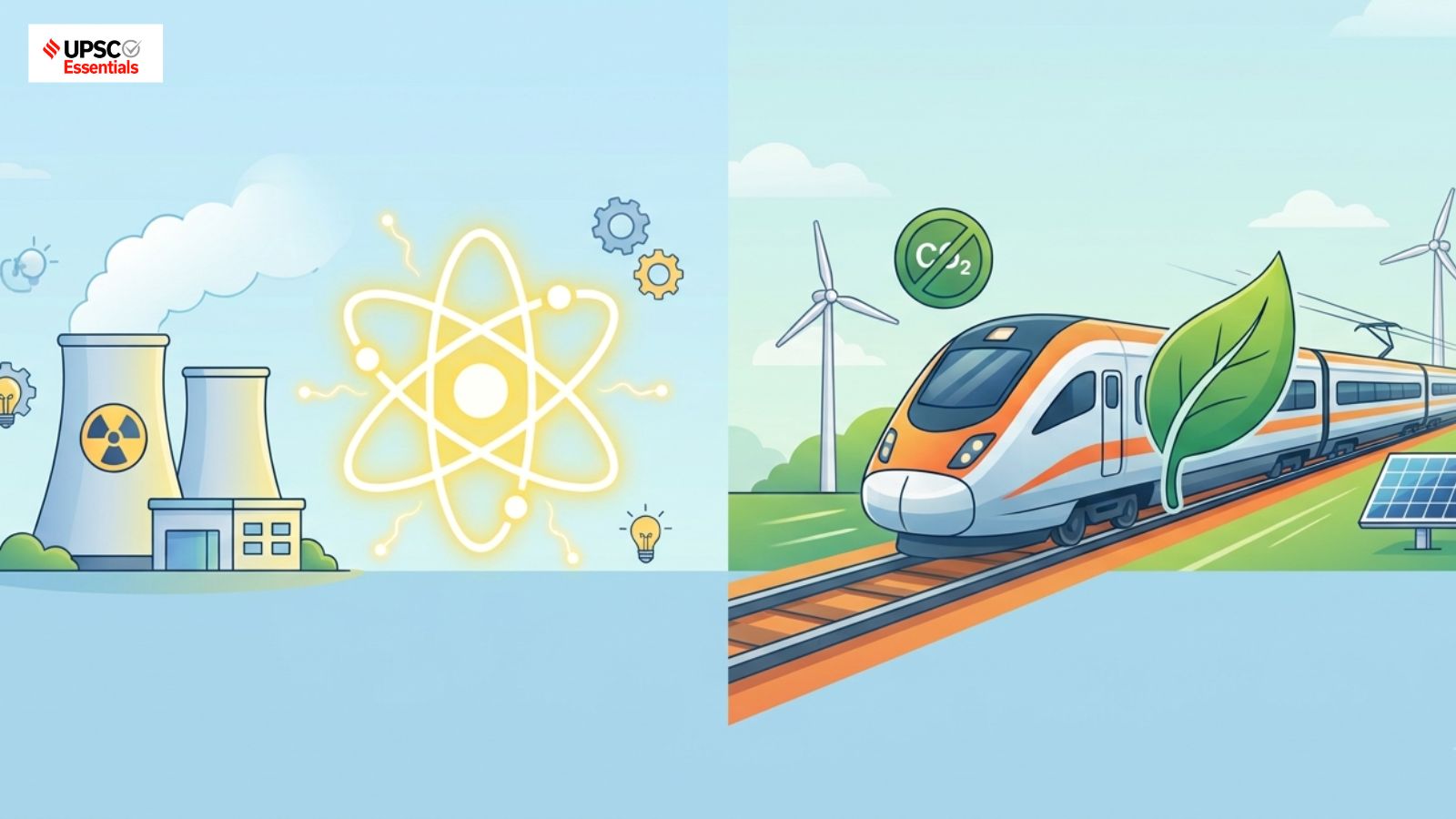
This story is about an exam-prep article that helps people studying for a big government exam in India think about two energy topics.
The first topic is nuclear power, which makes electricity using the energy inside atoms.
India's leader, Prime Minister Narendra Modi, says the country will need a lot more electricity for computers, artificial intelligence and data centres.
He set a goal to make 100 GW of electricity from nuclear power by the year 2047.
India already has 25 nuclear reactors, and it is building more, including small reactors called SMRs.
The second topic is Indian Railways, the country's big train network.
The Railways wants to stop polluting the air and become 'net-zero', meaning it releases no extra carbon into the air.
It is doing this by using electric trains, solar power and other clean energy.
But it is a big job because the Railways uses about 2% of all the electricity in India.
Students are asked to think about the good things and the challenges of both plans.

Prime Minister Narendra Modi has set a target of 100 GW of nuclear power for India by 2047, with five new reactors to be commissioned this decade.
India currently operates 25 nuclear reactors totalling 8.7 GWe, with 10 under construction and another 10 in the pre-project stage.
India aims to have at least five indigenously designed and operational Small Modular Reactors by 2033, backed by a Rs 20,000 crore Nuclear Energy Mission.
Indian Railways is working toward becoming a net-zero carbon emitter by 2030 through electrification, renewable energy, solar power and energy efficiency.
Indian Railways accounts for roughly 2% of the national grid's output, making its decarbonisation consequential for India's climate goals.
- Who
- Prime Minister Narendra Modi, who announced India's nuclear targets; Indian Railways; and UPSC aspirants preparing for the GS-3 Mains exam.
- What
- An UPSC Mains answer-practice module (Week 168) covering India's 100 GW nuclear power target by 2047 and Indian Railways' net-zero carbon transition.
- Where
- India, including the site of the first indigenous fast breeder reactor at Kalpakkam.
- When
- The article appeared in the UPSC Essentials magazine for July 2026; it references PM Modi's Independence Day address and target years 2030, 2033 and 2047.
- Why
- To meet rising electricity demand from emerging technologies such as AI, semiconductors and data centres, and to decarbonise one of the country's largest transport networks.
Key facts
- Nuclear capacity target
- 100 GW by 2047
- New reactors planned this decade
- 5
- Current operational reactors
- 25 reactors totalling 8.7 GWe
- Reactors under construction
- 10, with 10 more in pre-project stage
- Indigenous SMR target
- At least 5 operational by 2033
- Nuclear Energy Mission outlay
- Rs 20,000 crore
- Railways' share of national grid output
- Roughly 2%
- Railways net-zero target year
- 2030
Quotes
Prime Minister Narendra Modi
Prime Minister of India
“It will be difficult to run this new world without energy, and therefore, whether it is chips, AI or data centres, we will need very large amounts of electricity. We are working towards a target of 100 GW of nuclear power by 2047. In this decade itself, we have set a target of commissioning five new nuclear reactors.”
 indianexpress.com
“Electrification of railway routes as a key component of reducing dependence on diesel.”
indianexpress.com
Sources
Related news
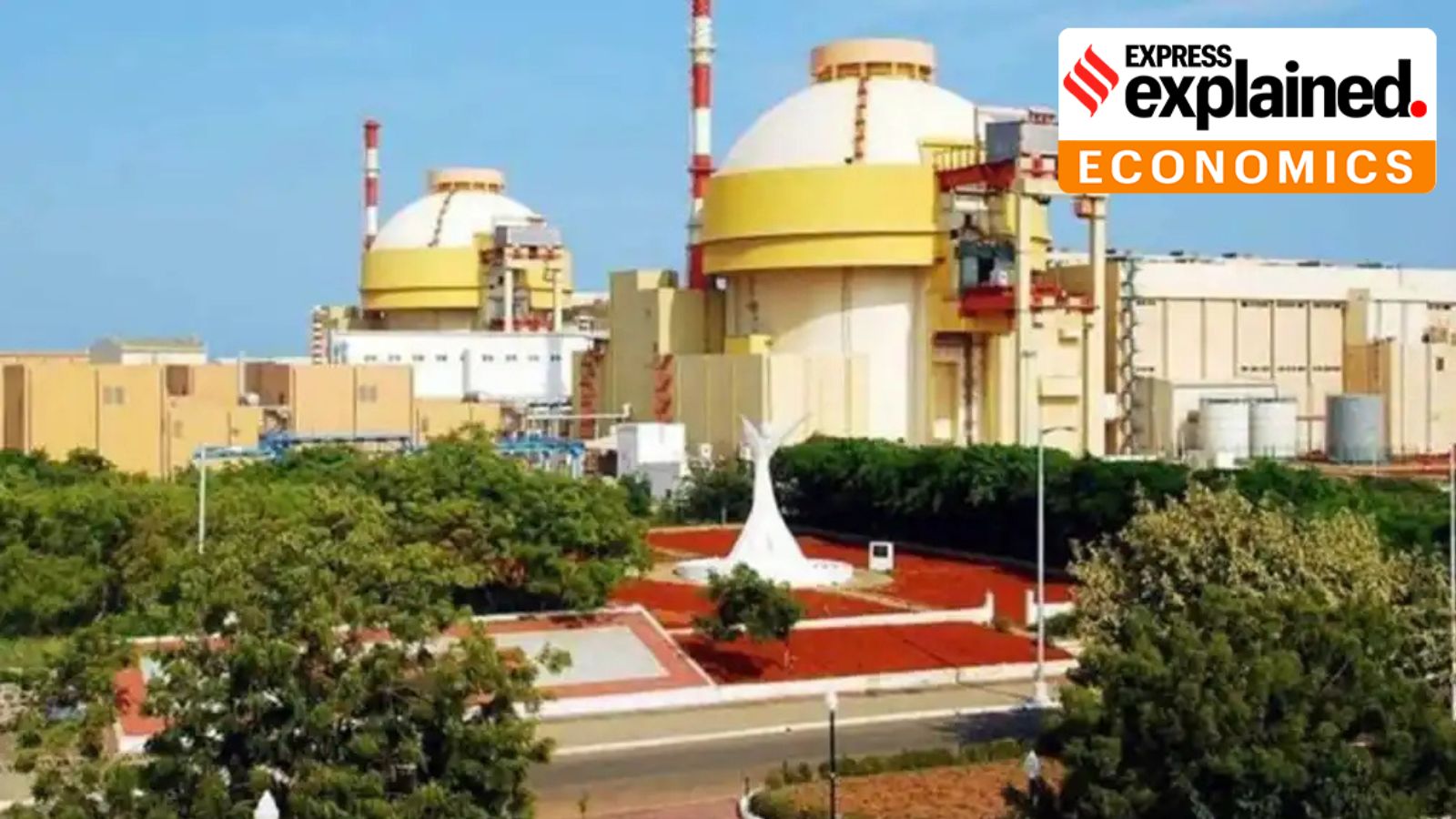
India targets 100 GW nuclear power by 2047, says Modi

India’s Nuclear Energy Expansion Balances Growth, Safety, and Self-Reliance
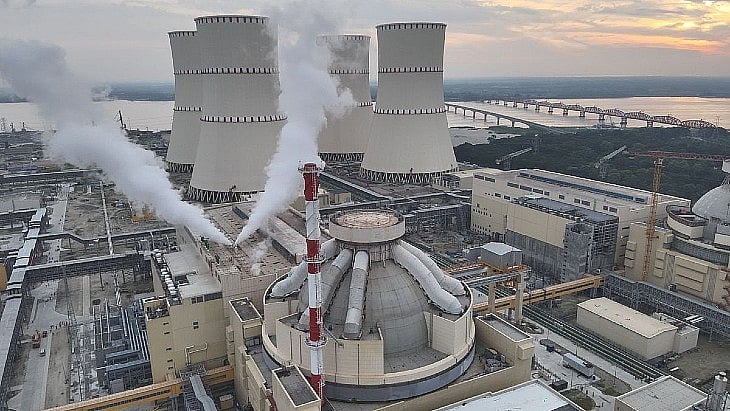
PM Modi Sets 100 GW Nuclear Energy Target by 2047

Modi unveils Saptadhara vision, nuclear goals in Independence Day speech

PM Modi Urges Indians to Dream Big for Viksit Bharat
India's Nuclear Pipeline Surpasses 70 GW, 10.8 Trillion Rupees
