1 week ago
Akshay Urja Day Highlights Seven Renewable Energy Sources Powering India
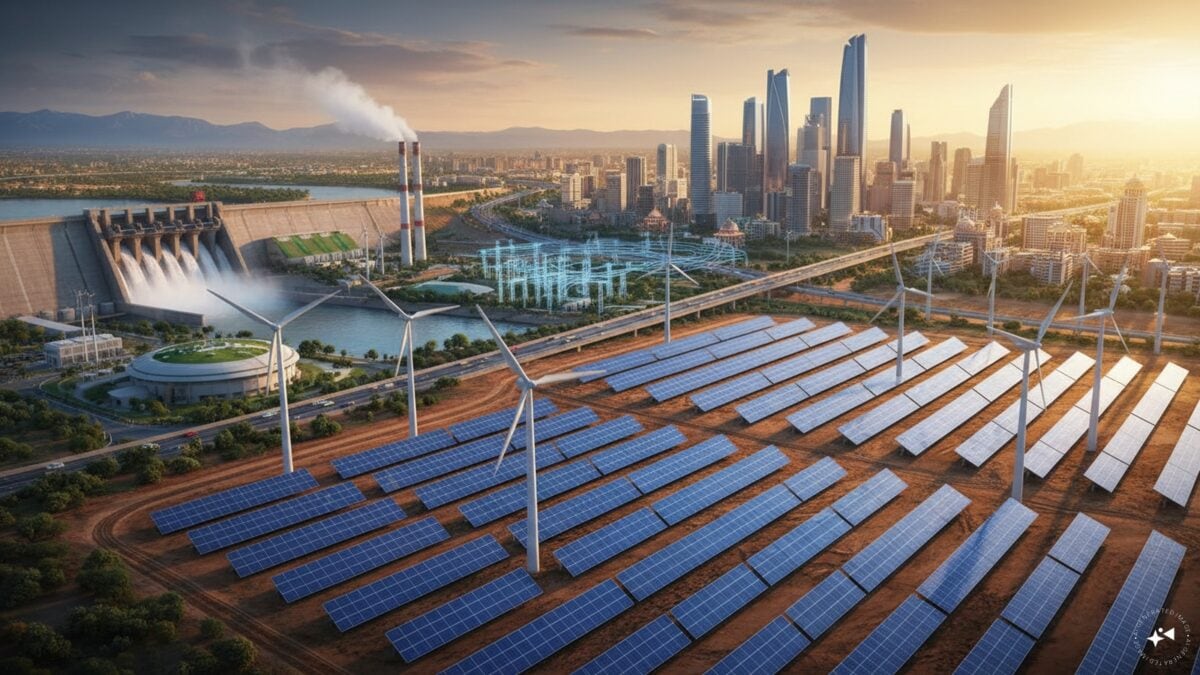
Akshay Urja Day is a day in India that teaches people about clean energy.
It is celebrated on August 20.
Solar power is the biggest renewable-energy source in India.
Wind and hydropower also produce large amounts of energy.
Biomass uses farm leftovers to make electricity or heat.
Waste-to-energy plants use some waste to recover power or heat.
Biogas is made from organic waste and can be used for cooking, heating or electricity.
Green hydrogen uses renewable electricity to split water and may help industries and heavy transport.

Akshay Urja Day is observed on August 20 to promote renewable-energy awareness in India.
Solar power was India’s largest renewable-energy source, with 162.15 GW installed by June 30, 2026.
Wind capacity reached 57.44 GW, while large and small hydropower exceeded 57 GW by June 2026.
Biomass capacity included 9.82 GW from bagasse cogeneration and 1.05 GW from non-bagasse sources.
Waste-to-energy, biogas and green hydrogen offer additional options for electricity, fuel, heating and industrial use.
- Who
- India and people promoting renewable-energy awareness.
- What
- Akshay Urja Day highlights seven renewable-energy sources: solar, wind, hydropower, biomass, waste-to-energy, biogas and green hydrogen.
- Where
- India, including renewable-energy hubs and potential regions such as Rajasthan, Gujarat, Tamil Nadu, Karnataka, Maharashtra, Himachal Pradesh and Uttarakhand.
- When
- Observed on August 20; the 2026 article was updated on August 20, 2026. The observance was introduced in 2004.
- Why
- To promote awareness of clean-energy technologies and the potential of inexhaustible energy sources.
Key facts
- Solar capacity
- 162.15 GW installed by June 30, 2026
- Wind capacity
- 57.44 GW installed by June 30, 2026
- Hydropower capacity
- More than 57 GW of large and small hydro capacity by June 2026
- Biomass capacity
- 9.82 GW of bagasse cogeneration and 1.05 GW of non-bagasse biomass capacity
- Waste-to-energy capacity
- About 324 MW grid-connected and 554 MW off-grid capacity
- Biogas
- Produced when organic waste breaks down without oxygen; it can support cooking, heating and electricity
- Green hydrogen
- Produced by splitting water with renewable electricity; India’s National Green Hydrogen Mission targets a domestic ecosystem
Sources
Related news

India's Power Capacity Reaches 552 GW, Non-Fossil Share 54%

India crosses 300 GW clean energy, 60% of 2030 target
India Achieves 300 GW Renewable Energy Capacity Milestone
India's non-fossil fuel power capacity crosses 300 GW
India crosses 300 GW non-fossil capacity, adds 30.58 GW renewables

India Advances Renewable Energy and Indigenous Safety Technology
India Needs a Unified Ministry to Strengthen Energy Security
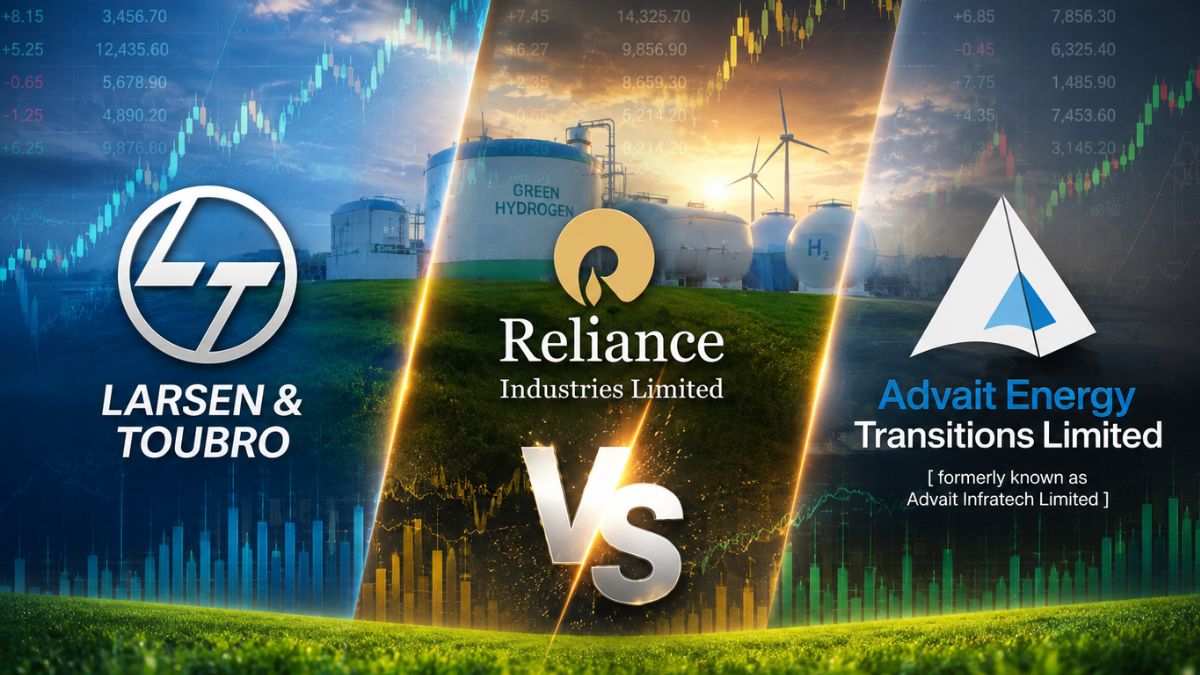
L&T, Reliance and Advait Share 300 MW Hydrogen Capacity
Serentica, Resonia Plan Rs 1.2 Lakh Crore Capex

India’s Transmission Boom Faces Execution and Returns Pressure