3 weeks ago
Supreme Court Committee Urges Gender-Neutral Language In Judgments
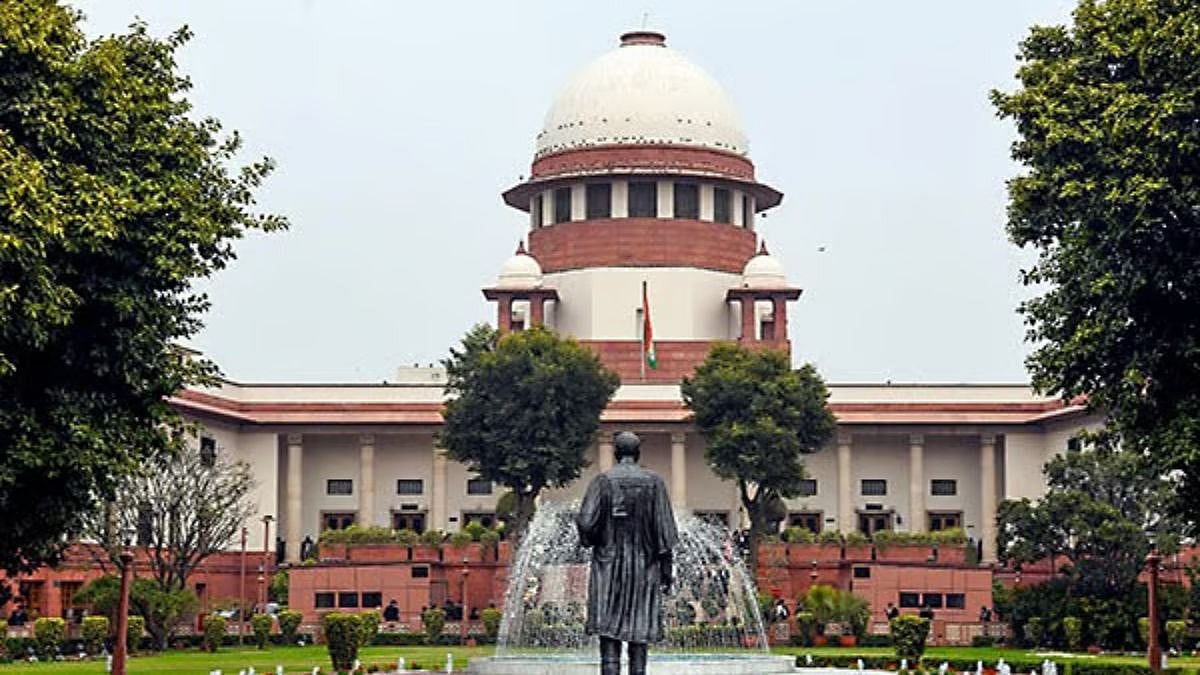
Sometimes judges in India use words that make women feel ashamed when they talk about terrible things that happened to them.
A group of smart people, led by a former top judge named Aniruddha Bose, studied 125 court cases from all over India.
They wrote a report saying judges should stop using unkind words like fallen woman or lost her chastity.
Instead, they should use fair words like victim, survivor or complainant.
The report says the words judges choose can make justice better or worse for people who have been hurt.
It all started in February, when a top court began looking at some upsetting words used by a court in Allahabad.
Another important judge, D.Y. Chandrachud, made a similar guidebook back in 2023.
This idea is also tied to a very old case about a woman named Bhanwari Devi, from more than 30 years ago.
Now, judges all over the country are being asked to speak more kindly and carefully.

An expert committee headed by former Supreme Court judge Justice Aniruddha Bose has submitted a report calling for gender-sensitive, non-stigmatising language in judicial proceedings.
The report analysed 125 trial court judgments from across India and lists terms to avoid, including prosecutrix, helpless woman and outraged her modesty.
It recommends neutral alternatives such as victim, survivor, complainant, sexual assault and violation of bodily autonomy.
The report traces its origins to a suo motu case led by Chief Justice of India Surya Kant in February, sparked by controversial Allahabad High Court observations.
It follows an August 2023 handbook by then Chief Justice D.Y. Chandrachud and comes more than 30 years after the Bhanwari Devi rape acquittal.
- Who
- An expert committee headed by former Supreme Court judge Justice Aniruddha Bose; the report stems from a suo motu case by a bench led by Chief Justice of India Surya Kant.
- What
- A report recommending judges replace patriarchal, moralistic and stigmatising expressions with gender-sensitive, neutral language in judgments and court proceedings.
- Where
- India - the Supreme Court, prompted by observations from the Allahabad High Court, and based on trial court judgments from across the country.
- When
- Submitted this week; the suo motu case began in February and a related handbook was released in August 2023.
- Why
- Judicial language shapes justice, and shaming words tend to hurt women who have already suffered abuse and gathered the courage to appear before judges.
Gender Rights Advocates
Expert Committee Report
Victim vs. survivor terminology
Gender Rights Advocates
A more nuanced view favoured retiring the word victim entirely in favour of survivor to avoid defining women by what happened to them.
Expert Committee Report
The committee kept victim alongside survivor and complainant as acceptable neutral terms in its recommended language.
Response to the Allahabad High Court
Gender Rights Advocates
The controversial observations made by the Allahabad High Court reflect the kind of stigmatising judicial language the report criticises as having no place in a courtroom.
Expert Committee Report
The judiciary addressed the issue through its own institutional process, with a bench headed by the Chief Justice of India initiating a suo motu case in February.
Key facts
- Report name
- Judgments and Gender: Sensitivity and Compassion in Writing Judgments
- Committee head
- Former Supreme Court judge Justice Aniruddha Bose
- Judgments analysed
- 125 trial court judgments from across India
- Terms to avoid
- Prosecutrix, helpless woman, outraged her modesty, lost her chastity, fallen woman
- Recommended terms
- Victim, survivor, complainant, sexual assault, violation of bodily autonomy
- Origin
- Suo motu case by a bench headed by Chief Justice of India Surya Kant in February
- Predecessor
- August 2023 handbook by then Chief Justice D.Y. Chandrachud
- Handbook trigger
- Delhi High Court judgment in the Mahmood Farooqui case over a feeble no
Sources
Related news
Gender-Sensitive Courts Face India’s Deeper Social Barriers
Experts Say Patriarchal Views Still Shape Rape Trials

Victim-Blaming and Gender Bias Still Shape Rape Trials

Delhi High Court: teach boys conduct, don't dictate women's clothes

Supreme Court Collegium Recommends New Rajasthan High Court Chief Justice

JudgeGPT Trial Shows AI’s Potential to Speed Judicial Justice
Debate Grows Over Bhumi Pujan At Indian State Events
Letter Urges Zohran Mamdani to Reconsider Mohan Bhagwat
CJI Says Rajasthan Acting Chief Justice Allegations Under Review