6 days ago
Gender-Sensitive Courts Face India’s Deeper Social Barriers
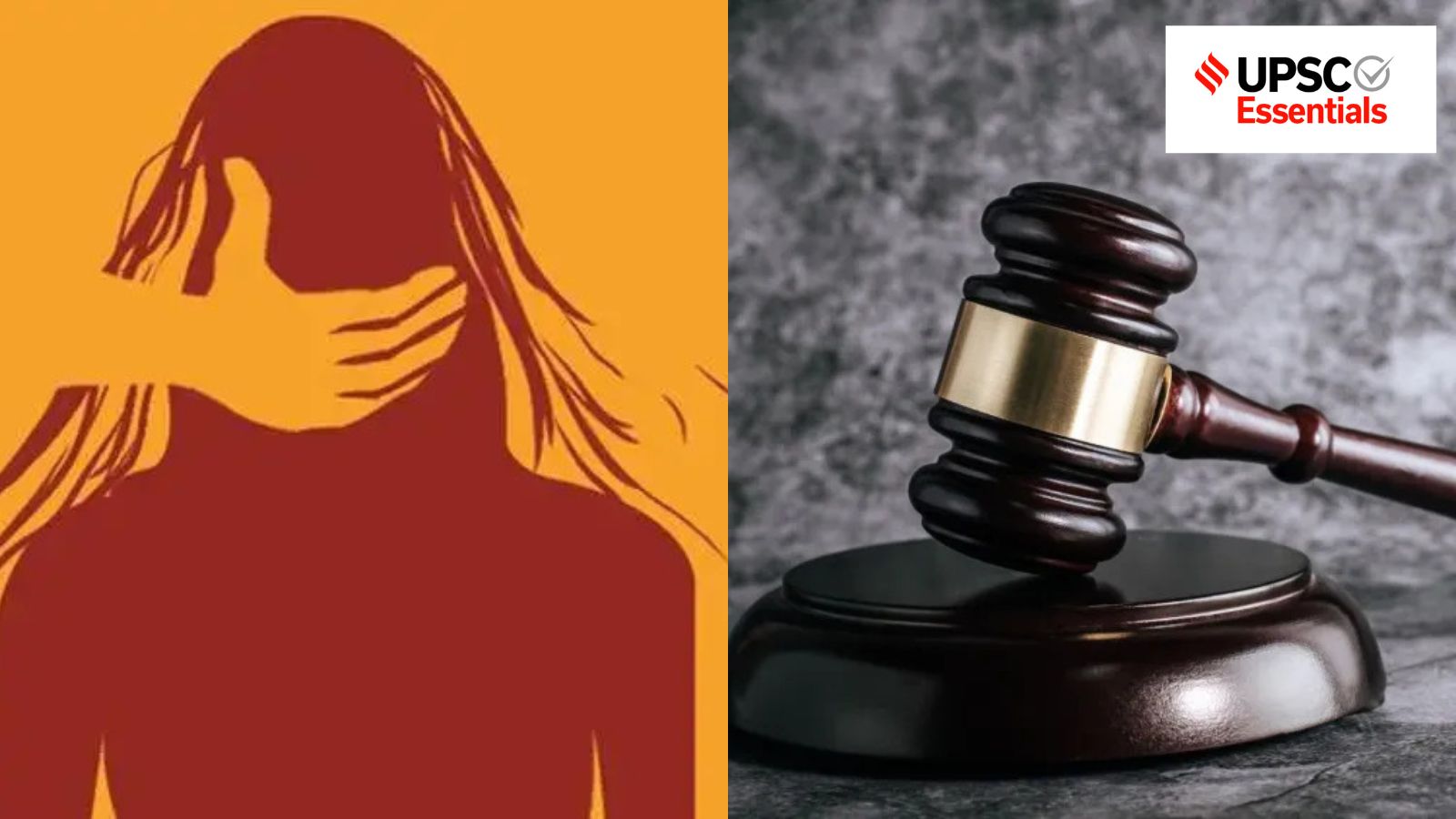
India’s Supreme Court has suggested ways for judges to speak and act more respectfully toward women who seek justice.
The guidelines say that women should be called survivors or complainants instead of being described with insulting or blaming words.
Judges are also encouraged to protect victims and witnesses and provide private hearings and counselling.
However, the article says that better words alone cannot fix unfair treatment.
Courts operate inside a society where families, communities, caste and religion can influence how women are treated.
Some past cases show that courts have wrongly expected victims to behave in a particular way.
Other cases show courts protecting women’s choices about marriage and financial support.
Real change will depend on putting the new guidelines into practice and challenging deeper patriarchal beliefs.

The Supreme Court released guidelines urging gender-sensitive, compassionate and survivor-centric courtroom practices.
The report recommends replacing terms such as “helpless woman” and “lost her chastity” with rights-focused language.
It calls for ending victim-blaming, strengthening protection measures, offering pre-trial counselling and using in-camera trials.
The article argues that changing courtroom language alone cannot overcome gendered social, caste, class and religious hierarchies.
Cases including Shah Bano, Bhanwari Devi, Mathura, Tejpal, Lata Singh and Shakti Vahini illustrate tensions between social and constitutional morality.
- Who
- The Supreme Court, trial court judges, women seeking justice, and the experts and scholars discussed in the article.
- What
- A new report recommends gender-sensitive courtroom language and practices while examining how social assumptions about femininity shape Indian law and justice.
- Where
- India, including the Supreme Court, trial courts and the High Court of Bombay at Goa.
- When
- The report was released earlier in the month discussed in the article; the article also references cases from 1978 to 2026 and NFHS-6 data for 2023–24.
- Why
- The guidelines seek to reduce victim-blaming and gender-insensitive reasoning, but the article argues that broader social structures must also change.
Language Reform and Constitutional Protection
Structural and Social Transformation
Can judicial language produce gender justice?
Language Reform and Constitutional Protection
Supporters see survivor-centred language, compassionate reasoning and protections as necessary steps toward fairer courts.
Structural and Social Transformation
The article argues that language reforms are insufficient unless judges and institutions also confront patriarchal assumptions embedded in society.
Law’s role in women’s empowerment
Language Reform and Constitutional Protection
Judicial interventions have expanded women’s autonomy, dignity and decisional freedom, including rights involving maintenance and marriage.
Structural and Social Transformation
Legal institutions can also reproduce social hierarchies; alternative dispute resolution and courtroom practices may leave women subject to oppressive socioeconomic norms.
Social morality versus individual choice
Language Reform and Constitutional Protection
Constitutional morality prioritises rights, autonomy and dignity, allowing courts to protect adults’ choices against family or community pressure.
Structural and Social Transformation
Families and communities continue to regulate women’s behaviour through expectations concerning marriage, sexuality, honour and reproduction.
Key facts
- Guidelines report
- Drafted by an expert committee headed by former Supreme Court judge Justice Aniruddha Bose.
- Judgments analysed
- The glossary was prepared after analysing 125 trial court judgments.
- Recommended language
- The report suggests using “survivor” or “complainant” instead of “helpless woman” or “female.”
- Courtroom measures
- Recommendations include victim and witness protection, pre-trial counselling and in-camera trials.
- Shah Bano ruling
- In 1985, the Supreme Court upheld Shah Bano’s maintenance claim under the Code of Criminal Procedure.
- Related legislation
- The Muslim Women (Protection on Divorce) Act, 1986 limited maintenance to the iddat period before later reinterpretation.
- Constitutional autonomy
- Lata Singh (2006) and Shakti Vahini (2018) affirmed the marriage choices of consenting adults.
Sources
Related news
Supreme Court Committee Urges Gender-Neutral Language In Judgments
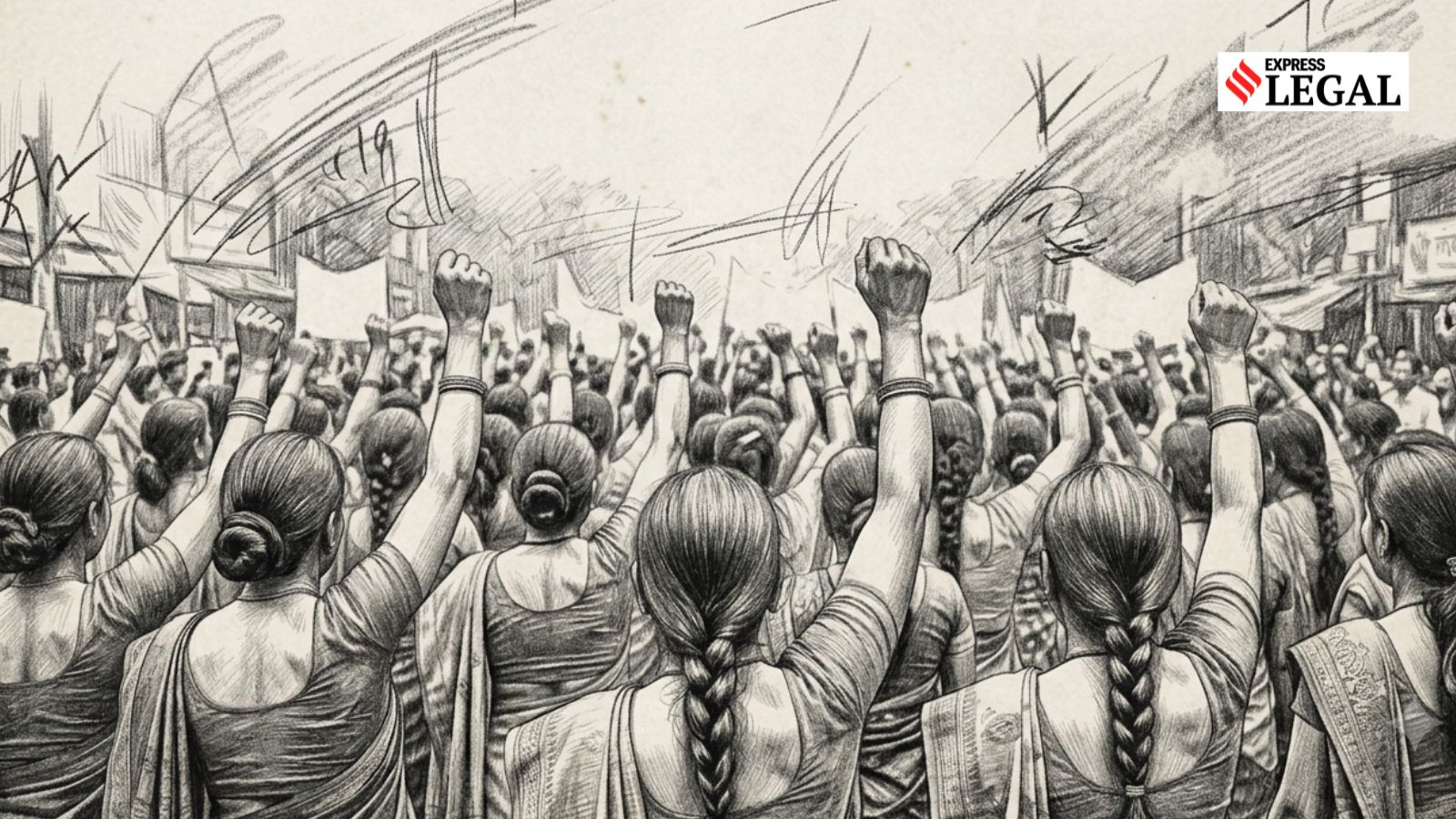
Experts Say Patriarchal Views Still Shape Rape Trials

Victim-Blaming and Gender Bias Still Shape Rape Trials

Sameena Dalwai Reframes Love Jihad Through Women’s Agency
Supreme Court extends Section 498A protection to live-in relationships

PUCL Urges CJI Action Over Rajasthan High Court Allegations

Supreme Court Questions IPS Deputation for CAPF Leadership Positions

Supreme Court Quashes 20-Year Conviction, Reaffirms Juvenile Legal Protections

Two Years After RG Kar Doctor's Rape-Murder, Case Remains Unresolved

ED widens Chhattisgarh probes with two arrests and searches