1 week ago
Experts Say Patriarchal Views Still Shape Rape Trials
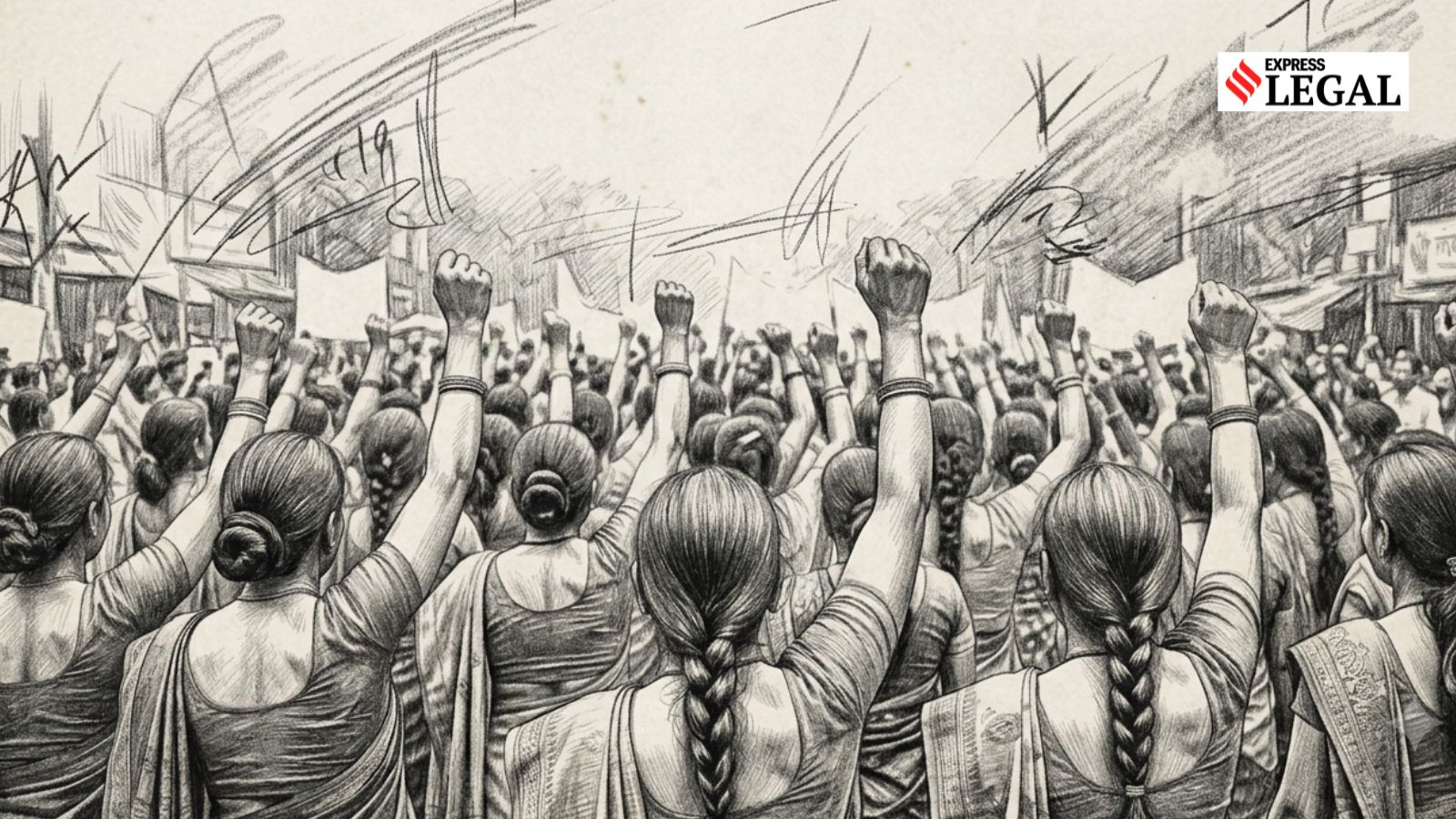
Legal experts say some courts still judge rape survivors by old ideas about how women should behave.
They may ask what a woman wore, where she went, or how she acted after an assault.
Experts say the main question should be whether she freely agreed to the specific sexual act.
Drinking, having a boyfriend, or having past relationships does not decide whether rape occurred.
A person may also continue working, speak with the accused, or delay reporting without that proving consent.
The law was changed in 2013 to define rape more broadly and clarify consent.
The Supreme Court has also said that a survivor’s conduct should not be used inappropriately by courts.
The debate grew after the Bombay High Court’s ruling in the Tarun Tejpal case.

The Bombay High Court’s Tarun Tejpal ruling revived debate over courts’ treatment of rape survivors.
Legal experts say some judgments focus on survivors’ character, conduct and morality instead of the accused’s actions.
Advocate Vrinda Grover said the 2013 legal reforms clarified that consent requires positive, active agreement.
The Supreme Court overturned a Calcutta High Court direction telling adolescent girls to control their sexual urges.
Experts said survivors’ clothing, lifestyle, delayed complaints or lack of physical resistance do not by themselves disprove assault.
- Who
- Legal experts and advocates, including Vrinda Grover, Shobha Gupta and Charu Mathur, are discussing how courts assess rape survivors; the cases involve survivors and accused persons.
- What
- The article examines continuing patriarchal and morality-based reasoning in rape and sexual-assault judgments, including the Tarun Tejpal case.
- Where
- The cases and legal developments discussed involve courts in India, including the Bombay, Calcutta, Allahabad, Karnataka and Supreme Courts.
- When
- The examples span from the 1972 Mathura case through judgments and developments reported up to 2025.
- Why
- The debate concerns whether courts are evaluating consent, evidence and the accused’s conduct, or instead judging survivors by stereotypes about morality and behavior.
Survivor-centered legal approach
Conduct-focused judicial reasoning
What courts should examine
Survivor-centered legal approach
Legal experts say judges should assess the allegations, evidence, applicable legal ingredients and whether there was unequivocal, voluntary consent.
Conduct-focused judicial reasoning
Several cited judgments examined the survivor’s conduct, morality, lifestyle or behavior after the alleged assault when assessing the case.
Meaning of consent
Survivor-centered legal approach
Consent must be positive and active agreement to a specific sexual act; lack of physical resistance does not establish consent.
Conduct-focused judicial reasoning
Older reasoning, including in the Mathura case, placed weight on the absence of visible injuries or physical resistance.
Survivor behavior
Survivor-centered legal approach
Experts say drinking, relationships, clothing, going out late, continuing to work, speaking with the accused or delaying a complaint do not by themselves disprove sexual assault.
Conduct-focused judicial reasoning
Some cited courts treated such circumstances as relevant to a survivor’s credibility or responsibility, including observations that a survivor had “invited trouble.”
Key facts
- Trigger for debate
- The Bombay High Court overturned the trial court’s 2021 acquittal of Tarun Tejpal and criticized reliance on inadmissible material, including graphic details of the complainant’s past sexual history.
- 2013 legal reform
- The Criminal Law (Amendment) Act, 2013 broadened the legal definition of rape and defined consent as positive, active agreement.
- Calcutta High Court ruling
- The Supreme Court described advice to adolescent girls to control their sexual urges as highly objectionable and completely unwarranted, and set it aside in 2024.
- Mathura case
- The case began with the alleged rape of a minor Adivasi girl by two police constables in a police station in Gadchiroli in March 1972; the Supreme Court acquitted the accused in 1979.
- Aparna Bhat ruling
- In 2021, the Supreme Court held that a victim’s conduct is irrelevant and rejected reasoning based on past consent, promiscuity or supposed chastity.
- Vishaka development
- The handling of a 1992 gang-rape case contributed to the Supreme Court’s 1997 Vishaka Guidelines on sexual harassment at the workplace.
Quotes

Bombay High Court
The high court that overturned Tarun Tejpal’s trial-court acquittal.
“The trial court appears to be influenced by extraneous, inadmissible material and testimony, including graphic details of the victim’s past sexual history, which are prohibited by law, and used them to censure her character and discredit her evidence.”
 indianexpress.com
“A judge’s role is to examine whether the allegations and evidence disclose the ingredients of the offence under the applicable law, rather than determine how a woman should dress, behave or respond to an alleged assault.”
indianexpress.com
Sources
Related news

Victim-Blaming and Gender Bias Still Shape Rape Trials

HC convicts Tejpal in 2013 rape case, calls acquittal perverse

Bombay High Court Convicts Tehelka Founder Tarun Tejpal of Rape

Bombay High Court convicts Tarun Tejpal of aggravated rape

Bombay High Court Convicts Tarun Tejpal in 2013 Rape Case

Bombay HC convicts ex-Tehelka editor Tarun Tejpal in rape case

PUCL Urges CJI Action Over Rajasthan High Court Allegations

Supreme Court Questions IPS Deputation for CAPF Leadership Positions

Supreme Court Quashes 20-Year Conviction, Reaffirms Juvenile Legal Protections

Two Years After RG Kar Doctor's Rape-Murder, Case Remains Unresolved

ED widens Chhattisgarh probes with two arrests and searches