1 week ago
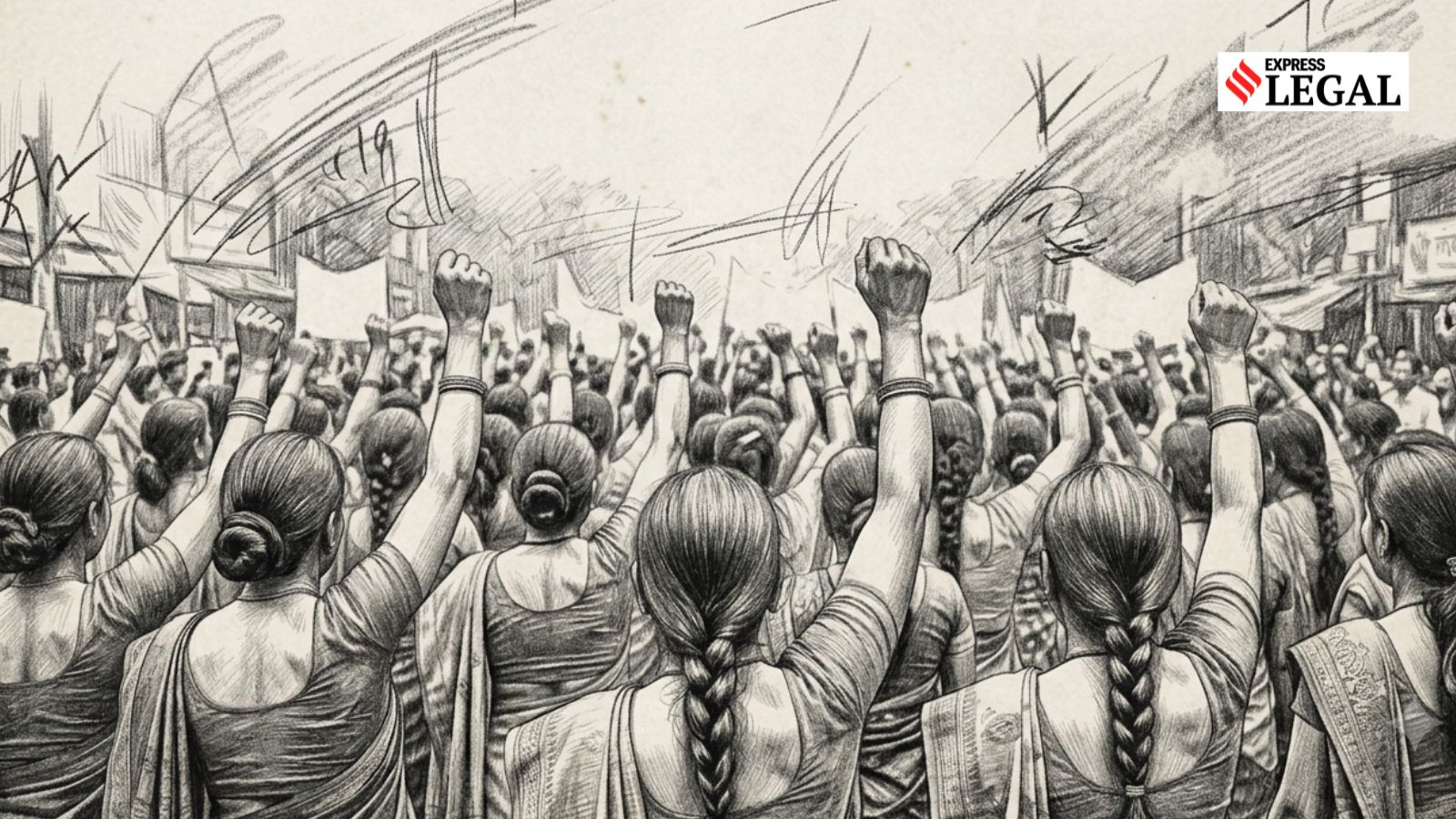
Victim-Blaming and Gender Bias Still Shape Rape Trials

The article says rape survivors are sometimes blamed instead of the person accused of the crime.
In court, lawyers may ask unfair questions about a survivor’s clothes, lifestyle, or past.
These questions can suggest that the survivor caused or invited the assault.
Indian law now says such questions should not be used to attack a survivor’s credibility.
The Bombay High Court criticized this kind of questioning in the Tarun Tejpal case.
It also reversed Tejpal’s earlier acquittal.
The article says many assaults are committed by people the survivor already knows.
It argues that judges should examine the facts rather than decide whether someone looks like a “perfect” victim.
This would help courts deliver fairer justice.

The Bombay High Court criticized humiliating questions about a survivor’s sexual history in the 2013 Tarun Tejpal rape and sexual assault case.
The court reversed Tejpal’s acquittal, reviving concerns about how survivors are treated during trials.
Indian law now prohibits using a survivor’s sexual history, reputation, attire, or conduct to question credibility or imply consent.
Despite these legal safeguards, social beliefs about women’s respectability continue to influence some court proceedings.
The editorial argues that courts should focus on facts and avoid searching for an “ideal” or “perfect” victim.
- Who
- The Bombay High Court, Tarun Tejpal, the survivor in his case, and rape survivors facing victim-blaming in court.
- What
- The court criticized humiliating questioning about a survivor’s sexual history and reversed Tarun Tejpal’s acquittal; the editorial examines gender bias in rape trials.
- Where
- The proceedings discussed took place in Indian courts, including the Bombay High Court and a sessions court.
- When
- The case concerns a 2013 rape and sexual assault allegation; the article also refers to legal changes in 2003 and 2023.
- Why
- The issue has resurfaced because survivor-blaming and gendered assumptions can undermine fair evaluation of evidence and produce imperfect justice.
Survivor-Centered Justice
Traditional Victim-Blaming Arguments
Use of personal history in court
Survivor-Centered Justice
Questions about sexual history, reputation, attire, and conduct should not be used to undermine a survivor’s credibility or imply consent.
Traditional Victim-Blaming Arguments
The editorial describes a continuing tendency in some proceedings to use a survivor’s history, lifestyle, clothing, or behavior to suggest that she is responsible for the assault.
Meaning of an “ideal” victim
Survivor-Centered Justice
Courts should assess the facts without requiring survivors to be young, vulnerable, respectable, unfamiliar with the attacker, or blameless in their choice of location or lifestyle.
Traditional Victim-Blaming Arguments
Social stereotypes favor survivors who fit a narrow image of purity and vulnerability, while women who are seen as outside accepted social norms may be blamed.
Focus of justice
Survivor-Centered Justice
The editorial argues that courts must concentrate on evidence and understand survivors’ trauma to avoid imperfect justice.
Traditional Victim-Blaming Arguments
Gendered and moralizing assumptions can allow biases from a traditional male-centered social order to influence the delivery of justice.
Key facts
- Case discussed
- The 2013 Tarun Tejpal rape and sexual assault case.
- Bombay High Court action
- The court criticized the survivor’s humiliating cross-examination and reversed Tejpal’s acquittal.
- Earlier evidence law
- The Indian Evidence Act, 1872 allowed a survivor’s sexual history to be introduced as evidence.
- Legal change
- The relevant provision was repealed in 2003.
- Current prohibition
- Since the Criminal Law (Amendment) Act, 2013, questioning a survivor’s credibility based on sexual history is specifically prohibited.
- Current statute
- Section 50 of the Bharatiya Sakshya Adhiniyam, 2023 contains similar prohibitions.
- Historical reference
- The 1979 Mathura rape case helped launch campaigns against outdated anti-rape laws after the accused policemen were acquitted.
Sources
Related news
Experts Say Patriarchal Views Still Shape Rape Trials

HC convicts Tejpal in 2013 rape case, calls acquittal perverse

Bombay High Court convicts Tarun Tejpal, rejects 'perfect victim' expectations

Bombay High Court Convicts Tehelka Founder Tarun Tejpal of Rape

Survivor Recalls 13-Year Trauma After Tejpal's Rape Conviction

Bombay High Court Convicts Tarun Tejpal in 2013 Rape Case

Ramesh recalls 2023 suspension of 146 MPs, warns against repeat

Amit Shah: New criminal laws built on technology, timeline, trust
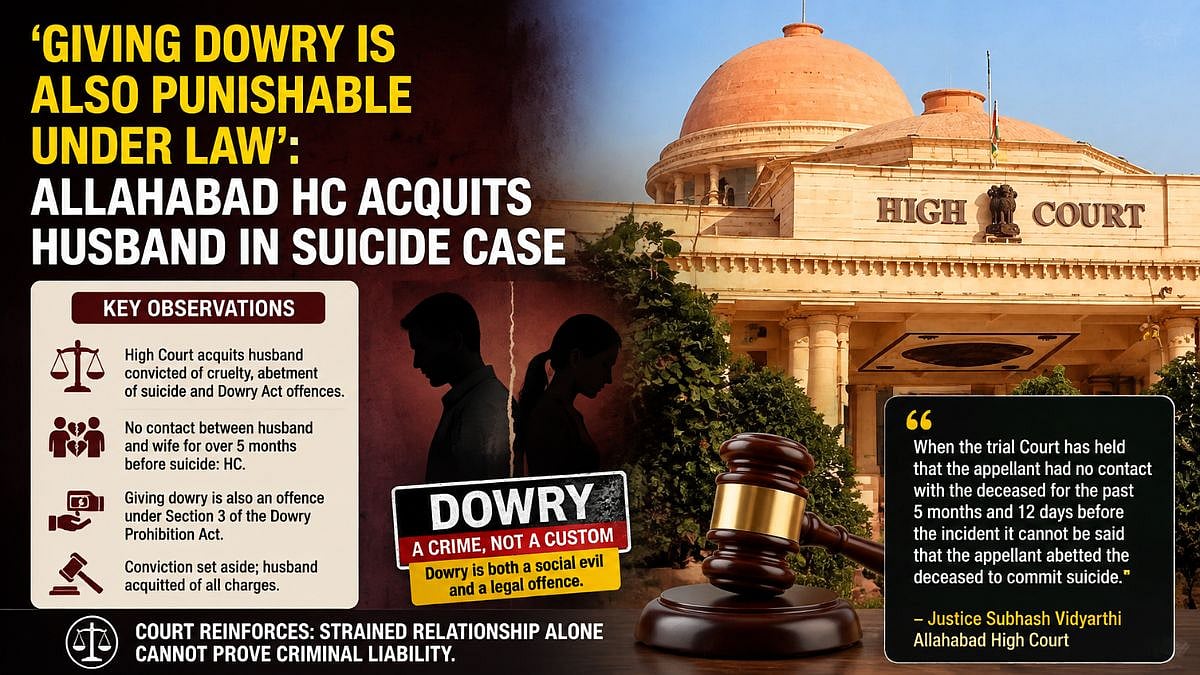
Allahabad High Court Acquits Husband in Dowry Abetment Suicide Case

Court Rejects Rahul Gandhi's Speech CD in Savarkar Defamation Case