3 weeks ago
How India's Tricolour Flag Evolved Through the Freedom Struggle

A long time ago, India was ruled by another country called Britain.
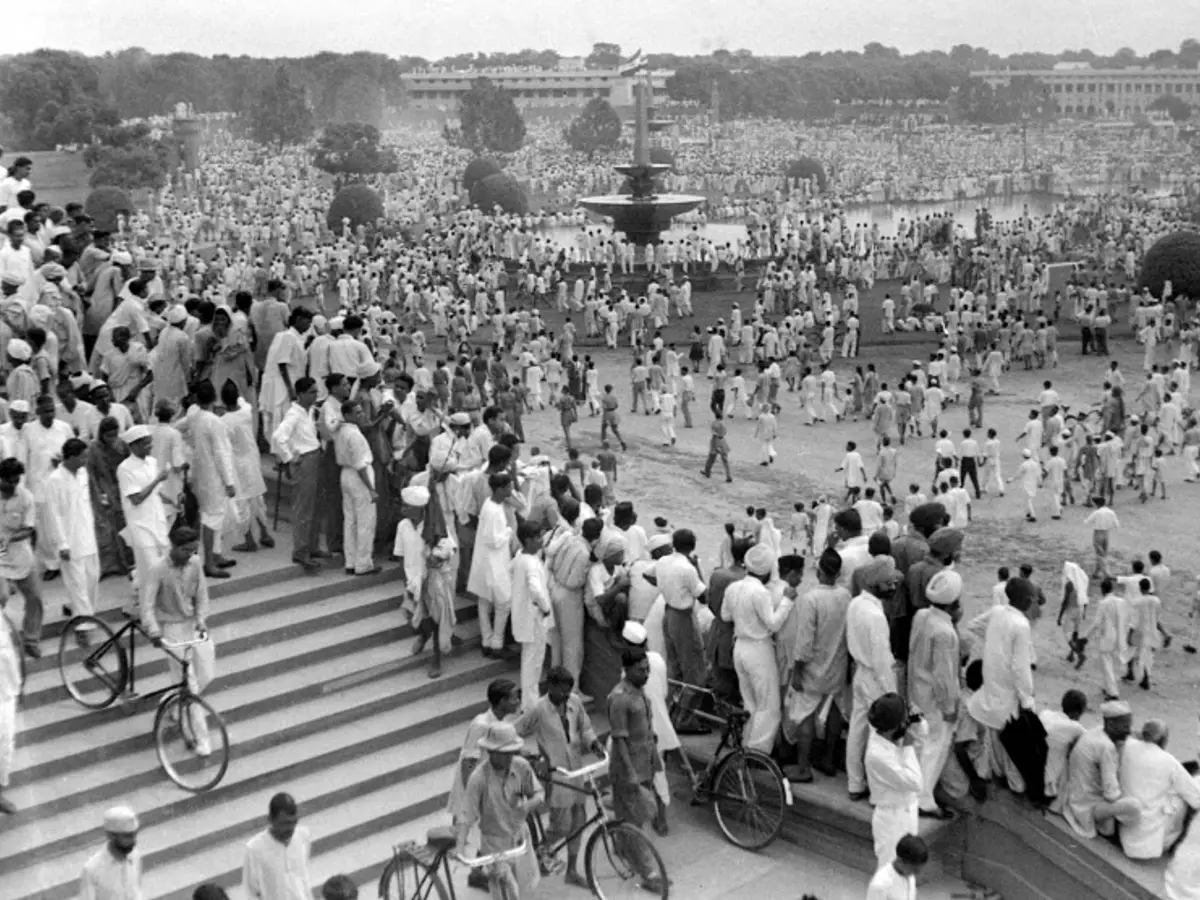
Every year on August 15, India celebrates the day it became free in 1947.
This year is India's 80th Independence Day, which is a very special birthday for the country.
The Indian flag we see today looked very different in the past.
It changed many times as people fought for freedom.
Some early flags had different colours and pictures, like lotuses, the sun, the moon, and a weapon called a vajra.
A woman named Sister Nivedita made one of the first flags for India.
A man named Pingali Venkayya showed Mahatma Gandhi a flag with red and green colours and a spinning wheel in the middle.
Gandhi asked him to add white for peace and other communities.
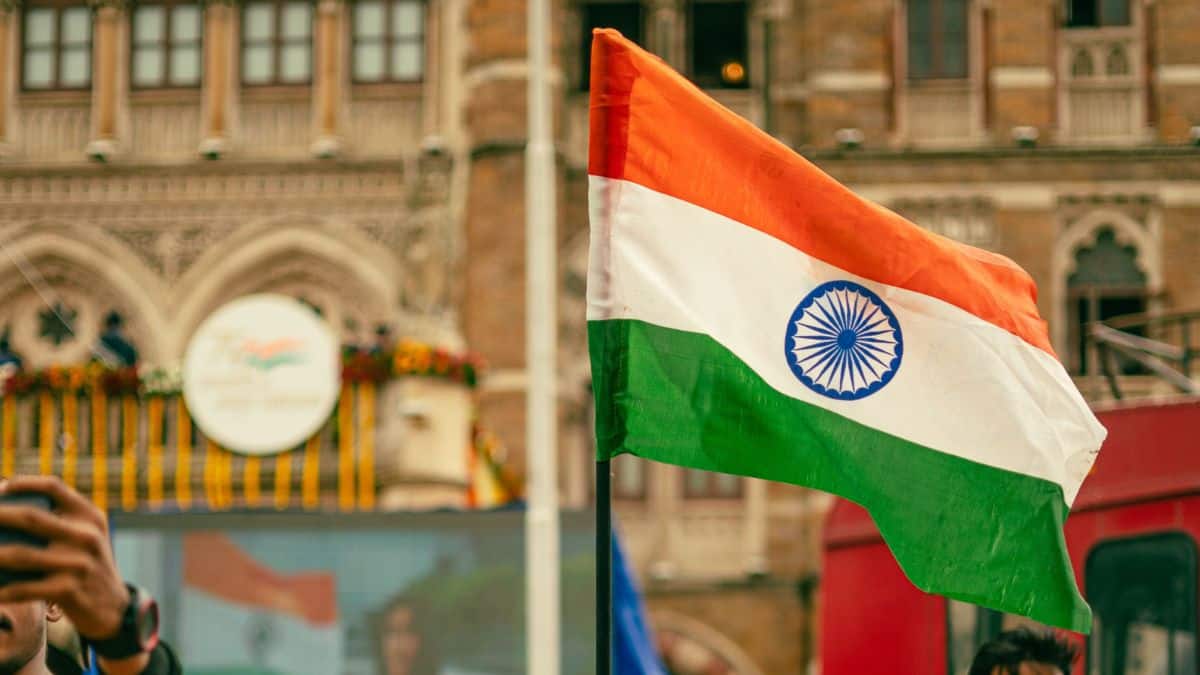
Finally, in 1947, India chose the flag with saffron, white, and green colours and a blue wheel called the Ashoka Chakra.
Saffron means courage, white means peace, and green means growth.

India celebrates its 80th Independence Day on August 15, 2026, marking freedom from the British Raj in 1947.
Sister Nivedita created one of the earliest flags of Indian nationalism, featuring red and yellow colours, a vajra, a white lotus and 'Vande Mataram' in Bengali script.
On August 7, 1906, an early nationalist flag with green, yellow and red bands was hoisted at Parsee Bagan Square, now Green Park, in Kolkata.
In 1907, Madam Bhikaji Cama unfurled a green, golden-saffron and red flag in Stuttgart, Germany, drawing international attention to India's struggle.
The present tricolour with the navy-blue Ashoka Chakra, a 24-spoke wheel, was adopted by the Constituent Assembly on July 22, 1947.
- Who
- Indian freedom fighters and leaders including Sister Nivedita, Madam Bhikaji Cama, Bal Gangadhar Tilak, Annie Besant, Pingali Venkayya and Mahatma Gandhi.
- What
- The Indian tricolour flag evolved through several designs during the freedom struggle before the present flag was adopted in 1947.
- Where
- India, including Calcutta (Kolkata) where the 1906 flag was hoisted, and Stuttgart, Germany, where the Cama flag was unfurled in 1907.
- When
- From the early 1900s, including August 7, 1906 and 1907, through July 22, 1947, when the present flag was adopted; the article is published ahead of India's 80th Independence Day on August 15, 2026.
- Why
- The flag evolved to represent India's growing nationalist movement and its demand for freedom and self-government from British rule.
Key facts
- Independence Day
- August 15, 1947 - freedom from the British Raj
- 2026 Milestone
- 80th Independence Day
- Present Flag Adopted
- July 22, 1947, by the Constituent Assembly
- Flag Colours
- Saffron (courage, sacrifice), white (peace, truth), green (fertility, growth, auspiciousness)
- Ashoka Chakra
- Navy-blue wheel with 24 spokes from the Lion Capital of Ashoka at Sarnath
- 1906 Flag
- Hoisted at Parsee Bagan Square (now Green Park), Kolkata - green, yellow, red bands
- 1907 Cama Flag
- Unfurled in Stuttgart, Germany - green, golden-saffron, red stripes
- 1921 Design
- Pingali Venkayya presented a flag to Mahatma Gandhi, who suggested adding white
Sources
Related news
Independence Day 2026: 10 facts about the Tiranga's evolution

The Untold Story of India's Tricolour and Pingali Venkayya
Independence Day 2026: 10 surprising facts about India's Tricolour flag
Pingali Venkayya Remembered on 150th Birth Anniversary for Tricolour Role

Yogi Leads Tiranga Yatra for 'Har Ghar Tiranga' Campaign
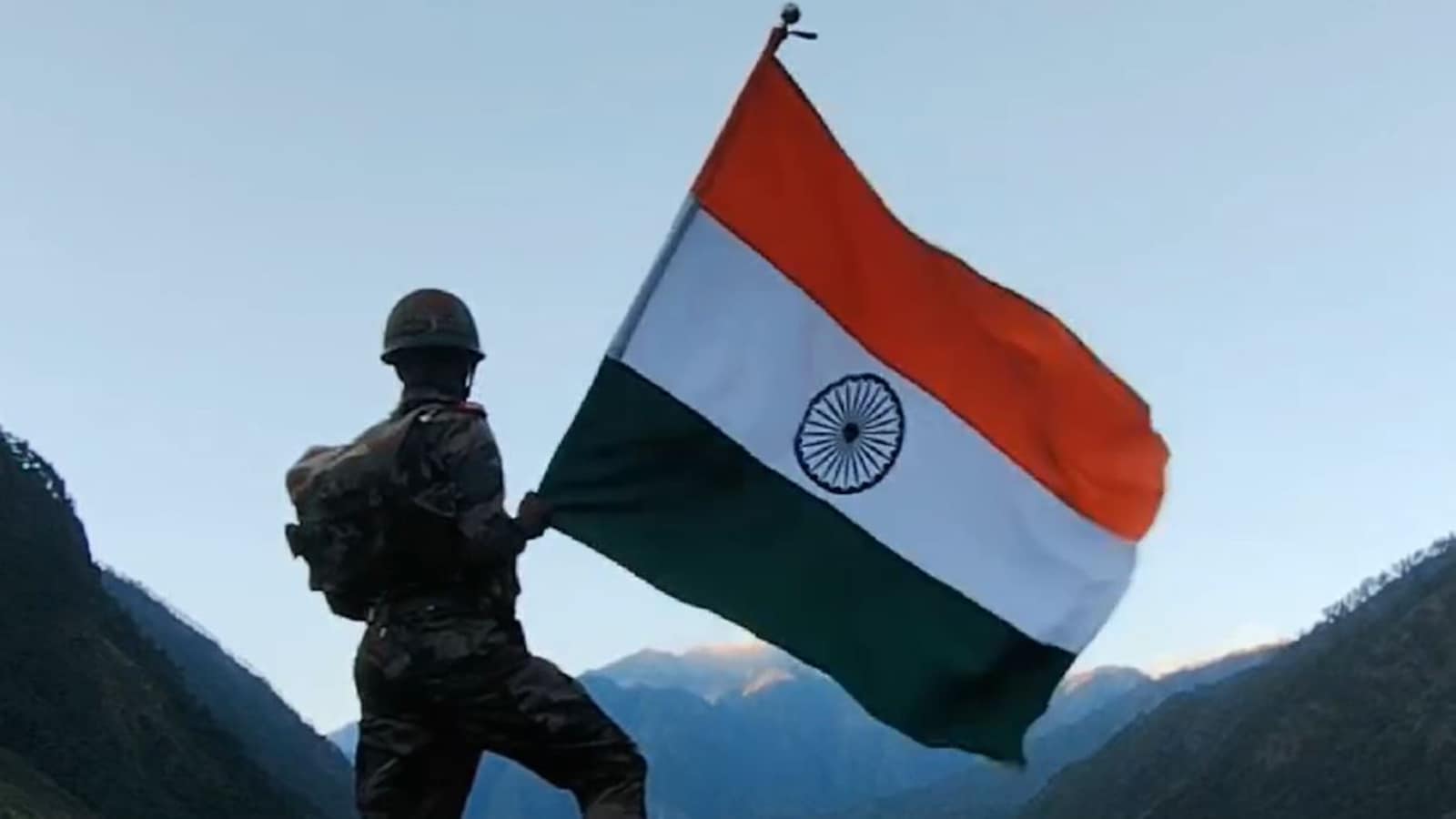
Ashoka Chakra: Meaning Behind 24 Spokes on India's Flag
How Tagore Used Rakhi to Resist Bengal’s Partition

Quit India Movement paved way for Independence, Congress leader says
Independence Day fiction: Jailed satyagraha volunteer's family faces land seizure

Independence Day 2026: Freedom Fighter Quotes Continue to Inspire

From Colonial Neglect, India Built a Healthcare System of Promise