

2 weeks ago
Independence Day 2026: 10 surprising facts about India's Tricolour flag
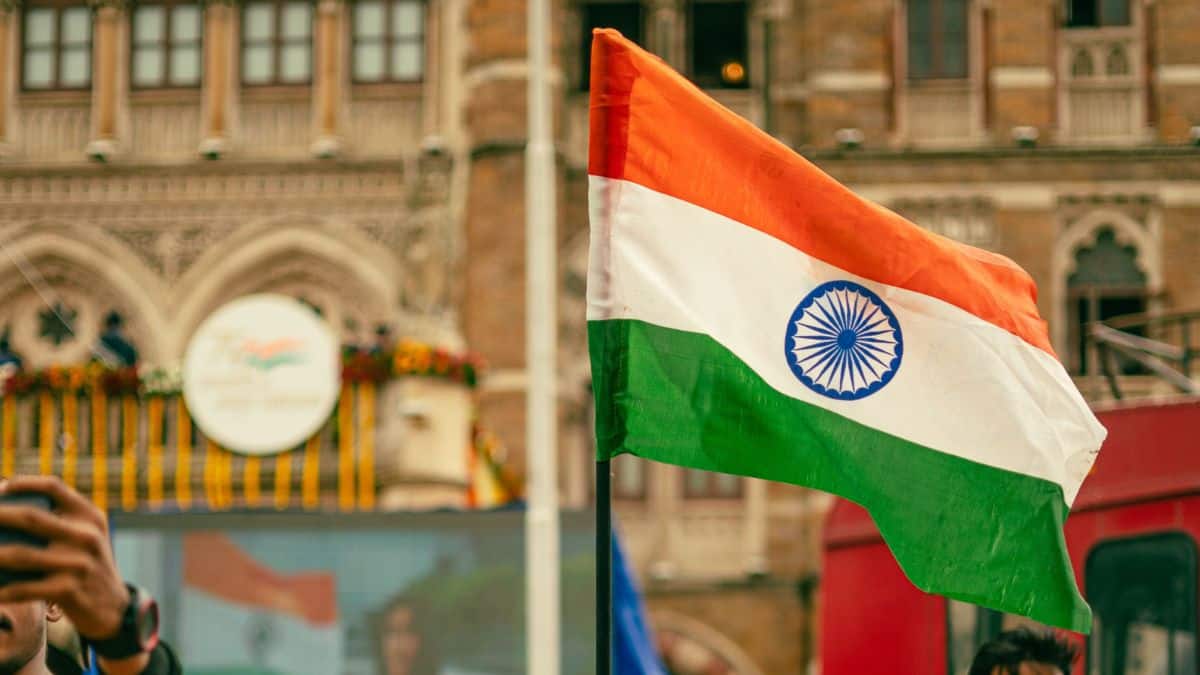
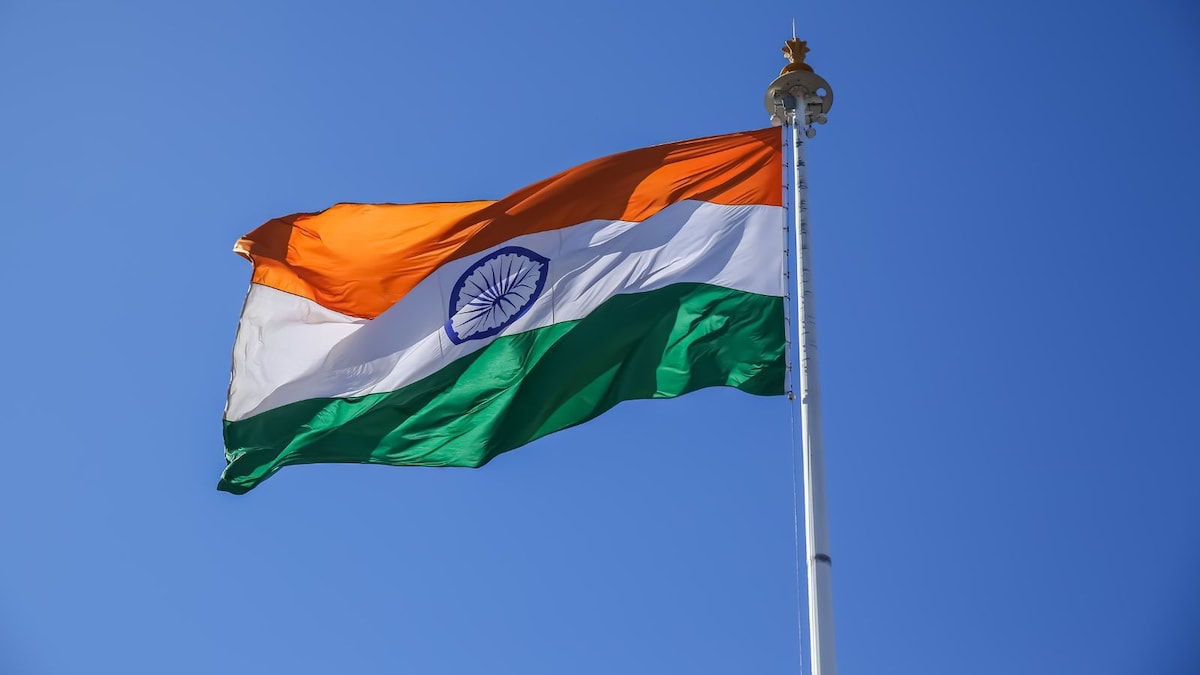
The Indian flag is called the Tricolour because it has three coloured bands: saffron, white, and green.
India celebrates Independence Day every year to remember when the country became free in 1947.
The flag did not always look the way it does today.
Before India became independent, people tried many different designs with different colours and symbols.
A man named Pingali Venkayya worked very hard to design the flag we see today.
The flag once had a spinning wheel on it, but that was replaced by a blue wheel with 24 spokes called the Ashoka Chakra.
Each colour means something special: saffron stands for courage, white for peace, and green for growth.
The flag must be made from a special hand-spun cloth called khadi.
There are rules to protect the flag, such as making sure it never touches the ground.
Today, everyone in India is allowed to fly the flag every day, not just on special occasions.

The Indian flag's design evolved over years before independence, with early versions featuring red and green stripes, eight lotuses, and even the Union Jack.
Pingali Venkayya designed the flag after researching flags from many countries and presenting multiple designs to leaders of the freedom movement.
The Ashoka Chakra with 24 spokes replaced Mahatma Gandhi's spinning wheel and represents law, dharma, and continuous progress.
The flag follows a strict 2:3 width-to-length ratio, is traditionally made from khadi, and machine-made versions are now allowed under specific conditions.
The Constituent Assembly adopted the present design on July 22, 1947, and under updated Flag Code provisions citizens can now fly the flag every day.
- Who
- Pingali Venkayya, who designed the flag; Mahatma Gandhi, whose spinning wheel appeared on an early version; the Constituent Assembly, which adopted the design; and the people of India celebrating Independence Day.
- What
- A feature on 10 lesser-known facts about the Indian national flag, covering its design evolution, colour symbolism, manufacturing rules, and the Flag Code of India.
- Where
- India.
- When
- Around Independence Day 2026; the flag's present design was adopted on July 22, 1947, and hoisted on August 15, 1947.
- Why
- To explain the history and deeper significance of the Tricolour as the nation celebrates Independence Day.
Key facts
- Flag name
- Tricolour
- Designer
- Pingali Venkayya
- Width-to-length ratio
- 2:3
- Design adoption date
- July 22, 1947
- First hoisted
- August 15, 1947
- Ashoka Chakra spokes
- 24
- Manufacturing material
- Khadi (machine-made versions allowed under specific conditions)
- Authorized manufacturer
- Karnataka Khadi Gramodyoga Samyukta Sangha
Sources
Related news

The Untold Story of India's Tricolour and Pingali Venkayya
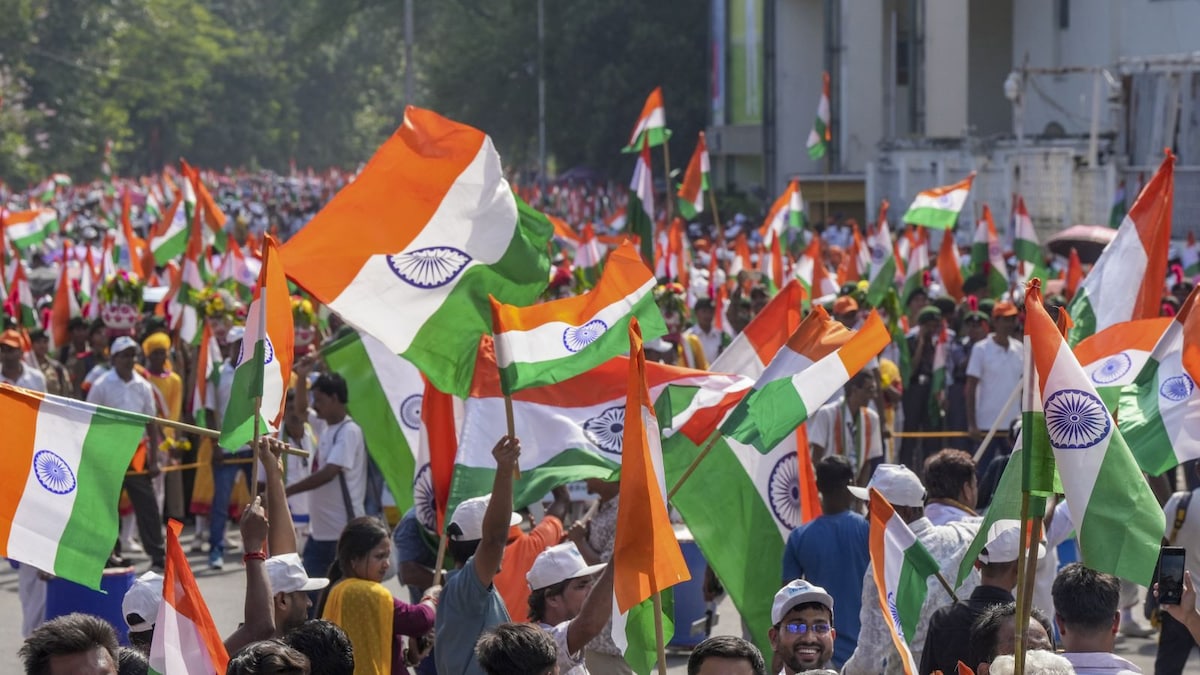
Independence Day 2026: 10 facts about the Tiranga's evolution

How India's Tricolour Flag Evolved Through the Freedom Struggle
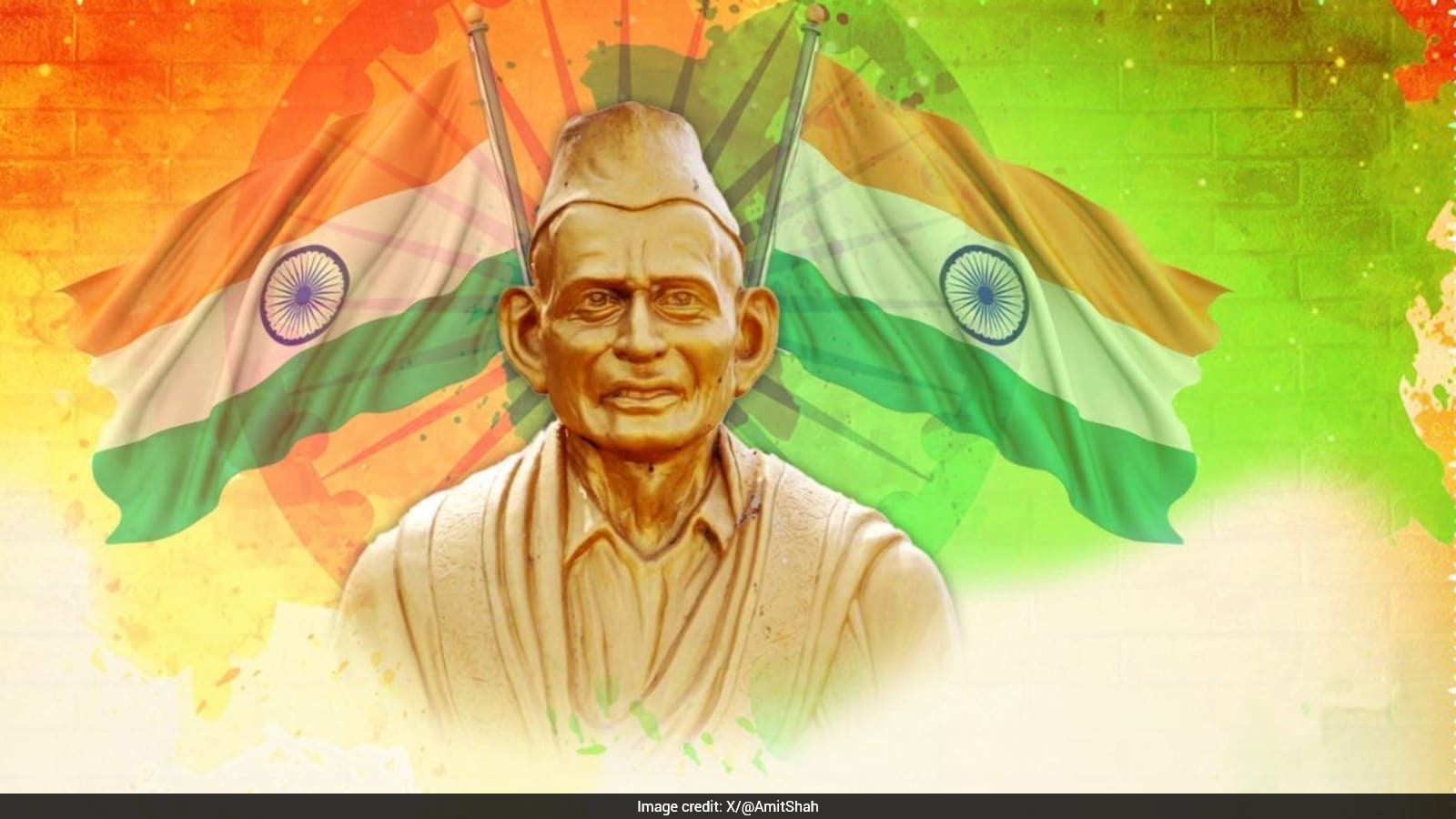
Pingali Venkayya Remembered on 150th Birth Anniversary for Tricolour Role
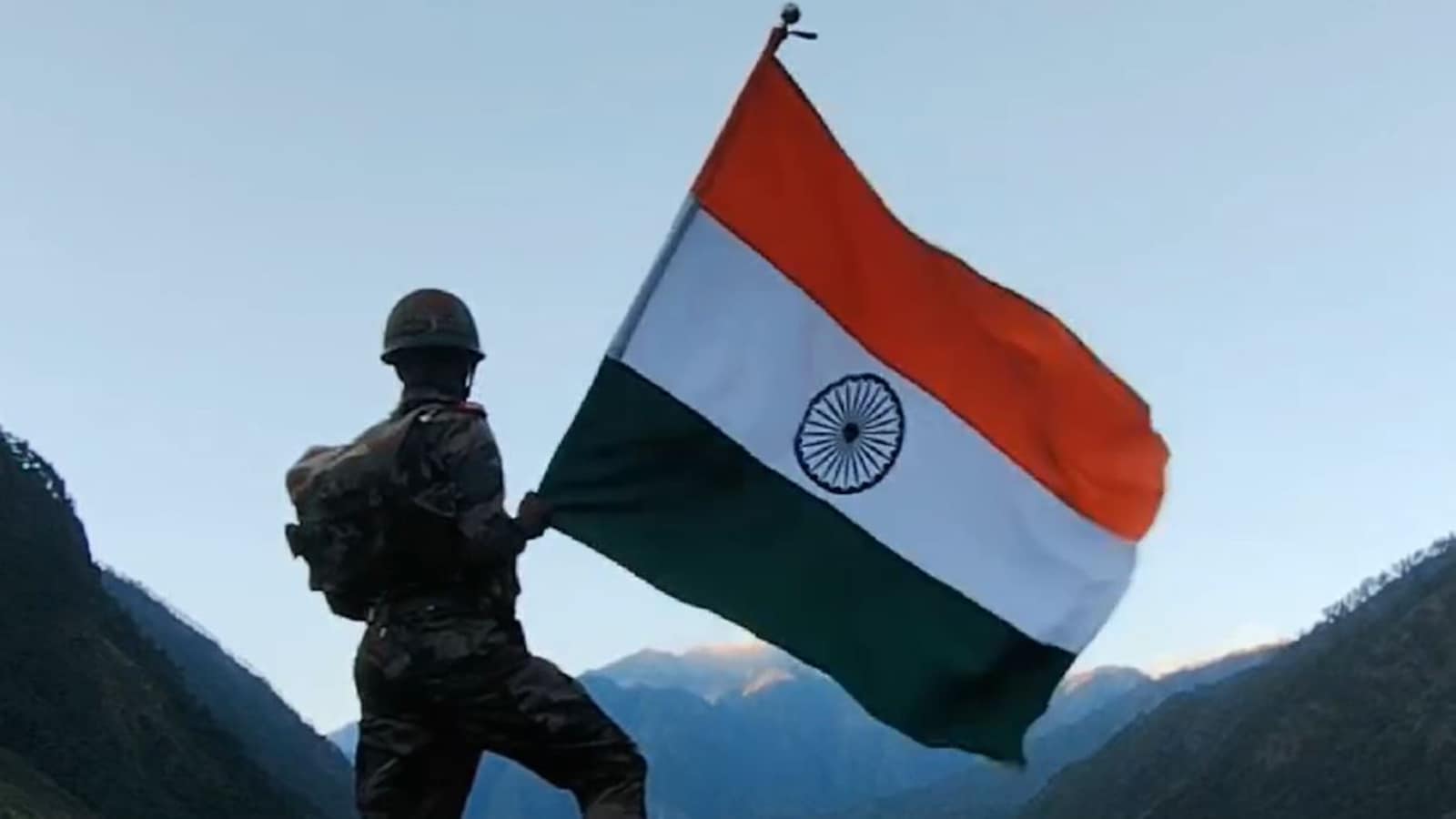
Ashoka Chakra: Meaning Behind 24 Spokes on India's Flag
BIS revising national flag standard, may permit larger flag sizes

Har Ghar Tiranga Week Celebrates Indian Flag and National Unity
Har Ghar Tiranga: Step-by-step guide to join India's flag campaign
Respectfully handle Indian National Flag after Independence Day
