2 weeks ago
The Untold Story of India's Tricolour and Pingali Venkayya

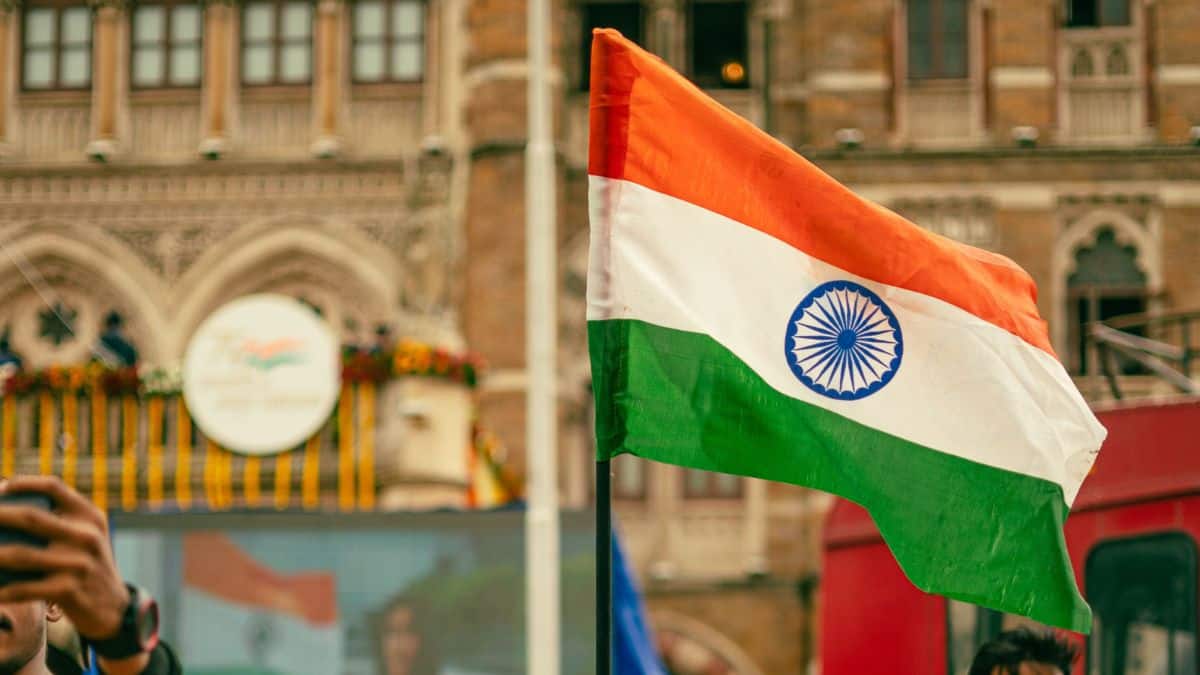
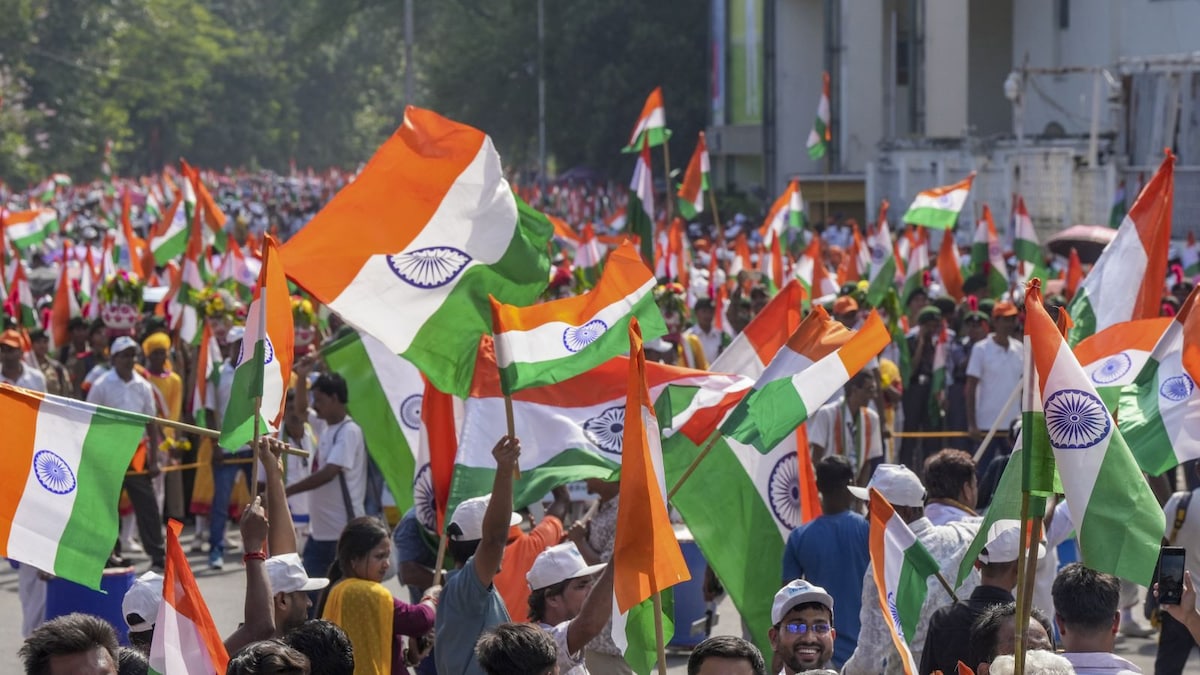
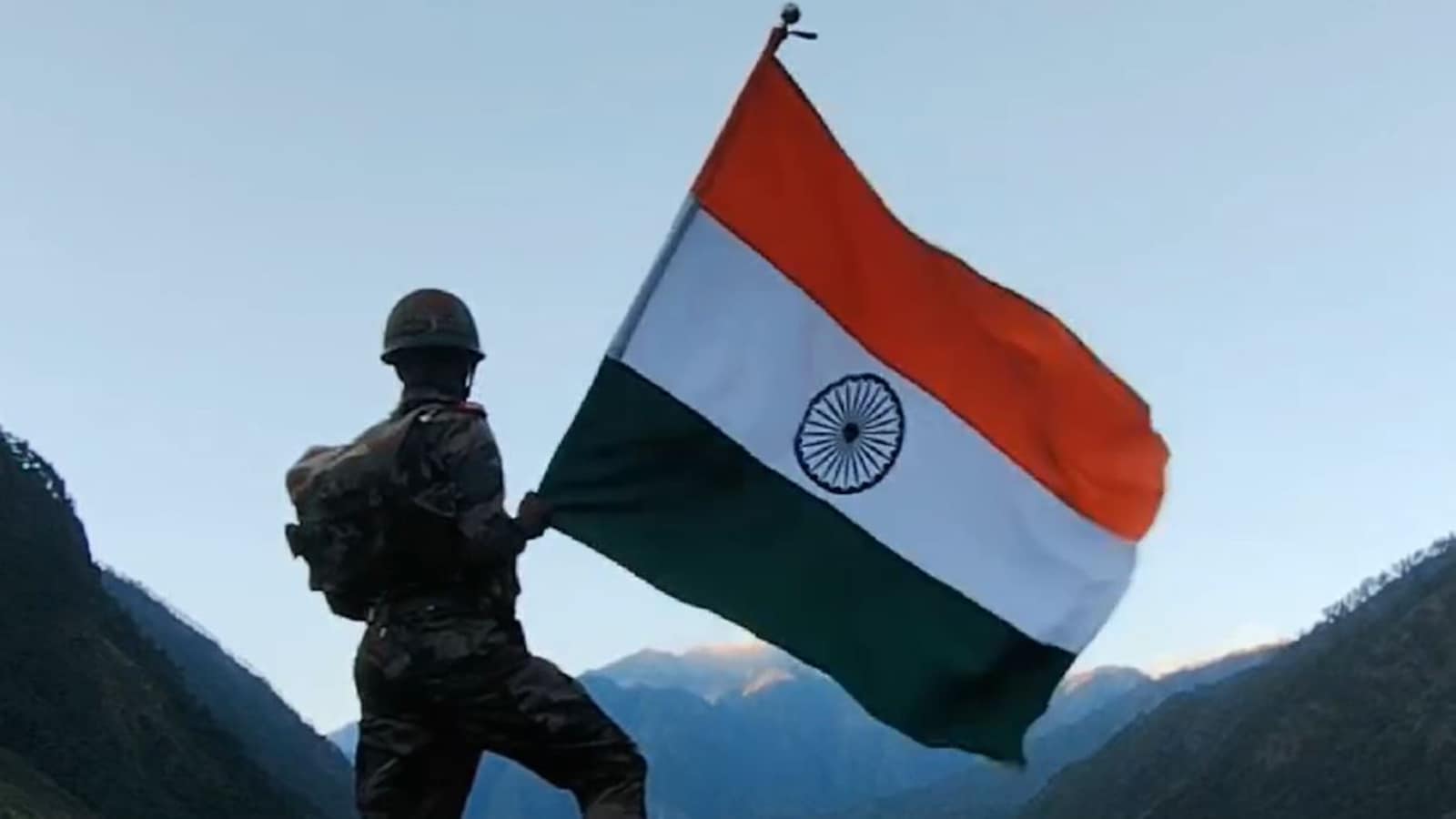
The Indian flag is a special symbol for the 1.4 billion people who live in India.
It took many years and many designs to make it.
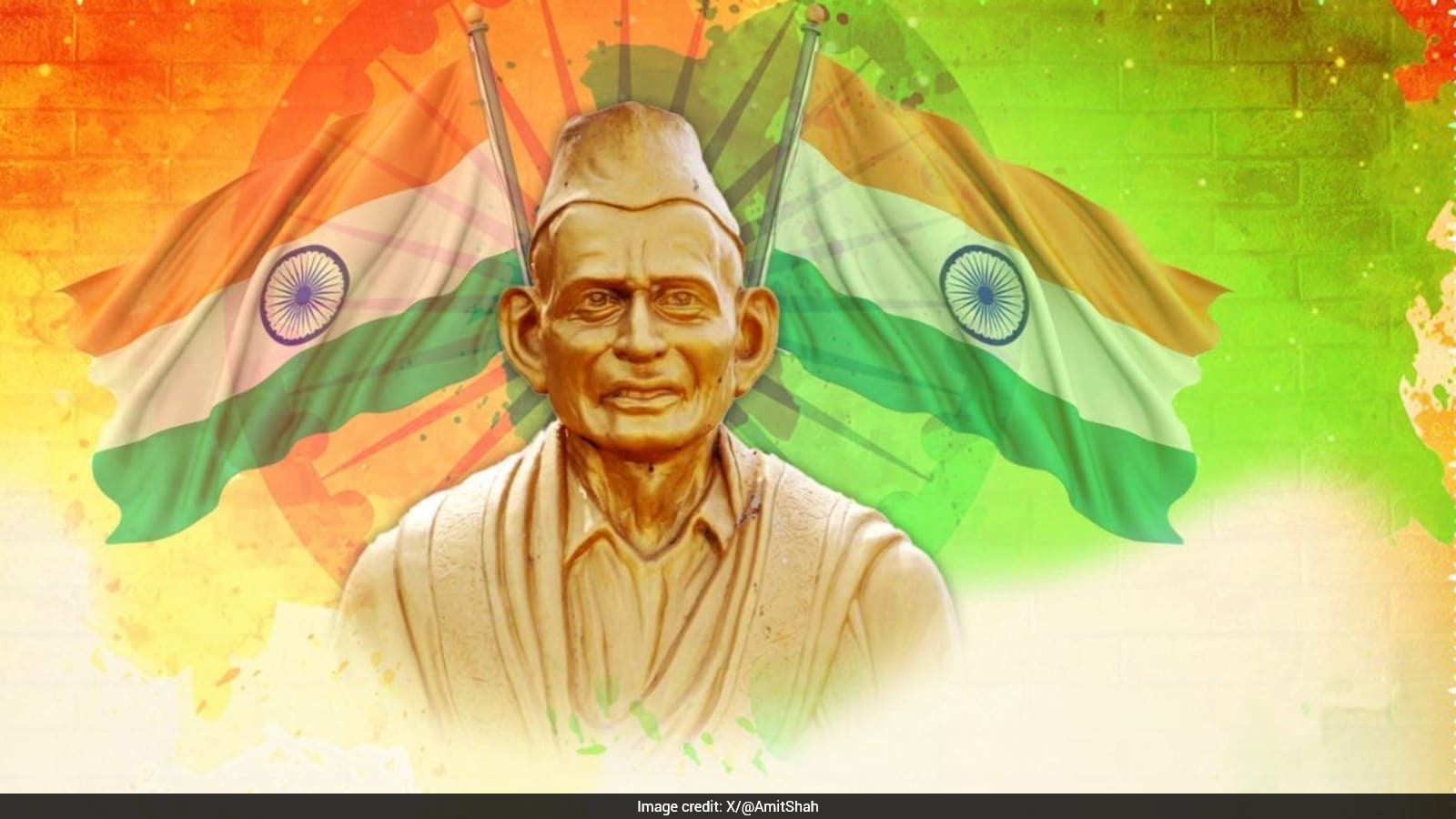
In 1921, a man named Pingali Venkayya showed an early idea for the flag.
Mahatma Gandhi wanted a spinning wheel on it to show that India could make its own things.
On 22 July 1947, India chose the flag we know today.
It has three colours: saffron, white, and green.
Saffron means courage, white means truth and peace, and green means faith in the future.
Instead of a spinning wheel, the flag now has the Ashoka Chakra in the middle, which reminds everyone to keep moving forward.
On 15 August 1947, the flag first flew over a free India, and it still makes Indians proud today.

In 1921, Pingali Venkayya presented an early flag design, while Mahatma Gandhi envisioned the spinning wheel as a symbol of self-reliance.
India adopted its Tricolour on 22 July 1947.
Saffron represents courage, white stands for truth and peace, and green represents faith in the future.
The spinning wheel made way for the Ashoka Chakra, a reminder that a nation must never stop moving forward.
On 15 August 1947, the flag first flew over a free India and has since flown over battlefields, Olympic podiums, and scientific breakthroughs.
- Who
- Pingali Venkayya, who presented an early design in 1921, and Mahatma Gandhi, who proposed the spinning wheel symbol
- What
- The evolution and adoption of India's Tricolour national flag
- Where
- India; the article references the flag flying over the Red Fort
- When
- Early design in 1921, adopted on 22 July 1947, first flown over a free India on 15 August 1947
- Why
- To represent 1.4 billion Indians and symbolize the dream of a free India
Key facts
- Early design presented
- 1921 by Pingali Venkayya
- Flag adopted
- 22 July 1947
- First flown over free India
- 15 August 1947
- Saffron symbolizes
- Courage
- White symbolizes
- Truth and peace
- Green symbolizes
- Faith in the future
- Centre symbol
- Ashoka Chakra (replaced the spinning wheel)
- People represented
- 1.4 billion Indians
Sources
Related news
Independence Day 2026: 10 surprising facts about India's Tricolour flag
Independence Day 2026: 10 facts about the Tiranga's evolution

How India's Tricolour Flag Evolved Through the Freedom Struggle
Pingali Venkayya Remembered on 150th Birth Anniversary for Tricolour Role
Ashoka Chakra: Meaning Behind 24 Spokes on India's Flag

Yogi Leads Tiranga Yatra for 'Har Ghar Tiranga' Campaign
DMDK’s Premalatha Vijayakanth Demands Tamil Nadu Sector Loan Waivers
Why Calling Rahul Gandhi an Anarchist Draws Political Criticism
PM Modi Concludes Two-Nation Tour After Bishkek SCO Summit

Why Jana Gana Mana and Vande Mataram Can Coexist
20 Years Later, Hirani Revisits Gandhi’s ‘Gandhigiri’ Inspiration