1 hr ago
Rising Seas and Sinking Cities Put India’s Coast at Risk
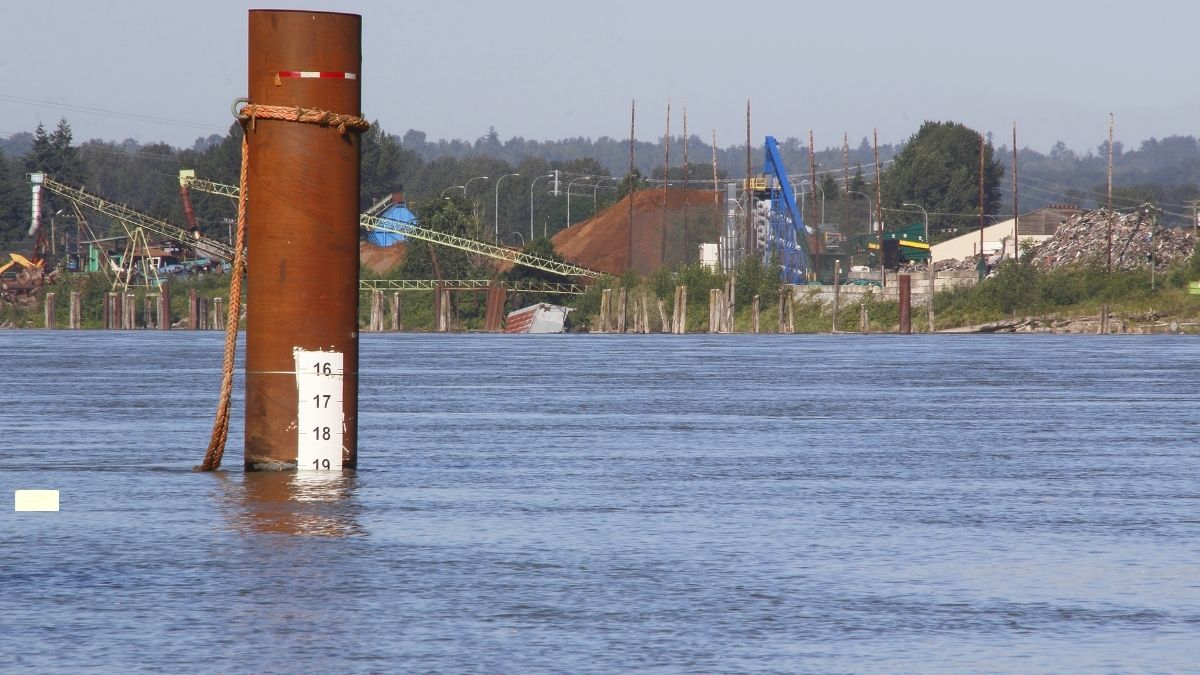
The ice at the North and South Poles is melting, and that adds water to the oceans.
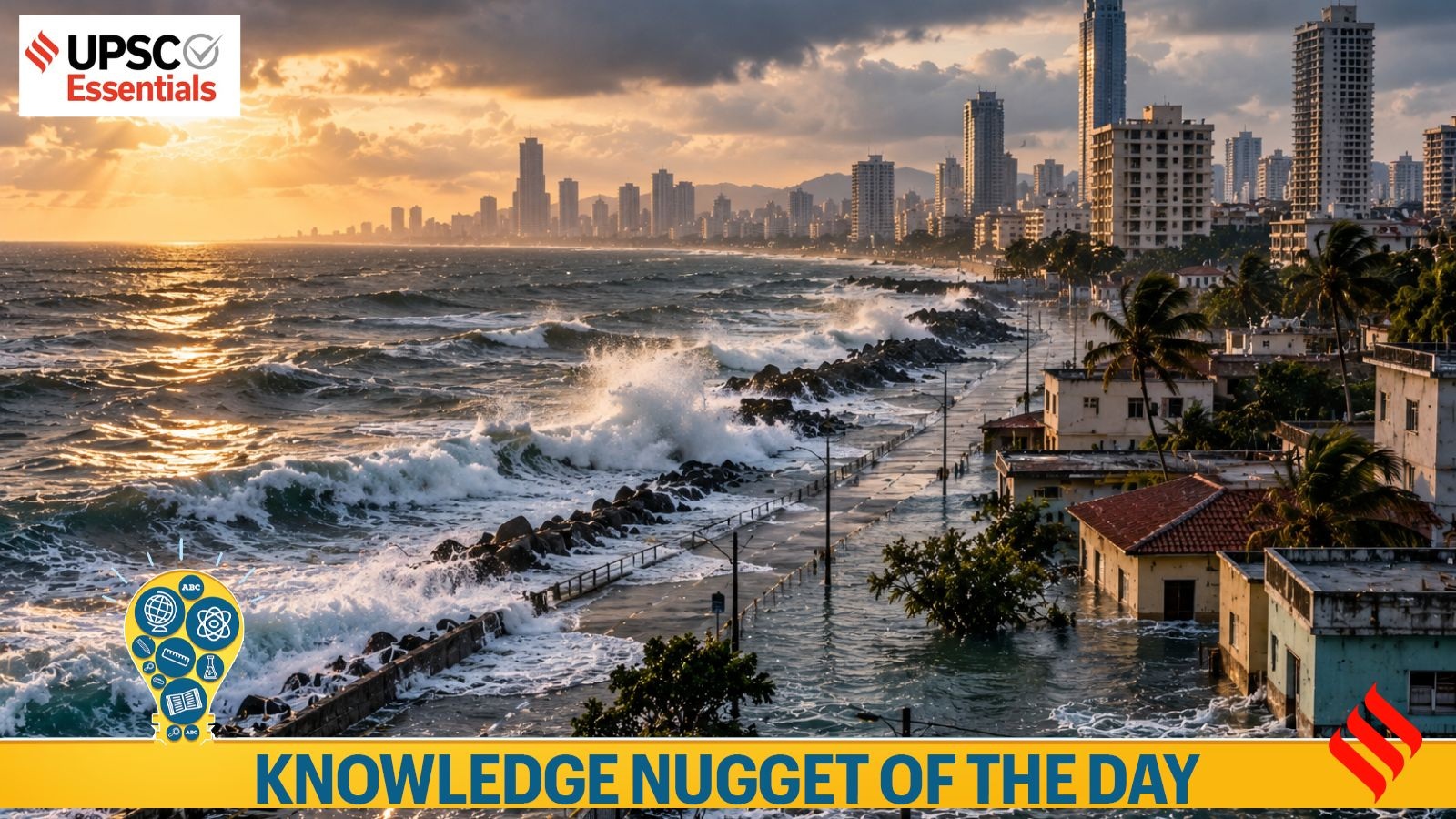
Higher seas can make flooding worse in Indian coastal cities.
Some land in cities is also sinking, partly because people are using groundwater faster than it can be replaced.
This means the water can rise relative to the land even faster in some places.
Coastal erosion is also slowly taking land away, but India’s disaster funds are mostly designed for sudden events.
The article says India should plan for future sea levels, use groundwater more carefully and help people move when needed.
These steps could help protect homes, jobs and ports.

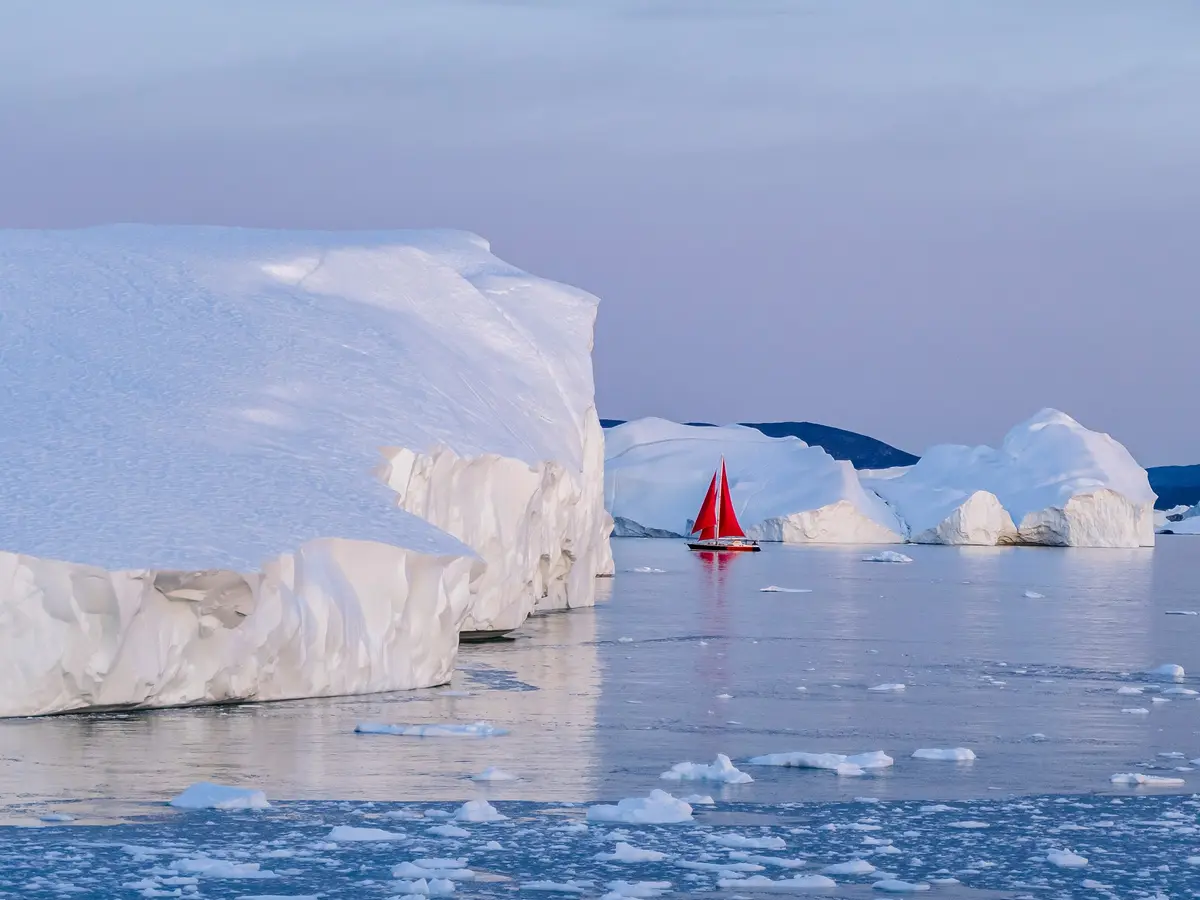
Greenland and Antarctica have lost about 11 trillion tonnes of ice since the 1970s, raising global sea levels by more than three centimetres.
India’s coastal cities face increasing risks from sea-level rise, storm surges, flooding and saltwater intrusion.
Satellite analysis found 878 square kilometres of urban land subsiding across five Indian megacities, largely because groundwater is pumped faster than it recharges.
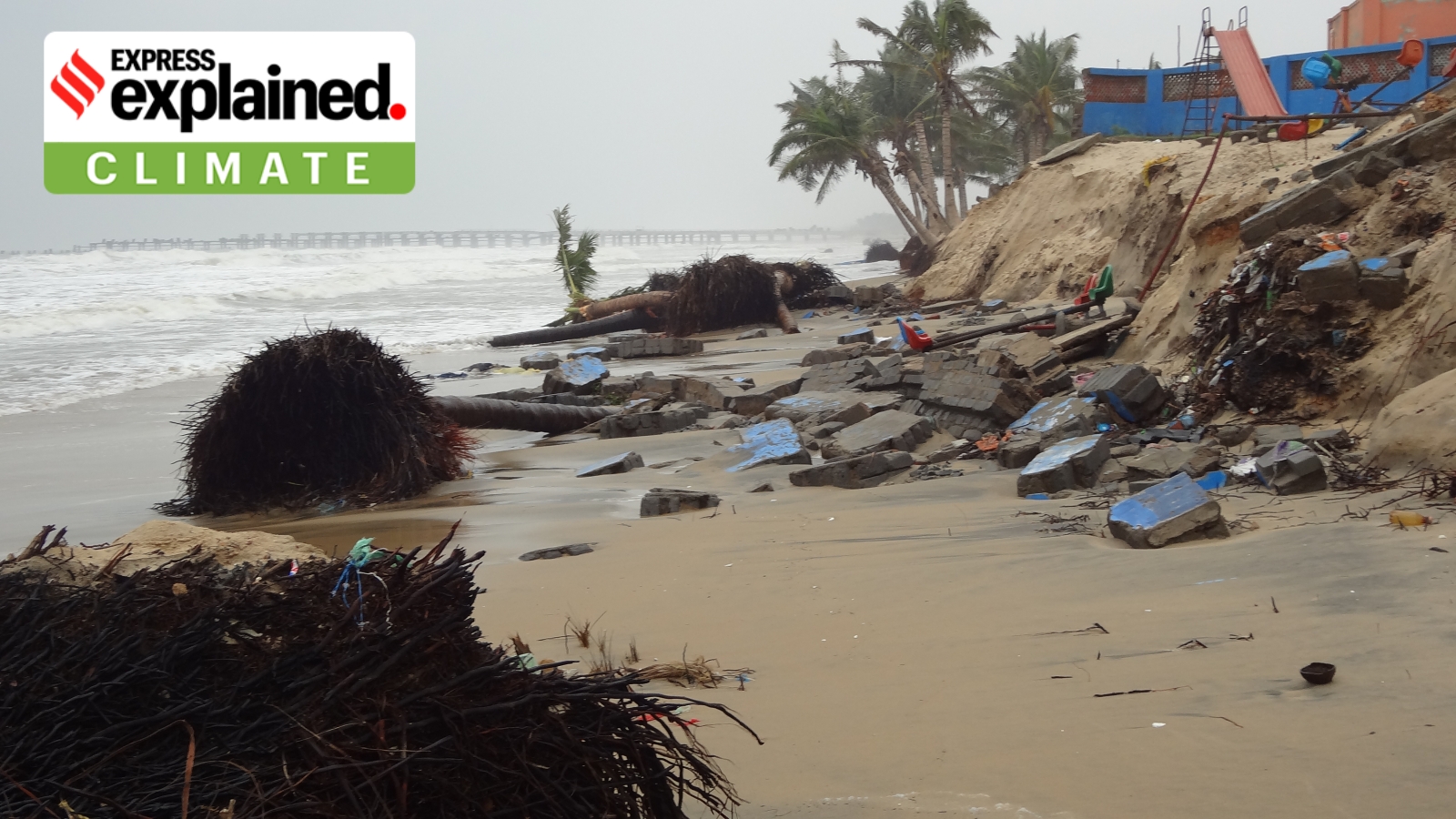
A third of mainland India’s coast eroded between 1990 and 2018, while sea erosion remains outside the nationally notified disaster list.
The article calls for groundwater regulation, planning based on projected tides, and disaster funding for coastal erosion and resettlement.
- Who
- People and governments in India’s coastal regions, including residents of Mumbai, Kolkata and Chennai.
- What
- An argument that India must adapt its coastal planning and disaster funding to rising seas, land subsidence and erosion.
- Where
- India’s coastline and coastal cities, with global ice loss in Greenland and Antarctica contributing to sea-level rise.
- When
- The article cites evidence and projections spanning recent decades through 2040, and disaster funding arrangements for 2026–2031.
- Why
- Rising seas, coastal erosion and land subsidence threaten homes, livelihoods, infrastructure and freshwater.
Article’s recommendations
Existing practices described
Coastal planning
Article’s recommendations
Anchor coastal zones and city master plans to projected sea levels and changing shorelines.
Existing practices described
The article says a coastal buffer was shortened in densely populated rural stretches, while some planning continues to rely on historical tide lines.
Disaster funding
Article’s recommendations
Include slow-onset coastal loss and resettlement in disaster funding.
Existing practices described
Sea erosion remains outside the nationally notified disaster list and has only been fundable as a state-specific disaster.
Groundwater
Article’s recommendations
Regulate groundwater pumping in coastal wards as part of flood defence.
Existing practices described
The article reports that aquifers are being pumped faster than they recharge, contributing to urban land subsidence.
Key facts
- Ice loss
- Greenland and Antarctica have lost about 11 trillion tonnes of ice since the 1970s.
- Sea-level contribution
- The article says ice sheets now supply about a quarter of global sea-level rise.
- Coastal population
- India’s 66 coastal districts held 171 million people at the last census, or 14% of the population.
- Trade
- Ports along India’s coast carry roughly 95% of the country’s trade by volume and 70% by value.
- Subsiding land
- Satellite radar analysis found 878 square kilometres of urban land subsiding across five Indian megacities.
- Coastal erosion
- A third of mainland India’s coast eroded between 1990 and 2018, according to the National Centre for Coastal Research.
- Disaster funding
- For 2021–2026, Rs 1,500 crore was set aside for erosion mitigation and Rs 1,000 crore for resettlement.
Sources
Related news
UN Sea-Level Declaration Protects States, Challenges India’s Coast
UN Declaration Highlights Growing Global Threat of Sea-Level Rise

Satellite Data Reveals Major Ice Losses in Greenland, Antarctica
Study Finds 11.3 Trillion Tons of Polar Ice Lost
Himalayan Melt and Monitoring Gaps Threaten Northern India

Mumbai Climate Risk Study Draws Scrutiny Over Coastal Development
Why Cutting Short-Lived Climate Pollutants Is a Climate Priority

UN Report Says 1.5°C Breach Is Now Unavoidable
UNEP Report Says 1.5°C Breach Is Now Inevitable