1 hr ago
UN Declaration Highlights Growing Global Threat of Sea-Level Rise
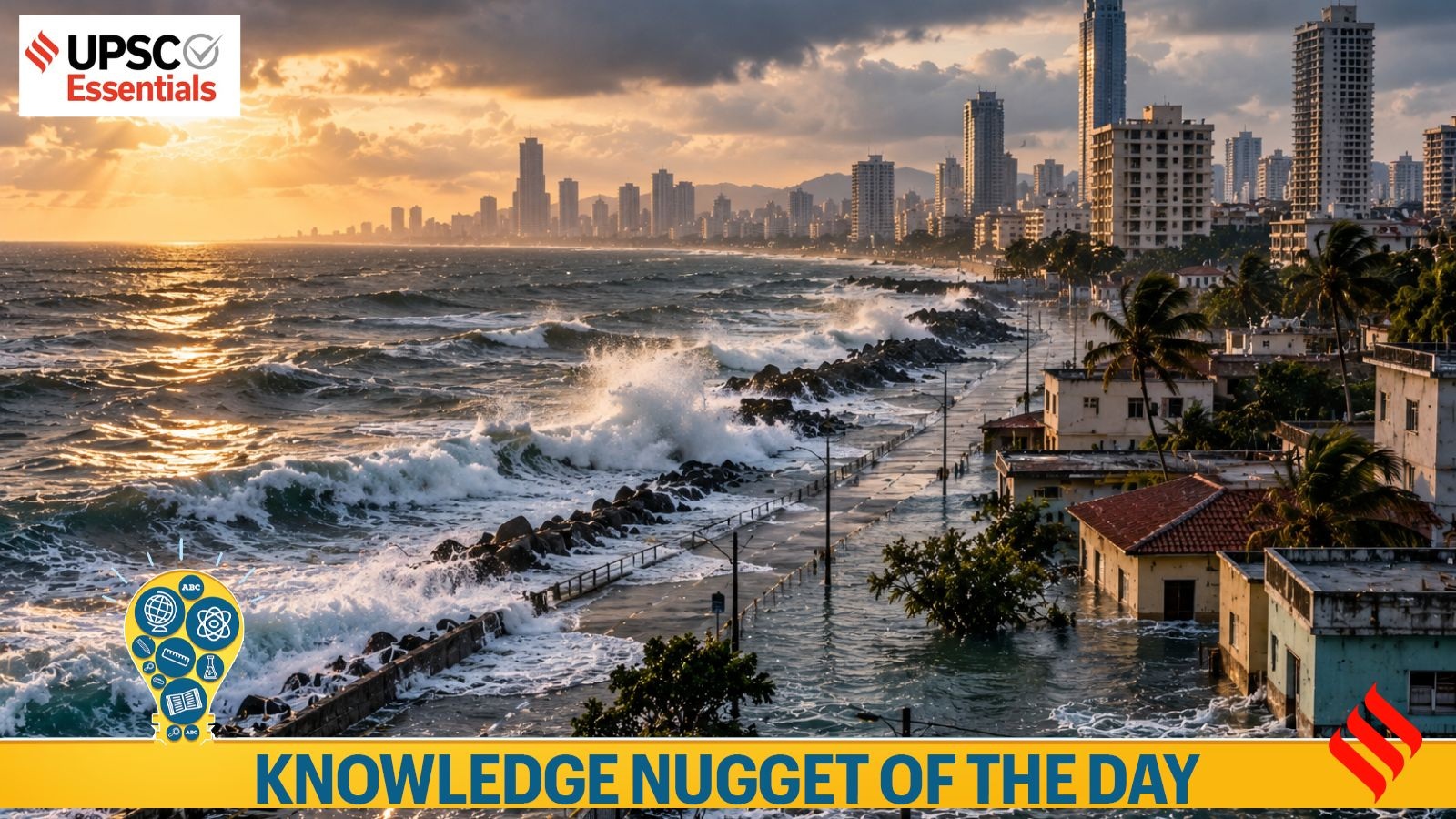
Sea levels are rising because Earth is getting warmer.
Warm water takes up more space, and glaciers and ice sheets on land are melting into the ocean.
The ocean has already risen about 21 centimetres since 1880.
It is now rising faster than before.
Even if countries stop adding greenhouse gases, the sea will continue rising for a long time.
Small island countries such as Fiji, the Maldives and Tuvalu face especially serious risks.
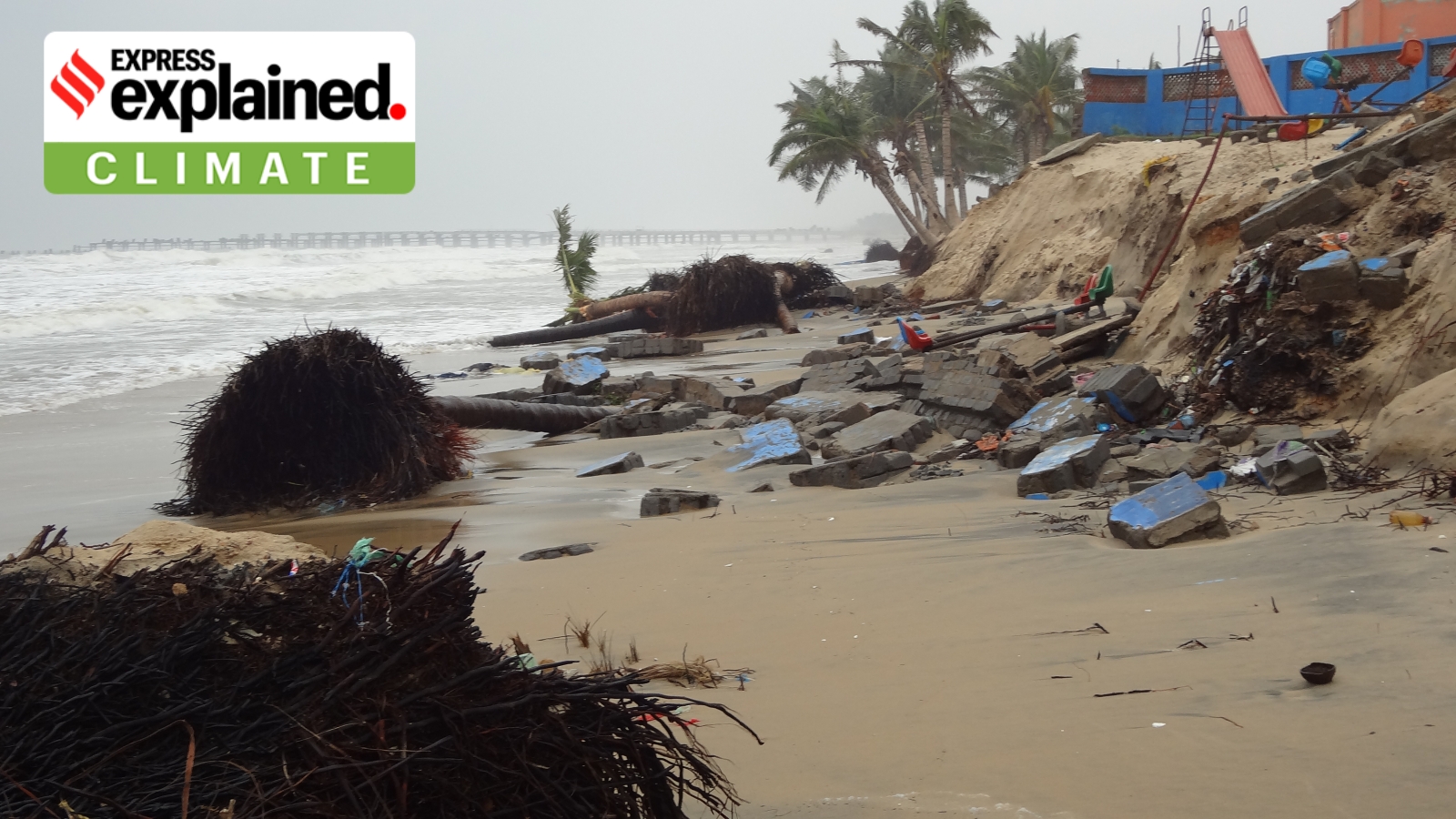
Coastal areas can experience more flooding, erosion, storms and salty drinking water.
Countries are building sea walls, improving drainage and restoring mangroves to adapt.
The best way to limit future sea-level rise is to reduce emissions quickly.

The UN General Assembly adopted its first declaration on rising sea levels on 24 September.
Global sea levels have risen about 21 cm since 1880, with the rate more than doubling since the 1990s.
Even under low emissions, sea levels could rise about 38 cm by 2100; continued high emissions could produce about 77 cm.
Melting land ice and the thermal expansion of warming seawater are the main causes of sea-level rise.
Low-lying islands, coastal cities and river deltas face flooding, erosion, saltwater intrusion and loss of habitable land.
- Who
- The United Nations General Assembly, climate scientists, coastal communities and countries vulnerable to sea-level rise.
- What
- The General Assembly adopted its first declaration on rising sea levels, highlighting the growing risks to populations, territory and infrastructure.
- Where
- The threat affects coastlines worldwide, especially low-lying islands, river deltas, tropical Asia and coastal areas of India.
- When
- The declaration was adopted on 24 September; global sea-level trends and projections discussed in the article extend from 1880 through 2100 and beyond.
- Why
- Sea levels are rising mainly because warming seawater expands and global warming melts glaciers and ice sheets; greenhouse-gas emissions drive this warming.
Key facts
- Global rise since 1880
- About 21 cm
- Projected rise by 2100
- About 38 cm under the lowest-emissions path and about 77 cm if emissions continue climbing
- Recent rate of rise
- 4.7 mm per year during 2015–2024, compared with 2.1 mm per year during 1993–2002
- Record annual increase
- 6 mm in 2024
- Main causes
- Melting glaciers and ice sheets, plus thermal expansion of warming seawater
- Population exposure
- Nearly 40% of the world’s population lives near the coast, while roughly 900 million people live in low-elevation zones
- Key impacts
- Coastal erosion, flooding, stronger storm surges, saltwater intrusion and threats to homes, infrastructure and habitable land
Quotes
World Meteorological Organization report
An international meteorological organization cited in the article’s discussion of regional sea level variation
“regional patterns of sea-level change are dominated by local changes in ocean heat content and salinity”
 indianexpress.com
Sources
Related news
UN Sea-Level Declaration Protects States, Challenges India’s Coast
UN Warns Mumbai Faces Growing Risk of Permanent Inundation
UN Warns of Rising Sea Levels Threatening India

BMC Launches Fresh Study of Mumbai’s Coastal Flooding Risk
UN Reports Warn Climate Crisis Threatens Humanity’s Future

UN Report Says 1.5°C Breach Is Now Unavoidable

UPSC Key: India-US Ties, Green Energy, Climate and Iraq

Turkey’s COP31 Agenda Links Climate Action With Development
Taiwan Foreign Minister Joins Pacific Summit Events in Palau