2 hrs ago
Iran VP Warns Dark Months as Hormuz Tensions Rise
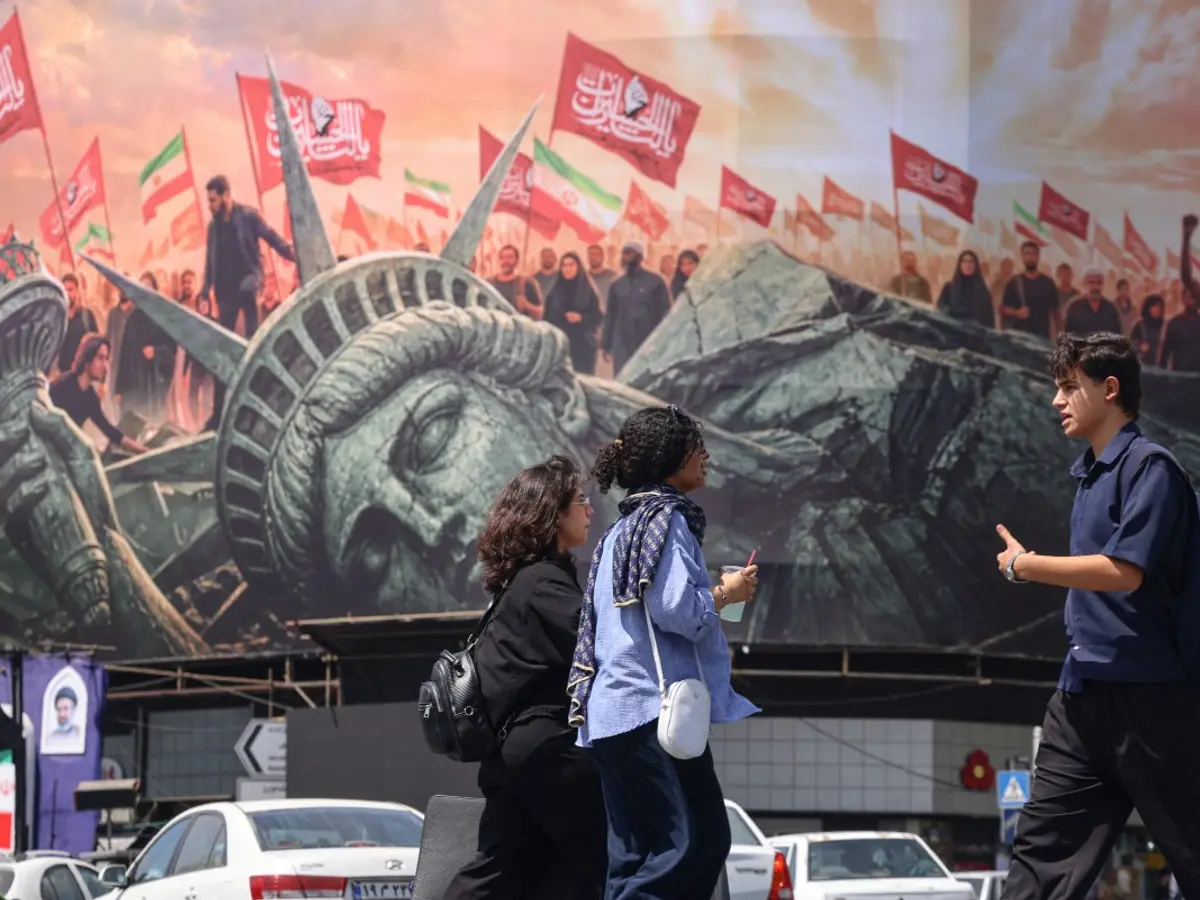
Iran and the United States have started fighting again after a short break.
Iran’s vice president warned that the US economy could face difficult months.
He told Americans to store fuel, but he did not explain exactly what Iran would do.
He said Iran would respond in several unusual and complicated ways if attacked again.
Iran has fired missiles and drones at US facilities in nearby countries.
Iran also said a missile fragment killed four people at a family wedding, while the United States said it was investigating.
The US military said it does not target civilians and accused Iran of doing so.
Iran’s parliament speaker said the Strait of Hormuz would not reopen until the United States fulfills its commitments.

Iranian First Vice President Mohammad Reza Aref warned that “dark months await” the US economy.
Aref said Iran’s security strategy had changed and promised an asymmetric, multi-layered response to any future US attack.
The latest escalation followed a US strike on Iran’s Larak Island on August 30, ending a roughly month-long lull.
Iran has launched missiles and drones at US military facilities in the region, including bases in Kuwait and the United Arab Emirates.
Tensions over alleged civilian casualties and the possible reopening of the Strait of Hormuz have increased concerns about energy supplies and shipping.
- Who
- Iranian First Vice President Mohammad Reza Aref, Iranian Parliament Speaker Mohammad Bagher Ghalibaf, and US and Iranian military forces are involved.
- What
- Aref warned of economic consequences for the United States as fighting and tensions over the Strait of Hormuz increased.
- Where
- The reported events involve Iran, Larak Island, US facilities in Kuwait and the United Arab Emirates, and the Strait of Hormuz.
- When
- Aref made the warning on Thursday; the latest escalation began after a US strike on August 30.
- Why
- Aref said recent US actions had changed Iran’s security calculations, while Ghalibaf linked the Strait’s reopening to US fulfillment of commitments.
Iran’s Claims
US Position
Military response
Iran’s Claims
Iran says US actions changed its security strategy and that future attacks will receive an asymmetric, multi-layered response.
US Position
The United States has not specified an economic response in the article and says its military does not target civilians.
Civilian casualties
Iran’s Claims
Iran accused the United States of targeting civilians and said missile shrapnel killed four people at a family wedding.
US Position
Washington initially denied the reports and later said it was investigating them; a US Central Command spokesman accused Iranian forces of targeting civilians.
Strait of Hormuz
Iran’s Claims
Iranian Parliament Speaker Mohammad Bagher Ghalibaf said the strait would not be reopened until the United States fulfills commitments under the Islamabad Memorandum.
US Position
The article does not provide a US response on the conditions for reopening the Strait of Hormuz.
Key facts
- Iranian official
- Mohammad Reza Aref, Iran’s first vice president
- Warning
- Aref said “dark months await” the US economy and urged Americans to stockpile fuel.
- Response doctrine
- Aref described Iran’s future response as “asymmetric” and “multi-layered.”
- Escalation date
- The latest escalation began after a US strike on Larak Island on August 30.
- Reported Iranian attacks
- Iran launched missiles and drones against US military facilities, including bases in Kuwait and the United Arab Emirates.
- Civilian casualty claim
- The Iranian Red Crescent Society said missile shrapnel struck a family wedding ceremony and killed four people.
- Strait of Hormuz
- Iranian Parliament Speaker Mohammad Bagher Ghalibaf said reopening the strait depended on the United States fulfilling its commitments.
Quotes

Mohammad Reza Aref
Iranian First Vice President
“The recent US crimes against the Iranian nation have changed our security calculations and defence doctrine. From now on, our response will be asymmetric, multi-layered and aimed at depriving the aggressor of security.”
 wionews.com
Captain Tim Hawkins
Spokesman for the US Central Command
“U.S. military never targets civilians”
wionews.com
Sources
Related news

US Escalates Iran Economic Pressure as Hormuz Crisis Deepens
Trump Threatens More Iran Strikes as Oil Prices Rise
Iran Warns Strait of Hormuz Will Not Reopen Without Approval
US Launches Fresh Iran Strikes Near Strait of Hormuz
US Strikes Iranian Launchers Near Hormuz, Iran Threatens Retaliation

Trump vows forceful response after Iran strikes US bases
Trump’s Hormuz Strategy Seeks Alternative Energy Routes

Iran Taunts Uncle Sam With Strait Of Hormuz Video
Trump’s Iran War Expands as US Troop Deployments Reach 2027
US Sanctions and Oil Blockade Deepen Iran’s Economic Crisis