2 hrs ago
Syria Pitches Mediterranean Oil Route as Hormuz Alternative
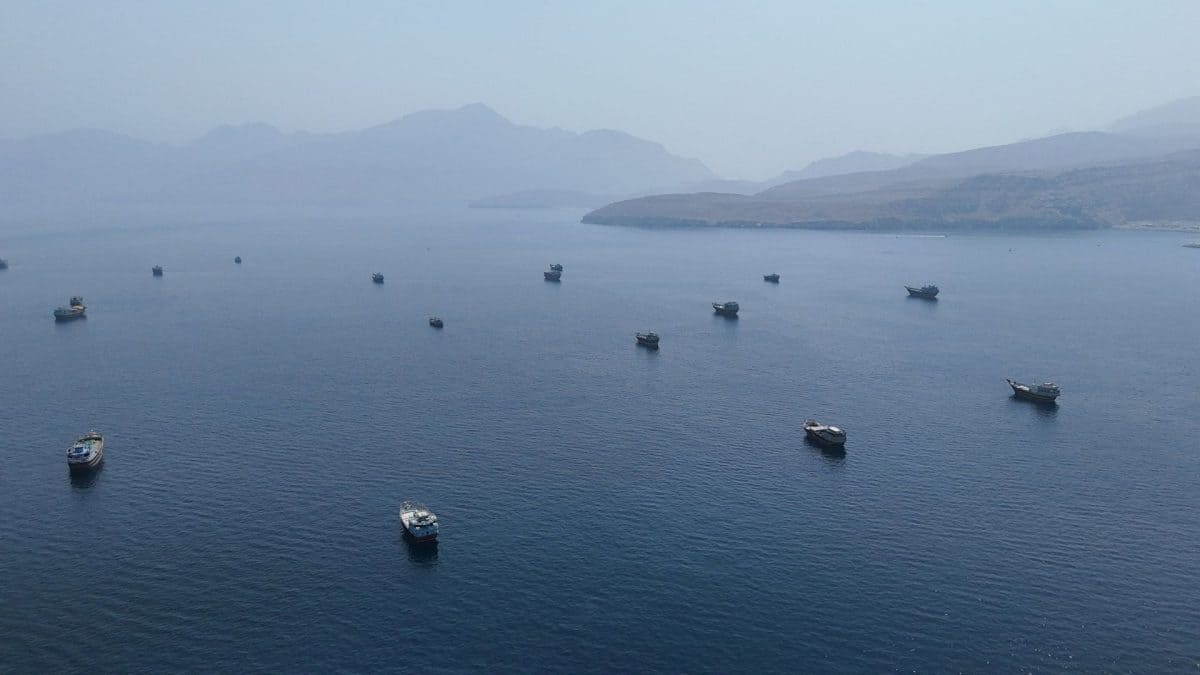
Syria wants to help move oil and goods between the Gulf and the Mediterranean Sea.
This could give traders another choice when shipping through the Strait of Hormuz is disrupted.
Trucks are already carrying about 5,000 loads of oil each day from southern Iraq to Syria’s Baniyas port.
A much larger pipeline from Basra to Baniyas has also been proposed.
The pipeline could carry up to 2 million barrels of oil each day.
However, it would take at least two and a half years to build.
Experts worry that conflict, attacks, money problems and insurance costs could make the route difficult.
Syria also hopes to build transport connections linking Europe with the Gulf and Red Sea.

Syria is promoting its Mediterranean coastline and transit links as an alternative to the Strait of Hormuz.
About 5,000 oil trucks a day are reportedly moving crude from southern Iraq to Baniyas.
A proposed 1,000-mile Basra-to-Baniyas pipeline could cost $5.7 billion and carry up to 2 million barrels daily.
The pipeline, backed by the Trump administration and involving Chevron, would take at least two and a half years to build.
Security, financing, infrastructure and insurance risks could limit Syria’s emergence as a regional logistics hub.
- Who
- Syria, southern Iraqi oil exporters, the Trump administration and Chevron are involved in the proposed corridor; President Ahmed al-Sharaa leads Syria.
- What
- Syria is pitching its territory, Baniyas port and proposed transport links as an alternative route for oil and goods normally moving through the Strait of Hormuz.
- Where
- The proposed route would run from Basra in southern Iraq to Baniyas on Syria’s Mediterranean coast.
- When
- Oil trucking began in April; Donald Trump publicly endorsed the idea on Thursday. The proposed pipeline would take at least two and a half years to construct.
- Why
- Disruptions linked to the Iran war and uncertainty around the Strait of Hormuz have pushed traders and producers to seek alternative routes.
Potential Benefits
Risks and Limits
Syria as an energy corridor
Potential Benefits
Supporters see Syria’s Mediterranean access and Baniyas port as a possible westward route for Gulf energy exporters and a bridge between the Gulf and Europe.
Risks and Limits
Critics and analysts say the route would require major infrastructure, financing and long-term security guarantees before it could become dependable.
Pipeline feasibility
Potential Benefits
The proposed Basra-to-Baniyas pipeline could eventually carry up to 2 million barrels of crude daily and provide a larger alternative to Hormuz.
Risks and Limits
The project cannot immediately replace Hormuz because construction would take at least two and a half years, while pipelines crossing Syria could remain vulnerable to militant attacks.
Broader logistics ambitions
Potential Benefits
Damascus hopes to connect Europe with the Gulf and Red Sea, expanding Syria’s role beyond oil transit.
Risks and Limits
Security threats, insurance costs and years of conflict and sanctions could make those wider transport ambitions difficult to realize.
Key facts
- Existing oil movement
- About 5,000 oil trucks per day are moving crude between southern Iraq and Baniyas.
- Proposed pipeline
- A roughly 1,000-mile pipeline would connect Basra with Baniyas.
- Estimated cost
- The pipeline is estimated to cost $5.7 billion.
- Potential capacity
- The proposed pipeline could transport up to 2 million barrels of crude per day.
- Construction timeline
- Construction would take at least two and a half years.
- Port
- Baniyas is located on Syria’s Mediterranean coast.
- Political response
- US President Donald Trump shared a Washington Post report about the proposal and called it “GREAT!”
Quotes

Donald Trump
President of the United States who publicly endorsed the report about Syria’s proposed alternative route.
“This is GREAT!”
 firstpost.com
Sources
Related news

Bessent Predicts Pipelines Will Bypass Strait of Hormuz

Russia proposes direct rail link to India amid Hormuz tensions
Oil Prices Rise 1% as Strait of Hormuz Reopening Uncertain
Russia Floats Rail Link to India to Avoid Maritime Risks
Iran Says Strait of Hormuz Deal With Oman Being Finalised

Syria Begins Destroying Remnants of Assad Chemical Weapons Program
Iran’s Proxy Network Weakens, But Its Wars Persist
Welspun Corp, Perma-Pipe Plan Jordan Pipe Manufacturing JV

WhatsApp Group Exposed Vast Hawala Network Tied to Crime