3 weeks ago
16th-century Karnataka inscription warns land grabbers with royal curse
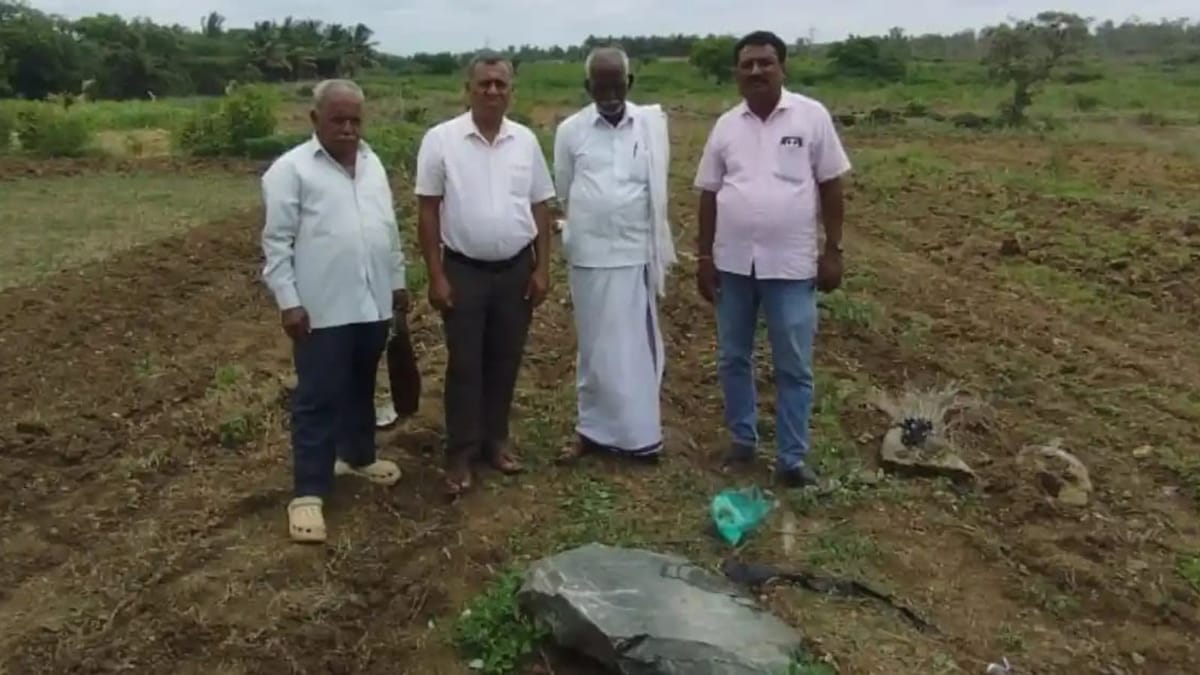
Farmers in a village in Karnataka, India, were ploughing their fields when they found a very old stone with writing on it.
The writing was in old Kannada and is about 450 years old.
It tells the story of a king named Immadi Chikkanna Nayaka and a man named Doddagouda who built a lake for everyone to use.
The king was so happy that he gave Doddagouda's family free land that did not have to pay taxes.
The stone says the family could keep the land forever, as long as the sun and moon exist.
It also carries a scary warning: anyone who tries to steal or destroy the land would get a terrible curse.
The curse says they would commit a huge sin, like hurting a cow in Kashi, a very holy city.
Long ago, kings used such warnings to protect the land they gave away.
The stone has now been moved to a museum so experts can study it and learn how kings ruled in the past.

Farmers ploughing fields in Javagondanahalli village, Chitradurga district, discovered a 16th-century stone inscription.
The 17-line black stone slab, written in old Kannada, dates to the reign of Kamageti ruler Immadi Chikkanna Nayaka (1575–1586 AD).
The inscription records that Doddagouda, son of Lakkajiya, built a public lake and was rewarded with tax-free Umbali gift land for his descendants.
Its 'curse clause' warns that anyone seizing or destroying the land would incur the grave sin of killing a cow (Gohatya) in Kashi.
The stone, preliminarily dated to 1581, was recovered from Survey No. 85 and shifted to the Government Museum in Chitradurga for preservation and study.
- Who
- Farmers in Javagondanahalli village, along with officials of the Department of Archaeology, Museums and Heritage, Chitradurga; the inscription concerns Doddagouda and King Immadi Chikkanna Nayaka.
- What
- Discovery of a 16th-century stone inscription containing a royal land grant and a curse clause against anyone seizing the land.
- Where
- Javagondanahalli village, Hiriyur taluk, Chitradurga district, Karnataka; the stone is now at the Government Museum in Chitradurga.
- When
- The inscription dates from the reign of Immadi Chikkanna Nayaka (1575–1586 AD) and is preliminarily believed to be from 1581.
- Why
- The king rewarded Doddagouda for constructing a public lake with tax-free gift land, and the curse clause was a legal and religious safeguard against encroachment.
Key facts
- Estimated date
- Preliminarily 1581; reign of Immadi Chikkanna Nayaka (1575–1586 AD)
- Language and form
- 17 lines in old Kannada on a black stone slab
- Discovery site
- Survey No. 85, Javagondanahalli village, Hiriyur taluk, Chitradurga district, Karnataka
- Grant reward
- Tax-free Umbali (gift) land for Doddagouda's descendants
- Curse warning
- Seizing the land incurs the sin of killing a cow (Gohatya) in Kashi
- Present location
- Government Museum in Chitradurga
- Significance
- Insights into the Kamageti dynasty, medieval governance, irrigation and land grant traditions
Quotes
Prahlad G., Assistant Director, Department of Archaeology, Museums and Heritage, Chitradurga
Assistant Director of Archaeology, Museums and Heritage, Chitradurga
“The inscription is preliminarily believed to date to 1581, though we are still verifying its exact age. If anyone tries to destroy the land or snatch it from the family, they will gain the curse, it says on the stone.”
 CNBC TV 18
Sources
Related news
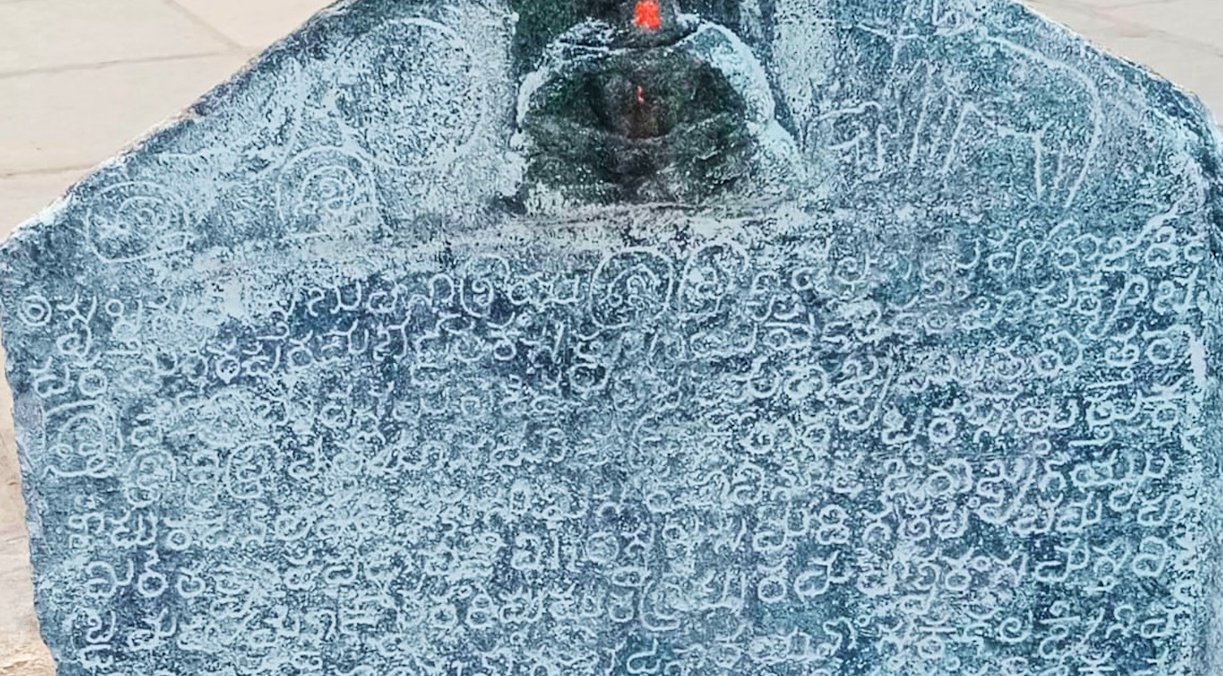
11th Century Telugu-Kannada Inscription Discovered at Dundigal Temple
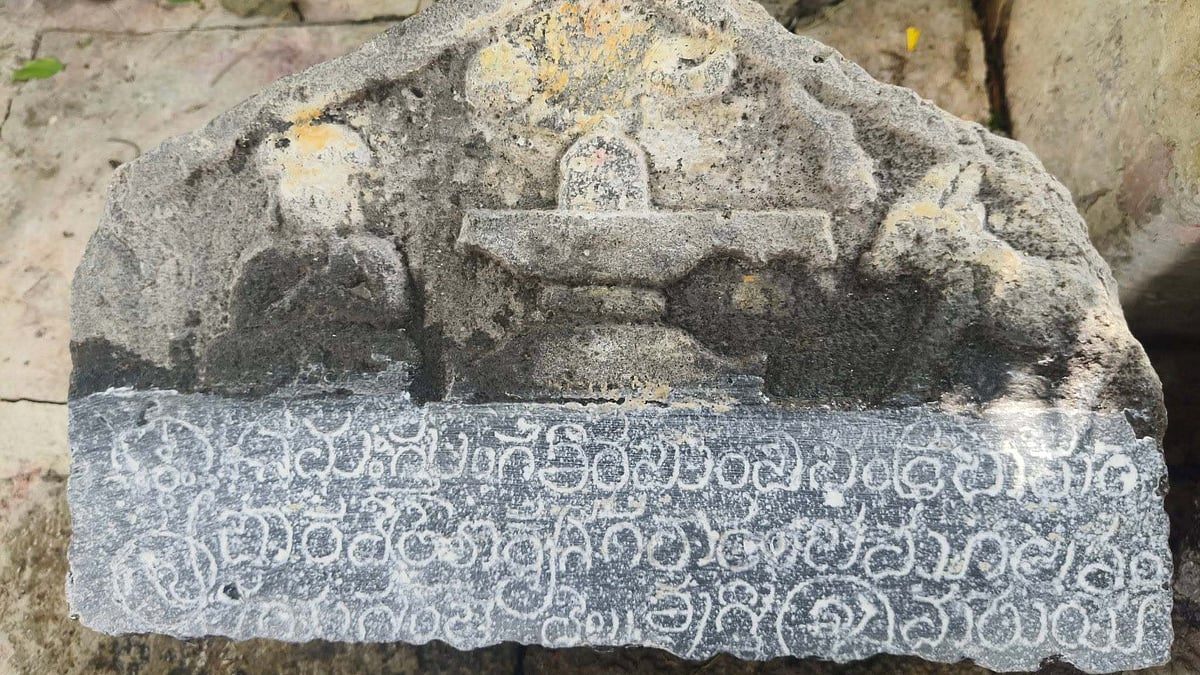
Kannada Inscription at Jeur Temple Sheds Light on Medieval History
Chola-Era Inscription Found at Tiruvannamalai’s Vengikkal Lake
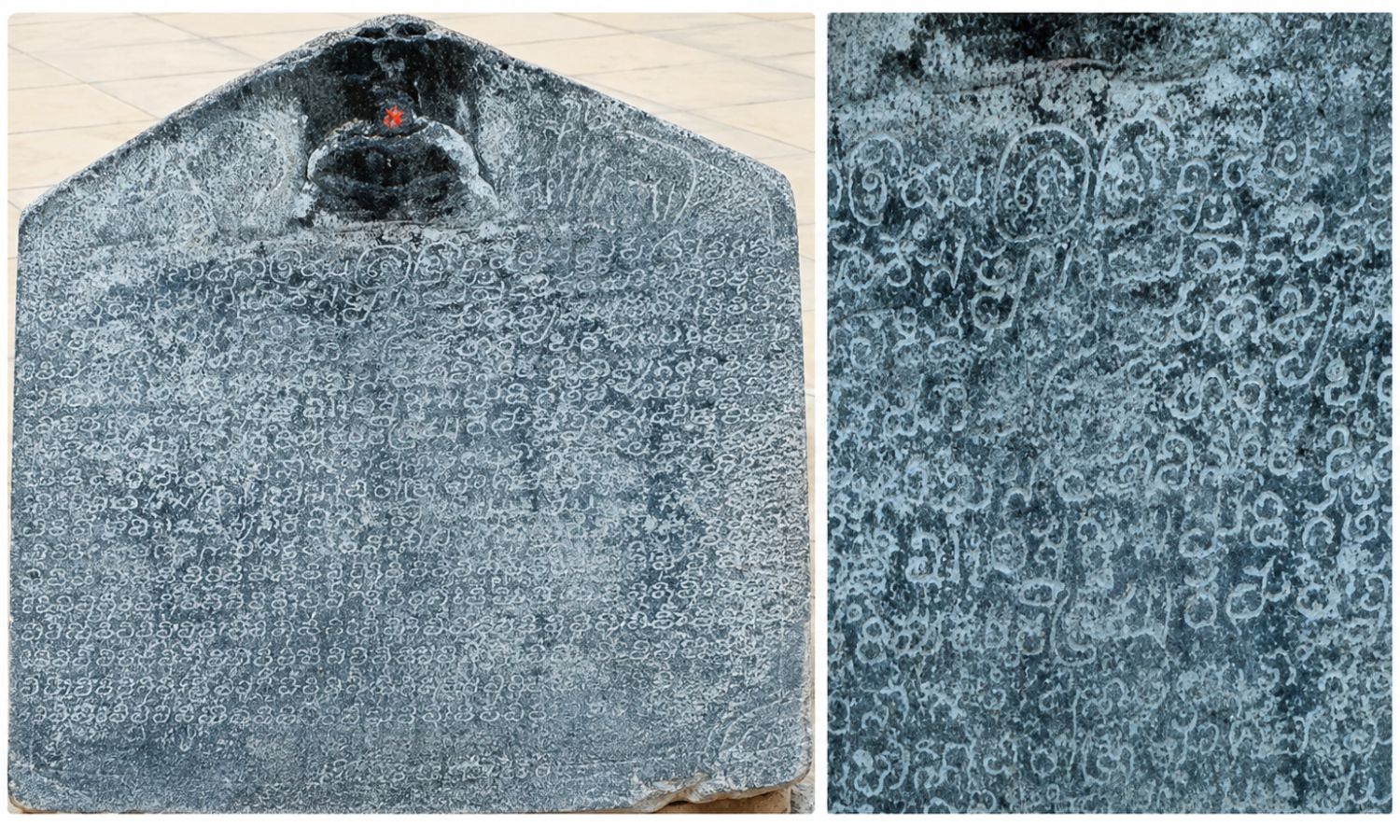
11th-Century Jain Inscription Discovered at Dundigal Temple
11th-Century Inscription Identified at Telangana’s Siddheshwara Temple
ASI Digitises 3,500 Ancient Inscriptions for Online Access

IAS Officer’s Disclosures Put Alleged KPSC Scam Middleman Under Scanner

Residents Report Serious Security Lapses at Karanja Dam
Six Arrested Over Alleged Blackbuck Poaching in Bidar Grassland

Bidar ATM murder suspects arrested in Bihar after 19-month hunt

Karnataka Police Arrest Two Suspects in Bidar Bank Robbery