5 days ago
Residents Report Serious Security Lapses at Karanja Dam

Residents say Karanja Dam does not have enough security.
Eight security workers are assigned to protect it, but locals say they are often absent.
People reportedly enter the dam area without proper checks, especially at night.
Some groups are accused of drinking alcohol and holding parties there.
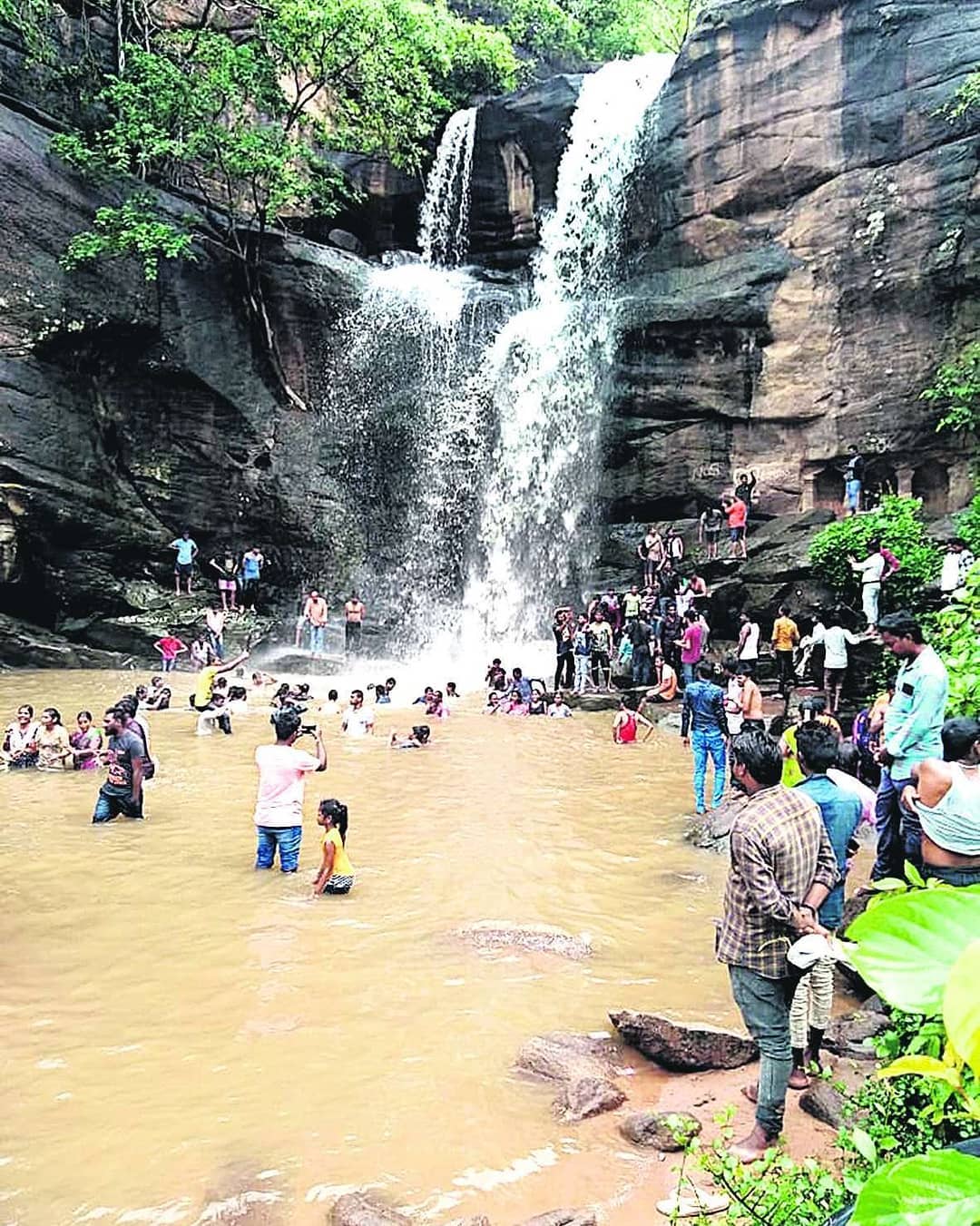
Other people reportedly bathe and wash clothes in the reservoir.
These activities could be dangerous for visitors and the dam itself.
Residents say they have informed officials and police but have not seen effective action.
They want regular security and stricter control over who enters the area.

Residents allege that Karanja Dam is accessible without adequate entry checks or monitoring.
Eight assigned security personnel are reportedly rarely present at the reservoir.
Locals claim people enter at night to consume alcohol and hold parties.
Residents from nearby villages reportedly bathe and wash clothes in the reservoir.
The reservoir stores around 7.691 TMC and supplies water to five towns and more than 30,000 hectares of farmland.
- Who
- Residents near Karanja Dam, assigned security personnel, irrigation officials and police are involved in the reported dispute.
- What
- Residents allege inadequate security, unauthorised entry and unsafe activities at the dam premises.
- Where
- Karanja Dam, near Byalahalli village in Bhalki taluk, Bidar district.
- When
- Why
- Residents want the authorities to protect a reservoir that supplies drinking water and irrigation water.
Key facts
- Security staff
- Eight personnel are assigned to protect the dam, according to residents.
- Storage capacity
- Around 7.691 TMC.
- Drinking-water supply
- The reservoir supplies Bidar, Bhalki, Humnabad, Chitguppa and Aurad towns.
- Agricultural coverage
- It provides water to more than 30,000 hectares of agricultural land.
- Reported activities
- Residents allege nighttime entry, alcohol consumption, parties, bathing and washing clothes.
- Residents' demand
- Regular deployment of security personnel and stricter monitoring of entry.
- Infrastructure history
- The reservoir was constructed nearly five decades ago primarily for irrigation.
Sources
Related news

Haveri Farmers Protest Dry Lakes Despite Ongoing Monsoon
Karimnagar Residents Face Water Scarcity as Borewells Dry Up
Karnataka BJP, Kannada Activists Allege Water Released to Tamil Nadu
Water Crisis Looms as Manjara Reservoir Falls to 16% Storage