2 weeks ago
11th Century Telugu-Kannada Inscription Discovered at Dundigal Temple
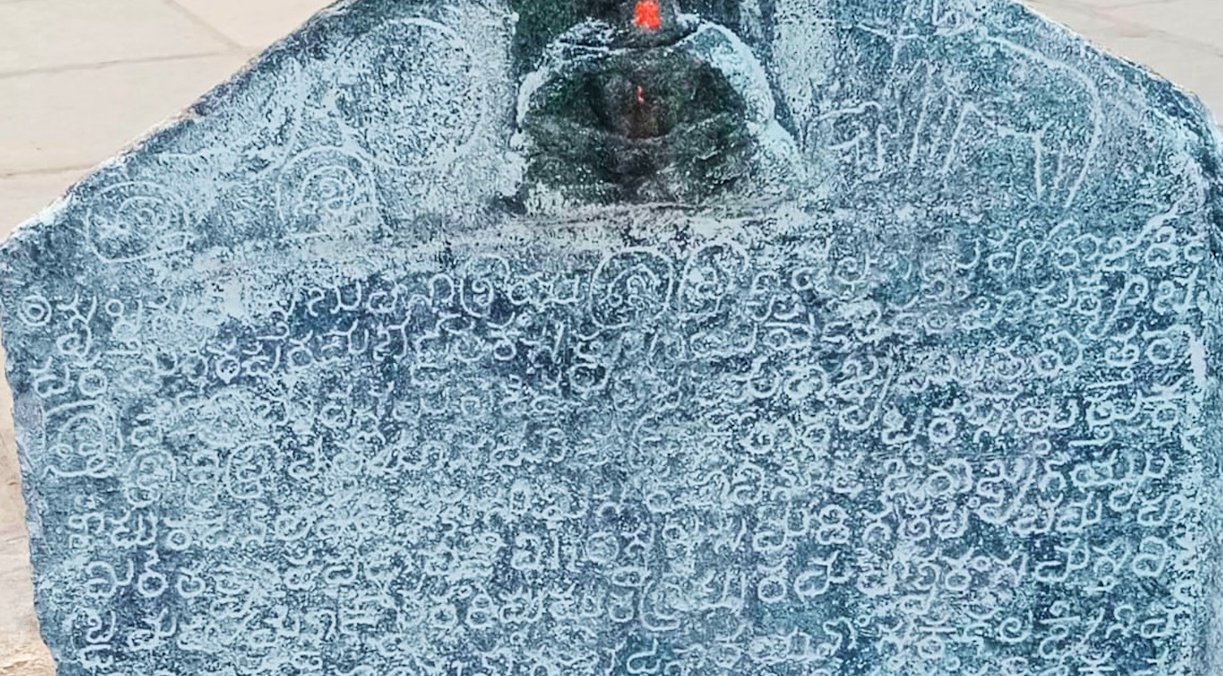
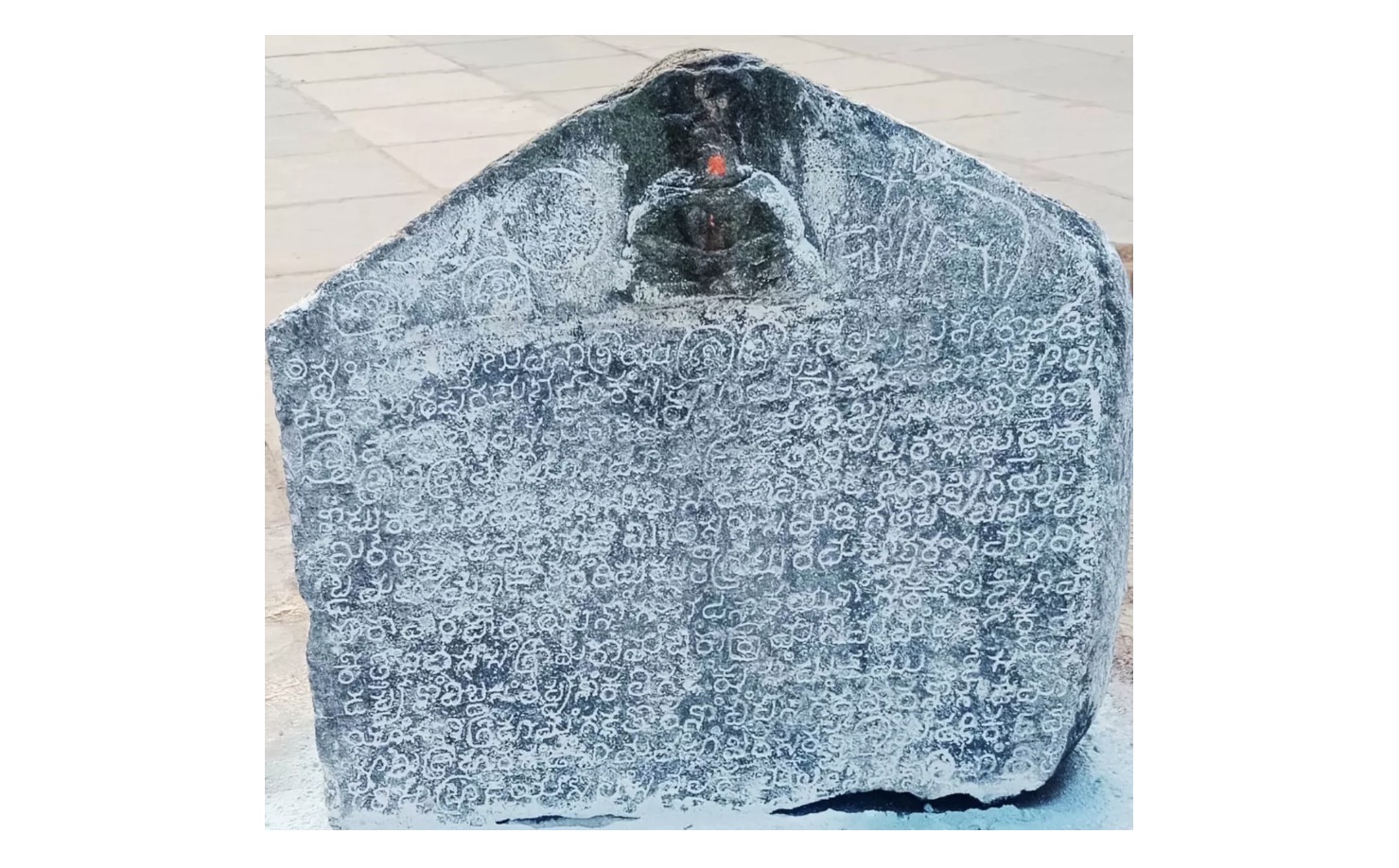
People found an old stone pillar at a temple in Dundigal.
The writing on it is about 900 years old.
It uses a script that combines Telugu and Kannada, as well as Kannada.
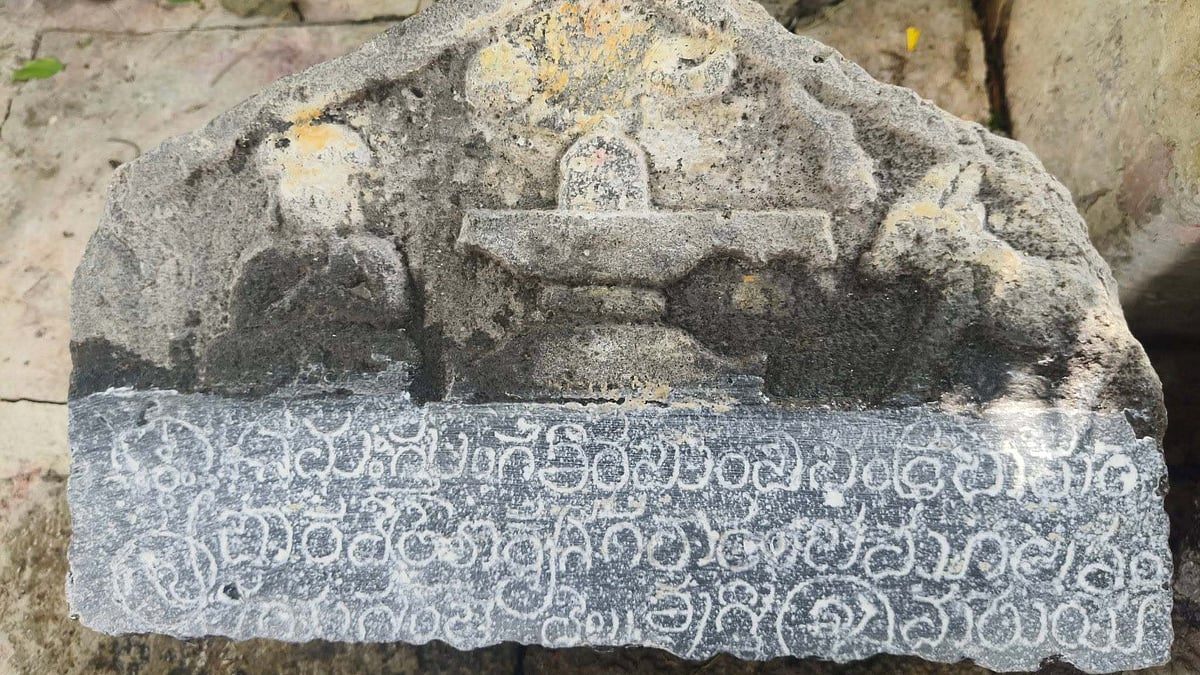
Pictures of the Moon, Sun, a Jain holy figure, and a cow with its calf are carved on the stone.
Experts say it was made when Tribhuvanamalla Deva was king.
The stone describes land being given as a donation.
The donation helped support the construction of a Jain basadi, or place of worship.
The name of the official who ordered the inscription is partly missing because the pillar is broken.
Researchers are studying the inscription to understand its history.

An 11th-century stone inscription was found at the Lakshmi Narayana Swamy temple in Dundigal, Medchal district.
The 41-line inscription appears on three sides of a pillar in Telugannada and Kannada scripts.
Carvings of the Moon, Sun, a Jain Tirthankara, and a cow with its calf appear at its beginning.
The inscription records a land donation during the reign of Kalyani Chalukya emperor Tribhuvanamalla Deva, also known as Vikramaditya VI.
It mentions a Jain basadi built by Nalama and land donated by a Soma-lineage Mahamandalesvara.
- Who
- A Soma-lineage Mahamandalesvara commissioned the inscription; Nalama is mentioned as the builder of a Jain basadi. Sriramoju Haragopal is studying it.
- What
- An 11th-century inscription records a land donation and the construction of a Jain basadi.
- Where
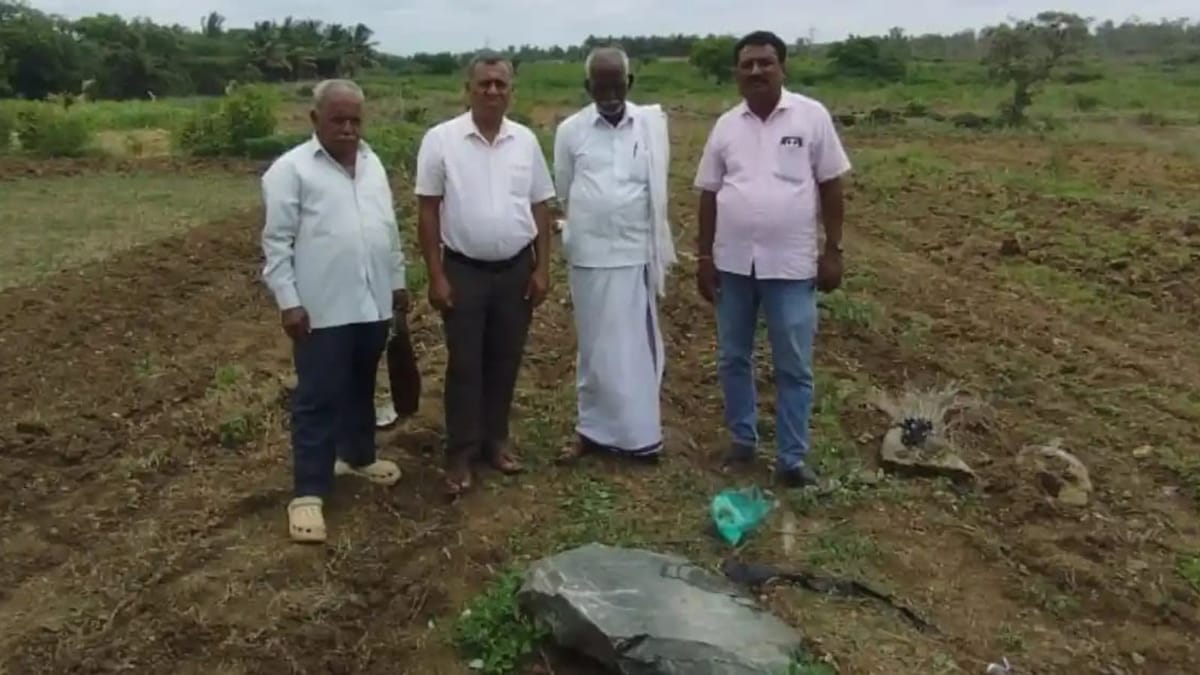
- The pillar was found at the Lakshmi Narayana Swamy temple in Dundigal village, Medchal district; it had reportedly been brought from a small local tank.
- When
- The donation was made during the reign of Tribhuvanamalla Deva, Vikramaditya VI, who ruled from AD 1076 to 1126.
- Why
- The land was donated for the purpose of constructing or supporting a Jain basadi dedicated to the Jain Sasanadevata.
Key facts
- Approximate date
- 11th century
- Location found
- Lakshmi Narayana Swamy temple, Dundigal village, Medchal district
- Inscription format
- 41 lines engraved on three sides of a pillar
- Scripts
- Telugannada, a hybrid Telugu-Kannada script, and Kannada
- Ruler named
- Tribhuvanamalla Deva, also known as Vikramaditya VI of the Kalyani Chalukya dynasty
- Religious reference
- Construction of a Jain basadi dedicated to the Jain Sasanadevata
- Land measure
- One marturu is understood to be about one-and-a-half acres
Sources
Related news
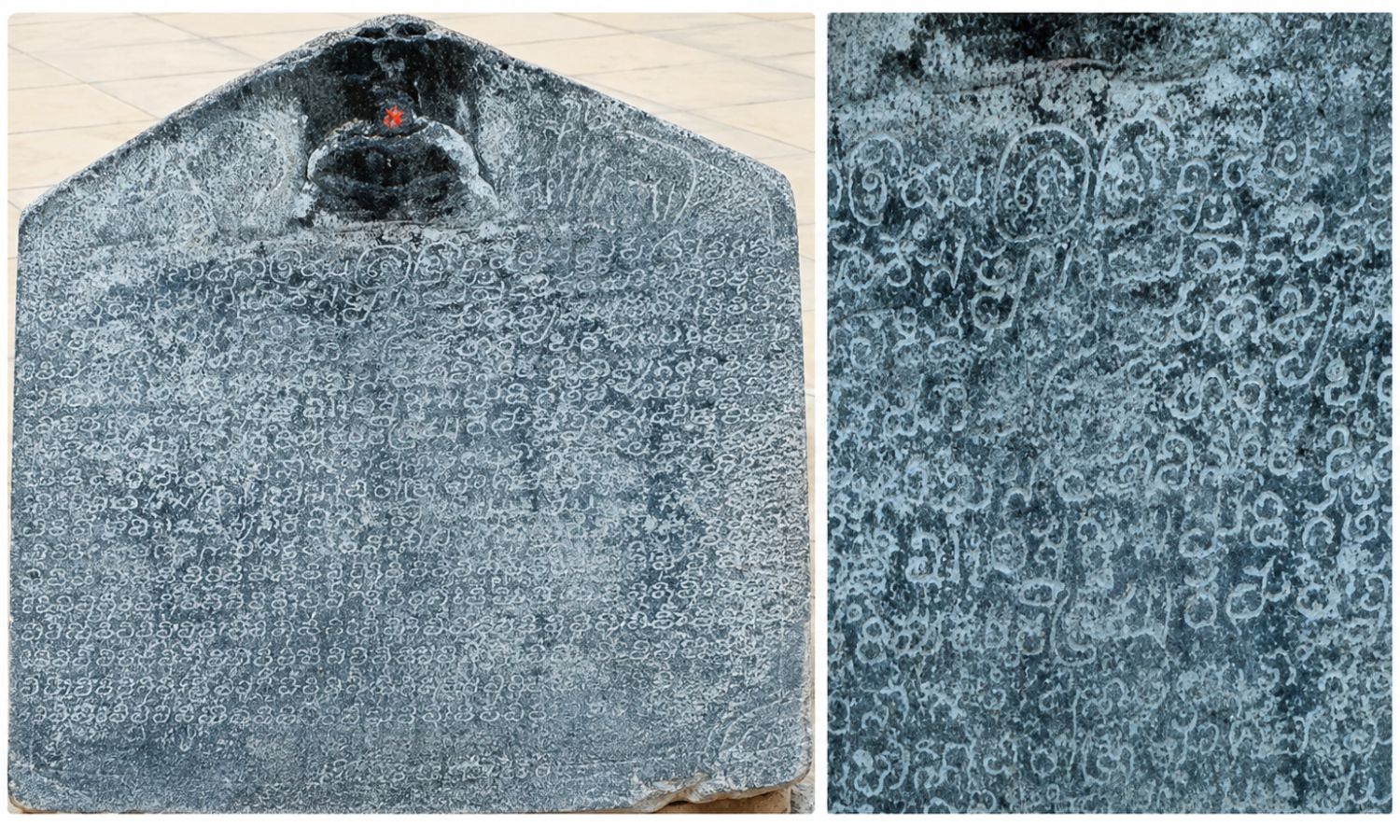
11th-Century Jain Inscription Discovered at Dundigal Temple
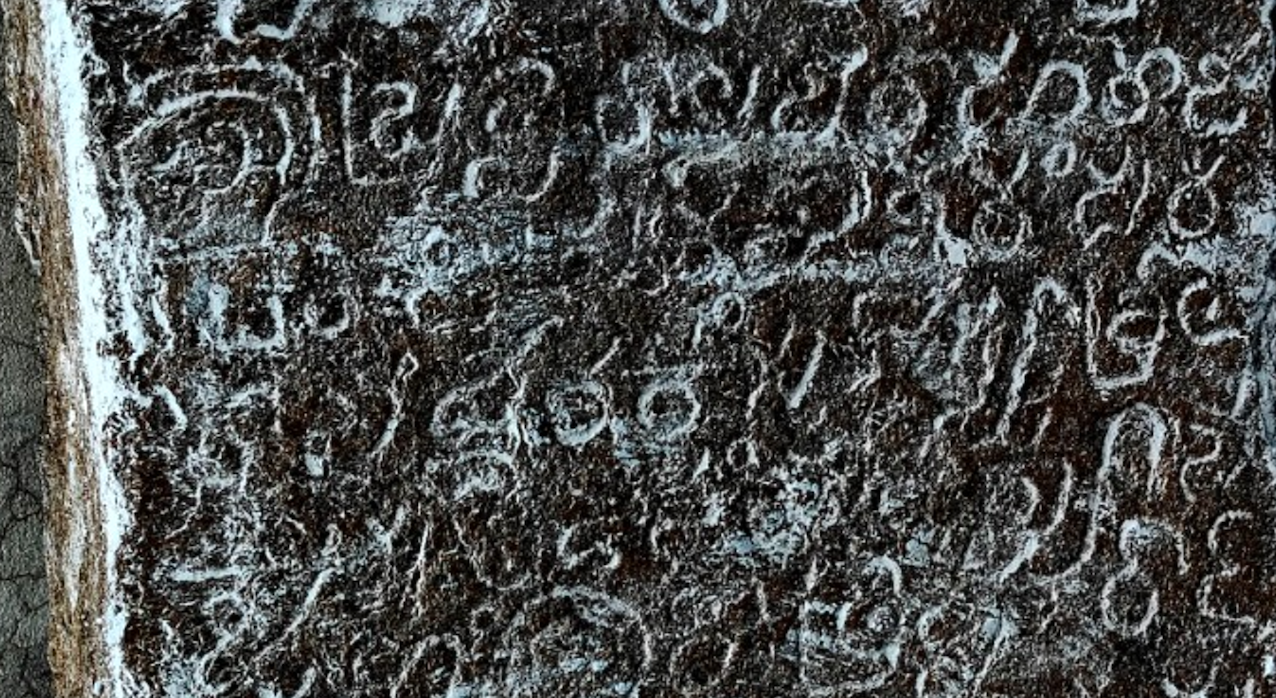
11th-Century Inscription Identified at Telangana’s Siddheshwara Temple
Chola-Era Inscription Found at Tiruvannamalai’s Vengikkal Lake
Kannada Inscription at Jeur Temple Sheds Light on Medieval History
16th-century Karnataka inscription warns land grabbers with royal curse
Gajapati-Era Odia Inscription Found Inside Tekkali Royal Palace

CMC seeks advanced waste management solutions