1 week ago
11th-Century Jain Inscription Discovered at Dundigal Temple
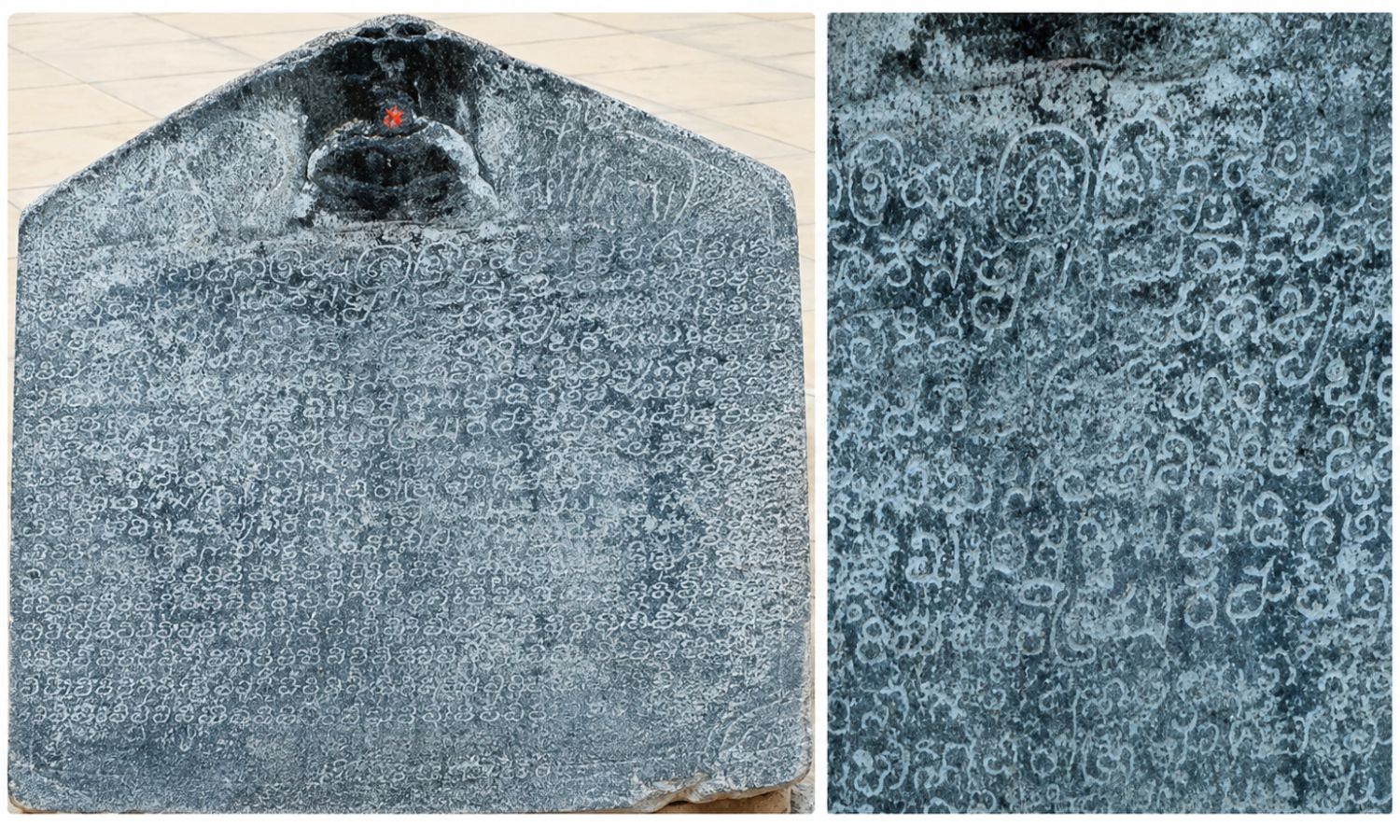
A very old Jain inscription was found in Dundigal.
It is estimated to be from the 11th century.
The inscription is carved into a stone pillar.
The pillar is currently kept at the Lakshminarayana Swamy temple.
It was reportedly brought there from near a small pond in Dindi.
The pillar is broken in the middle.
Its three sides contain 41 lines written in old Telugu and Kannada scripts.
The carvings include the moon, the sun, a Jain Tirthankara, and a cow with a calf.
Researchers link it to the time of emperor Tribhuvanamalladeva.

An 11th-century Jain inscription was discovered at the Lakshminarayana Swamy temple in Dundigal, Medchal district.
Narsannagari Jagan found the inscription and shared the information with Haragopal of the New Telangana History Group.
The inscription is engraved on three sides of a pillar containing 41 lines in 11th-century Telugu and Kannada scripts.
The pillar depicts the moon, sun, a Jain Tirthankara, and a cow with a calf.
The inscription has been identified with the period of Kalyani Chalukya emperor Tribhuvanamalladeva.
- Who
- Narsannagari Jagan discovered the inscription, and the information was conveyed to Haragopal, president of the New Telangana History Group.
- What
- An 11th-century Jain inscription engraved on a pillar was discovered.
- Where
- At the Lakshminarayana Swamy temple in Dundigal, Medchal district; the pillar was reportedly brought from near a pond in Dindi.
- When
- The inscription dates to the 11th century; the article does not give a date for its discovery.
- Why
Key facts
- Estimated period
- 11th century
- Location of discovery
- Lakshminarayana Swamy temple, Dundigal, Medchal district
- Inscription length
- 41 lines
- Scripts
- 11th-century Telugu and Kannada scripts
- Carvings
- The moon, the sun, a Jain Tirthankara, and a cow with a calf
- Pillar condition
- Broken in the middle
- Historical association
- The period of Kalyani Chalukya emperor Tribhuvanamalladeva
Sources
Related news
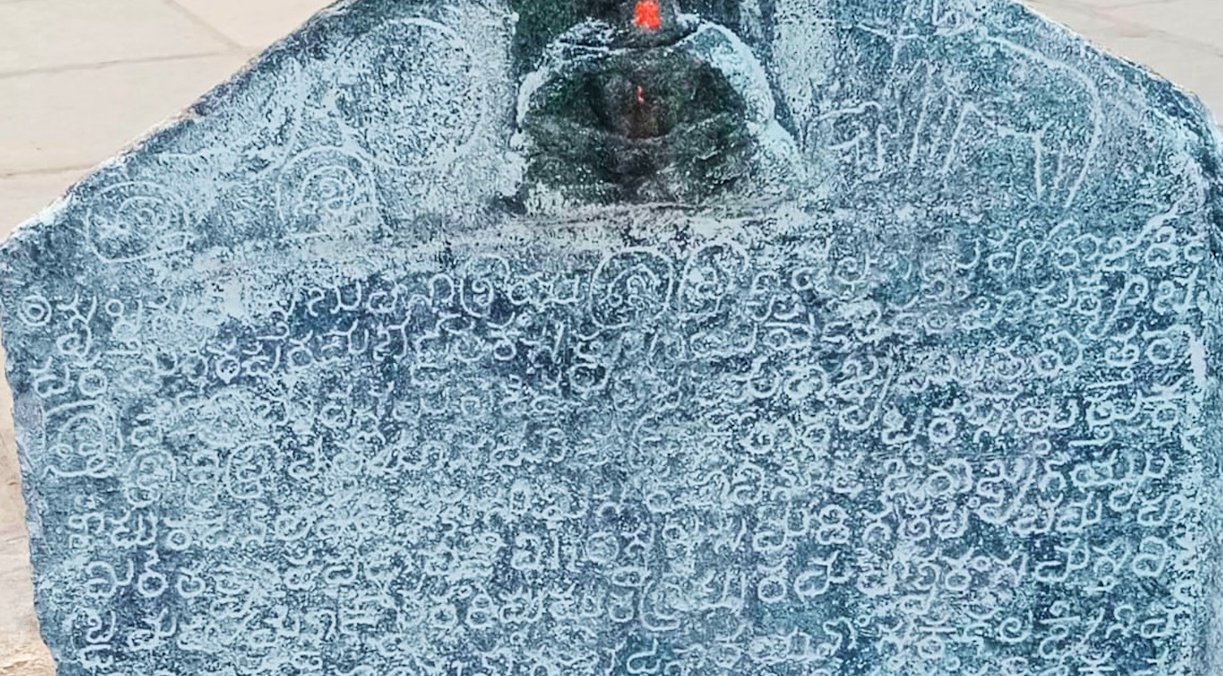
11th Century Telugu-Kannada Inscription Discovered at Dundigal Temple
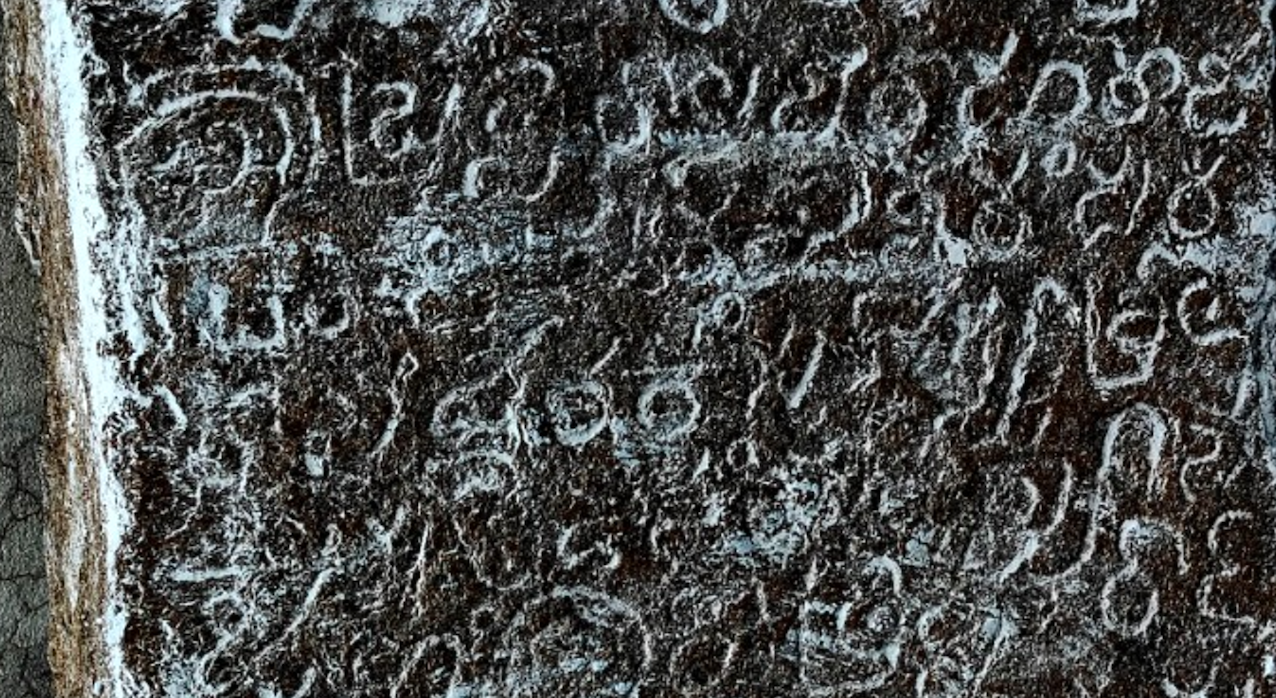
11th-Century Inscription Identified at Telangana’s Siddheshwara Temple
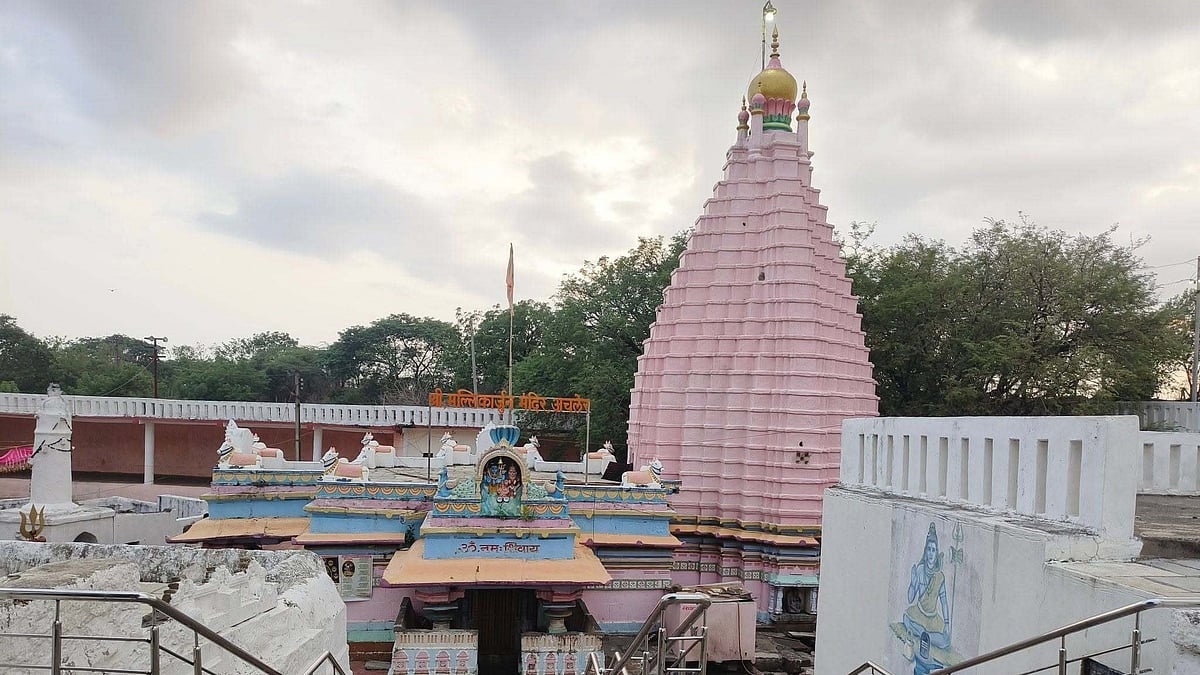
12th Century Jain Inscription Reveals Lost Vijay Parshvanath Temple Evidence
Kannada Inscription at Jeur Temple Sheds Light on Medieval History
Chola-Era Inscription Found at Tiruvannamalai’s Vengikkal Lake
Rare Nagini and Garuda Sculptures Unearthed Near Hampi Jain Temple

CMC seeks advanced waste management solutions